
Reviewed · RIFT VALLEY & CRATER LAKE DAY TRIPS
2 Days Ethiopian Rift Valley Lakes Tour from Addis Ababa
Two days cover a surprising amount of Ethiopia. This private trip links the carved stones of Tiya, Rift Valley lakes, lowland wildlife, ancient archaeological sites, Oromo village life, and a traditional coffee ceremony. I especially like the mix of nature and culture, plus the comfort of an air-conditioned private vehicle with an English-speaking guide. The main catch is that the $845.39 group price does not include accommodation, meals, or entrance fees, so your final cost will be higher.
I also like the personal scale. The tour is for your group alone, with space for up to six people, and guides such as Muluken, Teddy, and Biruk have been praised for careful driving, hospitality, and practical help along the way. You should expect long road hours, a full schedule, and some rougher or less polished stops. This is a broad introduction to southern Ethiopia, not a slow holiday beside one lake.
In This Review
- Key points before you book
- What this two-day route is really like
- Tiya: stone markers with a serious purpose
- Butajira and the road through the Rift Valley
- Lake Ziway: birds, hippos, and open water
- Melka Kunture and the long human story
- Awassa fish market and Amora Gedel
- Abiyatta-Shalla: birds and open-country wildlife
- Shashemene and the Rastafarian connection
- Bishoftu and the coffee ceremony
- Transport, guiding, and comfort on the road
- Is $845.39 good value for a private group?
- Who should book this experience?
- FAQ
- Is this a private tour?
- What kind of vehicle is provided?
- Are meals and accommodation included?
- Are admission fees included?
- What happens during the coffee ceremony?
- Can I take the tour during the rainy season?
- Should you book the Rift Valley lakes tour?
Key points before you book
- Tiya’s carved grave markers offer a close look at one of Ethiopia’s UNESCO-listed archaeological sites.
- Lake Ziway and Lake Awassa bring birdlife, hippos, fish markets, and a chance to see black-and-white colobus monkeys.
- Private transport for up to six people gives you flexibility that a scheduled group tour cannot match.
- Melka Kunture reaches back about 1.8 million years, with stone tools, fossilized footprints, and an ancient butchery site.
- A local coffee ceremony provides a human connection to Ethiopian daily life, not just another photo stop.
- The price covers transport and guiding, but not hotels, food, or admissions, so budget carefully.
What this two-day route is really like
The tour gives you a quick sample of the Ethiopian Rift Valley south of Addis Ababa. You move between open country, crater lakes, archaeological sites, villages, and towns. That variety is the biggest reason to choose it.
You are not simply driving from one scenic viewpoint to another. At Tiya, you look at carved stones tied to warriors and local leaders. At Melka Kunture, the focus shifts to early human activity. Around the lakes, you watch birds and search for hippos. In Shashemene, you learn about the Jamaican Rastafarian community and its connection with Emperor Haile Selassie I.
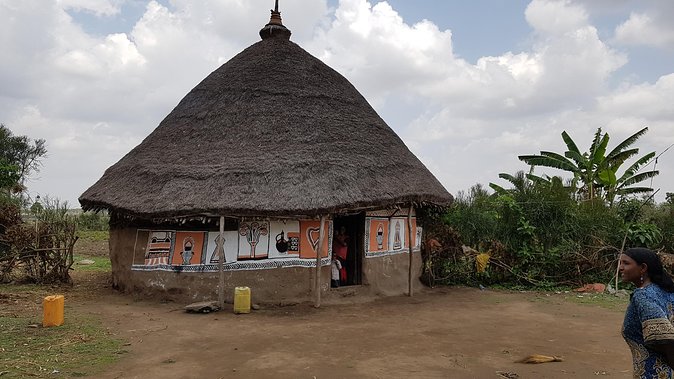
The route also gives you several chances to meet local people. A Silte village visit, an Oromo coffee ceremony, and the fish market at Awassa all offer more texture than a standard sightseeing circuit. I find these stops especially valuable because they help you understand how people live around the lakes, rather than treating the Rift Valley as scenery viewed through a car window.
Still, the pace is brisk. Day one includes Tiya, Butajira, Lake Ziway, and Melka Kunture, followed by a drive of about 115 kilometers to Awassa. Day two begins at the lake before heading north to Abiyatta-Shalla National Park, Shashemene, and Bishoftu. If you want long walks, extended wildlife viewing, or unhurried meals, this schedule may feel tight.
More crater lakes and Rift Valley days from Addis Ababa:
- Day trip to Adadi Mariyam and Melka kunture
★ 4.5 · 20 reviews - Day Trip to Debre Zeit/ Bishoftu
★ 4.5 · 14 reviews - Day Tours to Tiya Stele and Cave Churches of Adadi Maryam
★ 5.0 · 13 reviews
Tiya: stone markers with a serious purpose
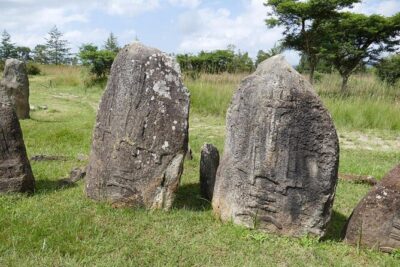
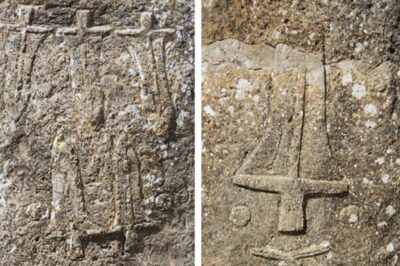
Tiya is one of the strongest cultural stops on the route. The site contains carved stone grave markers erected between the 12th and 14th centuries AD. They honor important local heroes, described here as warriors, and many stones carry distinctive symbols and designs.
You spend about an hour with a guide. That is enough time to see the main markers and hear the basic story of the site, though it will not allow for a lengthy archaeological study. Admission is not included, so set aside money for the entrance fee.
The value of Tiya comes from its mystery and restraint. There is no giant museum complex competing for your attention. You walk among the stones and try to read meaning into carvings created centuries ago. Your guide matters here, since the markers are much more interesting once you understand their role in local society.
The tour information also refers to Adadi Mariam, a rock-hewn church, in the general description. The detailed day-by-day schedule does not list a specific stop or time there, so you should confirm before booking if seeing Adadi Mariam is important to you. Women visiting the church are expected to dress fully and cover their hair.
Butajira and the road through the Rift Valley
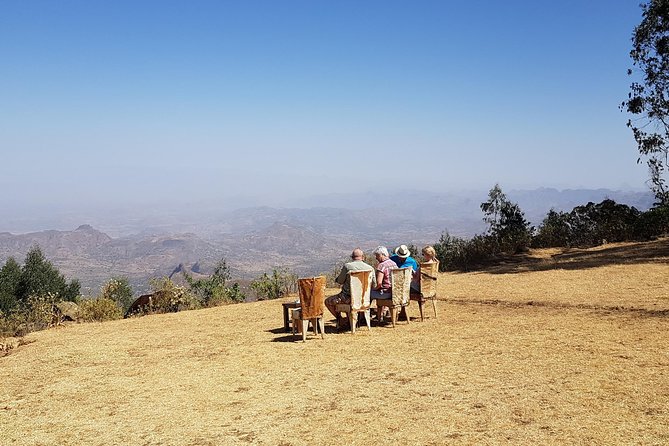
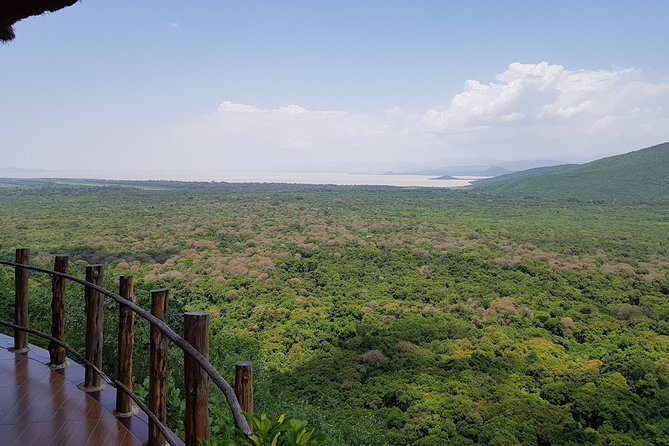
The Butajira section is less about a single monument and more about seeing the country at road level. You stop at viewpoints for views across the Ethiopian part of the Great East African Rift Valley, then visit a Silte village for a cultural experience.
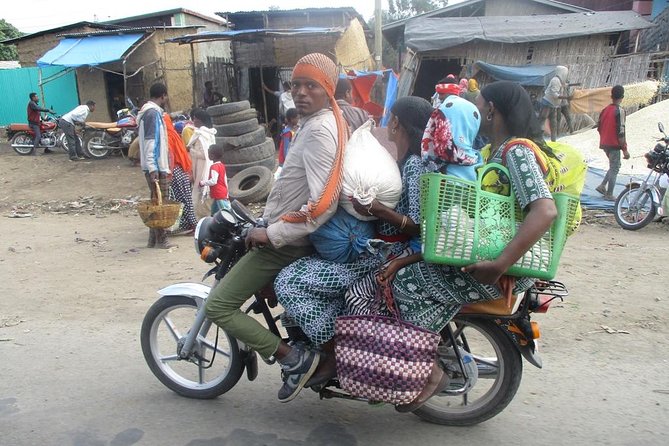
This is a useful counterpoint to the formal archaeological sites. You get a sense of how communities fit into the setting, and you have a chance to observe daily life away from Addis Ababa. The stop lasts about an hour and has no admission charge.
Keep your expectations sensible. The description does not promise a staged performance or a long village walk. It is best understood as a brief local encounter arranged within a busy route. Approach it with courtesy, listen to your guide, and ask before photographing people or homes.
Lake Ziway: birds, hippos, and open water
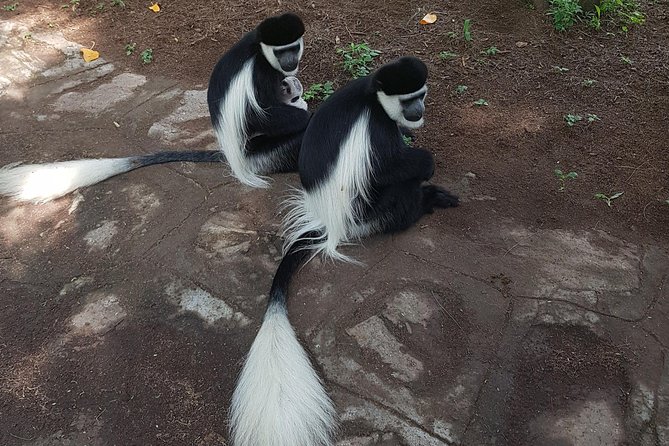
At Lake Ziway, you walk along the shore looking for lowland water birds. The list includes great white pelicans, marabou storks, African fish eagles, sacred ibises, and hammerkops. If conditions cooperate, you may also see families of hippos.
The stop lasts about an hour, so this is a good place to keep your eyes moving and your camera ready. Wildlife is never guaranteed, and bird sightings depend on timing and conditions. You may see plenty of activity, or you may mostly enjoy the water and surrounding views.
The tour description also refers to sailing on a lake in one account of the experience, but the listed schedule specifically describes walking by Lake Ziway. Confirm whether a boat ride is part of your booking if that matters to you. The listed admission for this stop is included, unlike several archaeological and park visits.
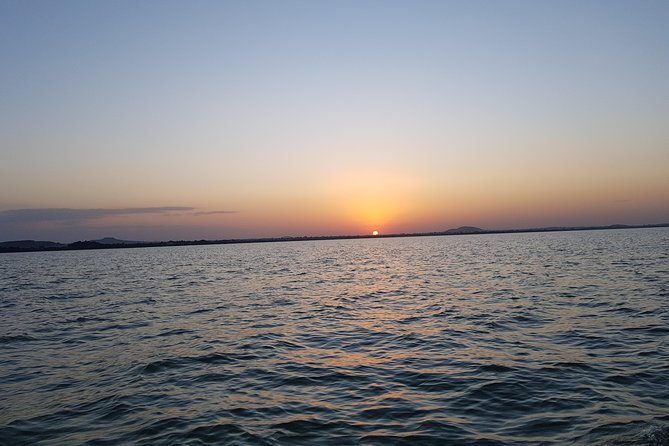
The drive onward toward Awassa adds a large amount of road time. If the weather is good, you may arrive in time for sunset over the lake. That timing depends on the day’s progress, traffic, and conditions, so treat the sunset as a pleasant possibility rather than a promise.
A different sort of day out, same part of Ethiopia:
- Full Day Tour of Addis Ababa with Hotel Pickup and Drop-off
★ 5.0 · 430 reviews - Taste of Ethiopia
★ 5.0 · 406 reviews - Day Trip From Addis Ababa See Historical Monastery,Stunning Nature,Animals,Birds
★ 5.0 · 303 reviews - Addis Ababa: Debre Libanos, Blue Nile Gorge, and Cave Tour
★ 4.5 · 256 reviews
Melka Kunture and the long human story
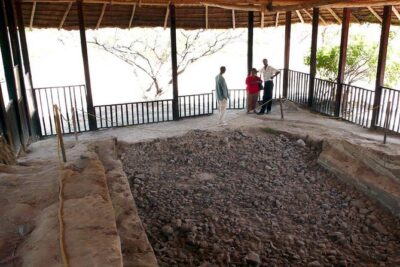
Melka Kunture changes the focus from wildlife to human origins. Set beside the Awash River, the archaeological site reaches back about 1.8 million years. At the museum, you see stone tools associated with Homo erectus, fossilized footprints, and an open-air butchery site dating to about 800,000 years ago.
The scheduled visit is around 40 minutes. That is short for a site covering such a vast span of time, but it gives you a clear taste of why the area matters. I like this stop because it makes the Rift Valley feel like more than a pretty corridor between Addis Ababa and the lakes.
Admission is not included. You may also find that the experience depends heavily on the onsite guide and the condition of the displays. Ask your main guide to help put the evidence into plain language if the archaeology feels technical.
The order and timing listed for this day place Melka Kunture after Lake Ziway, before the drive to Awassa. Since the route covers many kilometers, confirm the exact departure time and stop sequence when you arrange the tour.
Awassa fish market and Amora Gedel
Day two starts at Amora Gedel on the shore of Lake Awassa. This is a more immediate and lively stop than the formal archaeological sites. Locals come for breakfast featuring freshly caught tilapia, while birds gather around the fish remains.
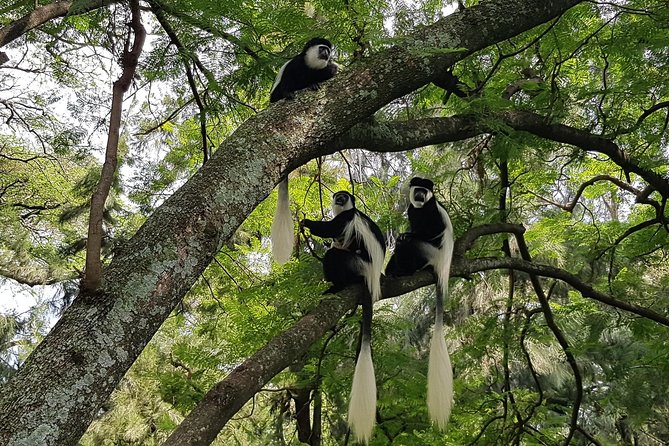
You have about two hours here, giving you more time than at most other stops. You can watch the market activity, look for water birds, and keep an eye out for the black-and-white colobus monkey, described as a rare sight in this setting.
The fish market may not suit everyone. It is a working place, not a polished attraction, and the sights and smells can be strong. That is also its value. If you want a direct look at local food and lakeside commerce, this is one of the most authentic parts of the trip.
Breakfast and other meals are not included in the tour price. If you want to eat the fresh tilapia, ask your guide how the meal works and what you will pay. The tour includes bottled water in the vehicle, but you should plan to buy additional drinks and meals as needed.
Abiyatta-Shalla: birds and open-country wildlife
From Awassa, the route heads north toward Abiyatta-Shalla National Park, with a stop in Shashemene along the way. The park visit lasts about three hours, including a walk of roughly 30 minutes.
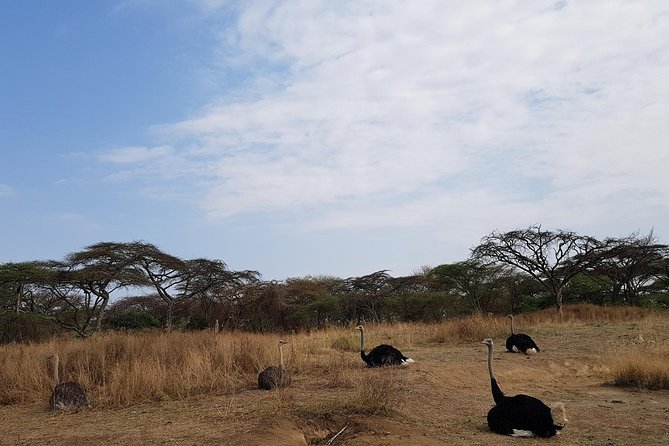
The wildlife list includes ostriches, gazelles, warthogs, and several lowland bird species. You may also continue farther to natural hot springs when conditions allow. The hot spring visit is listed as weather dependent and generally suited to the period from September through June. Local people use the waters in connection with healing skin diseases.
The park is not presented as a long safari with guaranteed animal sightings. You should think of it as a chance to see open-country wildlife and birdlife while passing through a notable Rift Valley setting. The walk is short, which helps keep the stop manageable, but it may disappoint you if you expect a full-day game drive.
Entrance fees are not included. The rainy season, from June to mid-September, can affect road conditions and outdoor comfort. The tour operates during that period, but you should bring suitable rain protection and expect that weather may change the plan.
Shashemene and the Rastafarian connection
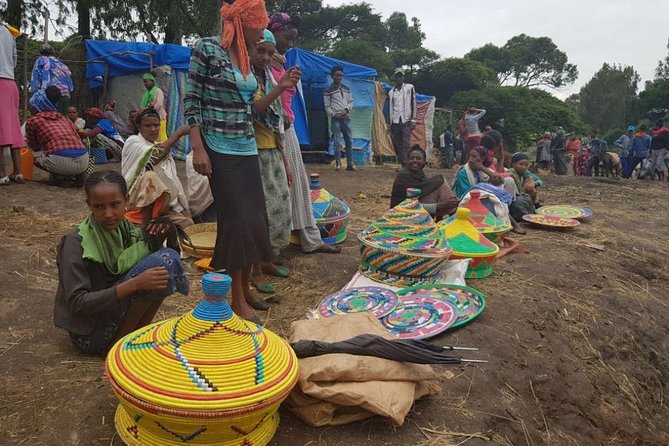
Shashemene adds a surprising cultural chapter. You spend about an hour learning about the Jamaican Rastafarian community and its links with Emperor Haile Selassie I.
This stop is valuable because it connects Ethiopia with a global religious and cultural movement. It also helps explain why Shashemene has significance far beyond the usual sightseeing route. Your English-speaking guide can provide background and help you understand the local context.
The visit is free according to the tour details. As with the village stop, keep the interaction respectful. You are entering a living community, not viewing a museum display. The quality of this hour will depend on the local access available that day and on how the guide frames the history.
Bishoftu and the coffee ceremony
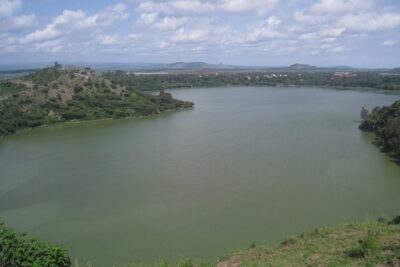
The final stop is Bishoftu, also known as Debre Ziet, where you pause at one of the crater lakes. The area is valued for its scenic beauty, and the stop gives you one last look at the volcanic lake country before returning to Addis Ababa.
The most personal part comes next: a visit to an Oromo village for a traditional Ethiopian coffee ceremony. Coffee is not treated as a quick cup here. The ceremony gives you time with a local family and a chance to see hospitality as an important part of Ethiopian culture.
You should not rush this stop. The ceremony is included, and the visit is free, so it offers strong value within the package. It also gives the journey a warmer ending than another roadside viewpoint would provide.
The listed time is about one hour, which may include both the crater lake and the coffee visit. Ask how the hour is divided so you know what to expect. If the coffee ceremony is your main reason for booking, tell the operator in advance.
Transport, guiding, and comfort on the road
For one or two people, the tour uses a comfortable insured Toyota Corolla with air conditioning and seat belts. Larger groups use a minivan with air conditioning and seat belts. The maximum group size is six, and the activity is private, so you do not share the vehicle with strangers.
That privacy is one of the package’s best features. You can ask for a short break, pause to buy fruit, or spend a little longer at a viewpoint when the schedule allows. One account of a family trip specifically praised the guide and driver for helping with fruit purchases and impromptu stops.
The vehicle includes bottled water and fuel costs. An English-speaking professional guide leads the tour, while onsite guides and park scouts assist at selected places. Guide quality clearly matters on this route, and names connected with positive experiences include Muluken, Teddy, and Biruk.
The road hours are the trade-off. A Corolla may be comfortable for one or two people, but space will feel tighter with luggage or a full group. If six people book together, ask about the minivan’s luggage capacity and seating arrangement before departure.
Is $845.39 good value for a private group?
The advertised price is $845.39 for up to six people, not per person. For a full group, that works out to about $141 per person before accommodation, meals, and admission fees. For two people, the per-person cost is much higher, but you are paying for a private guide, private vehicle, fuel, and a route that would be difficult to organize smoothly on your own.
The value is strongest for a small family or group that wants flexibility. You get two full days of transport, an English-speaking guide, water, local family visits, the coffee ceremony, onsite guides, and park scouts. You also avoid the limits of a fixed group departure.
The price is less attractive if you are a solo visitor on a tight budget. One solo account praised the smooth airport pickup and Teddy’s hospitality, but a private tour naturally costs more when one person carries the full group rate. You should compare the total price with a shared excursion or a shorter private tour.
Remember to add:
- Accommodation
- Breakfast, lunch, and dinner
- Entrance fees at Tiya, Melka Kunture, and Abiyatta-Shalla
- Any other expense not listed as included
The operator can help arrange accommodation if needed. Ask for the hotel cost before confirming so the final budget is clear.
Who should book this experience?
I would choose this tour if you have only two days and want several sides of Ethiopia in one trip. It suits people who enjoy archaeology, birdlife, local communities, and road journeys more than resort comfort.
It is also a good match for families and small groups. The private format lets you manage the pace, and the guides have been praised for making visitors feel safe and well looked after. If you arrive in Addis Ababa by air, ask about airport pickup, since Teddy was specifically praised for making that arrival smooth.
You may want a different plan if you need a slow schedule, guaranteed wildlife, or included meals and hotels. The route is busy, and the entrance fees add up. The rainy season from June to mid-September can also make outdoor stops less predictable.
Free cancellation is available when you cancel at least 24 hours before the experience starts. Changes or cancellations made inside that window are not accepted for a refund.
FAQ
Is this a private tour?
Yes. Only your group participates, with a maximum of six people.
What kind of vehicle is provided?
One or two people travel in an insured Toyota Corolla with air conditioning and seat belts. Larger groups use an air-conditioned minivan with seat belts.
Are meals and accommodation included?
No. Accommodation and meals are not included. The operator can help arrange lodging if you request it.
Are admission fees included?
No. Entrance fees for places of visit are excluded. Bottled water, fuel, guiding, onsite guides, park scouts, local family visits, and the coffee ceremony are included.
What happens during the coffee ceremony?
You visit an Oromo village and attend a traditional Ethiopian coffee ceremony with local people. The visit is listed as part of the Bishoftu stop.
Can I take the tour during the rainy season?
Yes, the tour runs from June to mid-September, which is the rainy season. You should prepare for wet weather. The natural hot spring extension at Abiyatta-Shalla is dependent on weather and is generally available from September through June.
Should you book the Rift Valley lakes tour?
Book it if you want a compact, private introduction to Ethiopia beyond Addis Ababa. The combination of Tiya, Melka Kunture, Lake Ziway, Lake Awassa, Abiyatta-Shalla, Shashemene, and the Oromo coffee ceremony gives you an unusually broad two-day program.
Before paying, confirm the exact route, ask whether Adadi Mariam and any boat ride are included, and get the full estimate for hotels, meals, and entrance fees. If you accept the long drives and busy schedule, this tour offers a practical way to see Ethiopia’s archaeology, wildlife, lakes, and living culture in a short window.
New on the Addis Ababa list
- Yod Abyssinia Cultural Night: Dinner, Music, and Dance★ 5.0 · 7 reviews
- Locally crafted beer and wine tasting and nightlife in Addis tour★ 5.0 · 6 reviews
- Addis Ababa City Tours Full-Day Tours★ 5.0 · 5 reviews
- Stunning Views Wonchi Crater Lake a Private Day Trip★ 5.0 · 3 reviews
- Visiting the wonders of Lalibela in Three (3) days and Two ( 2) nights★ 5.0 · 2 reviews
- Unique Ethiopian Cooking Class and Coffee Ceremony with a Local in Addis Ababa★ 4.5 · 7 reviews
- Tribes of the Ethiopian Omo Valley – 9 Day Tour★ 5.0 · 5 reviews
- Two days Lake Wenchi and Menagesha Forest★ 5.0 · 3 reviews
Rift Valley & Crater Lake Day Trips, compared.
Day Tours to Tiya Stele and Cave Churches of Adadi Maryam
Read our review →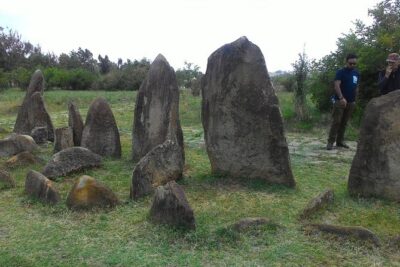
Day-Trip Church of Adadi Mariam from Addis Ababa
Read our review →
DAY TRIP TO THE UNESCO HERITAGE SITE TIYA & Melka Kunture
Read our review →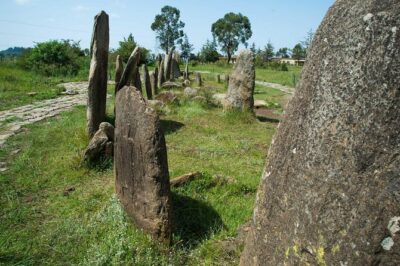
Day trip to Adadi Mariyam, Tiya and Melka kunture
Read our review →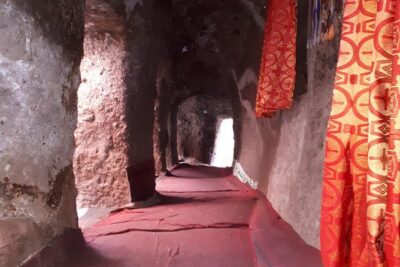
Excursion to Melka Kuntre, Tiya and Adadi Mariam
Read our review →Browse the lists this tour appears in