
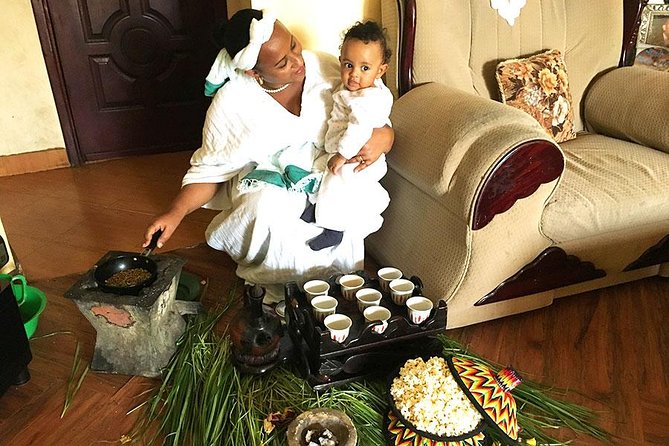
Reviewed · COFFEE & FOOD EXPERIENCES
Unique Ethiopian Cooking Class and Coffee Ceremony with a Local in Addis Ababa
Come hungry, leave with a new view of Addis Ababa. This three-hour experience takes you beyond restaurant dining and into the home of Daniel and Tigist, where you cook Ethiopian food, learn the tricky art of injera, and take part in a traditional coffee ceremony. I like the warm family setting and the chance to learn directly from Tigist in her own kitchen. I also like that you can choose lunch or dinner and request a vegetarian menu.
The main consideration is the price, $116 per person, especially since hotel pickup and drop-off are not included. Communication about the meeting point may also require care. One booking had a change from Japan Market to Asko Bus Station, a long trip across the city, so confirm the exact location before setting out.
In This Review
- Key Points About This Addis Ababa Food Experience
- Entering Daniel and Tigist’s Home Outside Central Addis Ababa
- A Market Stop May Add Useful Local Context
- Learning to Pour and Cook Injera
- Shiro, Tibs, and the Meal You Help Prepare
- Roasting Coffee the Ethiopian Way
- Lunch or Dinner, With the Family Setting Changing
- Getting There and Confirming the Meeting Point
- What the Private Format Means for You
- Who Will Get the Most From This Experience
- Booking Details, Dietary Needs, and Cancellation
- Should You Book This Addis Ababa Cooking Class?
- FAQ
- How long does the cooking and coffee experience last?
- Where does the experience take place?
- Is hotel pickup and drop-off included?
- What dishes might I learn to prepare?
- Is a vegetarian menu available?
- Can I request another dish?
- Can I choose lunch or dinner?
- How far in advance can I cancel for a full refund?
Key Points About This Addis Ababa Food Experience
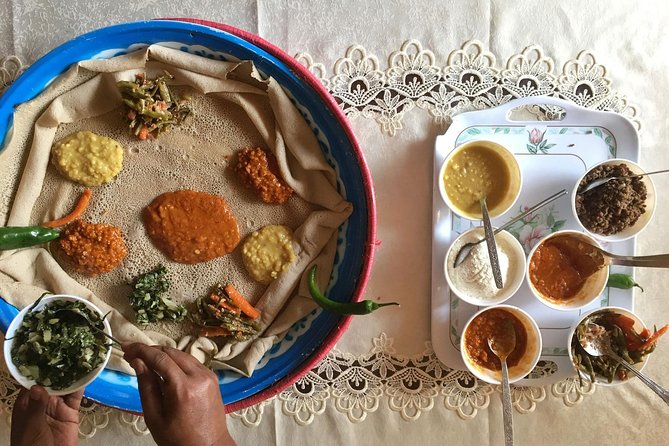
- You cook in a real Ethiopian home kitchen, not a formal culinary school or restaurant classroom.
- Injera takes center stage, with Tigist showing you how to pour and cook this fermented flatbread.
- The menu may include shiro or tibs, with the final dishes shaped by the season and your preferences.
- Coffee begins with raw beans, which you roast before taking part in the full ceremony.
- Daniel and Tigist host privately, so only your own group participates.
- The setting is outside central Addis Ababa, in a calmer, greener neighborhood that sees fewer tourists.
Entering Daniel and Tigist’s Home Outside Central Addis Ababa
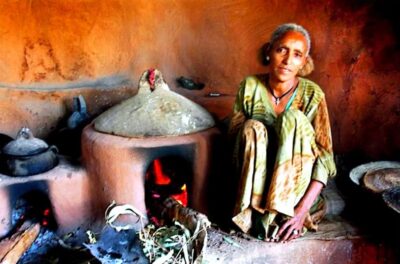
The experience takes place in the home of Daniel and Tigist, in an outlying neighborhood of Addis Ababa. It is described as calmer and greener than the city center, with fewer tourists passing through. That change of setting matters. You are not simply being shown a prepared menu. You are stepping into the hosts’ daily world.
Their home is comfortable, clean, and homey, with photographs of their three boys. If you book an evening or weekend session, you may meet the children. That family element gives the visit a personal feel, though it also means you should think of this as a home visit rather than a polished commercial production.
Daniel and Tigist’s family life is part of what makes the experience appealing. You have a chance to talk about everyday life in Ethiopia while cooking and eating together. The setting may suit you especially well if you want conversation and cultural exchange, not just a recipe lesson.
The activity is private, so only your group participates. That gives you room to ask questions and request a vegetarian menu or other cooking preferences. It also means the cost is easier to justify for a small group that values personal attention.
Coffee ceremonies and Ethiopian cooking in Addis Ababa:
- Ethiopian Culinary Tour – Market, Food, Coffee Ceremony & more
★ 5.0 · 65 reviews - Market Tour and Cooking Class with a Coffee Ceremony at a Home in Addis Ababa
★ 5.0 · 32 reviews - Vintage Coffee Shops, Restaurants, Sightseeing in Addis Ababa
★ 5.0 · 17 reviews
A Market Stop May Add Useful Local Context
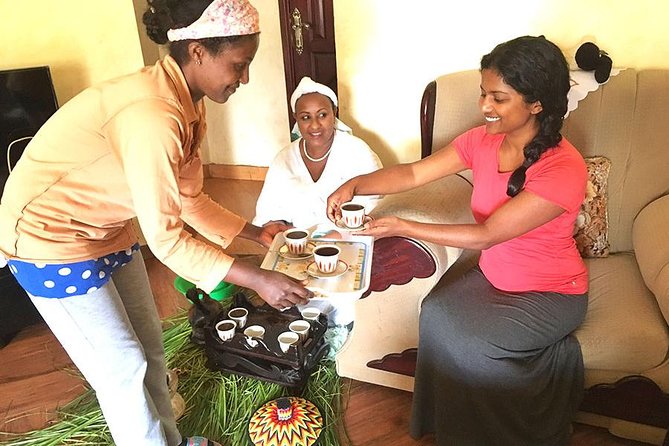
Some arrangements include a visit to a local market with Daniel before the cooking begins. He can discuss herbs and spices while buying ingredients for the meal. This is a useful way to understand the food before you start preparing it at home.
The market stop is not described as a separate guaranteed part of every booking, so confirm it when you arrange the experience. If it is included, allow extra time. One past booking involved a meeting point change and a lengthy trip to Asko Bus Station, so do not rely only on an old schedule or assume the most convenient central location.
For me, the market element is valuable because Ethiopian cooking depends heavily on ingredients that may be unfamiliar to you. Seeing the spices and produce before they reach the kitchen can make the later lesson easier to follow. You get a clearer sense of what goes into the food rather than meeting each ingredient only after it has been cooked.
Learning to Pour and Cook Injera
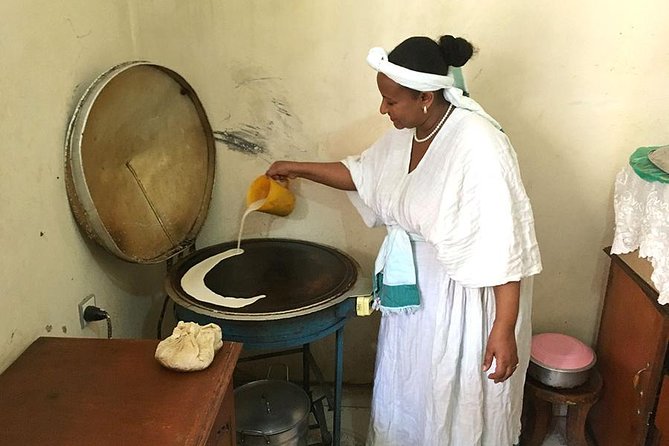
The main lesson focuses on injera, the large fermented flatbread used with many Ethiopian meals. It is not just a side dish. Injera acts as plate, utensil, and part of nearly every bite, so learning how it is made gives you a useful key to Ethiopian dining.
Tigist shows you how to pour the batter and cook the injera properly. The technique can look simple until you try to create an even round flatbread. This is likely to be the most hands-on part of the class, and you should expect a practical lesson rather than a quick demonstration followed by lunch.
The menu changes with the season. You might prepare shiro, a stew made with chickpea or broad bean flour, or tibs, stir-fried meat with vegetables and spices. If you have a strong preference, include it in the booking notes. You can also request an additional dish, but that will extend the cooking time beyond the approximate three-hour schedule.
The vegetarian option is important to mention in advance. Shiro can fit well into a meat-free meal, but the exact menu depends on the season and the host’s available ingredients. People with allergies or other dietary restrictions should provide those details when booking, not wait until they arrive.
Shiro, Tibs, and the Meal You Help Prepare
The cooking class lasts about two hours before the coffee portion, although the complete experience is listed at approximately three hours. During the lesson, you take part in preparing the food rather than simply watching Tigist work.
Shiro offers a good introduction to the flavor of Ethiopian home cooking. It is a stew with a smooth texture and a strong spice profile, made from chickpea or broad bean flour. Tibs gives you a different experience, with meat stir-fried alongside vegetables and spices.
The meal is included, along with beverages, taxes, handling charges, and gratuities. That makes the price easier to assess because you are not adding a separate restaurant bill or tip at the end. Still, $116 per person is a substantial amount in Addis Ababa, especially for a three-hour activity without transport.
I would judge the price by the kind of afternoon or evening you want. If you only want to eat Ethiopian food, a local restaurant will cost less. If you want private access to a family home, hands-on instruction, a meal, and a coffee ceremony, the value is stronger. The appeal is the personal setting, not simply the quantity of food.
A different sort of day out, same part of Ethiopia:
- Full Day Tour of Addis Ababa with Hotel Pickup and Drop-off
★ 5.0 · 430 reviews - Taste of Ethiopia
★ 5.0 · 406 reviews - Day Trip From Addis Ababa See Historical Monastery,Stunning Nature,Animals,Birds
★ 5.0 · 303 reviews - Addis Ababa: Debre Libanos, Blue Nile Gorge, and Cave Tour
★ 4.5 · 256 reviews
Roasting Coffee the Ethiopian Way
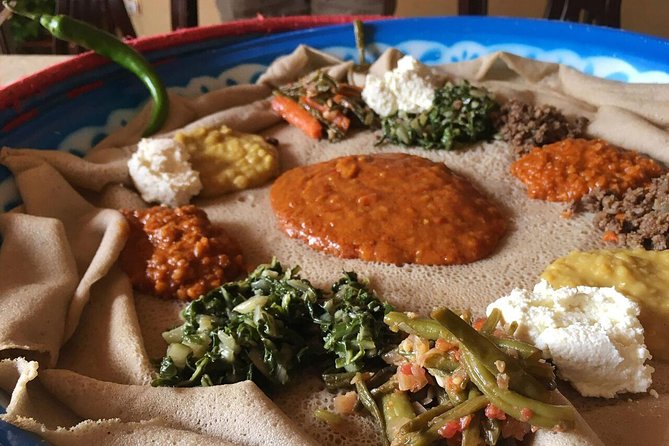
Coffee is treated as a social occasion in Ethiopia, and this experience gives you a practical introduction to that tradition. You learn to roast the beans yourself, starting with raw coffee beans rather than using coffee that has already been prepared.
The roasting process adds another sensory part to the class. You see how the beans change before they are used for the drink. After cooking and eating, the coffee ceremony provides a slower ending to the experience, with freshly roasted beans prepared in the home.
This is one of the strongest reasons to choose the class over a standard cooking lesson. Food preparation and coffee are presented together, as parts of Ethiopian daily culture rather than separate attractions. If you care about food traditions, this final stage gives the visit a satisfying rhythm: ingredients, cooking, eating, then coffee.
Keep in mind that the activity description does not promise a fixed ceremony script or a set number of coffee servings. The safe expectation is that you will roast coffee and take part in the traditional ceremony hosted by Daniel and Tigist.
Lunch or Dinner, With the Family Setting Changing
You can choose a lunch or dinner session. Lunch may work better if you have a full evening schedule, while dinner gives you a better chance of meeting the hosts’ children. Evening or weekend visits are the times specifically noted for possible family interaction.
The timing can change the feel of the visit. A daytime class may be more practical if you want to return to central Addis Ababa before dark or have other plans. An evening class may feel more like being welcomed into a family’s home at the end of the day.
Because the cooking time can stretch if you add another dish, do not schedule a tight appointment immediately afterward. The listed duration is approximately three hours, and a market stop or extra recipe may add time.
Getting There and Confirming the Meeting Point
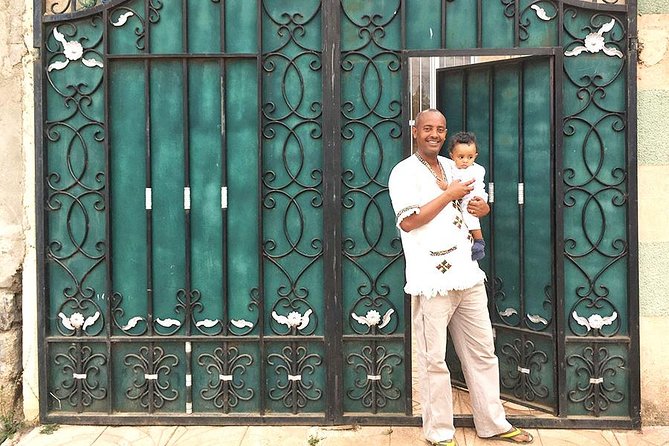
Hotel pickup and drop-off are not included. The listed start and end point is on an unnamed road in Addis Ababa, and the activity ends back at the meeting point. The experience is near public transportation, but the exact route depends on the confirmed address.
This is the practical weakness to take seriously. The home is outside the central tourist area, and a previous arrangement involved a meeting point change to Asko Bus Station. That location was described as taking about an hour to reach. Confirm the address, landmark, and meeting time directly before the day of the class.
The meeting point is not a minor detail here. Since the class takes place in a private home, you need clear directions to reach the correct neighborhood. Build in extra time, especially if you are unfamiliar with Addis Ababa or are traveling during busy road conditions.
The activity is offered with a mobile ticket, and confirmation is sent within 48 hours of booking, subject to availability. I would wait for that confirmation before making fixed transport plans.
What the Private Format Means for You
Only your group takes part, making this a good choice for couples, families, or friends who want a quieter experience. A private format also helps if one person needs vegetarian food or has an allergy, since the menu can be discussed before the visit.
Families may appreciate the relaxed home setting, particularly if the children are present. The experience is not described as a children’s cooking program, so younger participants should be comfortable with a roughly two-hour kitchen lesson and a full meal.
The private format also puts more weight on the hosts. This is not a standardized class with a printed schedule and identical dishes every day. The menu changes with the season, the exact dishes depend on your request, and the visit is shaped by the family’s home environment.
That personal quality is the point, but it may not suit someone who wants a highly structured cooking school. You should book this for contact with local hosts, not for restaurant-style polish.
Who Will Get the Most From This Experience
I would recommend the class to you if food is one of your main ways of understanding a place. You will learn about injera, shiro, tibs, Ethiopian spices, and coffee preparation in one visit.
It also suits people who prefer small-scale experiences. The private format gives you more space to ask about recipes, family life, and local customs. Daniel and Tigist are presented as warm hosts, and Tigist leads the cooking while Daniel helps with the home visit and, in some arrangements, the market trip.
This may not be the best choice if you have only a short stop in Addis Ababa and cannot spare time for transport to the outskirts. It is also less suitable if you want a cheap meal or a formal professional class. The cost pays for access to a home and the time spent with the family.
The experience has a rating of 4.7 from seven published ratings, which suggests a strong overall response, though the small number means you should still read the practical details carefully. The clearest praise centers on the family welcome, the food, the coffee, and the sense of local life. The main warning concerns communication and the meeting point.
Booking Details, Dietary Needs, and Cancellation
Tell the provider about allergies, dietary restrictions, and cooking preferences at the time of booking. A vegetarian option is available, but it should be requested in advance. Service animals are allowed.
You can cancel for a full refund up to two full days before the experience starts. Cancellations or changes made less than two full days before the start time are not accepted for a refund, and the cut-off follows local Addis Ababa time.
The experience is provided by Traveling Spoon. Group discounts may be available, and the listed price is $116 per person. Since hotel transportation is not included, add the cost and time of reaching the meeting point when judging the total value.
Should You Book This Addis Ababa Cooking Class?
Book it if you want a private visit with a local family, hands-on practice with injera, a home-cooked Ethiopian meal, and freshly roasted coffee. The combination is unusual, and the chance to meet Daniel, Tigist, and possibly their children gives the experience a human scale that a restaurant cannot match.
Think twice if your schedule is tight, you dislike uncertain meeting arrangements, or the price feels high for a three-hour activity. Confirm the address, ask about the market visit, state your dietary needs, and request your preferred dish before you go.
For food-focused visitors, I think the personal setting makes this a worthwhile Addis Ababa experience. You are paying less for a polished class than for time inside an Ethiopian home. That is precisely its strength, and also the reason to arrive with flexible expectations.
FAQ
How long does the cooking and coffee experience last?
The activity lasts approximately three hours. The cooking lesson takes about two hours, followed by the coffee ceremony.
Where does the experience take place?
It takes place in Daniel and Tigist’s home kitchen in an outlying neighborhood of Addis Ababa. The start and end point is listed on an unnamed road in Addis Ababa.
Is hotel pickup and drop-off included?
No. Hotel pickup and drop-off are not included. You must make your own way to the meeting point.
What dishes might I learn to prepare?
The menu may include injera and either shiro, a chickpea or broad bean stew, or tibs, stir-fried meat with vegetables and spices. The menu can vary by season.
Is a vegetarian menu available?
Yes. A vegetarian option is available, but you should request it when booking.
Can I request another dish?
Yes. You can ask about an additional dish in the notes section of your booking. Adding another dish will extend the cooking time.
Can I choose lunch or dinner?
Yes. The experience offers a choice of lunch or dinner to fit your schedule.
How far in advance can I cancel for a full refund?
You must cancel at least two full days before the experience start time for a full refund. Cancellations or changes made less than two full days in advance are not refunded.
New on the Addis Ababa list
- Yod Abyssinia Cultural Night: Dinner, Music, and Dance★ 5.0 · 7 reviews
- Locally crafted beer and wine tasting and nightlife in Addis tour★ 5.0 · 6 reviews
- Addis Ababa City Tours Full-Day Tours★ 5.0 · 5 reviews
- Stunning Views Wonchi Crater Lake a Private Day Trip★ 5.0 · 3 reviews
- Visiting the wonders of Lalibela in Three (3) days and Two ( 2) nights★ 5.0 · 2 reviews
- Tribes of the Ethiopian Omo Valley – 9 Day Tour★ 5.0 · 5 reviews
- Two days Lake Wenchi and Menagesha Forest★ 5.0 · 3 reviews
- A day trip to Wench crater Lake★ 5.0 · 4 reviews
Coffee & Food Experiences, compared.
Ethiopian Culinary Tour – Market, Food, Coffee Ceremony & more
Read our review →
Market Tour and Cooking Class with a Coffee Ceremony at a Home in Addis Ababa
Read our review →
Vintage Coffee Shops, Restaurants, Sightseeing in Addis Ababa
Read our review →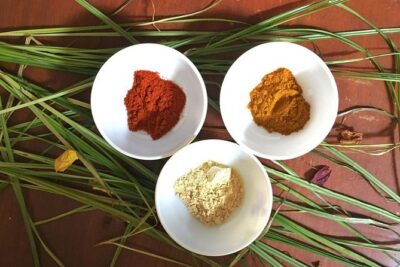
Ethiopian Cooking Class and Coffee Ceremony with a Local in Addis with transfers
Read our review →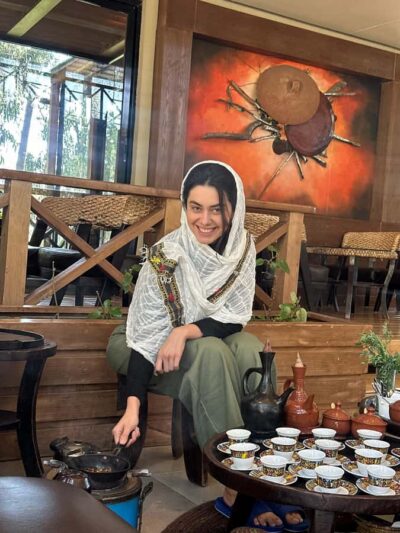
Ethiopia coffee cupping class/Ethiopian food injera making
Read our review →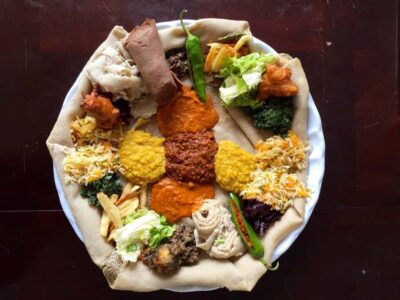
Ethiopian Culinary Tour – Market, Coffee Ceremony and More
Read our review →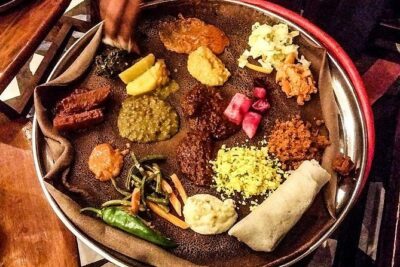
Browse the lists this tour appears in