
Reviewed · COFFEE & FOOD EXPERIENCES
Ethiopia coffee cupping class/Ethiopian food injera making
Coffee tells Ethiopia’s story. This four-hour Addis Ababa experience pairs a guided coffee cupping with hands-on injera making, giving you a tasty way to understand two central parts of daily life. I like the clear cultural focus, and I especially like that you do more than watch: you taste, mix, bake, and eat. Guides such as Aelaf, Joe, Mike, and Jonas have also been praised for their care, punctuality, and easy conversation. The main caution is that the cooking portion may feel short, and the exact balance between driving, tasting, and hands-on work can change.
The price is $94 per person, which is not cheap for a half-day activity in Addis Ababa. Still, the fee covers pickup, a private group, an English-speaking guide, coffee tasting, ingredients, equipment, lunch, and a traditional ceremony. I see the strongest value in the personal guiding and the chance to connect food with Ethiopian culture, not simply in the amount of food served.
What you get: coffee cupping, injera instruction, local dishes, and a coffee ceremony. What to expect: a friendly, practical outing that may include extra cultural stops if your guide has time and your plans allow it.
In This Review
- Key Points at a Glance
- Why Coffee and Injera Belong Together
- The Coffee Cupping Session in Addis Ababa
- Making Injera on a Traditional Mitad
- Shiro, Misir Wot, and Your Shared Meal
- The Coffee Ceremony at the End
- Pickup, Driving, and Possible Addis Add-ons
- The Guides Make the Difference
- Is $94 a Fair Price?
- Who Should Book This Experience?
- Final Verdict: A Tasty Way to Meet Addis Ababa
- FAQ
- How long does the Ethiopia coffee and injera experience last?
- How much does the experience cost?
- Is pickup included?
- Is the experience private?
- What language does the guide speak?
- What happens during the coffee cupping?
- What happens during the injera class?
- Is lunch included?
- Is the coffee ceremony included?
- Can children join the experience?
- Can I cancel for a refund?
- Do I have to pay when I book?
Key Points at a Glance
- Coffee goes beyond drinking: You learn to compare aromas, flavors, growing regions, roast levels, and brewing methods in a guided cupping session.
- The mitad is the heart of the cooking class: You mix, ferment, and bake injera using a traditional cooking tool, then practice the tricky flip.
- The meal makes the lesson useful: Your handmade bread is served with dishes such as shiro and misir wot.
- Private guiding adds flexibility: Guides have adjusted plans, explained city life during drives, and added stops such as Entoto National Park, Menelik Palace, or a honey shop.
- The human touch is a major strength: Past guides including Aelaf, Joe, Mike, Jonas, and Alef have been praised for care, clear English, and thoughtful planning.
- Plan for a half-day, not only 75 minutes: The listed coffee and cooking segments are brief, while transport, eating, and cultural time fill out the four-hour experience.
Why Coffee and Injera Belong Together
Ethiopian coffee and injera are not random cooking-class subjects. They are daily customs with a strong social side.
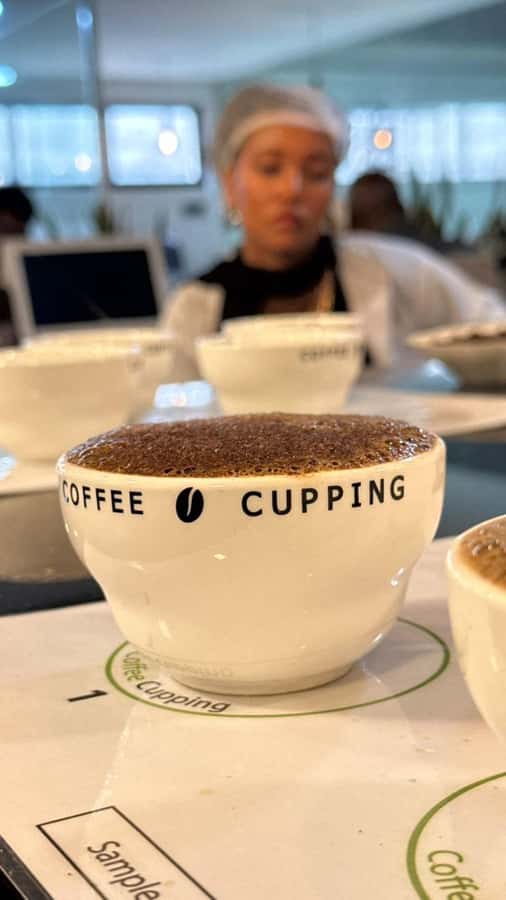
Coffee is presented as something to taste and discuss, not just a quick caffeine stop. In the cupping session, a local coffee expert introduces aromas, tasting notes, growing areas, roast levels, and brewing methods. That gives you a framework for understanding why Ethiopian coffee can taste different from cup to cup.
Injera brings the meal into the picture. This sourdough-risen flatbread is used with local dishes, and learning to make it shows you the work behind the soft, slightly tangy bread found on Ethiopian tables. You mix the batter, work through the fermentation process, and bake it on a mitad, the traditional cooking surface.
I like the pairing because it lets you use your senses in two different ways. Coffee asks you to notice small changes in aroma and flavor. Injera asks you to handle a living batter and judge the cooking process by sight and touch. The result is more memorable than a standard meal at a restaurant.
Coffee ceremonies and Ethiopian cooking in Addis Ababa:
- Ethiopian Culinary Tour – Market, Food, Coffee Ceremony & more
★ 5.0 · 65 reviews - Market Tour and Cooking Class with a Coffee Ceremony at a Home in Addis Ababa
★ 5.0 · 32 reviews - Vintage Coffee Shops, Restaurants, Sightseeing in Addis Ababa
★ 5.0 · 17 reviews
The Coffee Cupping Session in Addis Ababa
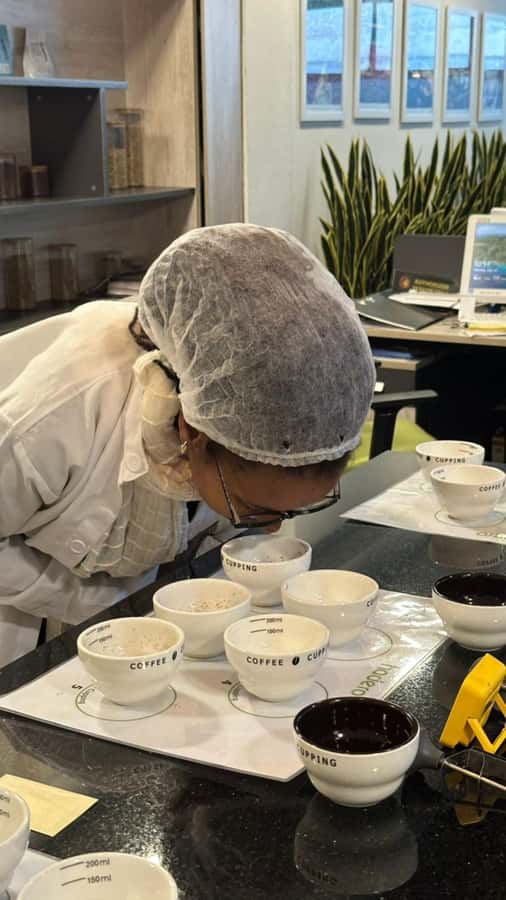
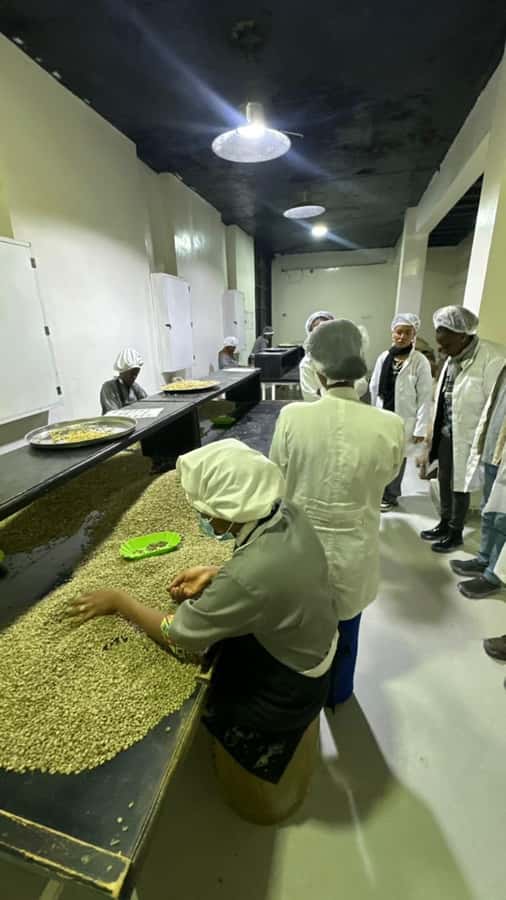
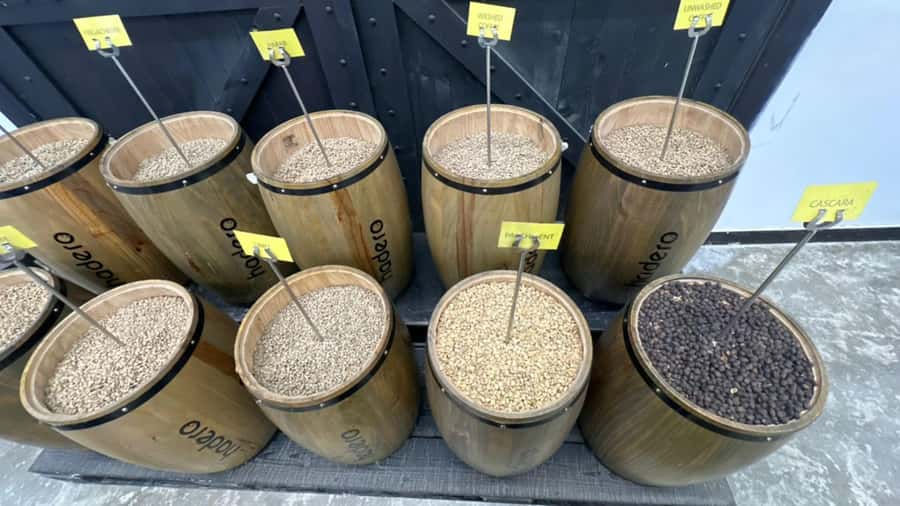
The coffee portion is listed as about 45 minutes. A local specialist guides you through several varieties and explains how coffee moves from cultivation and processing to roasting, quality control, and tasting.
You will not just be handed a cup and told that it is good. The point is comparison. You learn to look for aromas and identify tasting notes, then consider how growing region and roast level affect the result. If you already enjoy specialty coffee, this is the part most likely to reward your attention.
One particularly useful account of the experience describes a visit to the Hadero Coffee building, where the guide explained cultivation, processing, quality control, cupping, and tasting. Another guide took a visitor to Hadero and introduced the manager, who led the coffee lesson. Since the exact coffee venue may depend on the day, ask your guide where the session will take place when pickup is arranged.
The coffee lesson also works well for beginners. You do not need to know coffee vocabulary before you arrive. Your guide and coffee expert can give you the basic terms, then help you taste with more purpose.
There is one practical limit: 45 minutes passes quickly. You should expect a focused introduction rather than a full barista course. You will learn how to taste and compare coffee, but the supplied details do not promise espresso-making, latte art, or a long roasting workshop.
Making Injera on a Traditional Mitad
The injera class is listed as about 30 minutes, so set your expectations sensibly. This is a hands-on introduction, not a multi-day fermentation course.
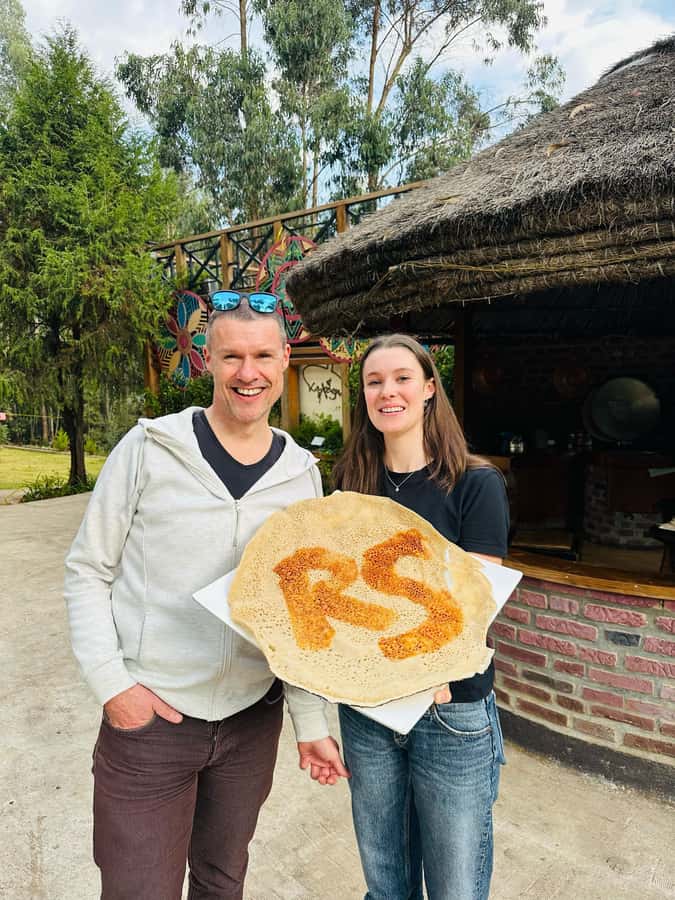
You begin by mixing the ingredients and learning how the batter is fermented. The instructor then shows you how to pour and bake it on a mitad. The most entertaining part may be the flip, since getting a thin, even piece off the cooking surface takes practice.
The class is valuable even if your finished injera is not perfect. You see why the bread has its distinctive texture and sour note, and you get a better sense of the skill needed to prepare it. The traditional tools also give the lesson a stronger connection to home cooking than a modern kitchen demonstration would.
One past outing included the class at Entoto National Park, with the guide translating the steps and helping the visitor follow the process. That setting may not be part of every departure, so treat it as a possible variation rather than a guaranteed stop.
A short class can be a drawback for anyone hoping to master the entire process. Fermentation itself takes time, yet the activity only allows a brief lesson. You should see this as a practical sample of injera making, followed by a meal, rather than a complete technical course.
Shiro, Misir Wot, and Your Shared Meal
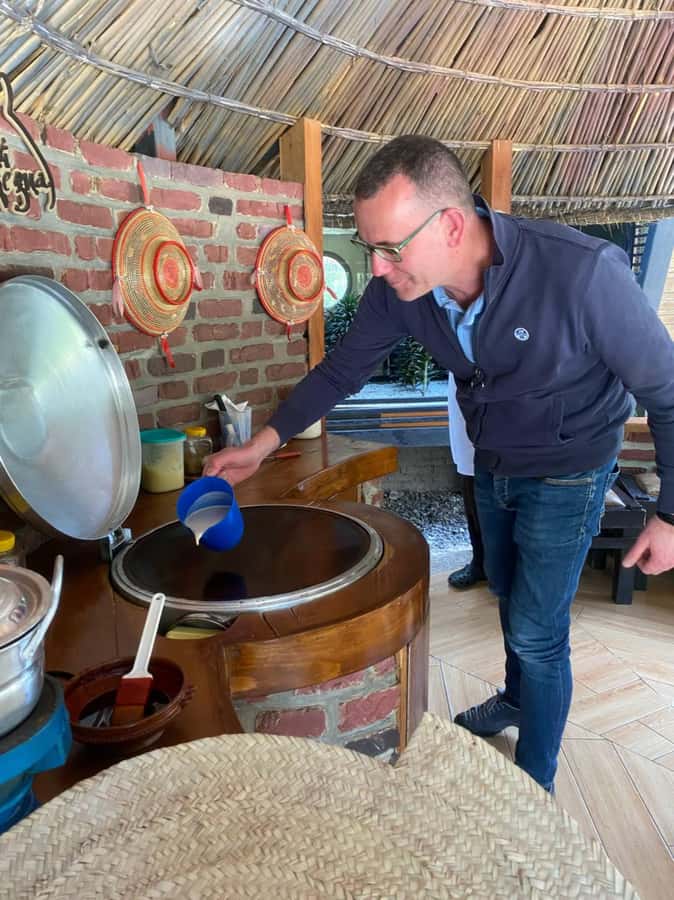
After baking, you eat the injera with local dishes including shiro and misir wot, along with other Ethiopian sides. The bread is not treated as a souvenir or demonstration piece. It becomes part of lunch.
That matters because Ethiopian food is often understood best at the table. You can see how the bread works with sauces and stews, and you can ask your guide about the ingredients and spices used in the dishes. All ingredients and cooking equipment are included, so you do not need to shop or bring supplies.
The meal is also communal in spirit. The description promises a relaxed shared setting, and several guides have been praised for creating an easy, personal atmosphere. Mike, for example, has been described as caring and passionate about his country. Joe has been praised for being kind and attentive, while Aelaf has been noted for making sure visitors did not miss important parts of the day.
You should tell the provider about dietary needs before the pickup is finalized. The supplied information does not state that vegetarian, vegan, gluten-free, or allergy-specific menus are available, so do not assume substitutions.
More eating and drinking in Addis Ababa:
- Hidden Treasures of Addis Ababa – Food, Culture and History Tour
★ 5.0 · 57 reviews - Addis Ababa City Tours With Cocking Class of Ethiopian Food
★ 5.0 · 20 reviews - Local Ethiopian Food Tour
★ 4.0 · 7 reviews - city tour of Addis Ababa ( history ,culture , food and more)
★ 5.0 · 7 reviews
The Coffee Ceremony at the End
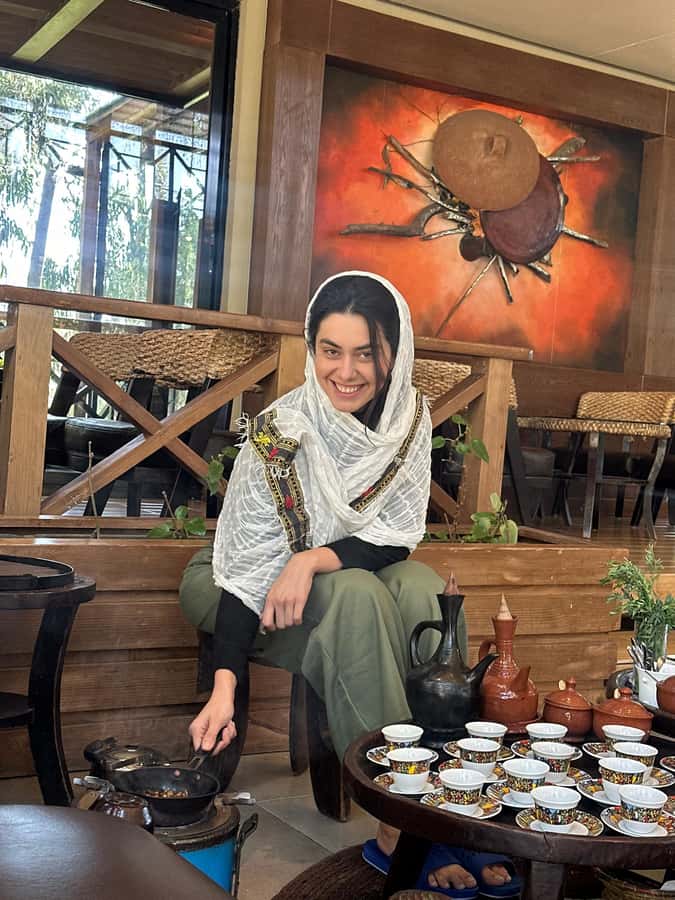
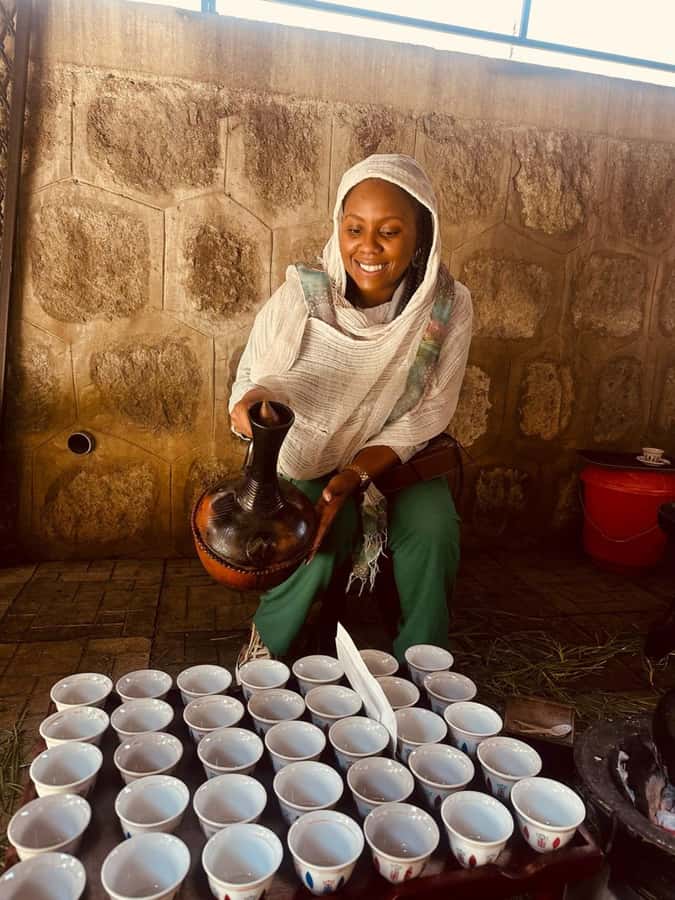
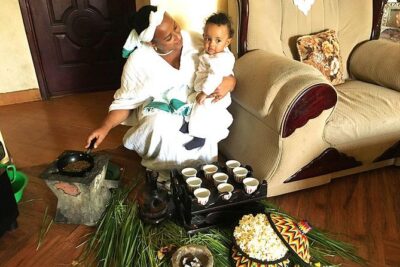
The traditional coffee ceremony closes the food experience. This is a chance to slow down after the tasting and cooking, enjoy another cup, and talk with your guide or local hosts.
The ceremony gives the day a social finish. It is not simply an extra beverage added to the package. It helps explain why coffee has such an important place in Ethiopian life, where preparing and sharing coffee can be a moment of welcome and conversation.
I would save your questions for this part. Ask about coffee at home, the growing regions discussed earlier, or the role of food in daily routines. A good guide can connect the technical lesson to ordinary life, which is where this experience has its greatest strength.
Bottled water is included. Personal purchases, souvenirs, and extra food or drinks are not covered, so bring some spending money if you want to buy something beyond the planned meal.
Pickup, Driving, and Possible Addis Add-ons
Pickup and return are included in Addis Ababa. The provider plans to contact you the day before to arrange the details, so keep your phone available and confirm the pickup point clearly.
The private-group format is a real advantage. You are not tied to a large group’s pace, and guides have adjusted plans to suit individual interests. Joshua’s outing included city explanations during the drive, a trip toward Entoto Hill, the injera class, and additional visits to Menelik Palace and its church museum. Lea and Pascal also visited Entoto Park and a honey shop after the food lesson.
These extra stops are not guaranteed parts of the advertised experience. They show, however, how the day can become more than a cooking class when time, traffic, and guide availability allow. If you have a short list of places in Addis Ababa, share it before departure. A guide may be able to help, but you should not book this tour solely for an unlisted attraction.
The driving time also affects the feel of the day. Addis Ababa traffic can shape a four-hour schedule, and the listed 45-minute coffee session plus 30-minute cooking session does not account for every part of the outing. Transport, lunch, the ceremony, and any added sightseeing fill out the remaining time.
The Guides Make the Difference
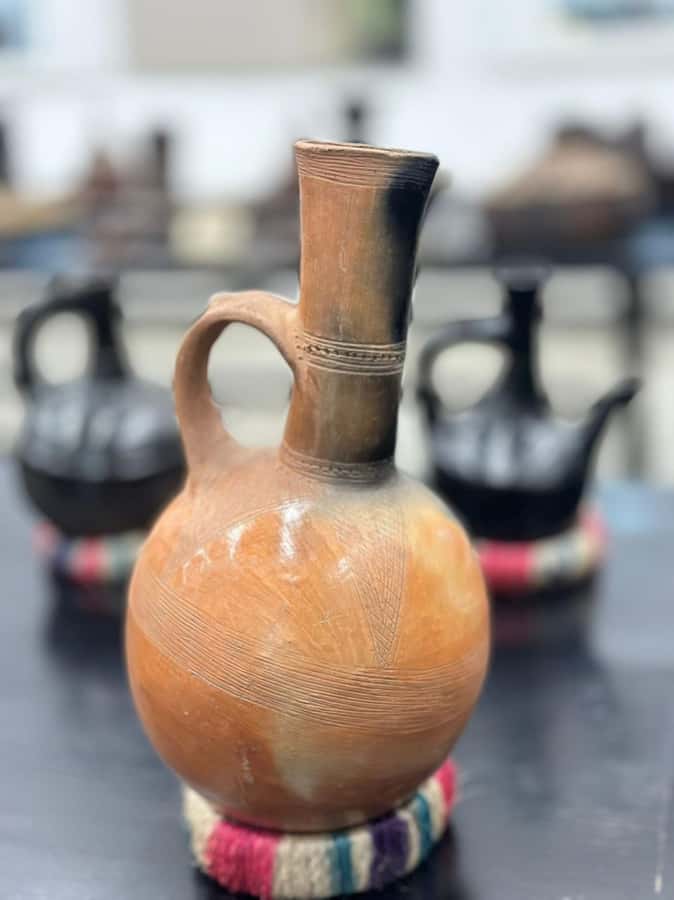
The most consistent strength is the guiding. The names attached to past outings include Joe, Mike, Aelaf, Jonas, Ale, and Aelaf’s alternate spelling, Alef. The provider may assign someone else, but the pattern is clear: expect a local host who does more than point out the next activity.
Jonas was praised for arriving on time, speaking excellent English, and creating a relaxed conversation. Joshua found Aelaf safe and flexible, with useful explanations about city life, culture, and religion during the drive. Mike was praised for storytelling and for making changes when plans shifted.
That personal element helps if you are new to Addis Ababa. You can ask simple questions without feeling you need prior knowledge, and you get local context while moving between stops. I would use the car time well by asking about neighborhoods, coffee production, food customs, and places you plan to visit later.
Guide quality can never be fully guaranteed in advance, and names may change. Still, the 5 out of 5 rating from 10 ratings points to a strong record, especially for punctuality, kindness, communication, and care.
Is $94 a Fair Price?
At $94 per person, the experience costs more than a basic cooking class or a simple coffee tasting. The value comes from the combined package: private pickup, an English-speaking guide, a coffee specialist, cooking instruction, lunch, drinks, equipment, ingredients, a coffee ceremony, and cultural conversation.
I think the price makes sense for a first visit to Addis Ababa when you want one organized half-day that covers food, coffee, and local context. It is also easier to justify if you value private transport and the chance to adjust the day.
It is less attractive if you only want to learn a recipe or drink excellent coffee. The coffee session is fairly short, and the injera class is also brief. A visitor focused on technical cooking instruction may prefer a longer class, while someone interested mainly in sightseeing may find the food portions take time away from major city sights.
The reserve-now, pay-later option keeps your plans flexible, and cancellation is free up to 24 hours before the activity for a full refund. Those terms are useful when your Addis Ababa schedule is still changing.
Who Should Book This Experience?
I would recommend it most strongly to coffee lovers, food-focused visitors, and anyone who wants a personal introduction to Ethiopian culture. It suits solo visitors particularly well because the private guide gives you company, transport, and someone to answer questions throughout the morning or afternoon.
It also works for couples or small private groups who want to set the pace. The indoor and outdoor kitchen setting adds flexibility, though the exact setting should be confirmed with the provider.
This is not suitable for children under 15. It is also not suitable for people with altitude sickness, so take that restriction seriously before booking.
You should choose another activity if you want a long, highly technical cooking course, a formal coffee certification, or a fixed sightseeing tour centered on major monuments. This experience is strongest when you treat it as a cultural food lesson with helpful local guiding.
Final Verdict: A Tasty Way to Meet Addis Ababa
I would book this tour if I had four hours in Addis Ababa and wanted more than a restaurant meal. The coffee cupping gives you a useful way to understand Ethiopia’s coffee, while the injera class puts you directly into the cooking process. Lunch and the coffee ceremony then bring the two lessons together.
The best reason to choose it is the guide. Reports of careful pickup, clear English, safe driving, flexible planning, and warm storytelling appear again and again. Ask about the exact coffee venue, the cooking location, timing, and any dietary needs before the day begins. If you accept that the two formal lessons are short, the $94 price buys a friendly, well-rounded introduction to Ethiopia’s food and coffee culture.
FAQ
How long does the Ethiopia coffee and injera experience last?
The experience lasts four hours, including pickup and return in Addis Ababa, the coffee session, cooking class, meal, ceremony, and travel between locations.
How much does the experience cost?
The price is $94 per person.
Is pickup included?
Yes. Pickup and return are included in Addis Ababa. The provider contacts you the day before to organize the pickup details.
Is the experience private?
Yes. It is offered for a private group.
What language does the guide speak?
The live guide speaks English, and English is the listed language for the experience.
What happens during the coffee cupping?
You taste Ethiopian coffee varieties with a local coffee expert and learn about aromas, flavors, growing regions, roast levels, brewing methods, and tasting notes.
What happens during the injera class?
You receive hands-on instruction in mixing, fermenting, and baking injera on a traditional mitad. You also learn how to flip the bread.
Is lunch included?
Yes. Traditional Ethiopian lunch is included, with your handmade injera and local dishes such as shiro and misir wot.
Is the coffee ceremony included?
Yes. A traditional Ethiopian coffee ceremony is included at the end of the session.
Can children join the experience?
No. The activity is not suitable for children under 15 years old.
Can I cancel for a refund?
Yes. You can cancel up to 24 hours in advance for a full refund.
Do I have to pay when I book?
No. The reserve-now, pay-later option lets you book without paying immediately.
New on the Addis Ababa list
- Yod Abyssinia Cultural Night: Dinner, Music, and Dance★ 5.0 · 7 reviews
- Locally crafted beer and wine tasting and nightlife in Addis tour★ 5.0 · 6 reviews
- Addis Ababa City Tours Full-Day Tours★ 5.0 · 5 reviews
- Stunning Views Wonchi Crater Lake a Private Day Trip★ 5.0 · 3 reviews
- Visiting the wonders of Lalibela in Three (3) days and Two ( 2) nights★ 5.0 · 2 reviews
- Unique Ethiopian Cooking Class and Coffee Ceremony with a Local in Addis Ababa★ 4.5 · 7 reviews
- Tribes of the Ethiopian Omo Valley – 9 Day Tour★ 5.0 · 5 reviews
- Two days Lake Wenchi and Menagesha Forest★ 5.0 · 3 reviews
Coffee & Food Experiences, compared.
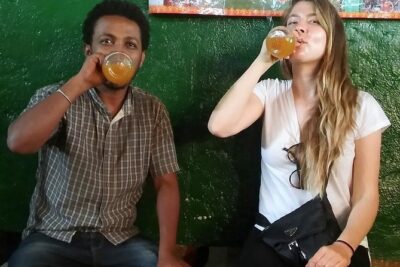
Ethiopian Culinary Tour – Market, Food, Coffee Ceremony & more
Read our review →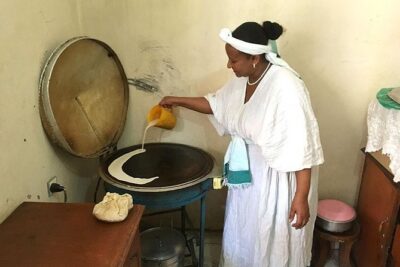
Market Tour and Cooking Class with a Coffee Ceremony at a Home in Addis Ababa
Read our review →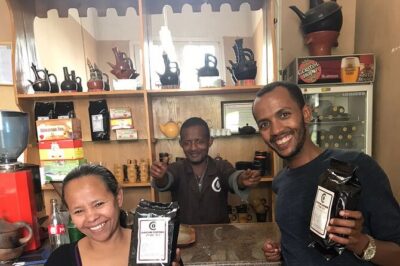
Vintage Coffee Shops, Restaurants, Sightseeing in Addis Ababa
Read our review →
Ethiopian Cooking Class and Coffee Ceremony with a Local in Addis with transfers
Read our review →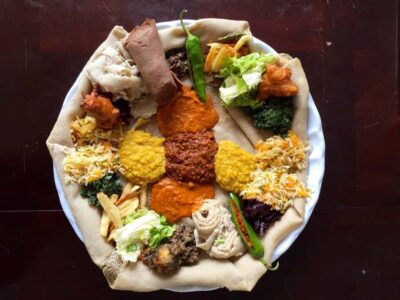
Ethiopian Culinary Tour – Market, Coffee Ceremony and More
Read our review →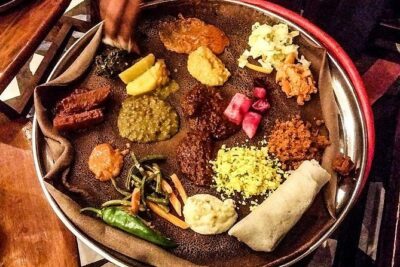
Unique Ethiopian Cooking Class and Coffee Ceremony with a Local in Addis Ababa
Read our review →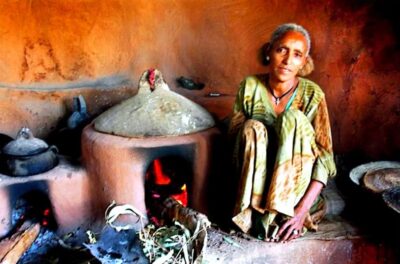
Browse the lists this tour appears in