
Reviewed · COFFEE & FOOD EXPERIENCES
Market Tour and Cooking Class with a Coffee Ceremony at a Home in Addis Ababa
Food can open a city quickly. This three-and-a-half-hour experience takes you through an Addis Ababa market and into the home kitchen of Daniel and Tigist, where you learn to prepare Ethiopian food, including injera, then sit down for a traditional coffee ceremony. I like the personal setting and the chance to meet a local family rather than attend a polished restaurant class.
I also like that the experience is private and flexible, with a choice of lunch or dinner. The main consideration is location: hotel pickup and drop-off are not included, and the home may be about 40 minutes from some Addis Ababa hotels, so the total outing can take longer than the advertised class time.
In This Review
- What Makes This Addis Ababa Food Experience Special
- Starting With an Addis Ababa Market Visit
- Cooking Injera and Traditional Ethiopian Dishes
- Eating the Meal You Helped Prepare
- The Hand-Roasted Coffee Ceremony
- What the Private Format Means for You
- Timing, Transport, and the Real Cost
- Who Will Enjoy This Most
- Booking Advice and Final Verdict
- FAQ
- How long does the experience last?
- Is hotel pickup and drop-off included?
- Is the cooking class held in a commercial kitchen?
- What food will I learn to prepare?
- Is vegetarian food available?
- Can I choose lunch or dinner?
- What is included in the price?
- What is the cancellation policy?
What Makes This Addis Ababa Food Experience Special
- A real Ethiopian home kitchen: Daniel and Tigist host you in their own home, making the class feel personal rather than commercial.
- Injera takes center stage: You learn about Ethiopia’s famous fermented flatbread instead of merely eating it at a restaurant.
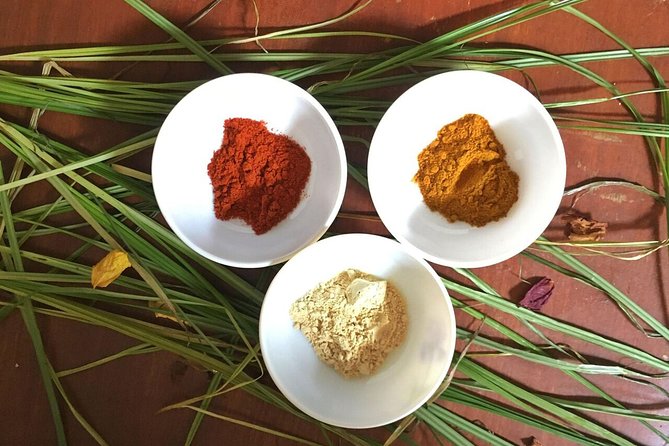
- Market shopping has a purpose: The market visit connects ingredients with the cooking you do later.
- The coffee ceremony is part of the meal: Beans are roasted by hand, then used in a traditional Ethiopian coffee ritual.
- Your group stays private: Only your party participates, which allows the pace and conversation to feel more relaxed.
- The family adds cultural context: Daniel, Tigist, and their children share information about Ethiopia along with the recipes.
Starting With an Addis Ababa Market Visit
The experience begins in Addis Ababa with a private market tour. This is more useful than a quick stop for photographs because it prepares you for the cooking session that follows. You get to see the kind of ingredients used in an Ethiopian home and connect the food on the table with ordinary shopping in the city.
The available details do not specify the exact market, the shopping list, or how much walking is involved. That means you should arrive ready for a local market rather than a tightly scripted attraction. If you prefer a quiet, highly organized food tour, the open-ended nature may take some getting used to. If you want a closer look at daily life, it is a good beginning.
I especially like the order of the outing. You first see ingredients in their everyday setting, then handle them in the kitchen, and finally eat the finished dishes. That simple sequence gives the food more meaning. Instead of treating Ethiopian cuisine as a menu of unfamiliar names, you start to understand how the meal comes together.
The market also gives you a chance to ask Daniel or Tigist about local cooking habits before the class starts. Since the experience is private, your questions do not need to fit a group lecture. You can focus on the dishes you most want to understand, the ingredients you may not recognize, or the role of food in Ethiopian home life.
Coffee ceremonies and Ethiopian cooking in Addis Ababa:
- Ethiopian Culinary Tour – Market, Food, Coffee Ceremony & more
★ 5.0 · 65 reviews - Vintage Coffee Shops, Restaurants, Sightseeing in Addis Ababa
★ 5.0 · 17 reviews - Ethiopian Cooking Class and Coffee Ceremony with a Local in Addis with transfers
★ 5.0 · 14 reviews
Cooking Injera and Traditional Ethiopian Dishes
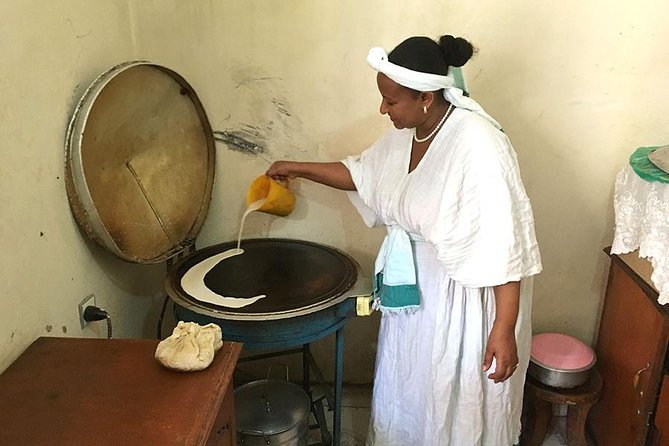
The main event takes place in the hosts’ home kitchen. This is not a commercial cooking school with rows of identical workstations and a lesson designed for a large crowd. You are visiting an Addis Ababa family, cooking with people who prepare Ethiopian food at home.
Injera is the key lesson. This soft, fermented flatbread is central to many Ethiopian meals, both as food and as the surface used to share other dishes. Learning about it gives you a better idea of why Ethiopian meals are eaten in a communal way and why texture matters so much.
The menu may change with the season. That is a practical detail, not a weakness. Seasonal cooking means you should not expect a fixed restaurant menu, but it also means the meal reflects what is available at the time of your visit. If you have a particular dish in mind, ask about it when you book rather than assuming it will be included.
Vegetarian cooking is available if requested in advance. You should also share allergies, dietary restrictions, and cooking preferences at booking. This is especially important in a home kitchen, where the food is planned around the people attending rather than selected from a standard menu.
You should expect to participate, not simply watch. The hosts teach you how to prepare the food and then eat it with you. That makes the session more social than a formal demonstration, and it is one reason the experience suits people who enjoy conversation as much as instruction.
The family setting receives strong praise for warmth and patience. Daniel and Tigist are described as welcoming, while Tigist is singled out as a patient teacher. Their children may also be part of the visit, adding to the sense that you have been invited into family life rather than placed in a staged cooking venue.
That intimacy will not suit every visitor. If you want a professional chef, printed recipes, exact measurements, and a polished kitchen, this may feel informal. If you want to meet local people and learn through shared preparation, the informality is the point.
Eating the Meal You Helped Prepare
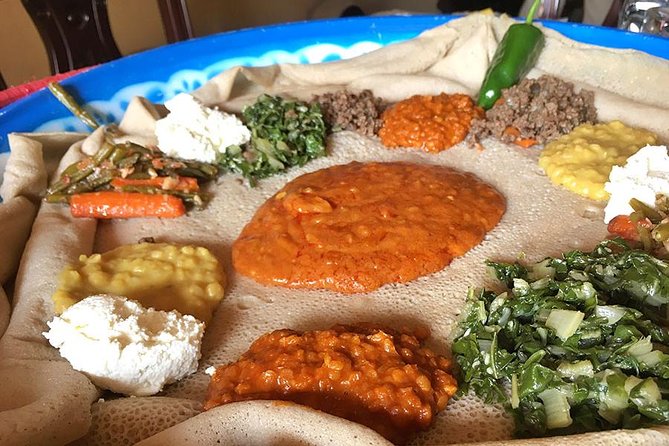
After the cooking, you eat what you have made. This is where the experience earns much of its value. Ethiopian food is best understood at the table, where injera, sauces, and other dishes are eaten together rather than treated as separate courses in a Western sequence.
I like that the meal follows the hands-on work. You have seen the ingredients, helped prepare the food, and learned at least some of the method behind it. The final meal becomes a shared activity, not just lunch or dinner added to a tour.
The available menu details are limited, so it would be wrong to promise a specific set of stews or side dishes. The confirmed focus is traditional Ethiopian food, with injera specifically highlighted. Since the menu can vary by season, your meal may differ from someone else’s.
The hosts also share information about Ethiopia during the visit. One particularly appealing feature is the chance to ask about the country while sitting at a family table. Food gives the conversation a natural starting point, and the private format means you can spend more time on subjects that interest you.
This is a strong choice for a first day in Addis Ababa. It gives you a gentle introduction to the city through food, family, and conversation. One past participant also combined time with Daniel’s family with a museum visit, but the museum is not part of the stated tour, so you should not count on that as part of the package.
The Hand-Roasted Coffee Ceremony
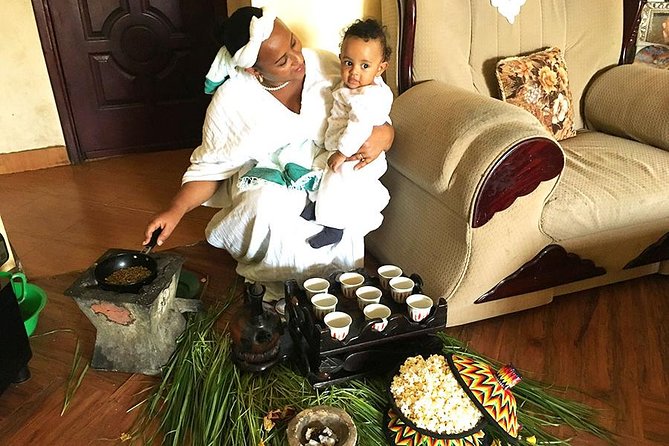
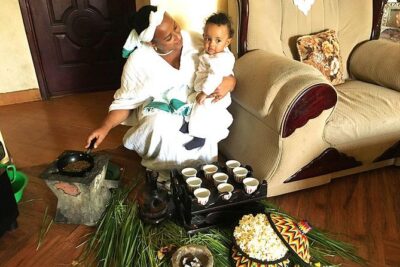
The coffee ceremony is not a token afterthought. Freshly roasted beans and the full ceremony provide the final part of the cultural experience. Ethiopia is closely associated with coffee, and seeing the beans roasted by hand helps you understand that coffee here can be a social ritual, not merely a fast morning drink.
The ceremony gives the outing a slower ending. After the energy of the market and the work of cooking, you sit with your hosts and share coffee. That pause is valuable because it leaves room for conversation and lets the home visit feel complete.
The details do not state exactly how long the ceremony lasts or what equipment is used. You can safely expect hand-roasted coffee and a traditional ceremony, but you should avoid assuming a particular number of servings or a specific presentation.
Coffee is included, as are beverages generally. Gratuities, taxes, fees, and handling charges are also included in the stated price. That makes the final cost easier to judge because you are not adding several small compulsory charges after booking.
More market wanders in Addis Ababa:
- Addis Ababa +Mount Entoto View Point,Museums Palace Market Tours
★ 5.0 · 42 reviews - Go wheretheLocalsgo, Eatwhat thelocalseat!open Market&More Tours
★ 5.0 · 33 reviews - Addis Mercato Market
★ 5.0 · 22 reviews - Ethiopian Culinary Tour – Market, Coffee Ceremony and More
★ 5.0 · 10 reviews
What the Private Format Means for You
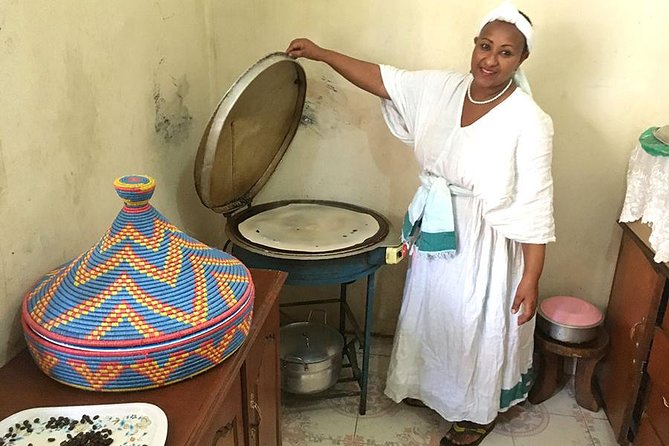
This is a private activity, so only your own group participates. That matters more here than it would on a basic sightseeing tour. In a home kitchen, a large group could make the space feel crowded and limit conversation. A private format gives you more room to ask questions and move at a pace that suits your group.
The hosts are Daniel and Tigist, and their family may be present. Their warmth and willingness to share information are among the most praised parts of the experience. You are not simply paying for instruction. You are paying for time with local people who open their home and table to you.
The private setup is also useful for dietary needs and cooking preferences, provided you explain them at booking. Vegetarian food is available, but advance notice is required. The same advice applies to allergies and restrictions.
Most people can participate, and service animals are allowed. The experience is near public transportation, but hotel pickup and drop-off are not included. Plan the transport carefully, particularly if you are staying far from the meeting point or have an evening flight, a timed museum visit, or another fixed appointment.
Timing, Transport, and the Real Cost
The activity lasts about three hours and 30 minutes. That covers the market visit, cooking class, meal, and coffee ceremony, but transportation to and from the home is separate. If you are staying around 40 minutes away, as one participant did, the outing can occupy most of half a day once you include the journey.
You can choose lunch or dinner. This is helpful in Addis Ababa, where you may want to use the morning for sightseeing or keep the meal as a relaxed evening plan. Still, confirm the meeting details and allow extra time for getting there. The advertised duration should not be treated as door-to-door time.
At $168 per person, this is expensive compared with a simple restaurant meal or a standard market walk. The value depends on what you want from the day. You are paying for a private market tour, personal cooking instruction, a home-cooked meal, a coffee ceremony, beverages, and direct time with a family.
For a solo visitor or a couple who places a high value on local contact, the price can make sense. It is less compelling if you mainly want to eat Ethiopian food cheaply or learn a recipe in a formal classroom. Group discounts may improve the value for a larger party, though the exact discount is not stated.
The high rating and full recommendation record suggest that the experience delivers what it promises, especially in hospitality and food. Still, price and distance remain the two points I would consider before booking. The tour is not the easiest choice for a quick stop between other activities.
Who Will Enjoy This Most

I would recommend this experience to you if you:
- Want to meet an Ethiopian family in a private home
- Enjoy learning by doing rather than watching a chef demonstrate
- Are curious about injera and traditional Ethiopian meals
- Want a food experience with cultural conversation
- Have a lunch or dinner slot available for at least half a day
- Can arrange your own transport to the meeting point
- Are comfortable with a menu that may change by season
Families and small groups may find the format especially appealing. The hosts’ children may be present, and the setting has a family feel. Couples and solo visitors can also benefit from the private format, though a solo visitor should consider whether the $168 price matches their budget.
This is not the best fit if you need a tightly timed activity, dislike home visits, or want a formal commercial class. It also may not suit you if you expect hotel pickup or a fixed menu. Read the experience for what it is: a personal invitation to cook, eat, and talk in an Addis Ababa home.
Booking Advice and Final Verdict
Tell the hosts about allergies, dietary restrictions, vegetarian needs, and cooking preferences when you book. Confirmation is provided at booking, and mobile tickets are available. Since the activity can be booked well in advance, securing your preferred lunch or dinner time early is sensible.
The cancellation rule is simple but firm. You receive a full refund if you cancel at least two full days before the local start time. Cancellations or changes within two days are not refunded or accepted.
I would book this if you want your Addis Ababa food experience to include people, not just plates. Daniel and Tigist’s home setting, the market connection, the injera lesson, and the coffee ceremony create a thoughtful half-day introduction to Ethiopian life. I would skip it only if the price feels too high, the location is inconvenient, or you need a fixed, restaurant-style class.
FAQ
How long does the experience last?
The activity lasts approximately three hours and 30 minutes.
Is hotel pickup and drop-off included?
No. Hotel pickup and drop-off are not included. The experience begins and ends at the stated meeting point in Addis Ababa.
Is the cooking class held in a commercial kitchen?
No. It takes place in an Addis Ababa home with hosts Daniel and Tigist. It is a private visit and cooking experience rather than a commercial cooking class.
What food will I learn to prepare?
The menu may vary by season, but the experience includes traditional Ethiopian dishes and specifically teaches you about preparing injera.
Is vegetarian food available?
Yes. A vegetarian option is available, but you must request it when booking.
Can I choose lunch or dinner?
Yes. The experience offers a choice of lunch or dinner to fit your schedule.
What is included in the price?
The price includes beverages, taxes, fees, handling charges, gratuities, the private market tour, the cooking class, and the coffee ceremony with your hosts.
What is the cancellation policy?
You can receive a full refund if you cancel at least two full days before the experience start time. Cancellations or changes made within two days are not refunded or accepted.
Shopping Around Addis Ababa
- Addis Ababa: Entoto hill and Mercato Market layover tour
★ 5.0 · 5 reviews - Addis Ababa Half Day Shopping Tour
★ 5.0 · 3 reviews - Addis Ababa: Mercato Market and Sightseeing Tour
★ 5.0 · 2 reviews
New on the Addis Ababa list
- Yod Abyssinia Cultural Night: Dinner, Music, and Dance★ 5.0 · 7 reviews
- Locally crafted beer and wine tasting and nightlife in Addis tour★ 5.0 · 6 reviews
- Addis Ababa City Tours Full-Day Tours★ 5.0 · 5 reviews
- Stunning Views Wonchi Crater Lake a Private Day Trip★ 5.0 · 3 reviews
- Visiting the wonders of Lalibela in Three (3) days and Two ( 2) nights★ 5.0 · 2 reviews
- Unique Ethiopian Cooking Class and Coffee Ceremony with a Local in Addis Ababa★ 4.5 · 7 reviews
- Tribes of the Ethiopian Omo Valley – 9 Day Tour★ 5.0 · 5 reviews
- Two days Lake Wenchi and Menagesha Forest★ 5.0 · 3 reviews
Coffee & Food Experiences, compared.
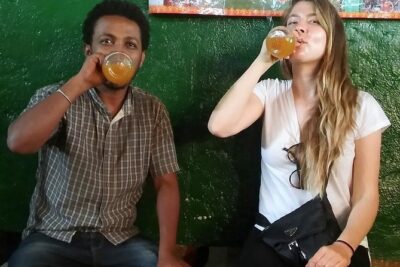
Ethiopian Culinary Tour – Market, Food, Coffee Ceremony & more
Read our review →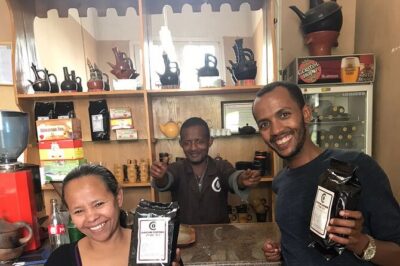
Vintage Coffee Shops, Restaurants, Sightseeing in Addis Ababa
Read our review →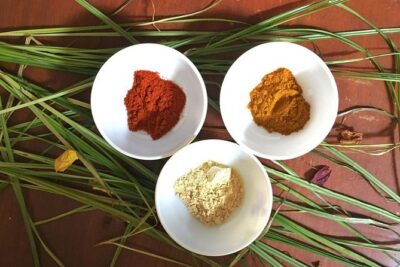
Ethiopian Cooking Class and Coffee Ceremony with a Local in Addis with transfers
Read our review →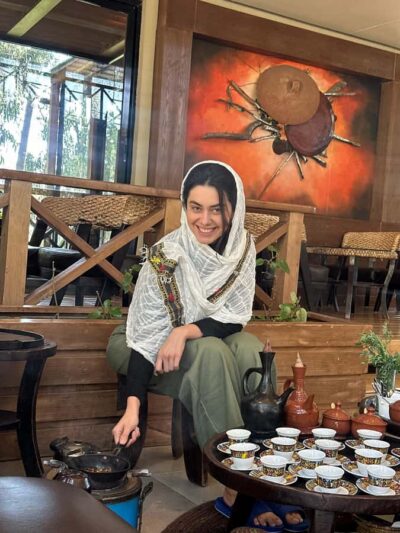
Ethiopia coffee cupping class/Ethiopian food injera making
Read our review →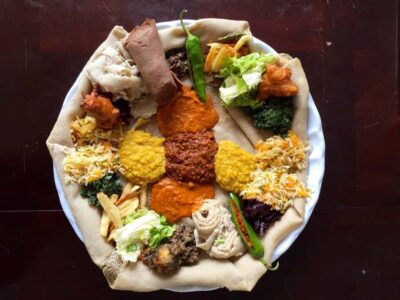
Ethiopian Culinary Tour – Market, Coffee Ceremony and More
Read our review →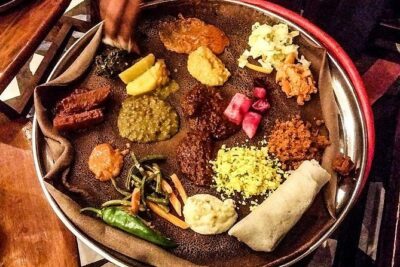
Unique Ethiopian Cooking Class and Coffee Ceremony with a Local in Addis Ababa
Read our review →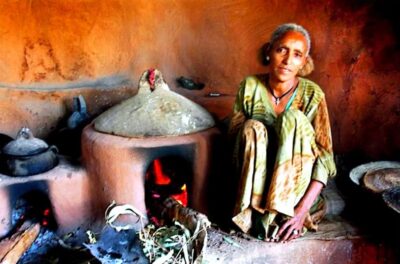
Browse the lists this tour appears in