
Reviewed · COFFEE & FOOD EXPERIENCES
Addis abeba Full Cooking class.
Food is the fastest way into Addis Ababa. This four-hour experience combines a local home cooking class with a city outing to Shola Market and the National Museum, where you see Lucy, the famous hominid fossil. I especially like the hands-on work with injera and the chance to make coffee from freshly roasted beans. I also like that Abraham and Selam keep the group small, with space for only seven people.
The main consideration is price. At $90 per person, this is not a cheap cooking lesson, particularly since the class focuses on two dishes and coffee. Still, airport or hotel pickup, transport, lunch, museum admission, and personal guidance make it a reasonable choice for a short Addis stop, especially if you have only a layover.
In This Review
- Key points to know before booking
- A four-hour introduction to Addis through food
- Starting at Shola Market
- Meeting Lucy at the National Museum
- Entering a local home kitchen
- Learning to cook Ethiopian injera
- Preparing Shiro wot from chickpeas
- The Ethiopian coffee ceremony
- What the guides add to the experience
- Is $90 a fair price?
- Timing, comfort, and practical details
- Who will enjoy this Addis cooking class?
- Should you book it?
- FAQ
- How long does the Addis Ababa cooking class last?
- What food will I learn to cook?
- Is Ethiopian coffee included?
- Does the experience include airport pickup?
- Is the National Museum entrance included?
- What languages are available, and how large is the group?
Key points to know before booking
- Injera takes center stage: You learn how Ethiopia’s famous fermented flatbread is prepared and cooked in a local home kitchen.
- Shola Market adds daily life: The route includes a stop at a major Addis market, where local sellers offer a wide range of products.
- Lucy is part of the day: Entry to the National Museum is included, giving you a chance to see the famous hominid fossil.
- The class is genuinely hands-on: Selam lets you take part in the cooking rather than simply watching a demonstration.
- Coffee is a full activity: You roast and prepare Ethiopian coffee with help from your host.
- Small groups suit personal questions: A maximum of seven participants makes conversation with Abraham and Selam easier.
A four-hour introduction to Addis through food
This is more than a standard cooking lesson. The experience links three parts of Addis Ababa: its markets, its national museum, and a local family kitchen. That combination gives you a quick look at the city before you sit down to eat what you helped prepare.
The day begins with pickup from your hotel or the airport. If you are arriving in Addis for a short stop, this is the useful part. You do not need to arrange a taxi, find the home kitchen, or work out how to fit a museum visit into a tight schedule. The provider says a driver and guide will meet airport arrivals with a banner showing your name.
The experience lasts four hours, so the schedule is compact. Traffic in Addis can affect how much time you spend at each stop, and the cooking portion is the heart of the outing. If you want a long museum visit or a slow market shopping trip, this will feel rushed. If you want several local activities in one morning or afternoon, the pace makes sense.
Coffee ceremonies and Ethiopian cooking in Addis Ababa:
- Ethiopian Culinary Tour – Market, Food, Coffee Ceremony & more
★ 5.0 · 65 reviews - Market Tour and Cooking Class with a Coffee Ceremony at a Home in Addis Ababa
★ 5.0 · 32 reviews - Vintage Coffee Shops, Restaurants, Sightseeing in Addis Ababa
★ 5.0 · 17 reviews
Starting at Shola Market
The first stop is Shola Market, described as a major Addis market where thousands of people sell their own products each day. The appeal here is not a polished tourist display. You get a look at ordinary buying and selling, with many kinds of goods gathered in one place.
I like this stop because it gives context to the cooking class. Ethiopian food does not appear magically on a plate. It begins with ingredients, household shopping, and the work of people who sell food and supplies across the city. Even if you are not planning to buy anything, the market helps you see the setting in which the dishes you later prepare fit.
The information provided does not specify exactly which stalls you will visit or how long you will stay. Keep that in mind. Treat Shola as a short introduction to Addis market life rather than a guided food tour with a fixed tasting list.
You should wear comfortable shoes. Markets can involve plenty of walking, and the recommended clothing also includes warm layers. Addis Ababa sits at high elevation, and mornings or evenings can feel cool, even when the day is pleasant. Bring a camera if you want to record the colors, goods, and street scenes, but ask before photographing people.
Meeting Lucy at the National Museum
The route continues to the Ethiopia National Museum, home of Lucy, the famous hominid fossil. Lucy is one of the best-known early human fossils in the world, and seeing her gives the day a clear connection to Ethiopia’s place in human origins.
The museum visit is a useful addition because it keeps the outing from being only about food. You get a little cultural and historical context before heading to the kitchen. Entrance is included in the $90 price, so you do not need to budget an extra admission fee.
Do not expect this to replace a full museum visit. The activity has only four hours in total, including pickup, the market, city transport, the museum, cooking, coffee, and lunch. The exact amount of museum time is not stated. If Lucy is your main reason for visiting the National Museum, ask the provider how the timing will work on your chosen day.
Still, the stop is well chosen. It is one of the few Addis sights specifically named in the experience, and it gives a first-time visitor a memorable landmark without requiring a separate half-day plan.
Entering a local home kitchen
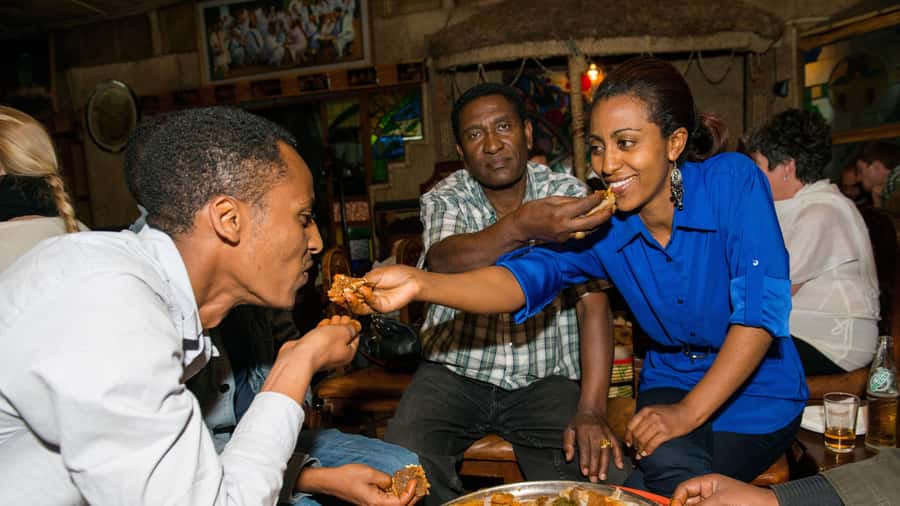
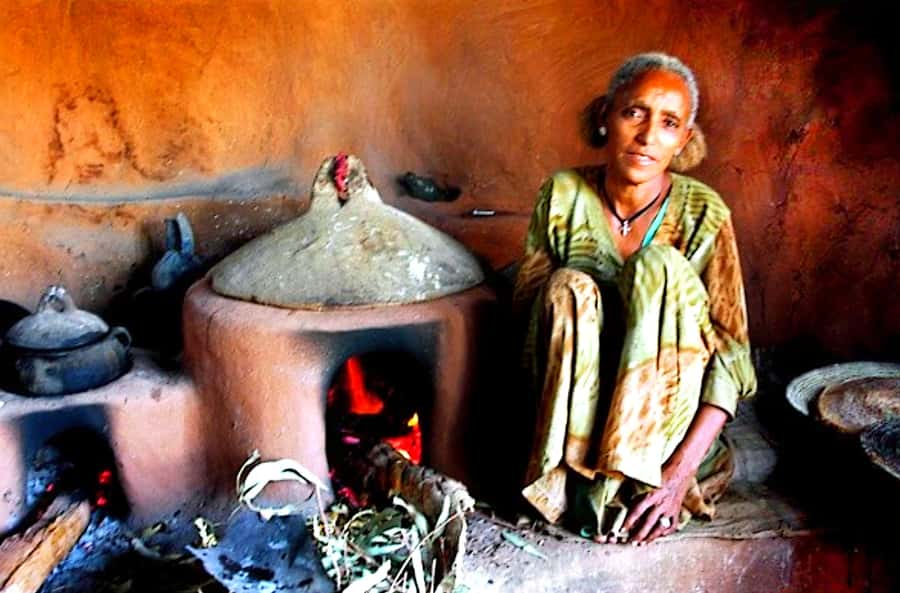
After the city stops, you go to a local home for the cooking class. This is the part that gives the experience its personal character. You are not placed in a large culinary school with rows of visitors. You cook in a small neighborhood home, using a kitchen shared by Selam and her neighbors, according to the details available about the experience.
That setting can be a strength and a limitation. It offers a closer look at ordinary home cooking and creates more room for conversation. At the same time, the kitchen is small, and the facilities are not presented as a purpose-built cooking studio. If you want polished workstations, restaurant equipment, or a formal chef-led lesson, this is not the right format.
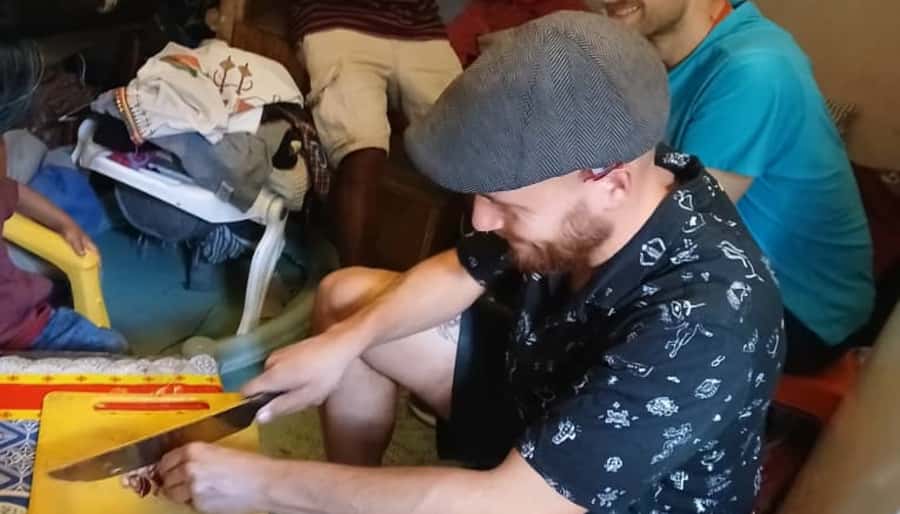
I like the fact that the cooking is meant to be active. Selam teaches you and lets you do much of the work. Abraham helps with communication, and his English is described as good. French is also offered as a guide language. The small group limit of seven should make it easier to ask questions and get a turn at the cooking surface.
The human side matters here. The experience is designed around meeting Abraham, Selam, and the family in their own setting. That can make the class feel more like a shared meal than a performance. You should arrive with respect for the home, the family, and the neighbors who share the kitchen.
A different sort of day out, same part of Ethiopia:
- Full Day Tour of Addis Ababa with Hotel Pickup and Drop-off
★ 5.0 · 430 reviews - Taste of Ethiopia
★ 5.0 · 406 reviews - Day Trip From Addis Ababa See Historical Monastery,Stunning Nature,Animals,Birds
★ 5.0 · 303 reviews - Addis Ababa: Debre Libanos, Blue Nile Gorge, and Cave Tour
★ 4.5 · 256 reviews
Learning to cook Ethiopian injera
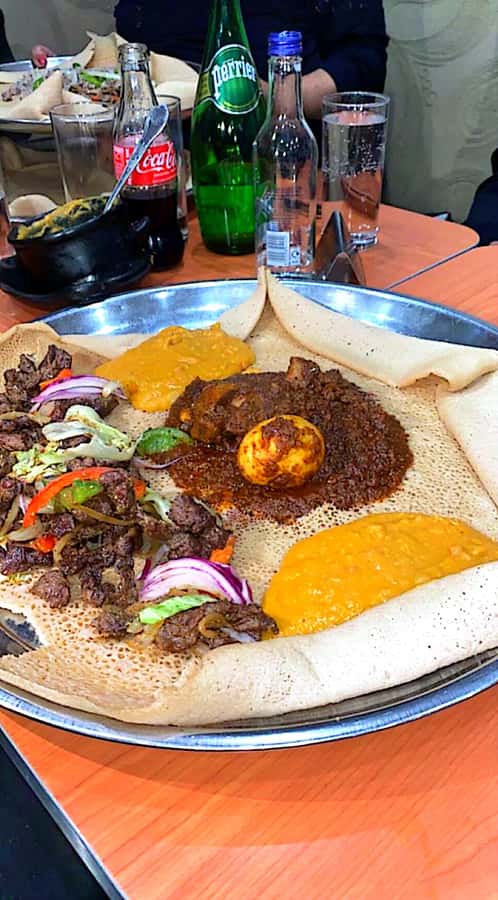
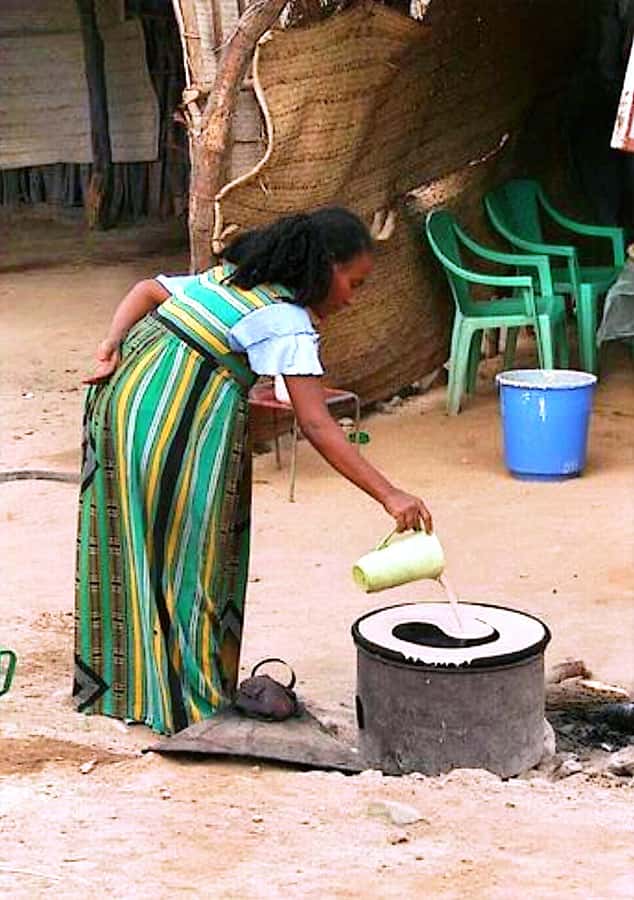
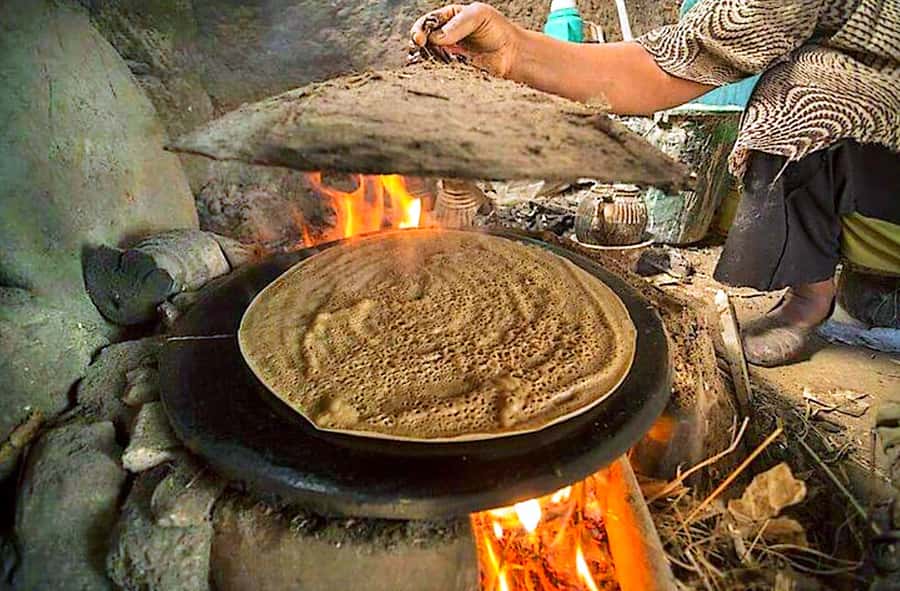
Injera is the main lesson, and the class explains why this food is so different from an ordinary pancake. The batter is fermented for three days before cooking. That fermentation gives injera its light, foam-like texture and mild sour taste.
You learn to prepare and bake it in a local kitchen. The experience identifies three color varieties: white, brown, and red. This is a useful detail because first-time visitors often think of injera as one uniform food. The color differences add another small piece of Ethiopian food culture to the lesson.
The class does not provide a full recipe with measurements or explain whether you prepare the batter from start to finish. The three-day fermentation period means the batter used during the class has already been prepared in advance. You will learn about the process and take part in baking rather than waiting several days for your own mixture to ferment.
That is not a flaw. It is simply the practical limit of a four-hour class. You get to see the cooking stage, which is the part most visitors want to try, while learning why the preparation cannot be completed in one sitting.
Injera is also the base for the meal, not just a side dish. Ethiopian stews are commonly eaten with pieces of injera used to scoop up the food. Making your own gives you a better sense of the work behind a staple that may look simple when it arrives on a plate.
Preparing Shiro wot from chickpeas
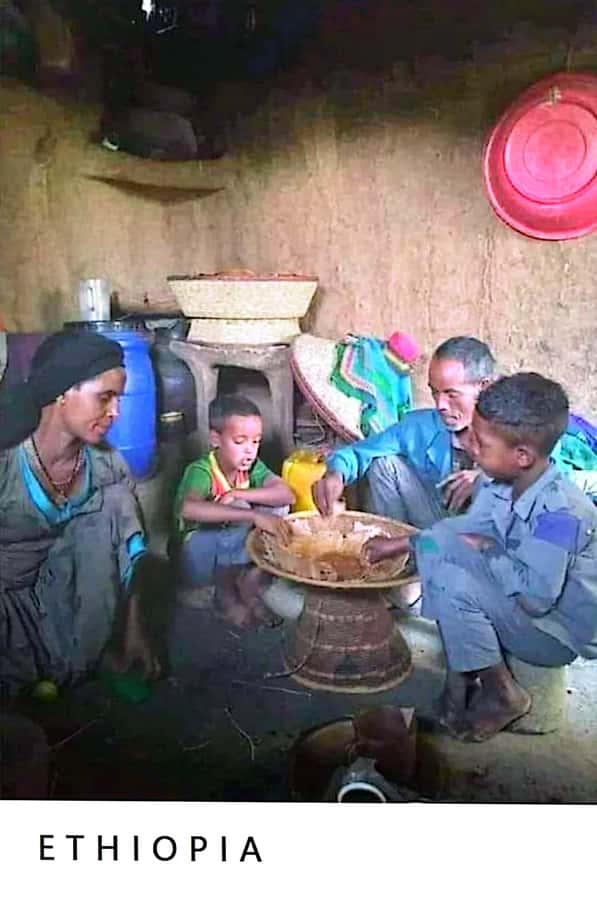
Alongside the injera lesson, you cook shiro wot, a popular Ethiopian stew made from spicy puréed chickpeas. The dish gives the class a second texture and flavor to work with. Injera is soft and slightly sour, while shiro wot is smooth, savory, and spiced.
The supplied details use both Shiro wot and Shiro wate for the dish. On the day, you can ask Abraham or Selam about the local pronunciation and spelling. This is a small point, but it helps if you want to remember the meal accurately or look for it at restaurants later.
The class is especially useful for people who enjoy food but do not want a lecture. You work beside the host, see how the ingredients come together, and then eat the finished dish. That last step is important. Lunch is included, and you taste your own cooking rather than watching someone else prepare food for you.
The information does not list every ingredient, spice, or cooking tool. Do not book this expecting a technical cooking course with a printed manual. Think of it as a practical cultural lesson, with enough participation to help you understand the food and perhaps recreate parts of it at home.
The Ethiopian coffee ceremony
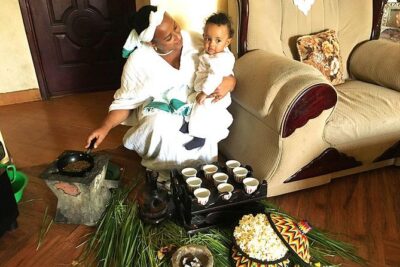
Coffee gets its own part of the class. You make coffee using freshly roasted beans with help from your host. This gives the afternoon or morning a calm finish after the cooking work.
Ethiopian coffee is not treated as a quick drink here. The roasting and preparation are part of the experience, and the host guides you through the process. The available details do not specify every step of the ceremony, how many servings are offered, or what snacks accompany the coffee, so you should ask if those points matter to you.
I like this addition because coffee is closely tied to hospitality in Ethiopia. Sitting down with coffee after preparing lunch lets you slow down and talk. It also makes the experience feel more complete than a class that ends as soon as the food is plated.
If you do not drink coffee, the class still has plenty to offer through the market, museum, injera, and shiro wot. But coffee fans will find this part particularly worthwhile, since you take part in roasting and preparation rather than simply receiving a cup.
What the guides add to the experience
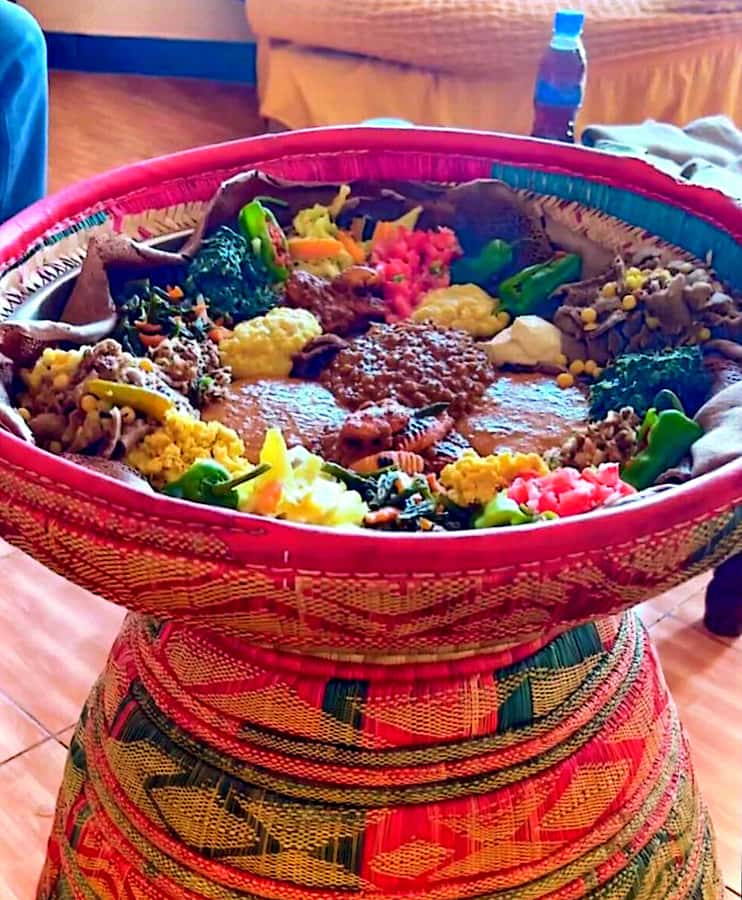
The listed hosts are Abraham and Selam. Several details point to Abraham’s role as the guide, translator, driver contact, and city companion, while Selam leads the home cooking. That division works well for a small group.
Abraham has been described as friendly, helpful, punctual, and able to communicate well in English. One guest who had an eleven-hour Addis layover found that he made it possible to meet local people and see parts of the city in a short time. Another person enjoyed the experience enough to book another tour with him.
Those comments match the design of the outing. Abraham can explain what you are seeing outside the kitchen, help you connect with Selam and her family, and keep the airport or hotel transfer organized. Selam brings the home cooking knowledge and lets you take part.
The experience also offers French. If you need French guidance, confirm the language arrangement when booking, since the details do not say whether both languages are available on every departure.
Is $90 a fair price?
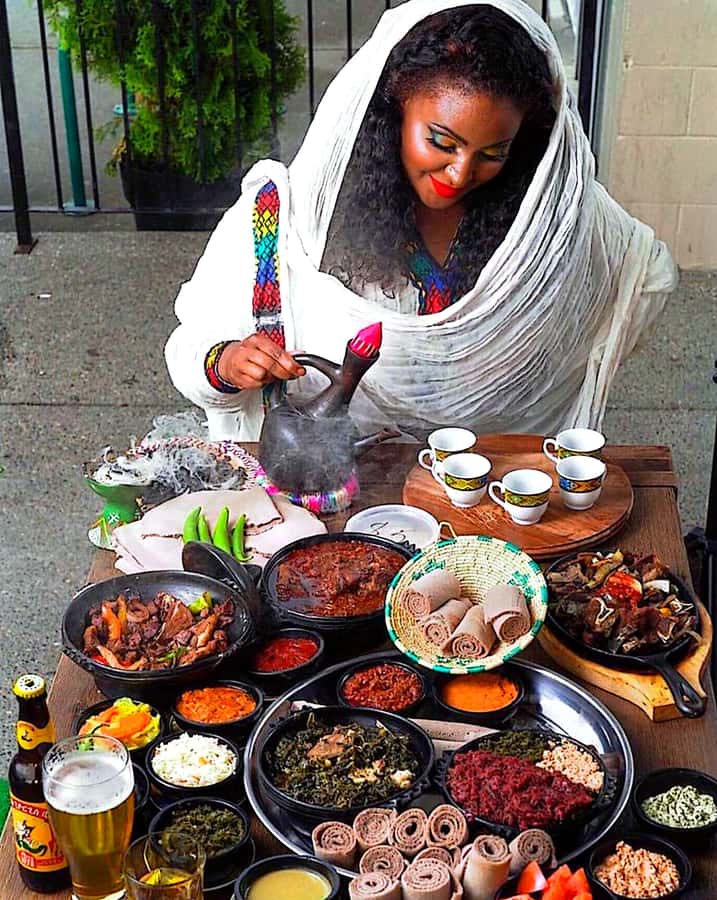
The price is $90 per person. That is on the high side for a cooking lesson centered on two dishes, and one assessment of the experience felt it could cost less. That is a fair concern.
The value improves if you use the included transport and sightseeing. The price covers airport or hotel pickup, drop-off, lunch, the full injera and shiro wot class, the coffee class, and entrance to the National Museum. For someone arranging each piece separately, the convenience has real value.
The price makes the most sense in three situations:
- You have a long layover and need a planned outing with airport pickup and return.
- You want a local home setting instead of a commercial cooking school.
- You prefer one compact experience that combines food, a market, Lucy, and coffee.
It makes less sense if you already have transport, plan to visit the museum separately, or mainly want a low-cost food lesson. In that case, $90 may feel steep.
The group cap of seven also helps justify the cost. This is not a large bus tour where the guide must address dozens of people. You are paying partly for the smaller setting and the coordination of several stops.
Timing, comfort, and practical details
The activity is four hours, with starting times subject to availability. Pickup is offered from the airport or your hotel. Drop-off is included as well, which is useful after a cooking class and meal.
Wear comfortable shoes and bring warm clothing. A camera is recommended. Alcohol and drugs are not allowed, and gratuity is not included, so plan to tip separately if you feel the service deserves it.
The experience is listed as unsuitable for people over 95 years old. No other restriction is provided. If you have mobility, dietary, or kitchen-access needs, the available information does not answer those questions, so contact the provider before booking.
Cancellation is flexible: you can cancel up to 24 hours before the activity for a full refund. You can also reserve now and pay later. These terms help if your Addis schedule depends on a flight connection, but you should still check the available start time before committing to the day.
Who will enjoy this Addis cooking class?
I would recommend it most strongly to first-time visitors who want personal contact and have limited time. The airport pickup, museum stop, market visit, and home meal let you cover several sides of Addis without building your own complicated plan.
It is also a good match for food lovers who want to understand how injera is made, not just order it in a restaurant. The chance to bake the bread yourself and prepare shiro wot gives you something practical to remember after the trip.
Couples, solo visitors, and small groups should fit the format well. The group limit of seven leaves room for questions, and the home setting suits people who prefer conversation over a formal presentation.
I would be more cautious if you want a detailed museum tour, an advanced culinary course, or a long market shopping session. The day touches each of those areas, but food and personal contact remain the focus.
Should you book it?
Book this experience if you want a warm, compact introduction to Addis Ababa and value local contact more than a bargain price. Abraham’s airport and hotel pickup, Selam’s hands-on teaching, the home kitchen, and the coffee preparation give the day a personal feel that a standard city tour may lack.
Skip it if $90 is beyond your budget or if you want a class built around detailed recipes and professional equipment. For a short stay, especially an eleven-hour layover, I think the combination of transport, Lucy, Shola Market, lunch, injera, shiro wot, and coffee makes the cost easier to defend.
FAQ
How long does the Addis Ababa cooking class last?
The activity lasts four hours, including the pickup, city visits, cooking, coffee preparation, meal, and drop-off.
What food will I learn to cook?
You will learn how to bake injera and cook shiro wot, a spicy puréed chickpea stew. Lunch includes tasting the food you prepare.
Is Ethiopian coffee included?
Yes. The class includes a full Ethiopian coffee lesson using freshly roasted coffee beans.
Does the experience include airport pickup?
Yes. Airport pickup is included, and the provider says a representative will wait with a banner showing your name. Hotel pickup is also available.
Is the National Museum entrance included?
Yes. The entrance fee is included, and the route includes a visit to see Lucy, the famous hominid fossil.
What languages are available, and how large is the group?
Guidance is offered in English and French. The group is limited to seven participants.
New on the Addis Ababa list
- Yod Abyssinia Cultural Night: Dinner, Music, and Dance★ 5.0 · 7 reviews
- Locally crafted beer and wine tasting and nightlife in Addis tour★ 5.0 · 6 reviews
- Addis Ababa City Tours Full-Day Tours★ 5.0 · 5 reviews
- Stunning Views Wonchi Crater Lake a Private Day Trip★ 5.0 · 3 reviews
- Visiting the wonders of Lalibela in Three (3) days and Two ( 2) nights★ 5.0 · 2 reviews
- Unique Ethiopian Cooking Class and Coffee Ceremony with a Local in Addis Ababa★ 4.5 · 7 reviews
- Tribes of the Ethiopian Omo Valley – 9 Day Tour★ 5.0 · 5 reviews
- Two days Lake Wenchi and Menagesha Forest★ 5.0 · 3 reviews
Coffee & Food Experiences, compared.
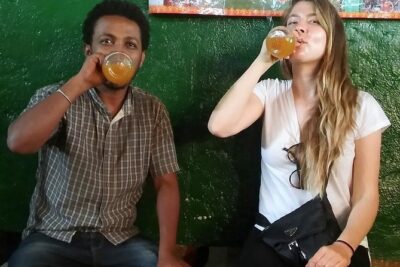
Ethiopian Culinary Tour – Market, Food, Coffee Ceremony & more
Read our review →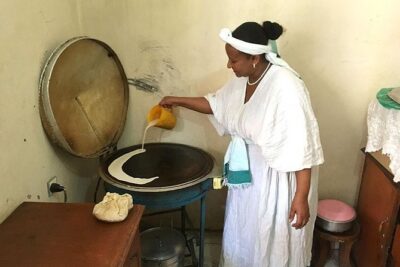
Market Tour and Cooking Class with a Coffee Ceremony at a Home in Addis Ababa
Read our review →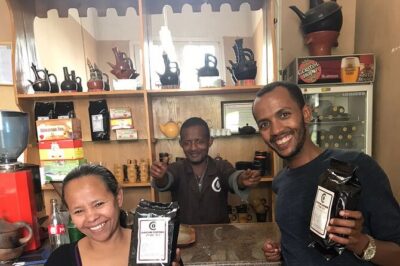
Vintage Coffee Shops, Restaurants, Sightseeing in Addis Ababa
Read our review →
Ethiopian Cooking Class and Coffee Ceremony with a Local in Addis with transfers
Read our review →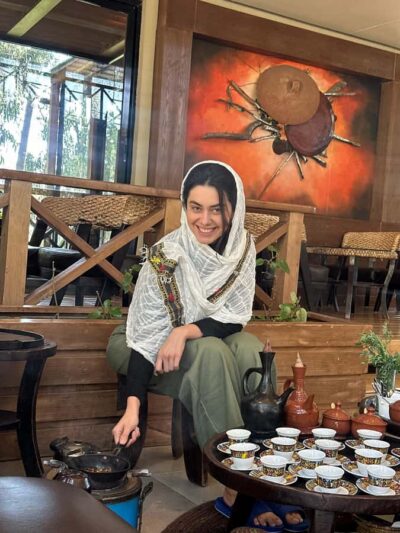
Ethiopia coffee cupping class/Ethiopian food injera making
Read our review →
Ethiopian Culinary Tour – Market, Coffee Ceremony and More
Read our review →
Unique Ethiopian Cooking Class and Coffee Ceremony with a Local in Addis Ababa
Read our review →Browse the lists this tour appears in