
Reviewed · COFFEE & FOOD EXPERIENCES
Ethiopian Culinary Tour – Market, Food, Coffee Ceremony & more
Come hungry, leave culturally richer. This Addis Ababa food tour connects markets, cooking, coffee, and local drinks in one busy half-day outing. I especially like the chance to make injera with local women and the stop at Taitu Hotel, Ethiopia’s oldest hotel, for a generous spread of Ethiopian dishes. The full coffee ceremony and honey wine tasting in Sululta add a genuine local touch.
The main consideration is pace. At about five to six hours, the tour packs in several major stops, and markets such as Merkato can be crowded and tiring. Still, pickup, transport, lunch, an English-speaking guide, and local guides are included for $85, making this a strong choice if you have only one free day in Addis Ababa.
In This Review
- Key points at a glance
- Why this food tour works in Addis Ababa
- Starting among produce at Atkilt Tera
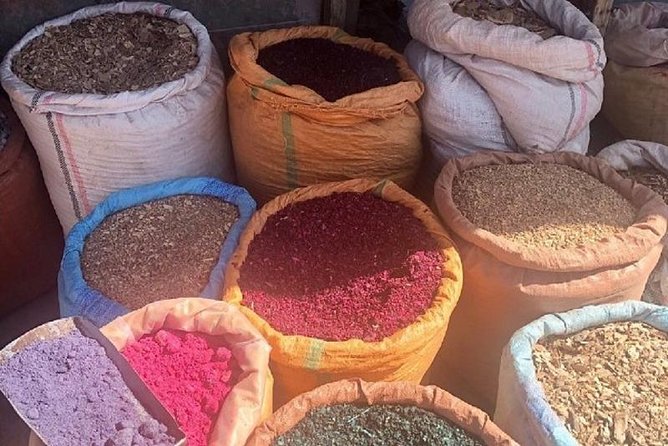
- Finding spices inside Merkato
- A coffee break at Tomoca Coffee
- Making injera with local cooks
- Lunch at historic Taitu Hotel
- Coffee, tej, and mountain air in Sululta
- What $85 includes
- Timing, comfort, and practical concerns
- Who should book this Addis Ababa food tour?
- Should you book it?
- FAQ
- How long does the Ethiopian Culinary Tour last?
- What is included in the $85 price?
- Does the tour include lunch?
- Can I make injera during the tour?
- Does the tour visit Merkato?
- Is coffee included?
- Is honey wine included?
- Can children join the tour?
- What happens if I need to cancel?
Key points at a glance
- Make your own injera: Learn how Ethiopia’s famous sourdough flatbread is prepared, then eat what you make.
- Walk through Merkato: Visit the spice section of Africa’s largest open-air market with help in the crowded streets.
- Taste old-school coffee: Stop at Tomoca Coffee, one of Addis Ababa’s oldest coffeehouses, for coffee or a macchiato.
- Eat at Taitu Hotel: Enjoy assorted Ethiopian dishes at the country’s first hotel.
- See a full coffee ceremony: In Sululta, watch beans get washed and roasted before drinking the finished coffee.
- Try honey wine: Sample tej, Ethiopia’s traditional honey wine, after learning how it is made.
Why this food tour works in Addis Ababa
Addis Ababa can be difficult to understand in a short visit. The city sprawls across highland slopes, traffic can slow every trip, and the best food experiences are not always obvious from the street. This tour gives you a practical introduction through things you can see, smell, taste, and handle.
Instead of spending the day inside museums, you move through produce stalls, spice shops, cafés, a historic hotel, and a mountain village. That makes the day useful for first-time visitors who want more than a checklist of monuments.
I also like the way the outing joins everyday food with Ethiopian social customs. Injera is not just a side dish. Coffee is not simply a drink. Both are tied to hospitality, work, family life, and conversation. The tour gives you a look at those customs without requiring you to arrange several separate visits.
The guides are one of the strongest parts of the experience. Guides named Zerefa, Samuel, Abiy, Desale, Seya, and Emmanuel have received especially warm praise for their English, care, local knowledge, and willingness to adjust the day. If you have already visited one of the listed stops, tell your guide early. Zerefa and Abiy, for example, adjusted plans for guests who had already seen parts of the standard route.
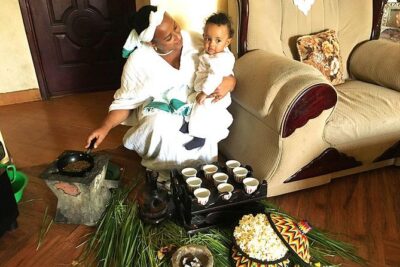
Coffee ceremonies and Ethiopian cooking in Addis Ababa:
Starting among produce at Atkilt Tera
The day begins with pickup from your hotel, house, or the airport in Addis Ababa. The stated meeting point is Edna Mall on Cameroon Street, though the experience also offers pickup and drop-off at Addis Ababa accommodations and other locations.
Your first market visit is Atkilt Tera, the city’s large produce market. This is where Addis shops for fruit and vegetables, and it gives you a useful first look at the ingredients behind Ethiopian cooking.
Expect a visual and sensory start: piles of produce, unfamiliar food items, and the ordinary business of buying and selling. The value here is not a formal cooking lesson. It is seeing food before it reaches the plate.
Your guide can explain what you are looking at and help make sense of the market’s layout. That matters because a market visit on your own can easily become a walk past stalls without much context. Atkilt Tera also helps prepare you for the more intense stop at Merkato.
Finding spices inside Merkato
Merkato is the major market visit and one of the day’s most memorable stops. The tour focuses on the spice market in the center of Africa’s largest open-air market.
You spend about an hour here. The experience is less about shopping for a long list of items and more about seeing the ingredients that give Ethiopian food its particular character. The smells are a major part of the visit. Spices, coffee, produce, and street activity make this a place to use your senses rather than simply take photographs.
Merkato is crowded and chaotic in places. That is part of its appeal, but it is also why a guide is useful. One guide and driver were praised for taking special care of a solo guest in the most crowded sections. You should keep your belongings secure, stay close to your guide, and wear shoes suited to uneven or busy market streets.
If you want souvenirs, ask for help. One guest particularly appreciated Desale’s assistance in finding suitable purchases at a fair price. As with any market, you should still decide what you want to spend before shopping.
The market can be tiring, especially if you are sensitive to crowds or strong smells. If you prefer quiet, polished food halls, this is not that. If you want a direct look at daily commerce in Addis Ababa, it is one of the most useful parts of the day.
A coffee break at Tomoca Coffee
The stop at Tomoca Coffee lasts about 30 minutes. Ethiopia is closely associated with coffee, so this short visit gives the day a focused taste of the country’s coffee culture before the longer ceremony later in Sululta.
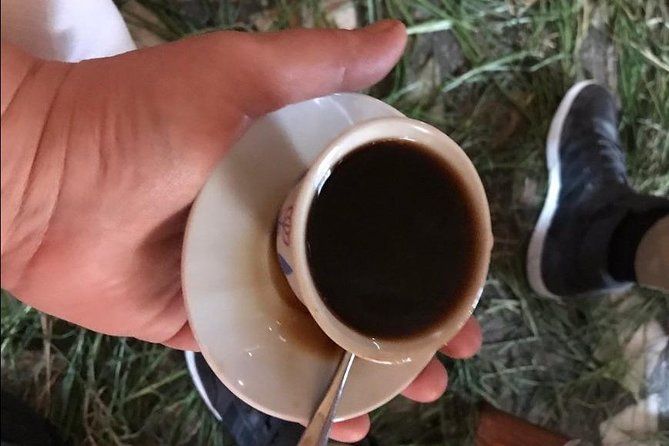
Tomoca is described as one of the oldest coffee cafés in Addis Ababa, with more than half a century of coffee-making experience. You can order a cup of coffee or a macchiato, and you can buy roasted or ground coffee as a souvenir.
This stop is compact, but it serves two purposes. First, it gives you a chance to sit down after the market. Second, it lets you compare a café-style coffee with the slower, ceremonial preparation you will see later.
If you buy coffee, ask your guide about taking it home and whether you want whole beans or ground coffee. The tour includes the coffee experience, but additional purchases are your responsibility.
More market wanders in Addis Ababa:
- Addis Ababa +Mount Entoto View Point,Museums Palace Market Tours
★ 5.0 · 42 reviews - Go wheretheLocalsgo, Eatwhat thelocalseat!open Market&More Tours
★ 5.0 · 33 reviews - Addis Mercato Market
★ 5.0 · 22 reviews - Ethiopian Culinary Tour – Market, Coffee Ceremony and More
★ 5.0 · 10 reviews
Making injera with local cooks
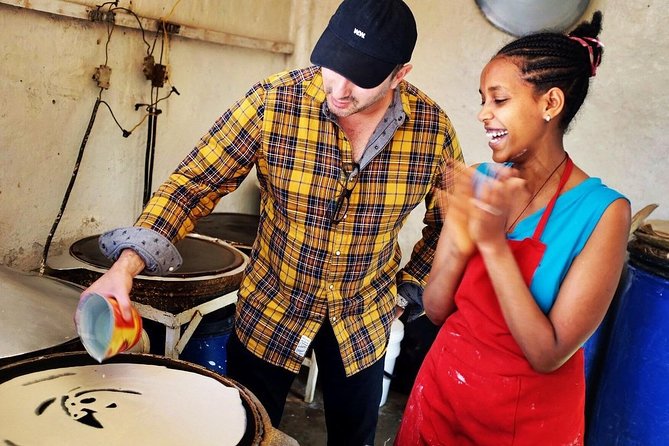
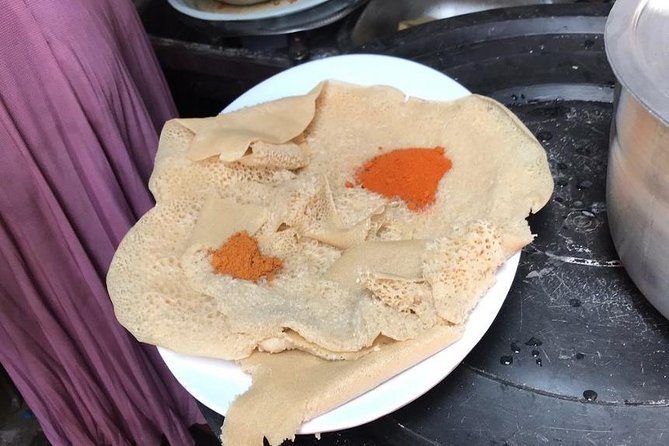
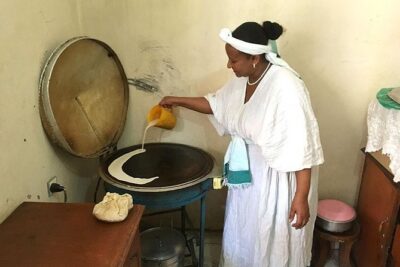
The injera lesson is the hands-on heart of the tour. You meet a group of women who guide you through the process of making Ethiopia’s traditional bread.
The experience is valuable because injera is central to Ethiopian meals. It works as food, plate, and utensil. Dishes are placed on top, and you use torn pieces of the bread to pick up the food. Making it yourself turns a familiar restaurant item into something more understandable.
Your own attempt may not look perfect. One guest described the cooking as exhilarating while also admitting that the result was hilariously bad. That is exactly the right attitude. This is not a professional baking exam. The point is to try the technique, watch the process, and enjoy eating your creation.
The tour description does not give a detailed recipe or say how long the bread-making session lasts, so you should expect a practical demonstration and participation rather than an extended culinary class. One useful suggestion from a guest was to include more instruction on preparing the sauces and dishes served with injera. That remains a fair limitation: you learn about the bread more than the full kitchen behind an Ethiopian meal.
Still, this is more personal than simply ordering injera in a restaurant. You meet people connected to the cooking process and take part in a food tradition that most visitors would only experience at the table.
Lunch at historic Taitu Hotel

Lunch takes place at Taitu Hotel in Piassa, described as Ethiopia’s oldest hotel and the first hotel in the country. The setting gives the meal a sense of place that a modern restaurant would not provide.
The food is served as an assortment of Ethiopian dishes in buffet form. A bottle of water and hot drinks are included. This format is helpful if you are new to Ethiopian food because you can sample several preparations rather than commit to one unfamiliar dish.
Portions have been described as generous, and the food is one of the most praised parts of the day. You should ask your guide to explain the dishes as they appear, especially if you are unsure about spice levels, ingredients, or how to eat them with injera.
The buffet approach also suits groups with different tastes. Some people may want meat, while others may prefer vegetables or legumes. The supplied details do not list the exact menu, so the selection may vary.
Taitu Hotel is not just a lunch stop. It is also a short lesson in Addis Ababa’s past. After lunch, the day includes sightseeing in Piassa, giving you a little more time to see this central part of the city.
Coffee, tej, and mountain air in Sululta
After the city stops, you head toward Sululta, a mountain town outside Addis Ababa. The journey changes the mood of the day. You leave the markets and traffic behind for highland scenery and a more open setting.
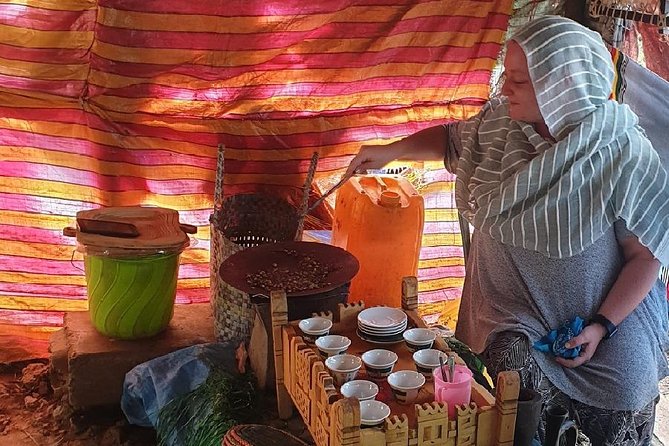
The Sululta visit lasts about two hours and includes two experiences: a full Ethiopian coffee ceremony and a tasting of honey wine, known locally as tej.
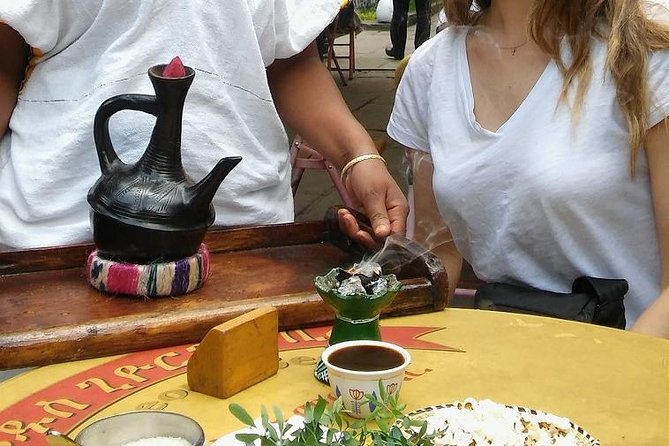
The coffee ceremony is more than a demonstration of brewing. You watch the beans being washed and roasted live before the finished coffee is served. The gradual process gives you time to understand why coffee carries such importance in Ethiopian social life.
You will want to watch the roasting closely. The aroma is part of the ceremony, and the preparation is deliberately unhurried. This is a good place to ask questions and compare what you saw at Tomoca with the traditional method.
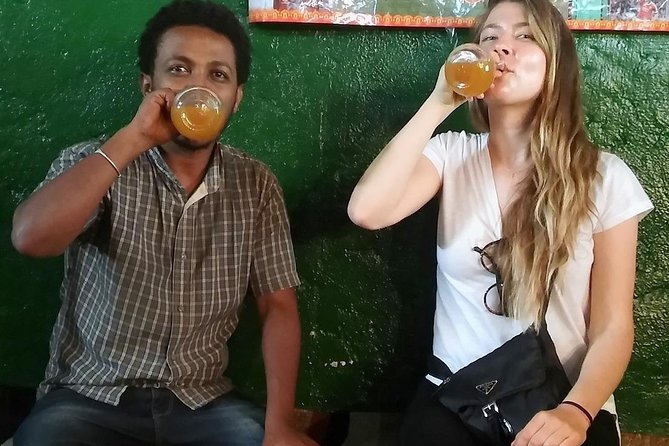
The honey wine tasting adds another local flavor. You learn about how tej is made and sample a glass. Honey wine is included, but other alcoholic drinks are not. Some experiences may also offer locally made vodka or beer, but those are not part of the stated inclusions and should be treated as extra purchases if available.
The mountain views are a welcome change after the close quarters of Merkato. The tour information does not promise a specific viewpoint or hiking activity, so think of Sululta as a scenic drive and cultural stop, not a mountain trek.
What $85 includes
At $85 per person, this is not the cheapest way to eat in Addis Ababa. You could spend far less on an individual meal or coffee. The price makes more sense when you count what is bundled into the day.
Included are:
- Pickup and drop-off anywhere in Addis Ababa, including hotels, homes, or the airport
- A vehicle, driver, fuel, and ground transport
- An English-speaking guide
- Local guides
- Lunch, water, and hot drinks
- The listed coffee and cultural experiences
You are paying for transport across several parts of the city and into Sululta, not just food. You are also paying for introductions that would be hard to arrange alone, especially the injera lesson, market guidance, and full coffee ceremony.
For a solo visitor with only one free day, the value is strong. One person booked the tour by phone the night before a spare day after a conference and had a successful outing. That flexibility is useful, though you should still confirm pickup details carefully.
The maximum group size is 30 people. That is large enough for the atmosphere to vary. A smaller group may feel more personal, while a full group may make market movement and cooking participation slower. The guides appear willing to adapt when possible, but customization should not be assumed as a guaranteed private-tour feature.
Timing, comfort, and practical concerns
The experience is listed as five to six hours, although it is described in places as a full-day tour. Plan your morning and early afternoon around it, but do not expect a dawn-to-evening expedition unless your operator confirms a longer schedule.
Wear comfortable clothing for walking and dress for changing weather. The tour operates in all weather conditions, but poor weather can lead to cancellation, with a different date or full refund offered.
The minimum age is eight. Most people can participate, though the market portion may be demanding for young children or anyone who dislikes crowds. The tour may be led by a multilingual guide, and English-speaking guiding is included.
Pickup is offered, but the meeting point is also listed as Edna Mall. Confirm the exact collection time and location before the morning begins. One poor experience involved a missed transfer and unanswered phone support during a period of severe disruption in Ethiopia. The operator later explained that unusual wartime communication problems caused the failure and said it added customer support outside Ethiopia. That incident is worth noting, not because it defines the tour, but because pickup confirmation matters.
Free cancellation is available up to 24 hours before the start time. Cancellations or changes inside that window are not refunded or accepted.
Who should book this Addis Ababa food tour?
I would choose this experience if you want food to be your route into the city. It suits first-time visitors, solo visitors, couples, and anyone with a spare day between flights or meetings.
It is especially good for you if you want:
- A broad introduction rather than one long cooking class
- Help navigating Merkato
- Several Ethiopian foods in one lunch
- A real coffee ceremony, not just a café visit
- A chance to meet local cooks and guides
- Transport handled for you across Addis Ababa and Sululta
You may want a different experience if you prefer a slow, specialized cooking course. The day emphasizes sampling and cultural explanation, with the most hands-on instruction centered on injera. It also may not suit you if crowded markets, long vehicle rides, or a group of up to 30 people sound unpleasant.
The guides make a real difference. Zerefa is praised for adjusting the day and adding extra sights when appropriate. Samuel is noted for clear explanations, while Seya received strong praise for detailed instruction about Ethiopian culture and history. Individual guide assignments can change, so treat these names as examples of the team’s strengths, not a promise that you will receive a particular guide.
Should you book it?
Yes, if you want a practical first taste of Addis Ababa and Ethiopian food culture in a single outing. The strongest elements are the market walk, injera-making session, lunch at Taitu Hotel, and the coffee ceremony in Sululta.
At $85, the tour earns its price through transport, local access, food, and the amount covered in five to six hours. Go with comfortable clothes, a flexible attitude, and modest expectations about timing. If you already visited Tomoca or Taitu Hotel, speak up early, since the guides have shown they can adjust the route.
FAQ
How long does the Ethiopian Culinary Tour last?
The tour lasts approximately five to six hours. It is also described as a full-day culinary outing, so confirm the exact schedule when arranging pickup.
What is included in the $85 price?
The price includes pickup and drop-off in Addis Ababa, a vehicle with driver and fuel, an English-speaking guide, local guides, lunch, a bottle of water, and hot drinks.
Does the tour include lunch?
Yes. Lunch is served at Taitu Hotel in Piassa and includes an assortment of Ethiopian dishes in buffet form.
Can I make injera during the tour?
Yes. You meet local women who demonstrate the process and guide you as you make injera, Ethiopia’s traditional bread.
Does the tour visit Merkato?
Yes. The tour visits the spice market in Merkato, described as Africa’s largest open-air market. The market stop lasts about one hour.
Is coffee included?
Yes. You receive coffee or a macchiato at Tomoca Coffee, and you also take part in a traditional coffee ceremony in Sululta.
Is honey wine included?
Yes. The Sululta experience includes a honey wine tasting and an explanation of how the drink is made. Other alcoholic drinks are not included.
Can children join the tour?
The minimum age is eight years old. The tour states that most people can participate.
What happens if I need to cancel?
You can cancel at least 24 hours before the start time for a full refund. Changes or cancellations made less than 24 hours before the experience are not accepted or refunded. If poor weather causes cancellation, you will be offered another date or a full refund.
Eating & Drinking in Addis Ababa
- Hidden Treasures of Addis Ababa – Food, Culture and History Tour
★ 5.0 · 57 reviews - Addis Ababa City Tours With Cocking Class of Ethiopian Food
★ 5.0 · 20 reviews - Ethiopia coffee cupping class/Ethiopian food injera making
★ 5.0 · 10 reviews - Local Ethiopian Food Tour
★ 4.0 · 7 reviews
Shopping Around Addis Ababa
- Addis Ababa: Entoto hill and Mercato Market layover tour
★ 5.0 · 5 reviews - Addis Ababa Half Day Shopping Tour
★ 5.0 · 3 reviews - Addis Ababa: Mercato Market and Sightseeing Tour
★ 5.0 · 2 reviews
New on the Addis Ababa list
- Yod Abyssinia Cultural Night: Dinner, Music, and Dance★ 5.0 · 7 reviews
- Locally crafted beer and wine tasting and nightlife in Addis tour★ 5.0 · 6 reviews
- Addis Ababa City Tours Full-Day Tours★ 5.0 · 5 reviews
- Stunning Views Wonchi Crater Lake a Private Day Trip★ 5.0 · 3 reviews
- Visiting the wonders of Lalibela in Three (3) days and Two ( 2) nights★ 5.0 · 2 reviews
- Unique Ethiopian Cooking Class and Coffee Ceremony with a Local in Addis Ababa★ 4.5 · 7 reviews
- Tribes of the Ethiopian Omo Valley – 9 Day Tour★ 5.0 · 5 reviews
- Two days Lake Wenchi and Menagesha Forest★ 5.0 · 3 reviews
Coffee & Food Experiences, compared.
Market Tour and Cooking Class with a Coffee Ceremony at a Home in Addis Ababa
Read our review →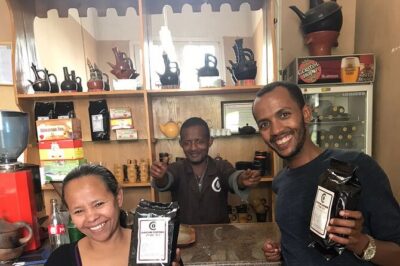
Vintage Coffee Shops, Restaurants, Sightseeing in Addis Ababa
Read our review →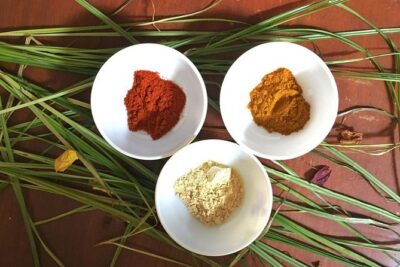
Ethiopian Cooking Class and Coffee Ceremony with a Local in Addis with transfers
Read our review →
Ethiopia coffee cupping class/Ethiopian food injera making
Read our review →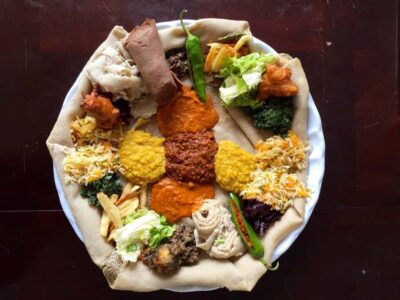
Ethiopian Culinary Tour – Market, Coffee Ceremony and More
Read our review →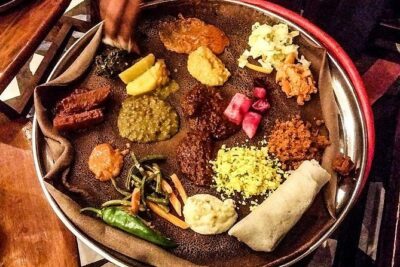
Unique Ethiopian Cooking Class and Coffee Ceremony with a Local in Addis Ababa
Read our review →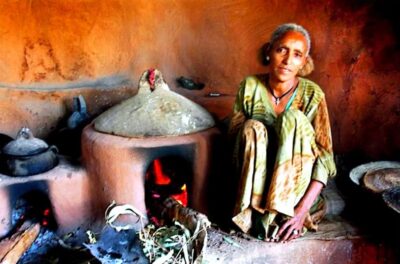
Browse the lists this tour appears in