
Reviewed · COFFEE & FOOD EXPERIENCES
Ethiopian Cooking Class and Coffee Ceremony with a Local in Addis with transfers
Coffee here begins with fire, not a machine. This private Addis Ababa experience brings you into Daniel and Tigist’s home kitchen to prepare Ethiopian food, cook injera, and roast coffee beans. I especially like the personal setting and the chance to talk with Daniel about food, culture, and Ethiopia’s regions. The main consideration is the $154 per-person price, which is high for a four-hour activity unless you value the private meal, transfers, and cultural conversation.
The 3:30 pm start works well if you want a relaxed evening activity, and hotel pickup removes some of the guesswork in Addis Ababa. I also like that vegetarian meals and dietary needs can be arranged, but you need to mention them when booking. The menu changes with the season, so you should expect a genuine home meal rather than a fixed restaurant-style menu.
In This Review
- Key points to know before you book
- A Home Kitchen Instead of a Tourist Classroom
- What Happens After the 3:30 pm Pickup
- Learning Shiro, Tibs, and the Art of Injera
- From Cooking Lesson to Shared Ethiopian Meal
- Roasting Coffee in Ethiopia’s Birthplace
- Why the Private Format Matters
- Practical Details That Affect Your Decision
- Who Will Enjoy This Addis Ababa Experience Most
- Should You Book It?
- FAQ
- How long does the Ethiopian cooking and coffee experience last?
- What time does the experience start?
- Is hotel pickup and drop-off included?
- Is this a private activity?
- What dishes might I learn to prepare?
- Is a vegetarian option available?
- Can I request an additional dish?
- What is included in the price?
- What is the cancellation policy?
Key points to know before you book
- Daniel and Tigist host you in their home kitchen, not in a commercial cooking school.
- The cooking portion lasts about 1.5 to 2 hours, followed by a meal and traditional coffee ceremony.
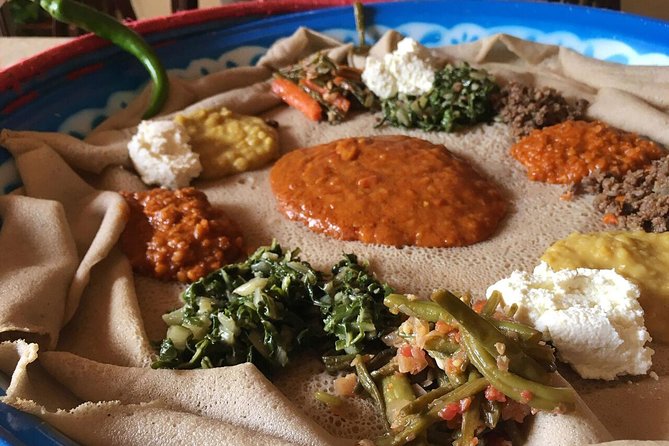
- You may prepare shiro or tibs, along with injera, Ethiopia’s famous spongy flatbread.
- Coffee roasting is part of the experience, giving you a direct connection to Ethiopia’s coffee culture.
- Hotel pickup and drop-off are included, a useful benefit in an unfamiliar city.
- The experience is private, so only your group takes part.
A Home Kitchen Instead of a Tourist Classroom
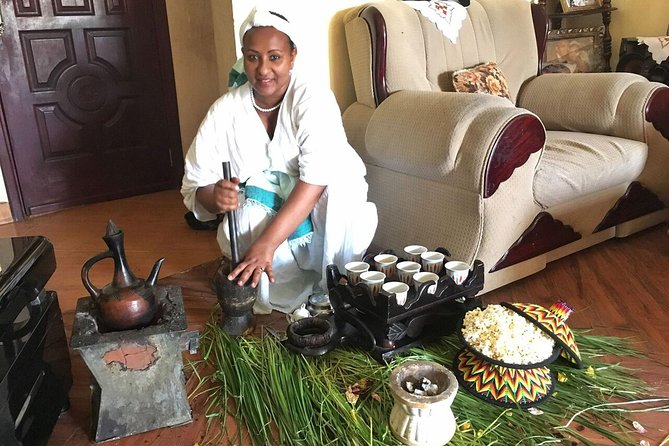
This Addis Ababa cooking class is built around a visit to a local home. That choice changes the tone from a formal lesson to a shared afternoon with a family. You are not simply watching a chef demonstrate a recipe. You are entering Daniel and Tigist’s kitchen, learning how food is prepared in an Ethiopian household, then sitting down to eat it.
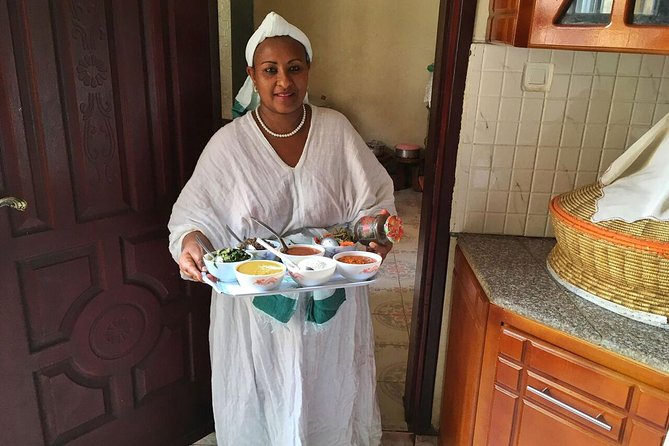
Tigist learned to cook by helping her mother as a child. After marrying Daniel, she ran her own kitchen and developed the practical cooking experience that makes this sort of lesson useful. Her role is central to the food side of the visit, especially the preparation of the main dish and injera.
Daniel brings a different strength. He has a master’s degree in Social Anthropology and has worked in tourism for more than a decade. He speaks excellent English and enjoys discussing food, Ethiopian history, politics, and daily life. If you like asking questions, you will have plenty to talk about beyond the recipes.
The family is from Oromia, but the cooking is not limited to one regional menu. Daniel and Tigist prepare dishes from around Ethiopia, so you should think of this as a pan-Ethiopian introduction rather than a narrow lesson in one local cuisine.
Their three sons may join you if you visit on a weekend. That can add a family feel to the afternoon, though it also means the setting may feel less like a polished class and more like a real home visit. For me, that is part of the appeal, as long as you prefer personal contact over a highly structured cooking school.
Coffee ceremonies and Ethiopian cooking in Addis Ababa:
- Ethiopian Culinary Tour – Market, Food, Coffee Ceremony & more
★ 5.0 · 65 reviews - Market Tour and Cooking Class with a Coffee Ceremony at a Home in Addis Ababa
★ 5.0 · 32 reviews - Vintage Coffee Shops, Restaurants, Sightseeing in Addis Ababa
★ 5.0 · 17 reviews
What Happens After the 3:30 pm Pickup
The experience begins at 3:30 pm, with pickup from your hotel. You must provide the hotel name and address when booking. Pickup and drop-off are included, which is helpful because you do not need to arrange a taxi to a private residence or work out the return trip after dinner.
The full experience lasts about four hours. The exact rhythm can vary because this is a home-based activity, but the cooking lesson itself takes roughly 1.5 to 2 hours. The remaining time allows for eating, conversation, and the coffee ceremony.
A visit to a private home requires a slightly different mindset from a standard tour. You should arrive ready to participate, listen, and ask questions. The purpose is not to rush through a list of recipes. It is to share food and culture with people who live in Addis Ababa.
One particularly appealing part is the chance to see a hillside neighborhood on the outskirts of Addis Ababa. That setting gives the outing a sense of place beyond the kitchen itself. It can help you see a side of the city that a hotel, restaurant, or museum visit may not provide.
Learning Shiro, Tibs, and the Art of Injera
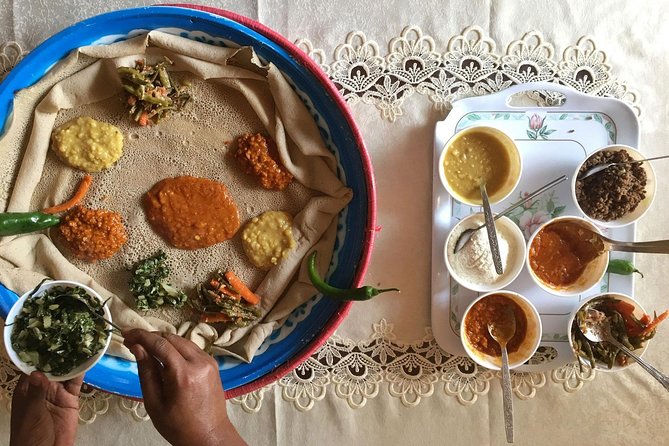
The menu can change with the season, so the exact dish is not fixed. You might learn to make shiro, a stew prepared with chickpea or broad bean flour, or tibs, stir-fried meat cooked with vegetables and spices. The choice gives you a useful introduction to two different sides of Ethiopian cooking.
Shiro is a good option if you want a filling vegetarian dish with a smooth, savory texture. Tibs offers a meat-based alternative with a more direct focus on stir-frying and spice. You should not assume you will prepare both. The experience description presents them as possible dishes, not a guaranteed two-course cooking program.
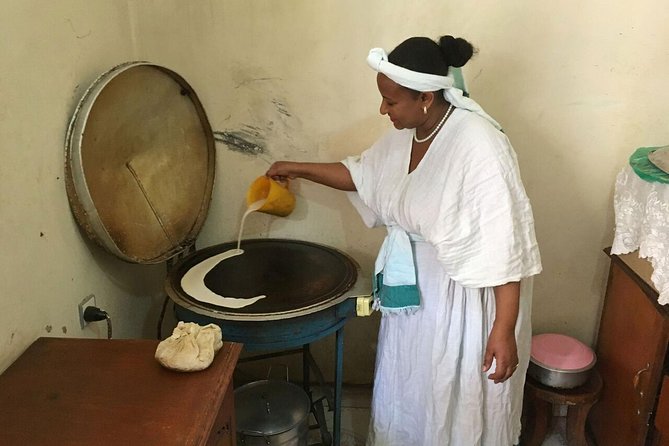
The most important skill is likely injera. This spongy flatbread is used throughout Ethiopian meals as both plate and utensil. You will learn how to pour and cook it, which is not just a recipe step but a key part of understanding how Ethiopian food is served and eaten.
I like that the class includes injera rather than treating it as a side item bought in advance. Making it requires a different kind of attention from cooking a stew. The process is tied to the texture and shape of the finished bread, so you get a better sense of why injera is so important at the table.
If you want to learn an additional dish, you can request it in advance. The extra lesson will extend the cooking time, so it is worth mentioning your request when you book rather than waiting until you arrive. This is a good choice for serious food enthusiasts, but it may make the afternoon longer than planned.
From Cooking Lesson to Shared Ethiopian Meal
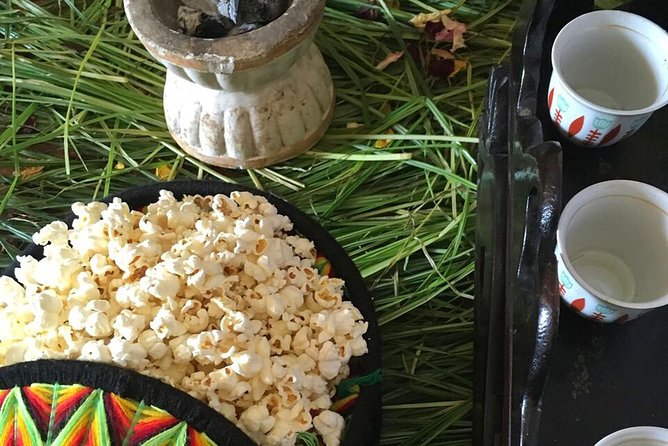
After cooking, you eat the food you helped prepare. The meal is included in the price, along with bottled water and coffee or tea. That makes the experience feel like a complete visit rather than a class where you leave after the final demonstration.
Eating in the home kitchen is valuable because it puts the recipes into context. Shiro or tibs makes more sense when you see it prepared, served with injera, and enjoyed as part of a shared meal. You also have time to ask Daniel and Tigist about ingredients, family cooking, and regional differences.
The meal is not presented as a restaurant tasting menu. Portions and dishes can depend on the season and the hosts’ plan for the day. That gives you a more natural experience, but it also means you should not book this expecting a guaranteed menu with several named courses.
Alcoholic drinks are not included. Other beverages are covered, and the experience includes all taxes, fees, handling charges, gratuities, and bottled water. Since gratuities are already included, you do not need to calculate an additional tip unless you personally want to offer one.
A different sort of day out, same part of Ethiopia:
- Full Day Tour of Addis Ababa with Hotel Pickup and Drop-off
★ 5.0 · 430 reviews - Taste of Ethiopia
★ 5.0 · 406 reviews - Day Trip From Addis Ababa See Historical Monastery,Stunning Nature,Animals,Birds
★ 5.0 · 303 reviews - Addis Ababa: Debre Libanos, Blue Nile Gorge, and Cave Tour
★ 4.5 · 256 reviews
Roasting Coffee in Ethiopia’s Birthplace
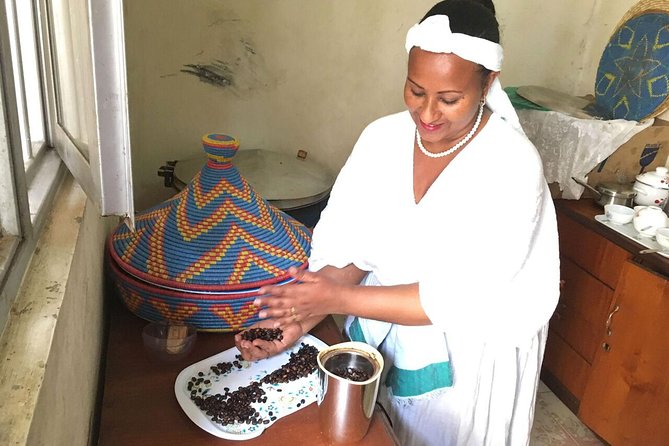
The coffee portion adds a second cultural subject to the food lesson. You will roast coffee beans and learn about the drink’s origins in Ethiopia, widely regarded as coffee’s birthplace. The roasting makes this more hands-on than simply being handed a cup at the end of a meal.
The experience is especially worthwhile if coffee is part of how you travel. You get to see the beans before they become the familiar dark drink, then take part in the preparation. The ceremony also gives the afternoon a slower closing rhythm after the cooking and meal.
The available information confirms roasting and a traditional coffee ceremony, along with coffee or tea as included drinks. It does not promise a detailed lesson on every stage of the ceremony, so you should treat the coffee segment as a cultural introduction rather than a professional barista course.
Daniel’s background should help here. His interest is not limited to cooking instructions. He enjoys explaining Ethiopian culture and talking with people from different backgrounds, so you can ask about coffee customs, food traditions, or the country more broadly.
Why the Private Format Matters
This is a private activity, meaning only your group participates. That is a major difference from a large group cooking class. You can ask questions without waiting for a dozen other people, and Daniel and Tigist can adapt the conversation to your interests.
The private format also makes this a better choice for families, couples, or small groups who want a personal introduction to Addis Ababa. If you are traveling with a vegetarian, someone with an allergy, or a person with a specific food preference, tell the hosts when booking. A vegetarian option is available.
The tradeoff is cost. At $154 per person, this is not a budget meal or a quick market lesson. The price includes transport in both directions, a private class, the meal, beverages, coffee or tea, bottled water, taxes, fees, and gratuities. You are also paying for access to a local home and for Daniel’s time as an experienced tourism professional.
I would judge the value by comparing it with what you want from your Addis Ababa visit. If you only want to eat Ethiopian food, a restaurant will cost much less. If you want a private cultural meeting, hands-on instruction, a home meal, and coffee roasting without arranging transport yourself, the price becomes easier to justify.
The experience is booked an average of 35 days in advance. That suggests you should not leave it until the last moment, especially if your Addis Ababa schedule is short or your dates are fixed.
Practical Details That Affect Your Decision
The 3:30 pm start gives you a clear afternoon plan and places the meal in the evening portion of your day. You should allow the full four hours rather than scheduling another activity immediately afterward. Cooking times can shift, particularly if you request an extra dish.
The menu may vary with the season. If you have a strong preference for shiro, tibs, or another dish, ask about it before booking, but do not assume every request can be guaranteed. The hosts’ ability to adjust is one of the benefits of a private experience, while the seasonal menu keeps the meal connected to what is available.
Hotel pickup and drop-off are included, but the booking must contain your hotel name and address. This matters in Addis Ababa, where a private home may not be an obvious meeting point for someone visiting the city for the first time.
Confirmation is provided at booking. The activity has a mobile ticket, which means you can keep the booking details on your phone.
The cancellation rule is strict inside the final two full days. Cancel at least two days before the start time for a full refund. Cancellations or changes made within two days are not accepted for a refund, and the cut-off follows local time in Addis Ababa.
Who Will Enjoy This Addis Ababa Experience Most
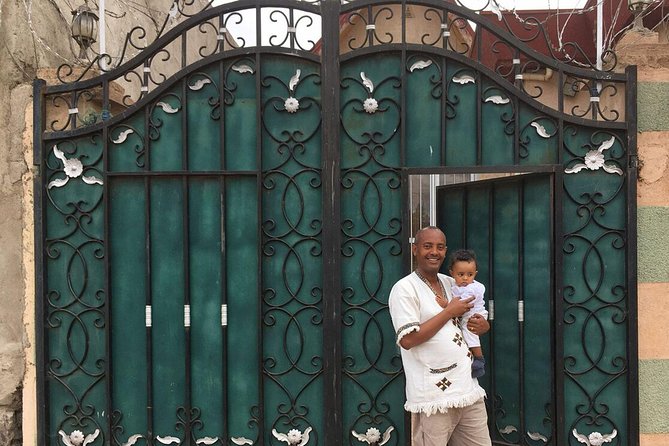
I would choose this for someone who wants conversation as well as cooking. Daniel’s interests make the visit suitable for people who like asking about politics, culture, history, and daily life, not just measuring ingredients.
It also suits coffee fans, food-focused visitors, and anyone with limited time in Addis Ababa. The hotel transfers reduce practical work, while the four-hour length gives you a substantial cultural activity without taking an entire day.
Families may like the home setting, particularly if children are comfortable around a kitchen and a family environment. The hosts’ sons may be present on weekends, adding to the informal atmosphere.
Vegetarians can take part, provided the request is made at booking. People with allergies or dietary restrictions should also give advance notice. Since the menu changes, early communication is important.
I would hesitate to book this if you want a formal culinary course with printed recipes, a fixed menu, or professional kitchen equipment. That is not what is offered. The strength here is the personal setting, not a classroom-style production.
Should You Book It?
Book this experience if you want to meet local hosts, cook Ethiopian food in a real home, and understand injera and coffee through participation. Daniel and Tigist offer more than a meal, with Daniel’s tourism background and Tigist’s family-based cooking experience giving the afternoon both context and practical substance.
At $154 per person, it is best viewed as a private cultural visit with transportation, instruction, food, and drinks included. It is not the cheapest way to have dinner in Addis Ababa, but it is a strong choice for a first visit when you want personal contact and an easy plan.
I would book it several weeks ahead, state your hotel details and dietary needs clearly, and ask in advance if you want an extra dish. If those points fit your plans, this is one of the more direct ways to connect Ethiopian food, coffee, and family life in a single afternoon.
FAQ
How long does the Ethiopian cooking and coffee experience last?
The experience lasts approximately four hours. The cooking class itself takes about 1.5 to 2 hours, with additional time for the meal and coffee ceremony.
What time does the experience start?
The start time is 3:30 pm.
Is hotel pickup and drop-off included?
Yes. Transfers from and back to your hotel are included. You need to provide your hotel name and address when booking.
Is this a private activity?
Yes. Only your group participates in the experience.
What dishes might I learn to prepare?
You might prepare shiro, a chickpea or broad bean stew, or tibs, stir-fried meat with vegetables and spices. You will also learn how to pour and cook injera.
Is a vegetarian option available?
Yes. A vegetarian option is available, but you should request it when booking.
Can I request an additional dish?
Yes. You can request an additional dish in advance. The extra dish will extend the cooking time.
What is included in the price?
The price includes hotel transfers, a private cooking class and meal, beverages, bottled water, coffee or tea, taxes, fees, handling charges, and gratuities. Alcoholic drinks are not included.
What is the cancellation policy?
You can receive a full refund if you cancel at least two full days before the experience start time. Cancellations or changes made within two days are not accepted for a refund.
New on the Addis Ababa list
- Yod Abyssinia Cultural Night: Dinner, Music, and Dance★ 5.0 · 7 reviews
- Locally crafted beer and wine tasting and nightlife in Addis tour★ 5.0 · 6 reviews
- Addis Ababa City Tours Full-Day Tours★ 5.0 · 5 reviews
- Stunning Views Wonchi Crater Lake a Private Day Trip★ 5.0 · 3 reviews
- Visiting the wonders of Lalibela in Three (3) days and Two ( 2) nights★ 5.0 · 2 reviews
- Unique Ethiopian Cooking Class and Coffee Ceremony with a Local in Addis Ababa★ 4.5 · 7 reviews
- Two days Lake Wenchi and Menagesha Forest★ 5.0 · 3 reviews
- Tribes of the Ethiopian Omo Valley – 9 Day Tour★ 5.0 · 5 reviews
Coffee & Food Experiences, compared.
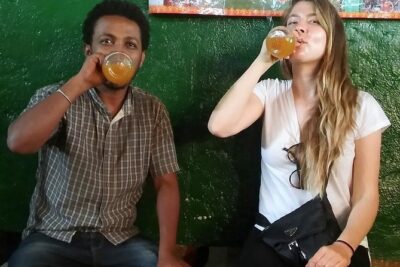
Ethiopian Culinary Tour – Market, Food, Coffee Ceremony & more
Read our review →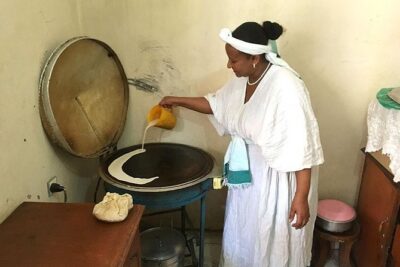
Market Tour and Cooking Class with a Coffee Ceremony at a Home in Addis Ababa
Read our review →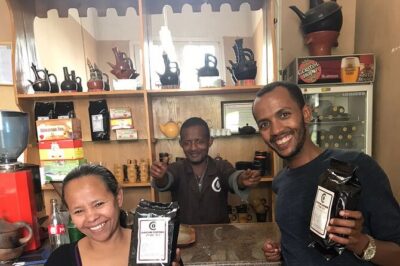
Vintage Coffee Shops, Restaurants, Sightseeing in Addis Ababa
Read our review →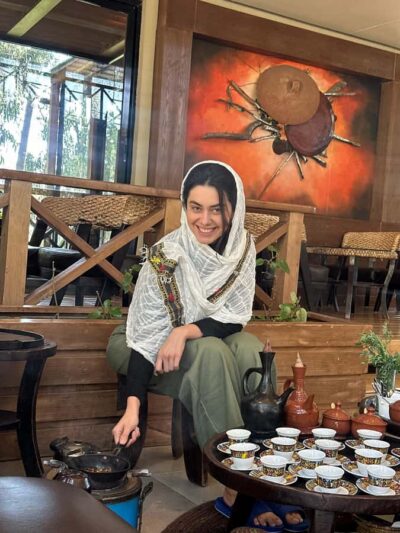
Ethiopia coffee cupping class/Ethiopian food injera making
Read our review →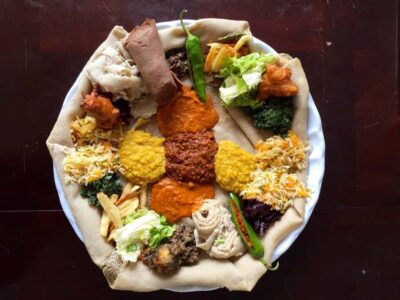
Ethiopian Culinary Tour – Market, Coffee Ceremony and More
Read our review →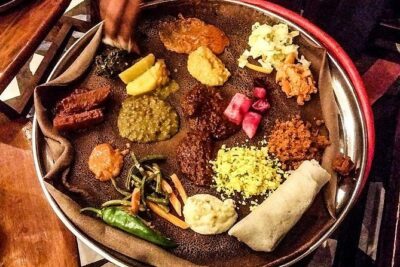
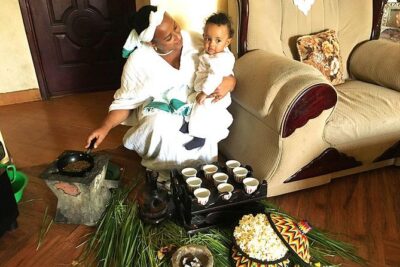
Unique Ethiopian Cooking Class and Coffee Ceremony with a Local in Addis Ababa
Read our review →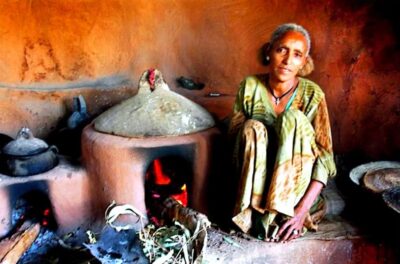
Browse the lists this tour appears in