
Reviewed · ROCK-HEWN CHURCH TOURS
3-days Scheduled Lalibela Churches & Abune Yosef Trekking
Lalibela’s best views require walking. This three-day trip pairs the UNESCO rock-hewn churches with a community-based trek through the Ethiopian highlands, where village life, coffee ceremonies, Gelada baboons, and mountain scenery become part of the experience. I especially like the overnight stay in Ade Medhamialem village and the chance to reach Mount Abune Yosef at about 4,200 to 4,280 meters.
I also like that the trip puts money and attention into local communities, rather than keeping you only in town. Guides such as Sami, Joseph, Moges, and Kanu have earned warm praise for pacing groups carefully and creating a friendly atmosphere. The main caution is physical: the tour is labeled easy, but day two covers more than 18 kilometers and reaches high altitude, so it is not a gentle sightseeing walk.
- Mount Abune Yosef reaches roughly 4,200 to 4,280 meters, with wide views over the valleys around Lalibela.
- A village overnight adds real local contact, including a coffee ceremony, simple mountain life, and the possibility of visiting a school.
- Gelada baboons and Lammergeier vultures are among the wildlife you may spot along the route.
- The three days combine trekking and culture, ending with Lalibela’s churches, including St. George.
- The $350 price includes guides, park and church fees, meals, water, and hotel pickup and drop-off, though the first breakfast is not included.
- The group can reach 16 people, and departures are scheduled for Mondays and Fridays.
In This Review
- What the Three Days Are Really Like
- Day One: Asheton Maryam and the Mountain Village
- Day Two: The Hard Climb to Abune Yosef
- Day Three: Returning to Lalibela and Entering the Churches
- Village Life, Coffee, and Community Benefits
- What the $350 Price Includes
- Guides, Group Size, and Pace
- Who Will Enjoy This Trek Most?
- Smart Packing for Three Days
- Should You Book the Abune Yosef Trek?
- FAQ
- How long is the Lalibela and Abune Yosef tour?
- Which days does the tour depart?
- How high is Mount Abune Yosef on this route?
- Are meals included?
- Is the Lalibela church entrance fee included?
- What happens if I need to cancel?
What the Three Days Are Really Like
This is not simply a church tour with a short walk added on. It is a small trek with a major cultural visit at the end. You spend two nights away from your Lalibela hotel, sleep in or near a mountain village, and cover about 45 kilometers in total.
The route is designed around community-based tourism. That means the village stop is not a decorative cultural performance built for a busload of sightseers. You are given time to see daily routines, eat local meals, and take part in a coffee ceremony. The trade-off is comfort. Accommodation in the mountains is simple, and one past participant specifically advised bringing a sleeping bag if possible. Blankets are provided, but you should not expect hotel bedding.
The tour operates in all weather, so pack for changing conditions. At high altitude, sun, wind, and cold can all matter in the same day. You will need a moderate level of fitness, sturdy walking shoes, warm layers, and enough patience to move at a steady pace.
Day One: Asheton Maryam and the Mountain Village
The tour begins with a practical meeting at the operator’s office in central Lalibela, next to the Ethiopian Airlines office. This takes place the day before the walk and gives you a chance to confirm the plan, study the route map, and ask questions.
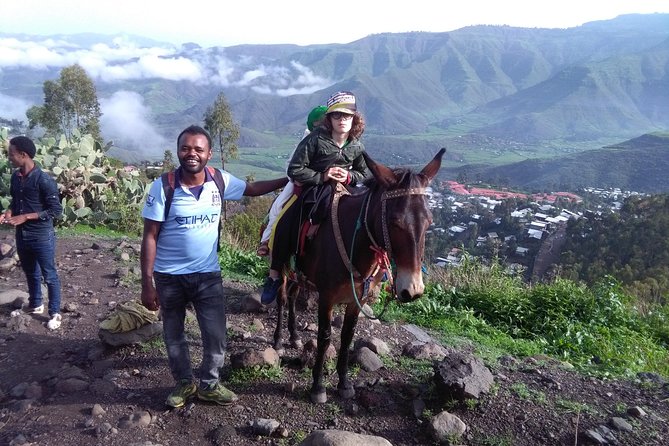
At about 7:45 the next morning, your guide and porter meet you at your hotel. Equipment and supplies are organized for transport by donkey, then the walk begins from the office. Hotel pickup is included, although transportation to attractions is listed separately, so clarify the exact starting transfer when you confirm your booking.
The first major stop is Asheton Maryam Monastery, a mountain church reached by an ecological trekking route. The day also takes in Ade Medhamialem, Asheton, Hudad, and the lower approaches to Mount Abune Yosef. At about seven hours, this is a full day on your feet.
The appeal here is the gradual change from town to open highland. You move away from Lalibela’s streets and into fields, paths, and settlements where the pace of life is slower. This is also the day when the trip’s cultural side becomes clear. A coffee ceremony in a mountain village is one of the most memorable details of the route, particularly if this is your first visit to Ethiopia.
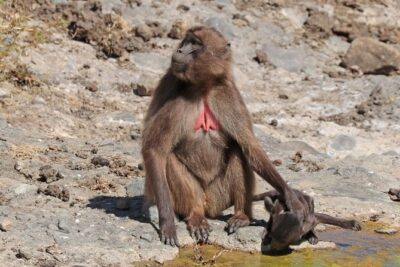
You may also see Gelada baboons and large birds such as the Lammergeier, sometimes called the bearded vulture. The animals are not guaranteed, but they are a genuine possibility along the mountain route. The first night is spent around Ade Medhamialem village, where the simple setting is part of the point.
This day has a practical drawback. The combination of climbing, rough paths, and a long walking time can feel harder than the easy grade suggests. People with limited hiking experience can manage it at a slow pace, but you should not arrive expecting a casual stroll.
More Rock-Hewn Church Tours in Lalibela:
- Visiting Lalibela churches
★ 5.0 · 40 reviews - Visit the rock hewn churches
★ 5.0 · 39 reviews - Tour 11 monolithic rock churches & museum in Lalibela & cave church with mummies
★ 5.0 · 37 reviews
Day Two: The Hard Climb to Abune Yosef
Day two starts early after breakfast. You walk toward Tegu Kebele and visit the small and big Ziget Mountains before continuing toward Mount Abune Yosef. Lunch is taken at or near the summit, at an altitude listed around 4,200 meters, with the full trip description giving a high point of about 4,280 meters.
This is the demanding day. The route covers more than 18 kilometers and lasts about ten hours. Even if the trail itself is not technically difficult, altitude and distance can make a straightforward path tiring. Your guide’s pacing matters here, and the supplied experiences give special credit to guides Sami, Joseph, Moges, and Kanu for helping mixed-ability groups keep moving without turning the day into a race.
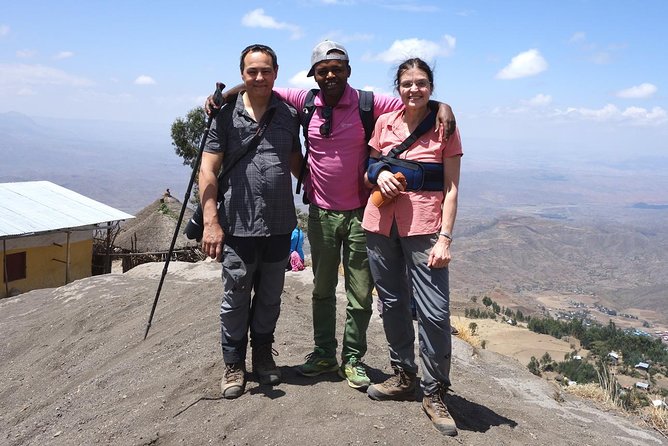
The reward is the view. From Abune Yosef, you can look across broad valleys and highland fields around Lalibela. The simple huts, steep cultivated plots, grazing animals, and open mountain spaces make this feel far removed from the church complex below.
You return to Ade Medhamialem village for the night. That return is useful because you do not need to change accommodation again after the summit, but it also means day two is a long out-and-back effort. Bring water, protect yourself from the sun, and carry only what you need. Bottled water is included, and a porter and donkey are part of the support arrangement, but you still need a day pack for personal essentials.
High altitude deserves respect. The tour is not marketed as an extreme climb, yet 4,200 meters is high enough for some people to feel breathless or unusually tired. A moderate fitness level is required, and you should tell the guide if you need a slower pace or a rest.
Day Three: Returning to Lalibela and Entering the Churches
The final morning begins with breakfast and a downhill walk back toward Lalibela. The descent takes about five hours, followed by lunch and an afternoon visit to the rock-hewn churches.
This order works well. You first experience the countryside on foot, then return to the town’s great architectural site with a better sense of the terrain around it. Lalibela’s churches are not isolated monuments. They are carved into and out of the rock, connected to the town and the surrounding highlands in a way that makes the preceding trek feel relevant.
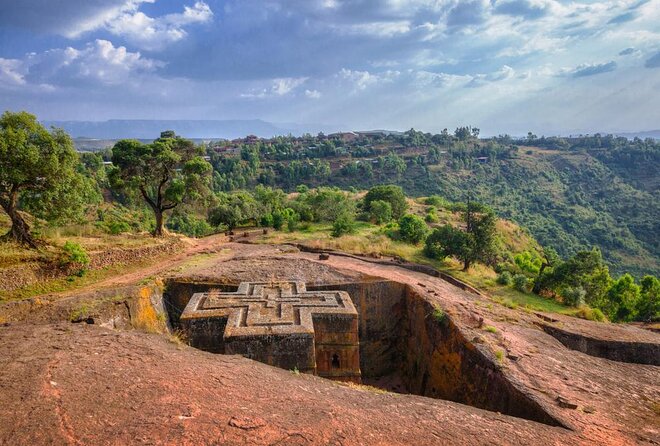
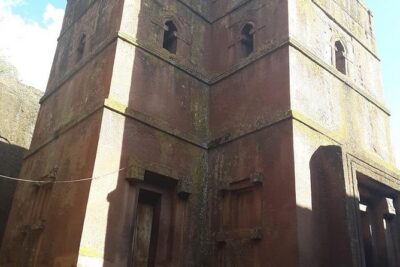
The church visit includes St. George, the famous cross-shaped church cut down into the rock. The exact sequence of churches is not specified, so ask your guide at the start of the afternoon which sites are planned and how much time you will have at each one.
The third day is shorter than the second, but the downhill walking can still leave your legs tired. Wear shoes with good grip, especially if rain has made paths slippery. After two nights in basic village accommodation, returning to Lalibela also gives you a welcome change of pace.
Village Life, Coffee, and Community Benefits
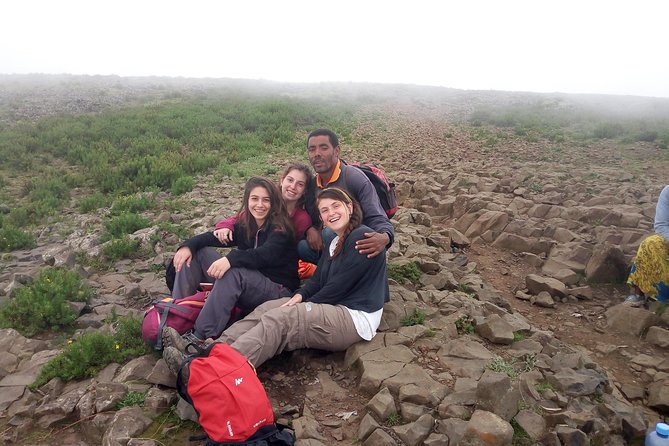
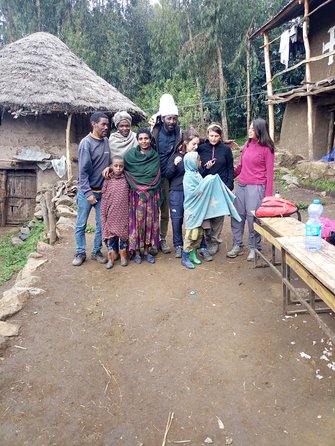
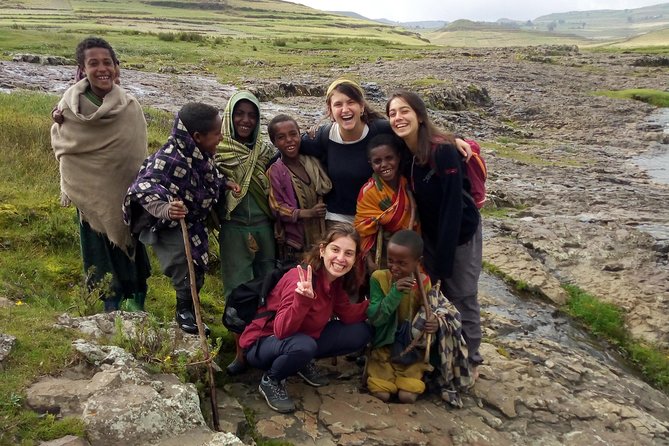
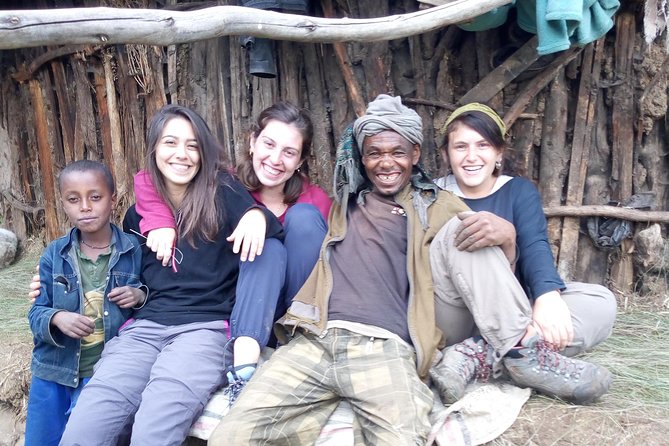
The strongest feature of this trip is the contact with mountain communities. You are not only passing through villages for a photograph. The overnight stay, local meals, coffee ceremony, and visits connected with community life give the trek a human center.
A school visit has also been part of the experience for some groups. Since this is not listed as a guaranteed stop, consider it a possible addition rather than a promise. The same applies to wildlife sightings. Geladas and Lammergeiers are notable possibilities, but nature does not work to a timetable.
The community-based model is important because it directs part of the value of the trip toward local guides, porters, village hosts, and services. It also makes the experience less polished in a good way. You may see simple homes, farm animals, steep fields, and ordinary work rather than a staged version of rural Ethiopia.
That authenticity comes with limits. Facilities in the village are basic, and the sleeping arrangements may not suit someone who needs hotel-level comfort. Bring a sleeping bag if you can, along with a headlamp, warm clothes, and personal toiletries. The operator says enough blankets will be provided, but extra insulation is sensible at high altitude.
More Hiking Tours in Lalibela:
- Trekking in Ethiopia’s Lalibela Wollo Highland 4 Days / 3 Nights
★ 5.0 · 6 reviews - Day Hike Around Lalibela
★ 5.0 · 5 reviews - Lasta Mountains: Highland Eco Trekking Tour in Lalibela
★ 5.0 · 4 reviews - Lalibela 2-Day Eco Trekking Tour
★ 5.0 · 3 reviews
What the $350 Price Includes
At $350 per person, the tour offers solid value if you want both the trek and the churches. The price includes:
- Professional guide for the churches and trekking
- Porter support
- Hotel pickup and drop-off
- Bottled water
- Lalibela church entrance fee
- Park entrance fee
- Two breakfasts
- Two lunches
- Two dinners
- Airport or departure tax
The first day’s breakfast is not included. Transportation to and from attractions is also listed as excluded, despite hotel pickup and drop-off being included, so ask for a clear explanation of any transfers before departure. Alcoholic drinks cost extra.
The value is strongest for people who would otherwise need to arrange separate church admission, a mountain guide, village accommodation, meals, and park access. You are also paying for organization and local support, not just for a marked route.
The price is less attractive if you want only to see Lalibela’s churches or if you prefer independent hiking with your own accommodation. In that case, the two-night community stay and included services may be more than you need. For a combined cultural and outdoor trip, though, the inclusions cover most of the major costs.
Guides, Group Size, and Pace
The maximum group size is 16 people. That is still large enough for different walking speeds to matter, especially on the ten-hour summit day. Ask how many people are booked when you reserve, and tell the operator about your fitness level.
The strongest guide feedback centers on patience and encouragement. Sami and Joseph helped a group that included architecture students with mixed hiking ability. Moges guided another three-day trek, while Kanu is closely connected with the local operation and its community program.
You should still treat guide quality as part of the booking decision. A good guide can adjust the pace, explain local customs, help with village interactions, and keep the day organized. When you meet at the office, confirm the route, overnight arrangements, meal plan, and what the porter or donkey will carry.
Departures are scheduled every Monday and Friday. The tour is usually booked about eight days ahead, so last-minute places may not always be available. Confirmation is provided at booking, and free cancellation is available up to 24 hours before the local start time. Changes or cancellations inside that window are not accepted for a refund.
Who Will Enjoy This Trek Most?
I would recommend this experience to you if you want active cultural travel rather than a standard sightseeing day. It suits people who enjoy walking, simple accommodation, village meals, wildlife spotting, and time outdoors.
It is also a good choice for small groups with mixed ability, provided everyone accepts a slow and steady pace. The route does not require technical climbing, but the distance and altitude still demand preparation.
You may want a different plan if you have a low tolerance for cold nights, basic bedding, long walking days, or uncertain wildlife sightings. The word easy should not outweigh the practical details: 45 kilometers, a summit around 4,200 meters, and a ten-hour second day.
Smart Packing for Three Days
Pack lightly, since supplies are carried by donkey and porter, but do not cut essential warmth. I would bring:
- Sturdy walking shoes with reliable grip
- Warm layers and a waterproof outer layer
- A sleeping bag if available
- Sun protection, including a hat and sunscreen
- A small day pack
- Personal toiletries and any needed medication
- A refillable bottle or extra water container
- A camera with protection from dust and rain
Because the tour runs in all weather, clothing matters more than fashion. The highland sun can be strong, while evenings in the village may be cold. Keep valuables and important personal items with you rather than sending everything with the donkey.
Should You Book the Abune Yosef Trek?
Book it if you want Lalibela to be more than a church stop. The combination of Asheton Maryam, a mountain village, a coffee ceremony, Gelada baboons, Mount Abune Yosef, and St. George gives you a fuller picture of the area than a town tour alone.
I would be cautious only if you are unprepared for day two. Confirm the sleeping arrangements, ask about transfers, bring a sleeping bag if possible, and be honest about your walking ability. For fit walkers who value local contact and are happy with simple conditions, the $350 cost is a fair exchange for three carefully organized days in the Lalibela highlands.
FAQ
How long is the Lalibela and Abune Yosef tour?
The experience lasts three days and includes approximately 45 kilometers of trekking.
Which days does the tour depart?
Scheduled departures are every Monday and Friday.
How high is Mount Abune Yosef on this route?
The summit is described as approximately 4,200 meters, with the overall trip information giving an altitude of about 4,280 meters.
Are meals included?
Two breakfasts, two lunches, and two dinners are included. Breakfast on the first day is not included, and alcoholic drinks cost extra.
Is the Lalibela church entrance fee included?
Yes. The Lalibela Churches Entrance Fee and the park entrance fee are included.
What happens if I need to cancel?
You can receive a full refund if you cancel at least 24 hours before the experience start time. Cancellations or changes made less than 24 hours in advance are not accepted for a refund.
New on the Lalibela list
- Trekking in Ethiopia’s Lalibela Wollo Highland 4 Days / 3 Nights★ 5.0 · 6 reviews
- Lalibela Backpacker tours★ 5.0 · 6 reviews
- The Rock-Hewn Churches of Lalibela: 3 Days / 2 Nights★ 5.0 · 6 reviews
- Lasta Mountains: Highland Eco Trekking Tour in Lalibela★ 5.0 · 4 reviews
- Lalibela churches Guided Tour★ 5.0 · 6 reviews
- Day Tour of the Rock Hewn Churches of Lalibela★ 5.0 · 2 reviews
- Lalibela 2-Day Eco Trekking Tour★ 5.0 · 3 reviews
- Lalibela Churches Day Tour★ 5.0 · 7 reviews
Rock-Hewn Church Tours, compared.
12 Days SIMIEN MOUNTAIN-LALIBELA-DANAKIL-TIGRAY CHURCHES
Read our review →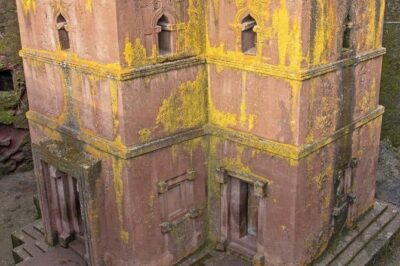
Tour 11 monolithic rock churches & museum in Lalibela & cave church with mummies
Read our review →
Ethiopia Tigray Tours: Guided tour of Tigray rock hewn churches
Read our review →
5 DAYS Lalibela, Axum, Tigray churches and Danakil
Read our review →
6 Days tour Package (Simien Mountains, Lalibela, and Danakil Depression)
Read our review →
Lalibela, Axum, Danakil and Omo Valley 8 DAYS
Read our review →Browse the lists this tour appears in