
Reviewed · DEBRE LIBANOS DAY TRIPS
Day trip to Debre Libanose and Portuguese Bridge.
Sacred places and wild cliffs make a fine day out. From Addis Ababa, this private eight-hour trip takes you to Debre Libanos Monastery, the cave of Saint Tekle Haimanot, and the Portuguese Bridge, with time for waterfalls, gorge views, birds, and Gelada baboons. I like the mix of Ethiopian religious history and outdoor scenery, and I like that hotel or airport pickup is included. The main drawback is the long day by road, with meals and drinks left for you to arrange.
I also like the small private-group format. It should give you more room to ask questions than a large coach trip, and the guide can shape the walking pace around the monastery and bridge. A verified booking from October 2024 praised the guide for being supportive and attentive to details, though only two ratings are available, so the perfect score is encouraging but not a large sample.
In This Review
- Key points to know before you book
- Why this day trip works from Addis Ababa
- Entering Debre Libanos Monastery
- The cave of Saint Tekle Haimanot
- Waterfalls, wooded hills, and the Jemma gorge
- Portuguese Bridge and the story behind its name
- Bird watching and Gelada baboons
- How the eight-hour schedule feels
- What you pay for at $131
- Practical advice for a smoother day
- Who should book this experience?
- Should you book the Debre Libanos day trip?
- FAQ
- How long does the Debre Libanos and Portuguese Bridge tour last?
- Where can pickup and drop-off take place?
- What is included in the tour price?
- Are meals and drinks included?
- Is the tour private?
- What language does the guide speak?
- Who founded Debre Libanos Monastery?
- Was Portuguese Bridge built by the Portuguese?
- What wildlife might I see?
- What should I bring?
Key points to know before you book
- Saint Tekle Haimanot’s cave: Visit the place where the Ethiopian saint prayed until his death at age 98.
- A monastery with national importance: Debre Libanos was founded in 1284 and helped spread Christianity through central Ethiopia.
- Portuguese Bridge is a useful correction: Despite its name, the bridge was built in the 19th century by Ras Darge, in an older Nile bridge style.
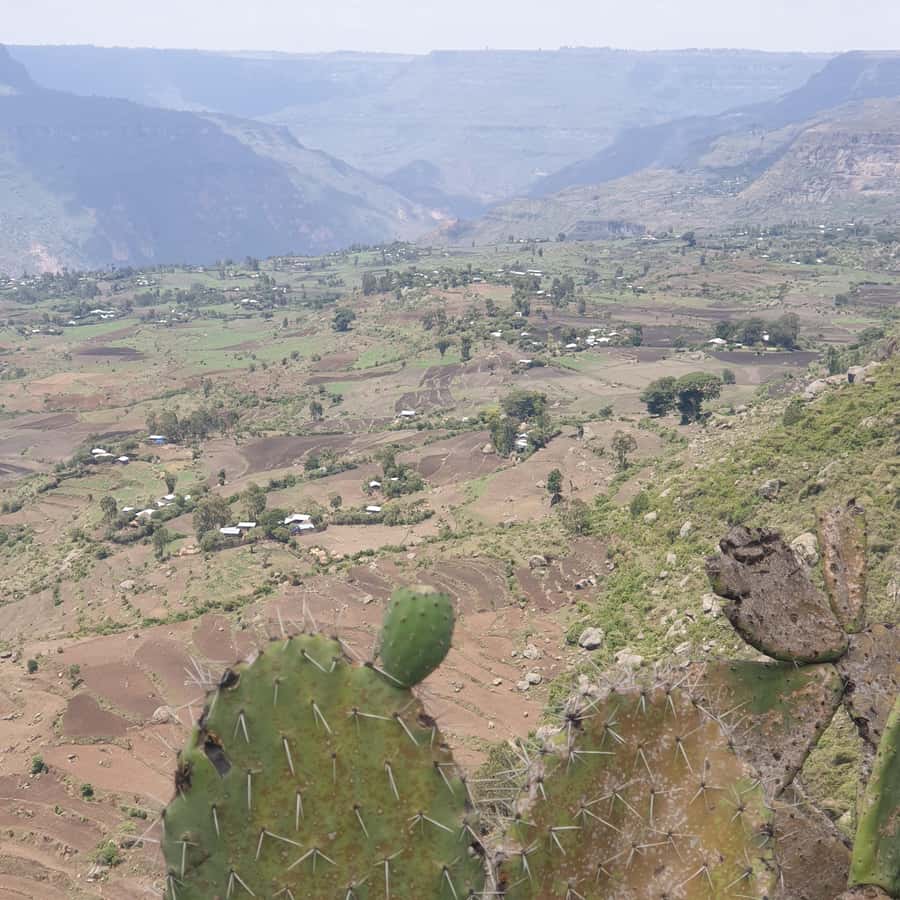
- Good scenery close to Addis Ababa: Expect wooded hills, streams, waterfalls, and a gorge dropping toward the Jemma River.
- Wildlife adds a bonus: You may see Gelada baboons and rare birds, including the lammergeyer and Abyssinian ground hornbill.
- Pack for an active day: Comfortable shoes, water, snacks, a hat, and binoculars will make the outing easier.
Why this day trip works from Addis Ababa
Debre Libanos is a practical choice if you want to leave Addis Ababa behind without committing to a long multi-day journey. The tour lasts about eight hours and offers pickup from a hotel or the airport, with Bole listed as both a pickup and drop-off area.
That matters because the day includes several moving parts: road travel, guided visits, short walks, scenic stops, and free time. You do not have to arrange separate transport to the monastery and bridge, and a private group gives the outing a more personal feel.
The day is not simply a church visit. You get three different kinds of experience:
- Ethiopian Christian tradition at the monastery
- Mountain scenery around the gorge and waterfalls
- Outdoor wildlife watching near the Jemma River valley
I would choose this trip if you have a spare day in Addis Ababa and want something more substantial than city sightseeing. It is also useful early in a longer Ethiopia trip, since it introduces you to the country’s religious history, highland scenery, and local wildlife in one outing.
Other days out to Debre Libanos and the gorge:
- Addis Ababa: Debre Libanos, Blue Nile Gorge, and Cave Tour
★ 4.5 · 256 reviews - Day Trip From Addis Ababa To Debre Libanos & Portuguese Bridge
★ 4.5 · 64 reviews - Day trip Debre Libanos, Bule nile George &Portugal Bridge
★ 4.4 · 25 reviews
Entering Debre Libanos Monastery
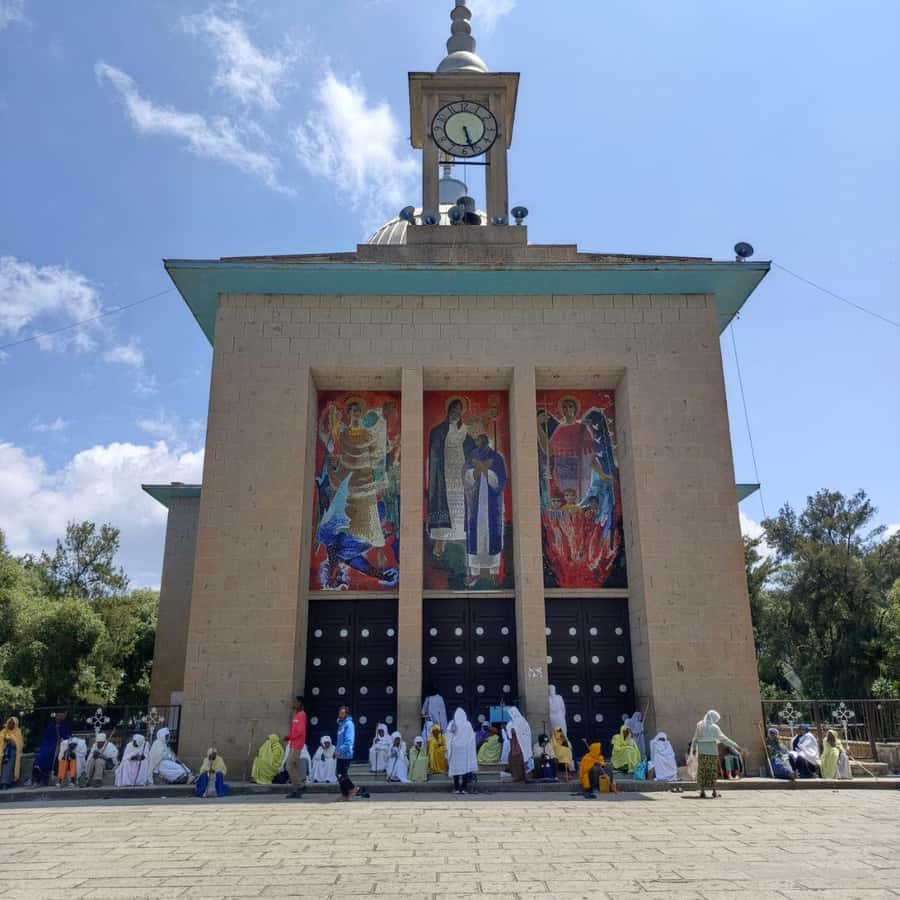
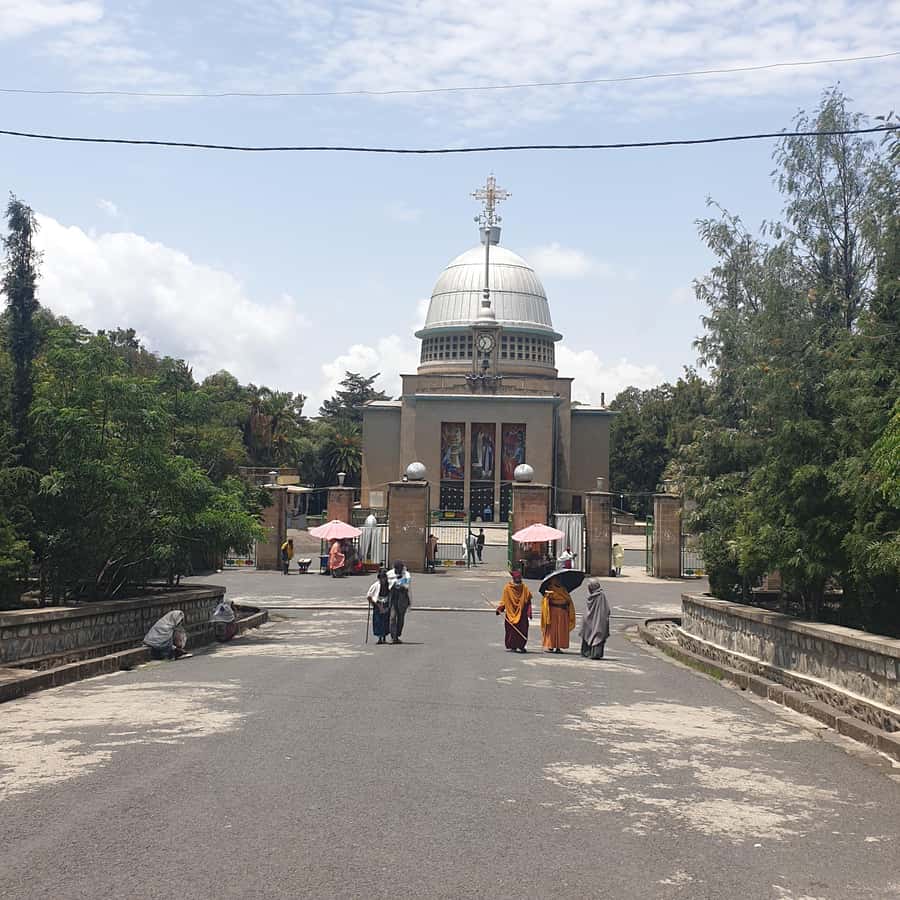
The monastery was founded in 1284 by Abuna Tekle Haimanot, one of Ethiopia’s best-known saints. Its importance goes beyond its age. Debre Libanos played a major role in spreading Christianity through central Ethiopia, making it an important religious center as well as a historic site.
Your guided visit is scheduled for about two hours, with another period of sightseeing and walking around the monastery area. The modern church was built in 1950 by Emperor Haile Selassie after the earlier church was destroyed during the Italian occupation. That detail gives the visit a clear connection to Ethiopia’s 20th-century history, not just its medieval past.
The monastery sits about three kilometers off the main road, in a small wooded gorge. Streams and waterfalls add a quiet natural setting around the church. I like this combination because the setting helps you understand why religious communities established themselves here. You are not looking at an isolated building in a city. You are seeing a place shaped by water, rock, trees, and distance from the main road.
Your guide is important here. The site contains several layers of history, including the arrival of the first Portuguese mission to Ethiopia in 1520 and the resistance of Ethiopian patriots during the Italian invasion from 1936 to 1941. Without explanation, those dates can blur together. With a live English-speaking guide, you can ask how the monastery fits into Ethiopia’s religious and political story.
Dress with care. The information provided calls for comfortable clothing and shoes, and a hat is useful in open areas. Since this is an active religious site, modest clothing is also a sensible choice.
The cave of Saint Tekle Haimanot
One of the most personal parts of the visit is the cave associated with Saint Tekle Haimanot. This is where he prayed until his death at the age of 98.
The cave gives the monastery visit a human scale. Dates and royal names can feel distant, but a small prayer place brings the saint’s life into sharper focus. You can better picture the discipline and isolation connected with early religious life in Ethiopia.
Do not expect the cave to function like a large museum attraction. Its value is devotional and historical. Your guide can provide the setting and explain why it matters, while you take in the place quietly.
This is also a good point to slow down. The trip includes a lot of visual material, from church architecture to cliffs and waterfalls. The cave offers a different kind of stop. It is less about a wide view and more about reflection.
Waterfalls, wooded hills, and the Jemma gorge
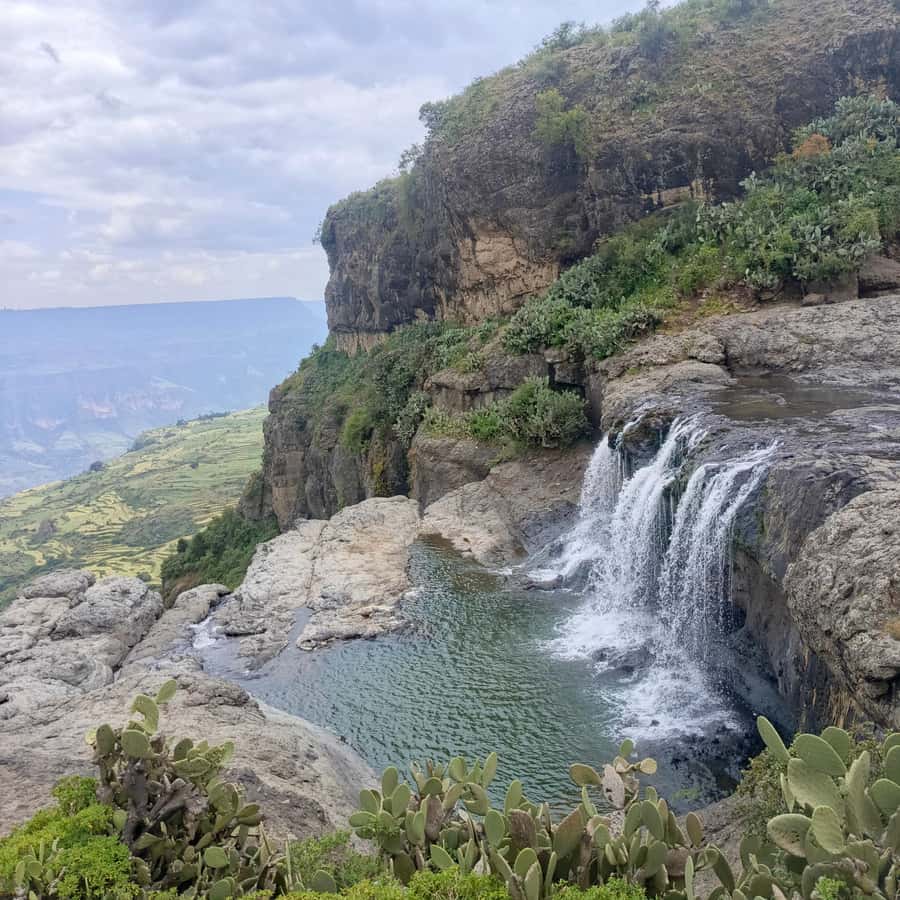
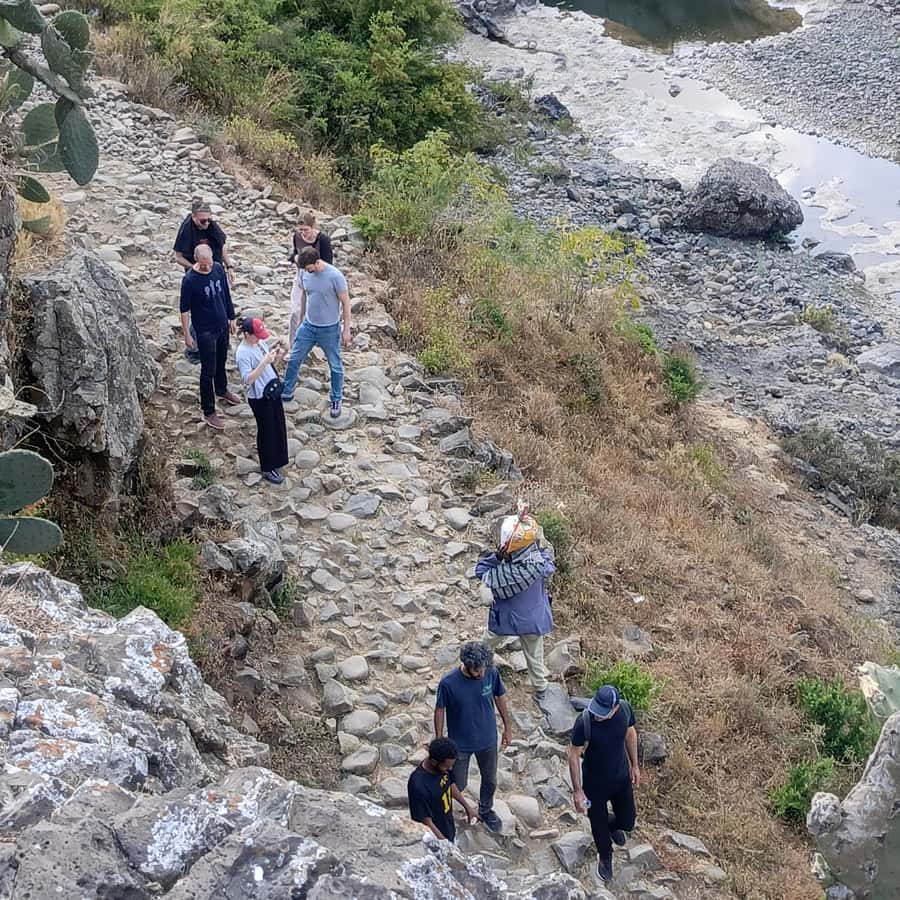
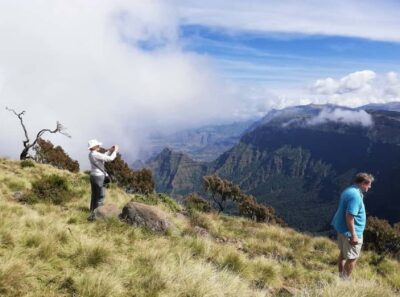
After the monastery, the day shifts toward scenery. The area around Debre Libanos has wooded hills, streams, and waterfalls, with a deep gorge leading down toward the Jemma River.
The route includes sightseeing and walking, so bring shoes you can use on uneven ground. The supplied information does not specify the exact trail surface or distance, so you should be ready for a short walk rather than assuming a fully paved path.
The waterfall is one of the day’s strongest visual rewards. It gives you a chance to step away from the church grounds and look across a much wider setting. The gorge below adds scale, especially when viewed from higher ground.
Weather can change the feel of the visit. The tour advises checking conditions and dressing appropriately. Carry water and snacks, since meals and drinks are not included. This is a simple tip, but it can make a real difference during an eight-hour outing.
A camera is worth bringing. The monastery, waterfall, bridge, and gorge all provide different kinds of photographs. If you are interested in birds, pack binoculars too. The area is noted for rare species, so binoculars may help you see more than a quick glance from the roadside.
A few more Ethiopia trips worth comparing
- Day Trip From Addis Ababa See Historical Monastery,Stunning Nature,Animals,Birds
★ 5.0 · 303 reviews - Addis Ababa Monasteries, Wildlife, & Hike Day Trip
★ 4.9 · 75 reviews - Day trip to Adadi Mariyam and Melka kunture
★ 4.5 · 20 reviews - Day trip on Bahir dar. To visit lake tana monasteries and Blue Nile Falls.
★ 5.0 · 16 reviews
Portuguese Bridge and the story behind its name
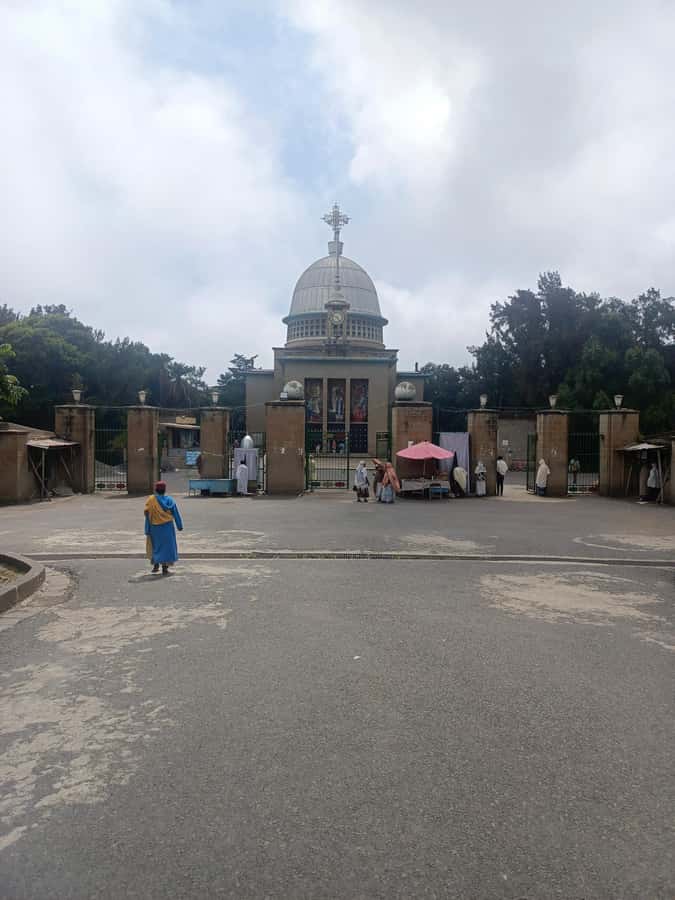
The Portuguese Bridge is an easy place to misunderstand. It was not built by the Portuguese, despite the name. It was built in the 19th century by an Ethiopian named Ras Darge, using a style associated with 17th-century bridges around the Nile.
That correction makes the stop more interesting. The name points toward Ethiopia’s contact with Portugal, while the actual structure reflects Ethiopian construction and local history. Your guide can help separate the legend from the facts.
The bridge visit lasts about an hour and includes sightseeing, a walk, and a scenic drive. That is enough time to look at the structure, take photographs, and enjoy the surrounding gorge without turning the stop into a long technical examination of masonry.
The setting is the main attraction as much as the bridge itself. You can look toward the waterfall and the deep gorge descending to the Jemma River valley. The combination gives the stop a strong sense of place.
I would keep expectations sensible. The bridge is not presented as a large monument with extensive facilities. Its appeal comes from the structure, the view, and the story attached to it. If you enjoy historic engineering in a dramatic setting, it should be satisfying. If you want a major architectural site with many rooms and exhibits, this is a more modest stop.
Bird watching and Gelada baboons
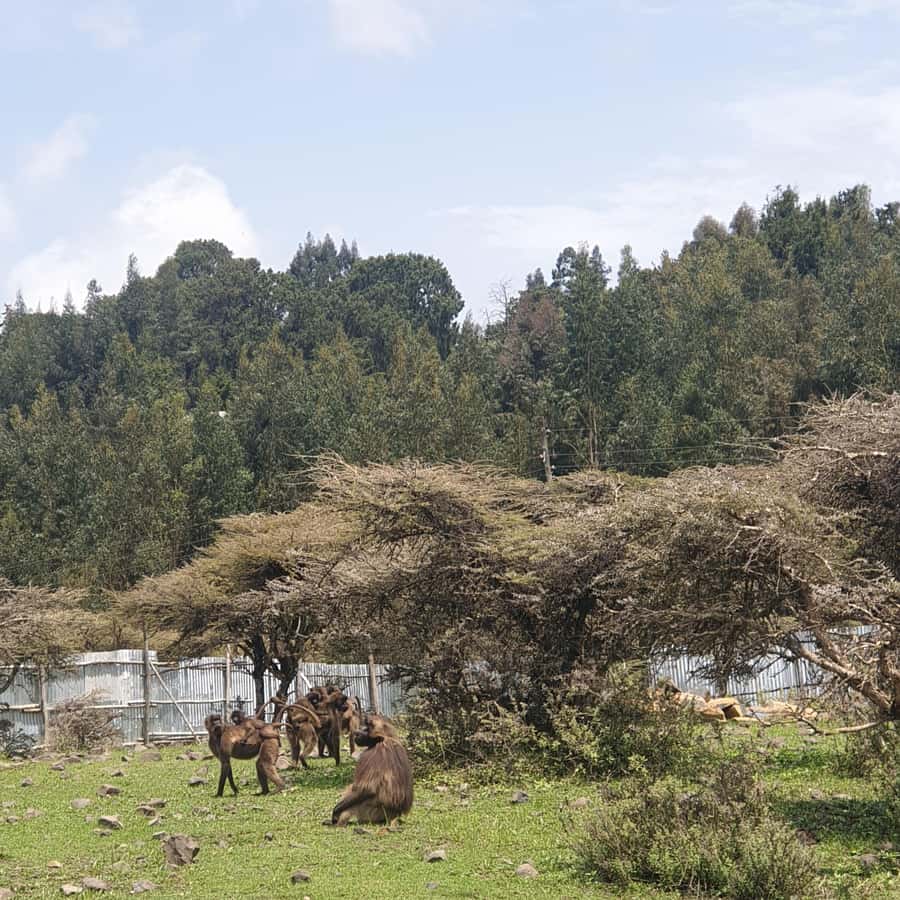
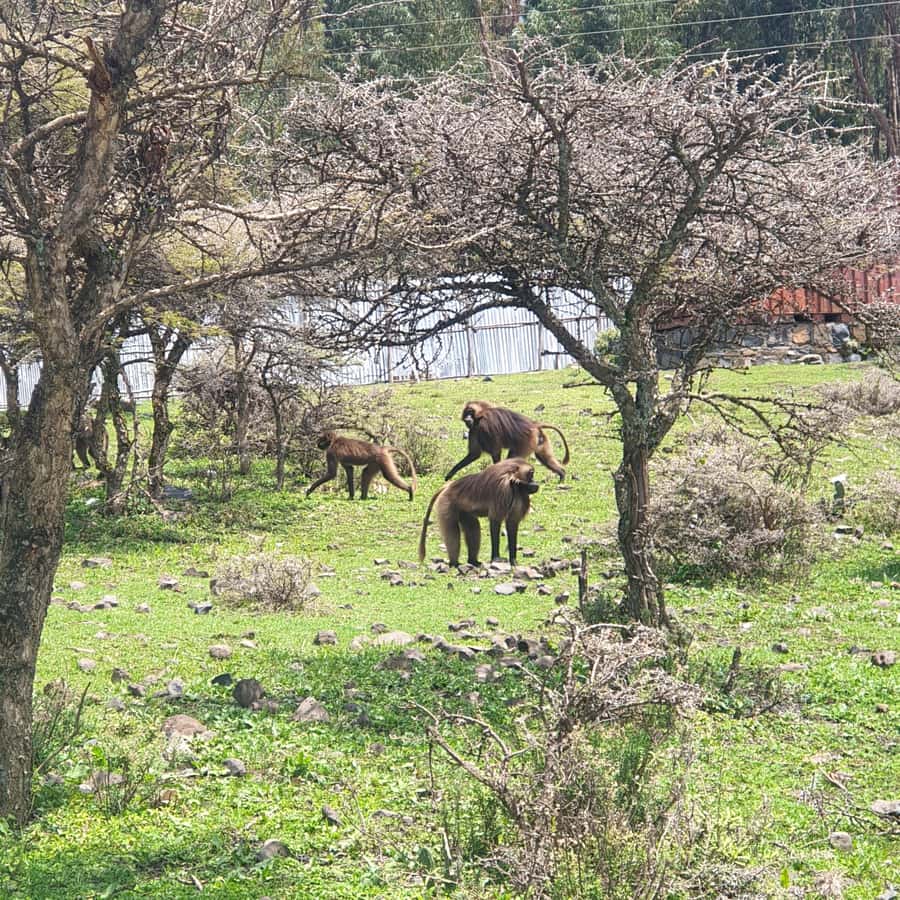
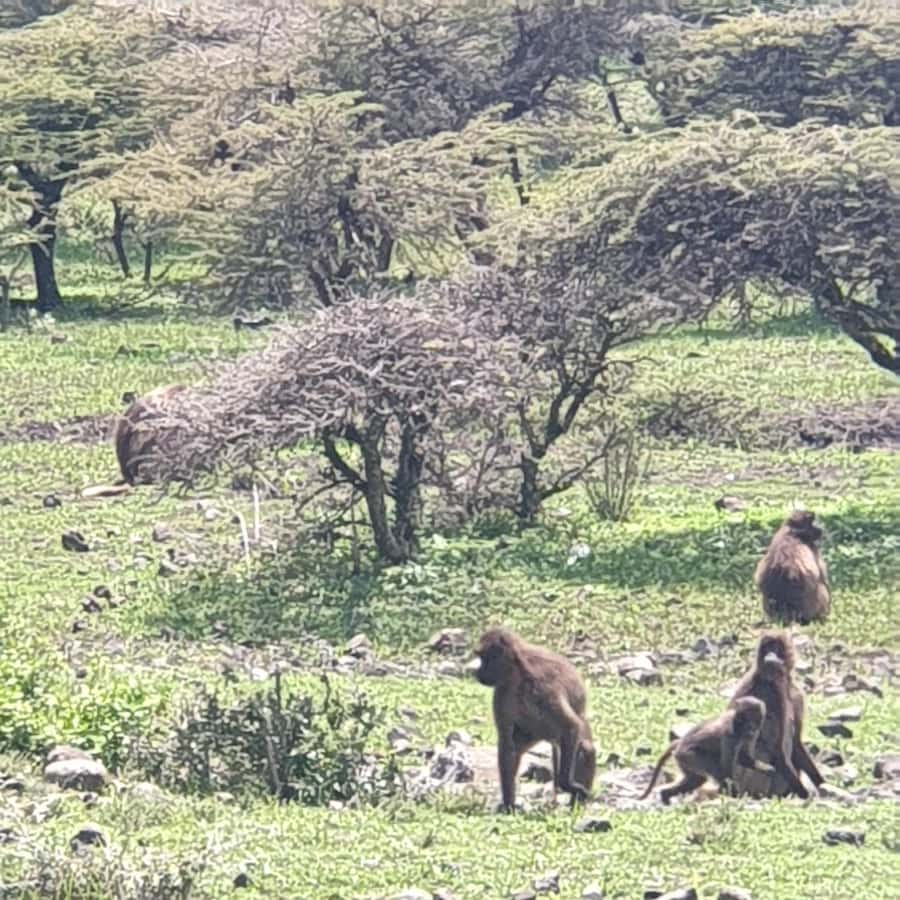
Wildlife is an extra benefit rather than the sole purpose of the trip. The area may offer sightings of Gelada baboons and several uncommon bird species.
Possible birds include:
- Lammergeyer
- Abyssinian ground hornbill
- Endemic banded barbet
- Abyssinian woodpecker
The word possible matters. Wildlife does not follow a timetable, and the tour does not promise a sighting. Still, the chance adds interest to the walks and scenic stops. You can look beyond the main landmarks and pay attention to the cliffs, trees, and open spaces.
Gelada baboons are especially distinctive because they are endemic to Ethiopia. Seeing them would add a memorable wildlife moment to a day otherwise focused on churches, bridges, and scenery.
Bring binoculars if bird watching matters to you. A camera with a useful zoom may help, but do not let photography take over the entire visit. The gorge and monastery are worth experiencing directly, not only through a screen.
Feeding animals is not allowed, and that rule is important. Keep food for yourself and observe wildlife without trying to draw it closer.
How the eight-hour schedule feels
The timing gives you a full but manageable day:
- About two hours around the monastery for coffee, sightseeing, walking, and general exploration
- About two hours for a guided Debre Libanos Monastery visit
- About one hour at Portuguese Bridge
- About two hours of guided sightseeing in the Oromia Region
- About one hour of free time at Debre Libanos
The schedule contains some overlap in its monastery descriptions, so think of it as a broad plan rather than a minute-by-minute program. The day clearly allows time for the main church visit, the cave, the bridge, the gorge, and unhurried stops in the surrounding area.
Coffee is included in the activity schedule, but meals and drinks are not included in the price. I would carry water and snacks from the start. That is especially wise because the day begins with pickup and includes several hours on the road and outdoors.
The private format should make the day less rigid than a large group excursion. You can ask for clarification about the monastery, pause for photographs, and spend more time looking for birds if conditions allow. The exact flexibility will depend on the guide and the day’s timing, but a private group is a useful advantage.
What you pay for at $131
The price is $131 per person. That is not a bargain-basement day trip, but the value depends on how much you would otherwise have to arrange yourself.
The cost includes transportation, hotel or airport pickup, a guided visit to Debre Libanos Monastery, and a visit to Portuguese Bridge. It also gives you access to an English-speaking guide and a private group rather than placing you on a large shared coach.
For a solo visitor or a small party, the price may be reasonable because transport and guiding are bundled together. You avoid the trouble of finding your own way to a monastery three kilometers off the main road, then continuing to the bridge and gorge.
The value is weaker if you already have a car, driver, and guide arranged in Addis Ababa. It is also less attractive if you want an all-inclusive day, since food, drinks, and personal expenses are extra.
I see the price as paying for convenience, interpretation, and a focused day outside the capital. The tour becomes a better deal when you value the guide’s explanations and do not want to manage transport yourself.
Practical advice for a smoother day
Wear comfortable walking shoes. The tour includes walks around historic and natural sites, and the information does not promise smooth, paved surfaces everywhere.
Bring a hat, camera, water, and snacks. Add binoculars if birds are a priority. Check the weather before leaving and dress in layers if conditions call for it.
Alcohol, drugs, chewing gum, and alcoholic drinks in the vehicle are not allowed. Feeding animals is also prohibited. These rules are straightforward, but knowing them ahead of time prevents awkward surprises.
The activity is not considered suitable for babies under one year or people over 95 years old. The information does not provide a detailed accessibility assessment, so anyone with mobility concerns should ask the provider about the walking conditions before booking.
Cancellation is flexible up to 24 hours before departure for a full refund, and you can reserve now and pay later. Those terms reduce the risk if your Addis Ababa plans are still changing.
The provider is On The Go Ethiopia Tours & Car Rent. The tour is offered in English, and a verified October 2024 booking gave special praise to the guide’s support and attention to detail. Since only two ratings are recorded, I would treat the five-star score as a positive sign, not a guarantee of every possible tour day.
Who should book this experience?
I would recommend this day trip to you if you want a mixture of culture, scenery, and wildlife without leaving Addis Ababa for several days. It suits people who enjoy guided history but also want time outside, especially around waterfalls, cliffs, and wooded hills.
It is a good match for photographers, bird watchers, and anyone interested in Ethiopian Christianity. The cave of Saint Tekle Haimanot and the monastery’s role in central Ethiopia give the day real substance.
I would hesitate if you dislike road travel, walking, or flexible outdoor conditions. The tour is also not ideal if you need meals and drinks included, or if you want a tightly scheduled museum-style excursion.
Should you book the Debre Libanos day trip?
Book it if you want one well-packed day that combines an important Ethiopian monastery with a waterfall, a gorge, a historic bridge, and a chance to see endemic wildlife. The private transport and English-speaking guide make the $131 price easier to justify, particularly if you are staying in Addis Ababa only briefly.
Go in prepared with water, snacks, comfortable shoes, and realistic wildlife expectations. You may not see every bird on the list, but the monastery, Saint Tekle Haimanot’s cave, Portuguese Bridge, and Jemma gorge provide enough substance on their own.
FAQ
How long does the Debre Libanos and Portuguese Bridge tour last?
The tour lasts eight hours.
Where can pickup and drop-off take place?
Pickup is available from a hotel or airport, with Addis Ababa and Bole listed as pickup options. Drop-off options include Bole and Addis Ababa.
What is included in the tour price?
Transportation, a guided tour of Debre Libanos Monastery, a visit to Portuguese Bridge, and the opportunity to look for rare birds and endemic Gelada baboons are included.
Are meals and drinks included?
No. Meals and drinks are not included, so bring water and snacks for the journey.
Is the tour private?
Yes. The activity is offered as a private group tour.
What language does the guide speak?
The live tour guide speaks English.
Who founded Debre Libanos Monastery?
Debre Libanos Monastery was founded in 1284 by Abuna Tekle Haimanot.
Was Portuguese Bridge built by the Portuguese?
No. Despite its name, the bridge was built in the 19th century by an Ethiopian named Ras Darge. It was constructed in the style of 17th-century bridges around the Nile.
What wildlife might I see?
You might see Gelada baboons and birds such as the lammergeyer, Abyssinian ground hornbill, endemic banded barbet, and Abyssinian woodpecker.
What should I bring?
Bring a hat, camera, comfortable clothes, comfortable walking shoes, water, and snacks. Binoculars are useful if you want to watch birds.
New on the Ethiopia list
- Yod Abyssinia Cultural Night: Dinner, Music, and Dance★ 5.0 · 7 reviews
- Tigray Mountain Church’s Day Trip from Mekele★ 5.0 · 2 reviews
- Mekele City Tour★ 5.0 · 2 reviews
- Day trip to Tigray Churches★ 5.0 · 2 reviews
- 3 Day Tour of Geralta Churches Tigray Church’s★ 5.0 · 2 reviews
- 2 days Tigray Church★ 5.0 · 3 reviews
- Trekking in Ethiopia’s Lalibela Wollo Highland 4 Days / 3 Nights★ 5.0 · 6 reviews
- Lalibela Backpacker tours★ 5.0 · 6 reviews
Debre Libanos Day Trips, compared.

Day Trip From Addis Ababa To Debre Libanos & Portuguese Bridge
Read our review →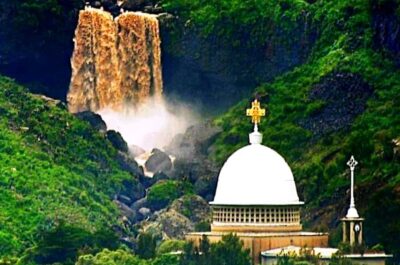
Day trip Debre Libanos, Bule nile George &Portugal Bridge
Read our review →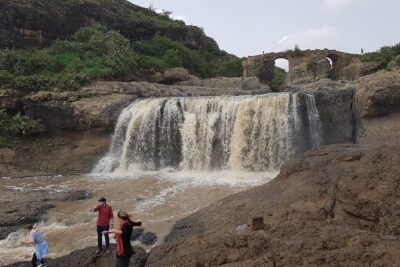
Debre Libanos Monastery and Jemma River Gorge – Day Tour from Addis Ababa
Read our review →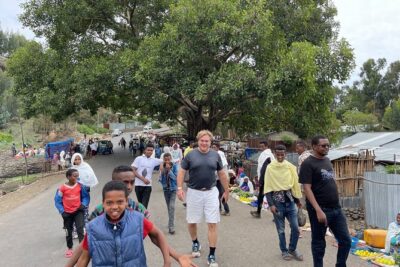
Escape From Addis – Day Trip To Debre Libanos And The Portuguese Bridge
Read our review →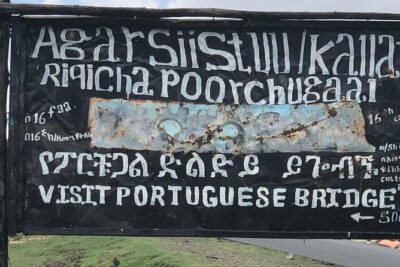
DAY TRIP TO Debre Libanos Monastery Cave Church Nature and Wildlife
Read our review →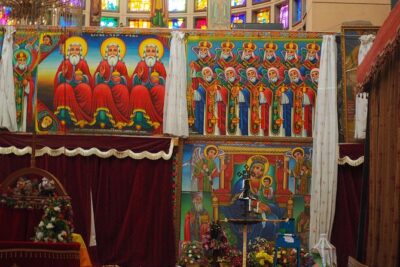
Private Day Trip to Debre Libanos Portuguese Bridge Galada Baboon
Read our review →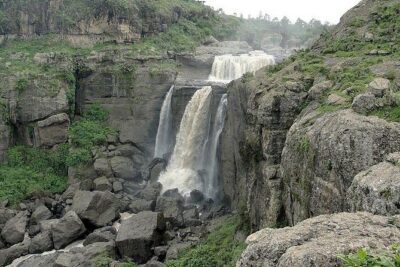
Day Trip From Addis Ababa To Debre Libanos & Blue Nile Gorge
Read our review →Browse the lists this tour appears in