
Reviewed · CITY TOURS
Mekele City Tour
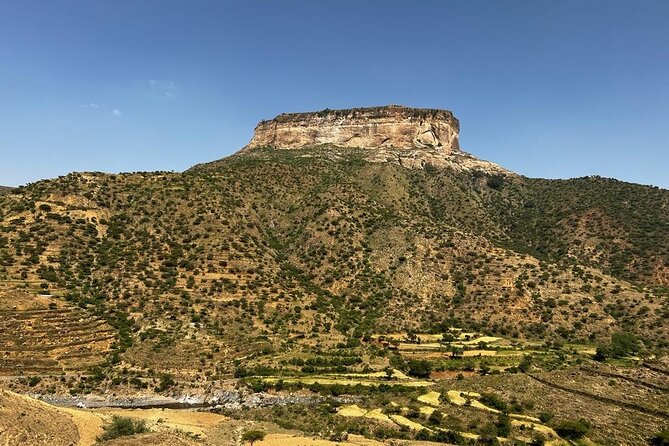
Mekele rewards visitors who look past the main road. This five-hour private tour links Emperor Yohannes IV Palace, local markets, a traditional coffee ceremony, Abraha Castle, and the city’s memorials in one practical outing. I like the mix of royal history and everyday life, and I like that private transport, guiding, entrance fees, and coffee are included. The main drawback is that the schedule is ambitious, so time at some stops may feel brief.
I also like the personal touch described by the operator, including airport welcome arrangements and a guide named Mr. Haile. The visit to 16 Kebele is especially useful because it shifts the tour from monuments to social life. Still, you should confirm the exact order and length of each stop before booking, since the advertised stop times do not add up neatly to the stated five hours.
In This Review
- Five useful things to know before booking
- Why this Mekele tour works as a first look at the city
- Atse Yohannes IV Palace and the throne from 1874
- Old and new markets, where Mekele feels most immediate
- A coffee ceremony at 16 Kebele
- Martyr’s Memorial Monument and Mekele’s political memory
- Abraha Castle and the old stone hidmo palace
- Tigray Monument and the best Mekele viewpoint
- What $150 per person really includes
- Who will enjoy this private five-hour outing
- Should you book the Mekele City Tour?
- FAQ
- Where does the Mekele City Tour start?
- Where does the tour end?
- How long does the tour last?
- Is this a private tour?
- What is included in the $150 price?
- Can I cancel for a full refund?
Five useful things to know before booking
- Yohannes IV Palace is the main historical stop: You can see the emperor’s throne, royal bed, ceremonial clothing, rifles, and other objects inside the former royal residence.
- The coffee visit adds local context: At 16 Kebele, you are introduced to a traditional coffee ceremony and the daily social life of Mekele.
- This is a private tour: Only your own group participates, which makes it easier to adjust the pace and ask questions.
- The $150 price covers key extras: Private transportation, a guide, entrance fees, and the coffee experience are included.
- The tour combines old and modern Mekele: Markets, palace rooms, a memorial, a castle, and a city viewpoint give you several different sides of the city.
- The outing returns to the meeting point: Pickup is offered, the start time is 9:00 a.m., and the activity ends back where it began.
Why this Mekele tour works as a first look at the city
Mekele is best understood through contrasts. Royal power, revolutionary memory, market commerce, religious and social customs, and modern city life all appear in a fairly compact route. This tour gives you a guided introduction without asking you to arrange separate taxis, museum visits, and local encounters.
I would think of it as a city orientation rather than a slow museum day. You get enough time to learn the main story of Mekele, but not necessarily enough time for long, detailed study at every stop. The private format helps. If your group cares more about the palace than the markets, or more about coffee than military memorials, you can ask the guide to explain those parts in greater detail.
The advertised duration is about five hours, beginning at 9:00 a.m. Pickup is offered, and the tour ends back at the meeting point. The exact meeting arrangement should be confirmed when you book, especially if you are arriving in Mekele by air. One booking account describes a company representative meeting a group at Mekele Airport, which suggests airport coordination may be possible, but airport pickup should not be treated as automatic unless it is confirmed directly.
Other ways to see Mekele itself:
- Addis Ababa Guided City Tour With Airport & Hotel Pick Up
★ 5.0 · 237 reviews - Full-Day Private City Tour of Addis Ababa
★ 5.0 · 147 reviews - Addis Ababa Authentic Private City Tour
★ 5.0 · 134 reviews
Atse Yohannes IV Palace and the throne from 1874
The palace is the strongest reason to choose this tour. Emperor Yohannes IV made Mekele the seat of his government and built this residence in the 1870s. The structure remains intact and now functions as a museum, giving you a rare chance to see a royal building in the middle of town rather than a rebuilt display created for tourists.
The collection includes the emperor’s throne, royal bed, ceremonial dress, rifles, and other antique objects. The centerpiece is the throne made in 1874 by the Italian engineer Giacomo Nareri. That detail gives the visit a useful human angle: this is not only a room filled with old objects, but a place where Ethiopian political power met imported design and engineering.
The palace portion is listed at about two hours, with admission included. That is a generous share of a five-hour city tour, and it makes sense. You will want time to look at the building itself, not only the objects displayed inside. The palace is described as a Tigrayan building with displays on the ground and first floors, so expect a combination of architecture, royal furnishings, and museum pieces.
I would ask the guide to explain which items belonged directly to Yohannes IV and which represent the wider period. That distinction matters in a museum where the room, the objects, and the emperor’s story are closely linked. You may also want to ask how much time remains for the market and coffee stops before spending the full two hours here.
Old and new markets, where Mekele feels most immediate
The route then moves from royal rooms to the old and new markets. This is a valuable change of scene. A palace tells you how rulers lived, while a market shows you how a city functions day by day.
The information provided does not specify the exact market names, opening hours, or a fixed amount of time at each one. You should therefore expect a guided market visit rather than a carefully timed shopping tour. The guide can help you understand the difference between the older and newer commercial areas, point out local activity, and help you get your bearings without wandering far from the group.
This is also the part of the tour where the pace may vary most. Markets can take as little or as much time as your interests allow, but a five-hour schedule has limits. If you want to buy goods, take photographs, or stop often, tell the guide early. If your priority is seeing as much of the city as possible, keep the market stop focused.
I like having markets included because they keep the day from becoming a string of monuments. You see Mekele not only as the former seat of an emperor or the site of political memorials, but as a working city. Just keep your expectations practical: the tour introduces the markets, it does not promise an extended shopping session.
A coffee ceremony at 16 Kebele
At 16 Kebele, the tour turns toward Ethiopian coffee culture. The stop is described as an especial coffee ceremony tour, lasting about one hour, with no separate admission charge. That makes it one of the most personal parts of the day.
Coffee ceremonies are social occasions, not simply a way to receive a drink. Here, the value is the setting and the chance to learn how people in Mekele gather and connect. The tour description places the emphasis on the cultural and social life of city residents, so you should expect explanation and observation alongside the coffee itself.
One account of the outing gives the coffee visit particular emphasis, which matches its role in the route. It is a useful pause after the palace and markets, and it gives you a chance to ask the guide questions in a less hurried setting. If coffee matters to you, tell the operator when booking so the visit can receive the attention it deserves.
The details of the ceremony, including the exact venue and what is served, are not specified. I would confirm those points beforehand if you have dietary concerns or want to know how the hour will be arranged. The coffee tour is included in the price, so you are not being asked to pay a separate entrance fee for this cultural stop.
A different sort of day out, same part of Ethiopia:
- Danakil 3 days tour
★ 5.0 · 10 reviews - Two Days Tigray Churches Trip
★ 5.0 · 10 reviews - 3 days tour Danakil Depression (Dallol & Erta Ale)
★ 4.0 · 5 reviews - 2 Days Dallol Trip
★ 5.0 · 4 reviews
Martyr’s Memorial Monument and Mekele’s political memory
The Martyr’s Memorial Monument is a brief but serious stop. It honors more than 60,000 TPLF fighters who died and more than 100,000 who were injured during the overthrow of the Marxist Derg regime in 1991. The monument rises 51 meters, or 167 feet, in Adi-Haki sub-city.
Its sculptures depict peasants and fighters in the struggle against Derg soldiers. You may spend only a short time here, since the listed visit is about two minutes. That timing is enough for a quick look and an explanation, but not enough for a detailed examination of the sculpture or the political events behind it.
For that reason, I would treat the monument as a symbolic stop rather than a full museum visit. Its importance comes from what it represents, and the guide’s explanation will shape how much you take from it. The subject can be politically sensitive, so a good question is often better than a quick photograph. Ask the guide how the monument is viewed locally and how it fits into Mekele’s public memory.
Entrance is included. The stop also helps balance the palace visit. Yohannes IV represents an earlier era of imperial rule, while the memorial points to a much more recent struggle that still shapes public identity in Tigray.
Abraha Castle and the old stone hidmo palace
Later, the tour visits the old Abraha Castle and a beautiful stone hidmo palace. These sites add another architectural layer to the day. The wording suggests that the appeal is visual as well as historical, especially if you enjoy stone construction and older Tigrayan building forms.
Specific dates, room layouts, and access details are not provided, so you should not expect a fully documented castle tour with a fixed museum route. Instead, plan for a guided look at older structures and a chance to understand how local building traditions differ from the imperial palace in central Mekele.
The stone hidmo is likely to interest anyone who wants more than formal political history. The palace museum focuses on an emperor and his possessions. The hidmo points toward regional architecture and the use of stone in Tigrayan homes or compounds. Ask the guide to explain how the buildings were used and how they relate to the wider Tigrayan style.
Because several sites are packed into one half-day, confirm how much time is planned here. If architecture is your main interest, this may be the section you want to protect from schedule changes.
Tigray Monument and the best Mekele viewpoint
The final part of the route visits the Tigray Monument and a top city viewpoint. Ending with a high view is sensible. After the palace interiors, market streets, coffee ceremony, memorial sculpture, and stone buildings, you get a chance to see Mekele as a whole.
The provided information does not name the viewpoint or give its elevation. You should therefore expect a city view rather than a specific landmark panorama guaranteed from a particular platform. Weather may affect the experience, and the tour requires good weather. If poor conditions force a cancellation, you are offered another date or a full refund.
The Tigray Monument also gives the final stop a regional focus. Earlier parts of the day place Mekele in imperial and modern political settings. This monument and viewpoint bring the focus back to Tigray and the city’s identity.
I would save a few questions for this final stop. Ask the guide to point out the areas you visited earlier, including the palace, markets, and Adi-Haki. A viewpoint becomes much more useful when you can connect what you see from above with the streets and buildings you have already explored.
What $150 per person really includes
The price is $150 per person. That is not a low-cost walk, but this is a private experience rather than a large group bus tour. The fee includes private transportation, guiding, entrance fees, and the coffee tour. Those inclusions make the price easier to assess, especially if your group values convenience and a dedicated guide.
For one person, the cost may feel high for a five-hour city outing. For a family or small group, the value improves because the transport and guide serve only your party. You are also paying for a route that joins several different kinds of places, rather than handling separate admissions and rides yourself.
I would book this tour for a first visit, a short stay, or a group that wants a structured introduction. I would look for a cheaper arrangement if I already knew Mekele well, wanted to spend a full day at the palace, or preferred to explore the markets at my own pace.
Entrance fees are included, so there should be fewer small payments during the day. Flights, accommodation, alcoholic drinks, and tips are not included. You should also budget time and money outside the tour for anything you want to explore in greater depth.
Who will enjoy this private five-hour outing
This tour suits you if you want a broad first look at Mekele and prefer having transport arranged. It also works well for families and small groups, since only your own party participates and the guide can respond to your questions.
I would recommend it to anyone interested in Ethiopian royal history, Tigrayan architecture, public monuments, local coffee customs, and city life. The mix is the main strength. You are not spending the whole morning inside a museum.
It may suit you less if you want a relaxed schedule. The route covers many places, and the listed durations are not fully consistent with the stated five hours. You should also be comfortable with a tour that includes serious political history alongside ordinary sightseeing.
The experience is described as suitable for most people and located near public transportation. A mobile ticket is offered, and confirmation is received when you book. Free cancellation is available up to 24 hours before the 9:00 a.m. start time. Changes or cancellations made within 24 hours are not refunded, and the tour can be changed or refunded if poor weather or an insufficient number of bookings forces cancellation.
Should you book the Mekele City Tour?
Book it if you want one organized morning covering Mekele’s major themes: the Yohannes IV Palace, markets, coffee culture, political memory, older stone architecture, and a city view. The private format, included admissions, and airport welcome possibility add real practical value.
Before paying, ask the operator to confirm the pickup point, the exact time at each stop, and how the palace, markets, coffee ceremony, Abraha Castle, and viewpoint fit into five hours. If the schedule is clear, this is a useful and well-rounded introduction to Mekele. If you want long visits at every site, choose a slower private plan instead.
FAQ
Where does the Mekele City Tour start?
The tour starts in Mekele, Ethiopia, at 9:00 a.m. Pickup is offered, but you should confirm the exact pickup location when booking.
Where does the tour end?
The activity ends back at the meeting point.
How long does the tour last?
The tour lasts approximately five hours.
Is this a private tour?
Yes. Only your own group participates in the activity.
What is included in the $150 price?
The price includes private transportation, guiding service, entrance fees, and the coffee tour.
Can I cancel for a full refund?
Yes. You can cancel at least 24 hours before the local start time for a full refund. Cancellations or changes made less than 24 hours before the start are not refunded.
New on the Mekele list
- Tigray Mountain Church’s Day Trip from Mekele★ 5.0 · 2 reviews
- Day trip to Tigray Churches★ 5.0 · 2 reviews
- 3 Day Tour of Geralta Churches Tigray Church’s★ 5.0 · 2 reviews
- 2 days Tigray Church★ 5.0 · 3 reviews
- Abuna Yemata Guh, Maryam and Daniel Korkor (if time allows)★ 5.0 · 2 reviews
- 3 days tour Danakil Depression (Dallol & Erta Ale)★ 4.0 · 5 reviews
- 2 Days Dallol Trip★ 5.0 · 4 reviews
- Danakil 3 days tour★ 5.0 · 10 reviews
City Tours, compared.

Addis Ababa Guided City Tour With Airport & Hotel Pick Up
Read our review →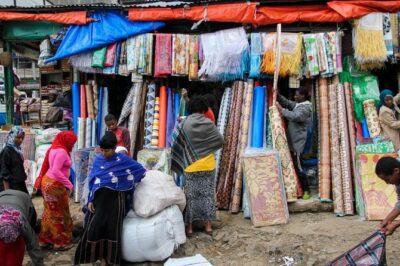
Authentic Addis Ababa City Tour with a Local Guide
Read our review →

Addis Ababa City Tours Full Day With Hotel Pickup And Drop Off.
Read our review →
Browse the lists this tour appears in