
Reviewed · DANAKIL DEPRESSION TOURS
3 Day Danakil Depression and Ertale Volcano Shared Tour
The desert here looks almost unreal. This three-day trip from Semera takes you into Ethiopia’s Danakil Depression, a harsh volcanic region of salt flats, sulfur springs, steaming ground, and the active Erta Ale volcano. I love the carefully timed sunrise and sunset stops, and I like that the $450 price includes transport, camping gear, meals, taxes, and a licensed guide.
The main drawback is simple: this is a hard trip in a very hot, remote place. You spend long hours in a vehicle, sleep at a basic desert camp, and walk around volcanic craters before returning to Semera for an evening flight. Guide Misgannw receives particular praise for his professionalism and knowledge, while Melese is credited with helping make one trip run smoothly.
In This Review
- Key points to know before booking
- Why the Danakil Depression is worth the effort
- Day 1: Seven hours from Semera to Hamed Ela
- Day 2: Dallol, Lake Assal, and the salt routes
- Day 3: Sunrise over Erta Ale’s pit craters
- Food, water, and camp comfort
- Transport, group size, and guide support
- Who will enjoy this three-day route
- Booking details and cancellation terms
- Should you book the Danakil and Erta Ale tour?
- FAQ
- How much does the tour cost?
- How long does the experience last?
- Where does the tour begin?
- What is included in the price?
- Are drinks included?
- What places are visited?
- How large can the group be?
- Can I cancel for a full refund?
Key points to know before booking
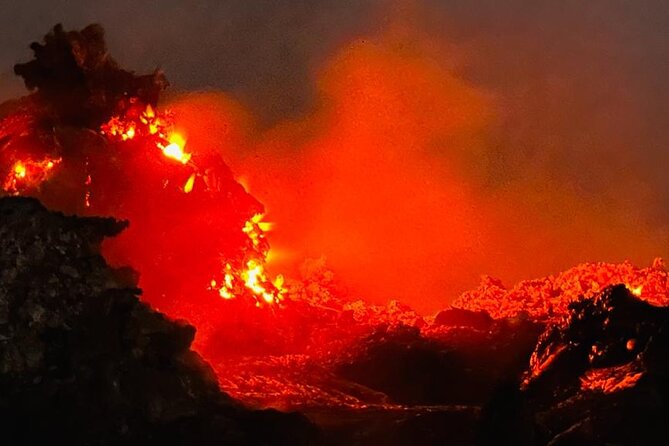
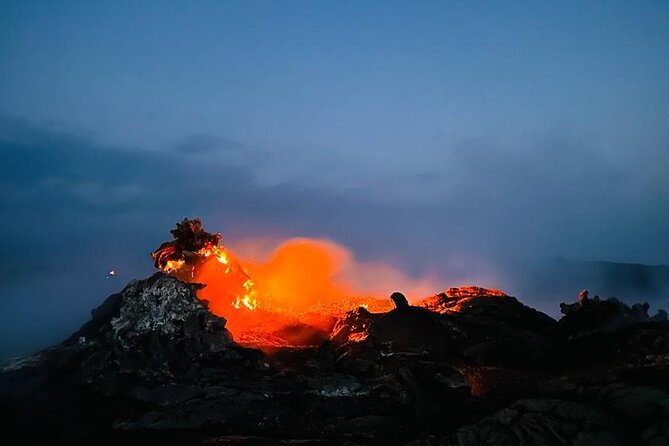
- Erta Ale sunrise: You wake early for views into the volcano’s northern pit crater, with a main crater about 200 meters deep and 350 meters across.
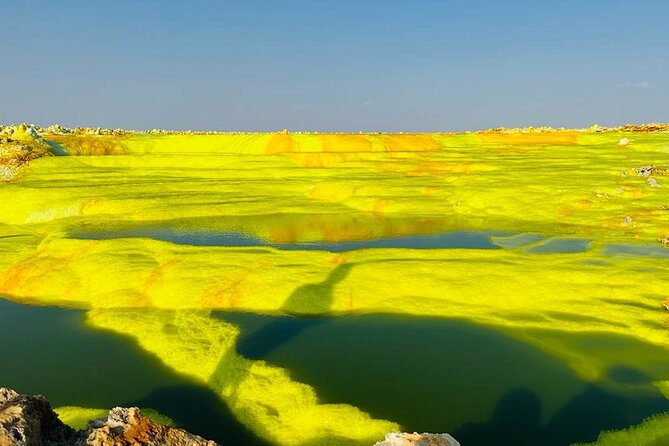
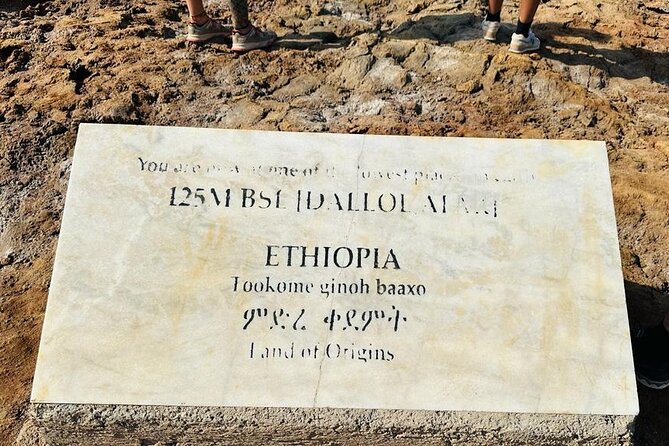
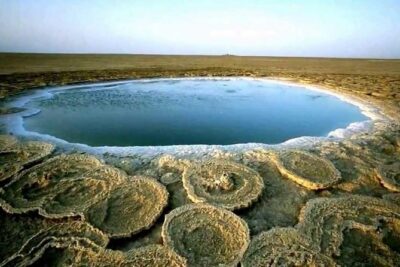
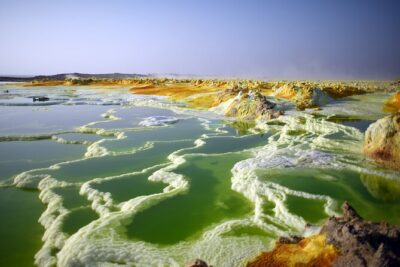
- Dallol below sea level: The route reaches Dallol, described as 116 meters below sea level, with colorful sulfur formations, salt rock, and hot springs.
- Salt-mining country: At Lake Assal and the Afdera area, you see salt flats and working salt miners in one of Ethiopia’s most unusual regions.
- All-inclusive camp meals: Breakfast, lunch, dinner, bottled mineral water, tea, and coffee are part of the package, along with tents, mattresses, blankets, and chairs.
- Small shared group: The maximum group size is 15 people, a useful limit for a remote trip with long drives and basic camp facilities.
- Semera airport pickup: You can be collected from Semera Airport or from a hotel if you arrive earlier.
Why the Danakil Depression is worth the effort
The Danakil Depression is not a soft-edged desert made for easy sightseeing. It is hot, dry, volcanic, and visually strange. That is exactly why this trip appeals to me. In a short period, you see colors and landforms that feel more like another planet than northern Ethiopia.
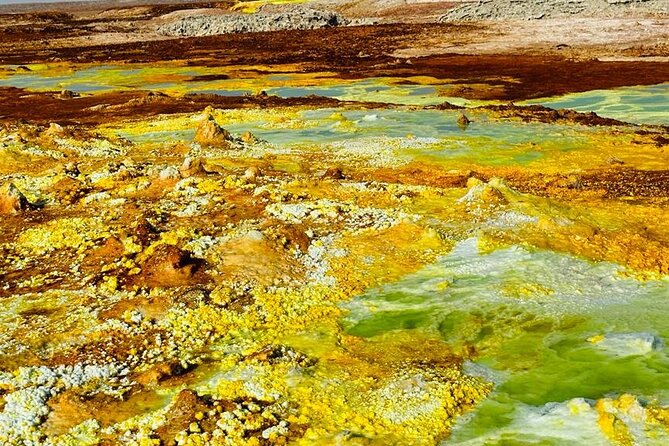
The route brings together several very different sights. You have salt lakes and salt roads, sulfur springs in yellow and green tones, smoky mountains, volcanic pits, and the broad open floor of the depression. The scenery changes slowly during the long drives, but it never feels ordinary.
The best reason to choose a guided tour here is not simply convenience. It is the logistics. The trip needs transport, food, camping equipment, local coordination, and a guide who understands the route. A shared tour keeps those costs under control while giving you a planned way through a difficult region.
The $450 price is reasonable for what it covers. You receive an air-conditioned vehicle, all fees and taxes, a licensed or certified guide, three breakfasts, three lunches, two dinners, and camping equipment. The package also includes mattresses, blankets, chairs, and tents according to your request.
That said, the price does not turn the Danakil into a luxury trip. You should expect a basic camp and a demanding schedule. The value is in reaching remarkable places with the main practical needs arranged, not in having hotel comfort in the desert.
More Danakil Depression Tours in Ethiopia:
- 3 Days Danakil Depression Tour
★ 4.5 · 135 reviews - 3 Days Danakil Depression Tours Via Semera
★ 5.0 · 47 reviews - 12 Days SIMIEN MOUNTAIN-LALIBELA-DANAKIL-TIGRAY CHURCHES
★ 5.0 · 45 reviews
Day 1: Seven hours from Semera to Hamed Ela
The first day begins with pickup at Semera Airport or at your hotel. A guide and driver meet you with the company logo or your name, followed by breakfast and a quick coffee break before the long drive.
The journey to Hamed Ela takes about seven hours, although the full day is listed at roughly 10 hours once stops and activities are included. That distinction matters. You are not simply sitting in a vehicle for one continuous stretch, but you should still prepare for a long road day.
As you move farther into the Danakil Depression, the heat rises. The scenery becomes more severe, with volcanic ground and smoky mountains appearing ahead. This is a good day to settle into the pace of the trip. The route itself is part of the experience, but it will test your patience if you dislike long drives.
Lunch takes place in the Afdera area, known for its salt lake and local cuisine. This stop gives you a break from the vehicle and a look at an Afar setting rather than a string of tourist facilities. I value that kind of pause because it connects the dramatic scenery with the people and places that make the region a lived-in area, not just a backdrop for photographs.
The group is scheduled to reach Hamed Ela at about 5:00 PM. Tea or coffee is available at camp, giving you a chance to rest before the next day’s early start. Dinner is included.
Hamed Ela is practical rather than polished. The supplied camping equipment includes tents, mattresses, blankets, and chairs, with arrangements based on your request. If you need a specific camping item, confirm it before departure rather than assuming every detail will be identical for every group.
Day 2: Dallol, Lake Assal, and the salt routes
Day two is the visual center of the trip. The plan begins early with sunrise, then moves through sulfur springs, salt lakes, salt rock, volcanoes, and the Dallol area before heading toward Erta Ale.
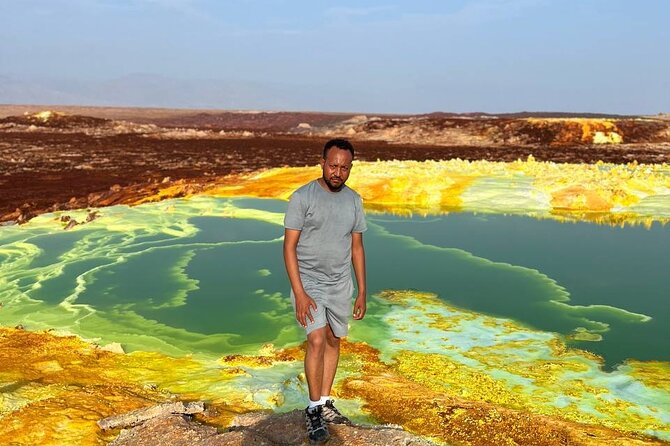
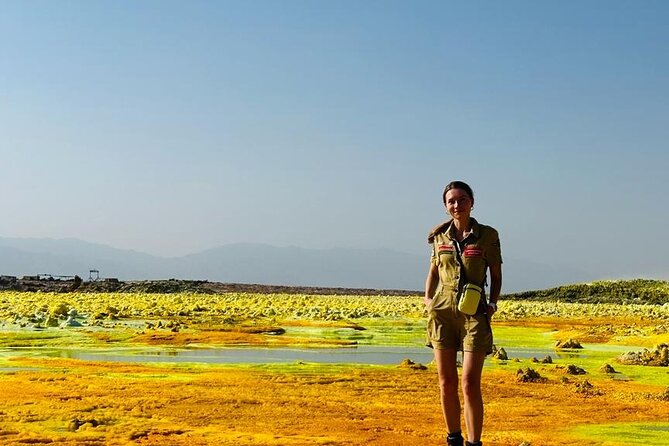
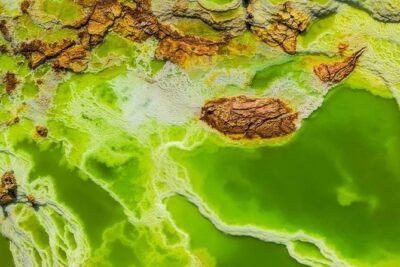
Dallol is described as 116 meters below sea level and among the lowest places on Earth. Its appeal comes from the unusual ground colors and mineral formations. Sulfur springs, hot springs, salt deposits, and volcanic activity create a scene that does not resemble a typical desert.
The colors are not decorative. They come from the minerals and heat below the surface. That makes the area worth seeing with a guide who can explain what you are looking at and keep the group aware of hot or unstable ground. Misgannw is specifically praised for professional service and strong local knowledge, qualities that matter more here than a polished speech or a fast-moving schedule.
You also visit Lake Assal and see salt-mining activity. The salt route gives the day a human side. You are not only looking at geology; you are seeing how local workers use this difficult environment. The route includes salt roads and salt rock, so the drive itself becomes part of the visit.
The schedule refers to sunrise and sunset around the volcanic sights. Light changes quickly in this open country, so an early start is worthwhile. Sunrise can bring softer color to the salt and mineral formations, while sunset makes the volcanic terrain more dramatic.
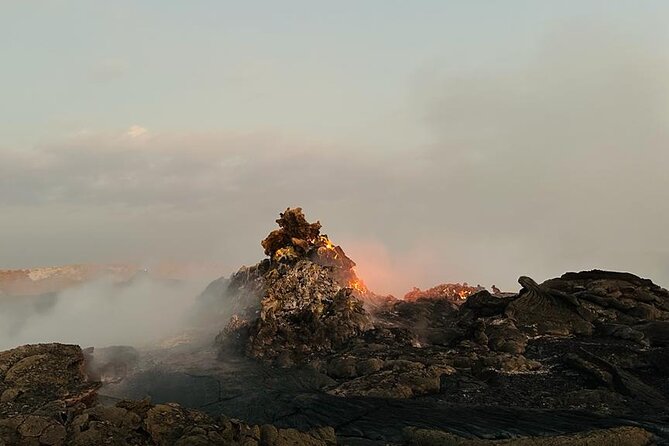
After breakfast, the group heads toward Erta Ale. The volcano is a shield volcano with a large caldera and a permanent lava lake, according to the tour description. The trek to the crater is the part of the trip that requires the most attention to fitness and heat. The exact walking duration is not provided, so ask the operator for current conditions and the expected walking time before you commit.
The route is designed to include a sunset view at Erta Ale, followed by a very early morning at the crater. That timing is memorable, but it also creates a tiring overnight rhythm. You will want to conserve energy during the earlier stops rather than treating every hour as a sprint for photographs.
Day 3: Sunrise over Erta Ale’s pit craters
The final morning starts early. You wake for sunrise at Erta Ale’s northern pit crater, then take a short walk to see the southern and central pits.
The main pit crater is listed at about 200 meters deep and 350 meters across. The smaller southern pit is about 65 meters wide and approximately 100 meters deep. These figures help explain why the stop is more than a quick viewpoint. You are looking into major geological formations shaped by volcanic activity over time.
After returning to camp, you have time to rest and eat a final desert breakfast before the camping equipment is packed. That pause is welcome after the early start and the previous day’s long program.
The drive back to Semera marks the end of the main tour. The schedule aims for a flight to Addis Ababa at around 5:00 PM. This is useful for planning, but I would avoid booking a tight onward connection without checking the current road and flight arrangements. The return is a long travel day, and conditions in a remote desert can affect timing.
A different sort of day out, same part of Ethiopia:
- Full Day Tour of Addis Ababa with Hotel Pickup and Drop-off
★ 5.0 · 430 reviews - Taste of Ethiopia
★ 5.0 · 406 reviews - Day Trip From Addis Ababa See Historical Monastery,Stunning Nature,Animals,Birds
★ 5.0 · 303 reviews - Addis Ababa: Debre Libanos, Blue Nile Gorge, and Cave Tour
★ 4.5 · 256 reviews
Food, water, and camp comfort
Food is one of the stronger practical features of this package. It includes three breakfasts, three lunches, and two dinners. The tour also describes meals made with organic and locally sourced ingredients, along with bottled mineral water, tea, and coffee.
That matters in the Danakil Depression. You need regular food and fluids when the days are hot and the drives are long. Having meals arranged means you do not need to carry a full food supply or search for restaurants between remote stops.
The package also includes camping gear, tents, mattresses, blankets, and chairs. These are modest comforts, but they make a real difference after a day in the vehicle or near the volcanic sites. The exact setup is based on your request, so discuss your needs when booking.
Do not read all-inclusive as luxury. The information does not promise private bathrooms, hotel beds, or high-end camp facilities. The practical benefit is that the essential equipment and meals are included, allowing you to focus on the route.
Transport, group size, and guide support
Transport is provided in an air-conditioned vehicle. That is an important inclusion for a region where heat is a major part of the challenge. Air conditioning does not erase the long drives, but it makes the hours between stops more manageable.
The group can include up to 15 people. A shared group lowers the cost and can add a social element to a trip where the setting is otherwise very remote. The tradeoff is less control over the daily pace. If you want private stops, a customized departure, or more flexibility at each site, ask about a private option before booking.
The guide is licensed or certified, and the company organizes the route, drivers, camp, meals, and fees. The names associated with the service include Misgannw and Melese. Misgannw is praised for professional service and detailed knowledge of the area. Melese is credited with helping make a trip run well.
Those personal details are useful because the guide can shape your experience. In the Danakil, local explanations and calm organization are not minor extras. They help you understand the volcanic ground, the salt work, and the timing of the stops.
Who will enjoy this three-day route
I would choose this tour if you want unusual natural scenery and are willing to trade comfort for access. It suits people who enjoy geology, photography, desert travel, and places far outside the usual Ethiopian route.
Families may also consider it, especially because meals, transport, and camping equipment are arranged. Still, the heat, long drives, early mornings, and volcanic walking make it important to judge each family member’s stamina carefully. The information says most people can participate, but that does not mean the schedule will feel easy for everyone.
This is less suitable if you need a relaxed holiday with short driving days or predictable hotel facilities. It is also not the best match for someone who wants to explore every site at an unhurried pace. The itinerary is tightly organized around sunrise, sunset, meals, camp routines, and the return flight.
The group size of 15 is a sensible middle ground. You get the cost benefit of a shared trip without joining a very large coach group. Still, ask how many people are booked for your departure, since the maximum is not the same as the usual group size.
Booking details and cancellation terms
Pickup is available from Semera Airport or a Semera hotel. A mobile ticket is offered, and confirmation is received at the time of booking. Service animals are allowed, and the activity states that most people can participate.
Tips are not included. Plan for that extra cost if you want to reward the guide, driver, or camp team for good service.
Free cancellation is available if you cancel at least 24 hours before the local start time. A cancellation made within 24 hours is not refunded, and changes made within that period are not accepted. Keep the local cut-off time in mind when arranging flights.
Should you book the Danakil and Erta Ale tour?
I would book this trip for the rare combination of Dallol, salt-mining country, and Erta Ale in one organized three-day route. The included meals, air-conditioned vehicle, camping gear, taxes, and guide support give the $450 price solid value.
I would pause before booking if you dislike heat, long drives, basic camping, or early starts. Ask for the current Erta Ale walking schedule and camp arrangements, then leave sensible time around your return flight from Semera.
If your goal is to see one of Ethiopia’s strangest natural regions without arranging every vehicle, meal, permit, and camp detail yourself, this is a strong choice. It is demanding, but the sulfur springs, salt flats, Dallol formations, and volcanic craters offer sights few other trips can match.
FAQ
How much does the tour cost?
The tour costs $450 per person.
How long does the experience last?
The tour lasts approximately three days.
Where does the tour begin?
Pickup is available from Semera Airport or from your hotel if you arrived earlier.
What is included in the price?
The price includes an air-conditioned vehicle, all fees and taxes, a licensed or certified guide, camping gear, tents, mattresses, blankets, chairs, three breakfasts, three lunches, and two dinners.
Are drinks included?
Bottled mineral water, tea, and coffee are included in the tour package.
What places are visited?
The route includes the Danakil Depression, Afdera, Hamed Ela, Dallol, sulfur springs, salt lakes, salt-mining areas, Lake Assal, and Erta Ale volcano.
How large can the group be?
The maximum group size is 15 people.
Can I cancel for a full refund?
Yes. You can receive a full refund if you cancel at least 24 hours before the experience start time. Cancellations made within 24 hours are not refunded.
New on the Ethiopia list
- Yod Abyssinia Cultural Night: Dinner, Music, and Dance★ 5.0 · 7 reviews
- Tigray Mountain Church’s Day Trip from Mekele★ 5.0 · 2 reviews
- Mekele City Tour★ 5.0 · 2 reviews
- Day trip to Tigray Churches★ 5.0 · 2 reviews
- 2 days Tigray Church★ 5.0 · 3 reviews
- 3 Day Tour of Geralta Churches Tigray Church’s★ 5.0 · 2 reviews
- Trekking in Ethiopia’s Lalibela Wollo Highland 4 Days / 3 Nights★ 5.0 · 6 reviews
- Lalibela Backpacker tours★ 5.0 · 6 reviews
Danakil Depression Tours, compared.
12 Days SIMIEN MOUNTAIN-LALIBELA-DANAKIL-TIGRAY CHURCHES
Read our review →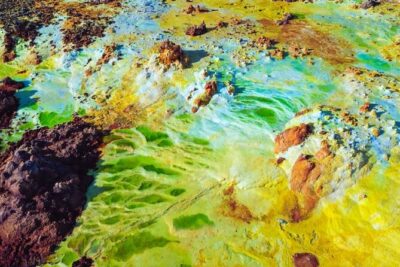
3 Day Danakil Depression Ertale and Dallol Tours
Read our review →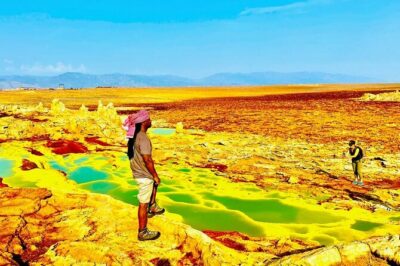
5 DAYS Lalibela, Axum, Tigray churches and Danakil
Read our review →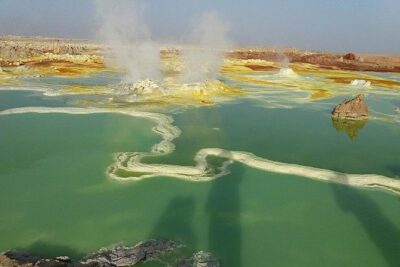
6 Days tour Package (Simien Mountains, Lalibela, and Danakil Depression)
Read our review →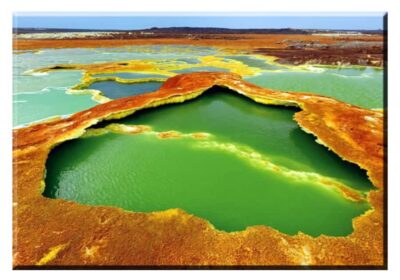
2-Night 3-Day Danakil Depression Tour without Flights
Read our review →Browse the lists this tour appears in