
Reviewed · HISTORIC ROUTE TOURS
Ethiopia’s Historic Route; 5 Days
Five days, three cities, one remarkable northern circuit. This private Ethiopia tour links Lake Tana’s island monasteries with Gondar’s royal castles and Lalibela’s rock-hewn churches, giving you a strong first look at the country’s history, faith, food, and highland scenery. I like the smart use of domestic flights, and I like that local guides and community contact are part of the experience rather than an afterthought.
The main drawback is the pace. You cover a lot of ground in five days, and domestic flights are not included in the $1,100 price. You should also clarify the meal arrangements before booking, since breakfast and lunch are listed as included in one section, while another says lunch and dinner are not included.
In This Review
- Key things to know before booking
- Why this northern Ethiopia route works
- Day 1: Bahir Dar and the waters of Lake Tana
- Day 2: Five castles inside Gondar’s Royal Enclosure
- Day 3: Lalibela’s churches carved from living rock
- Day 4: Choose Mount Asheton or Yemrehanna Kristos
- Day 5: Addis Ababa, Lucy, and a final Ethiopian meal
- What the $1,100 price really covers
- Who should book this experience?
- FAQ
- Where does the tour start?
- Where does the tour end?
- How long is the tour?
- Is this a private tour?
- Are domestic flights included?
- Which airlines are used for the domestic flights?
- What is included in the price?
- Are dinners included?
- What can you choose to do on the morning of Day 4?
- Can I cancel for a full refund?
- Should you book Ethiopia’s Historic Route?
Key things to know before booking
- Lake Tana begins the journey with boat access to ancient island monasteries, not simply a city sightseeing stop.
- Gondar’s Royal Enclosure includes five castles, built by Ethiopian kings from the early 17th century onward.
- Lalibela gives you two full days around its famous churches, with a choice of Mount Asheton or Yemrehanna Kristos on Day 4.
- The tour is private, so only your own group participates.
- Melese handles the tour arrangements, with local guides used in the different destinations.
- The $1,100 price excludes domestic flights, an important cost to add before you compare the tour with other options.
Why this northern Ethiopia route works
Ethiopia is not a country you can reduce to one postcard view. Addis Ababa feels modern and busy, Lake Tana offers water and monastery visits, Gondar brings royal architecture, and Lalibela delivers one of the world’s most unusual religious sites. This five-day route gives each place a clear role.
I like the shape of the trip because it avoids spending all five days in one region. You see urban Ethiopia, rural highland scenery, historic churches, royal compounds, markets, and traditional food customs. The route also gives you several chances to talk with local people through guides, market visits, coffee preparation, and injera making.
The schedule is still tight. Day 1 and Day 3 involve flights, while Day 2 includes a drive from Bahir Dar to Gondar. Long sightseeing days are part of the bargain. If you want slow mornings, long museum visits, or unplanned time in each town, this may feel too compressed.
The private format helps. You are not tied to the pace of a large coach group, and the itinerary includes choices on Day 4. That flexibility matters in a five-day program, especially when you are moving between destinations at different elevations and with different types of sightseeing.
More Historic Route Tours in Addis Ababa
- 5 DAYS Lalibela, Axum, Tigray churches and Danakil
★ 5.0 · 34 reviews - 5 Days North Ethiopia Tours
★ 5.0 · 23 reviews - 5 DAYS Axum, Lalibela, Tigray churches and Danakil
★ 4.5 · 22 reviews
Day 1: Bahir Dar and the waters of Lake Tana
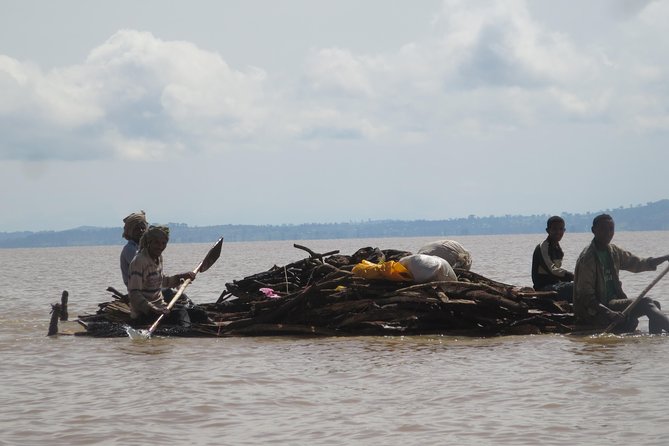
Your trip begins with a flight from Addis Ababa to Bahir Dar on Ethiopian Airlines. From there, you visit the local marketplace before taking a boat on Lake Tana, the source of the Blue Nile.
The marketplace gives you an early look at daily life in the region. It is a useful counterpoint to the monuments that follow. Instead of seeing Ethiopia only through royal buildings and old churches, you get a place where people shop, work, and meet. Keep your expectations practical: the schedule combines the market and boat trip in one long day, so this is an introduction rather than an extended market study.
The boat trip is the day’s main event. Lake Tana is tied to the Blue Nile, and its islands hold ancient monasteries with religious art and long local traditions. These visits give the journey a sense of place. You are not only checking off an attraction, you are seeing how water, faith, and settlement connect in northern Ethiopia.
The first day is listed at about seven hours, with an overnight stay in a lodge. Breakfast and lunch are listed for the day, though the meal wording across the tour details is not fully consistent. Ask exactly what is covered, especially dinner.
This is a good opening because it eases you into the trip. You get a flight, a town visit, a boat ride, and historic sites without beginning with the most physically demanding day. At the same time, you should expect a full schedule soon after landing in Bahir Dar.
Day 2: Five castles inside Gondar’s Royal Enclosure
The second day takes you by road from Bahir Dar to Gondar through the Ethiopian countryside. The drive is part of the experience, since it lets you see rural villages and changing highland scenery rather than simply appearing in Gondar by air.
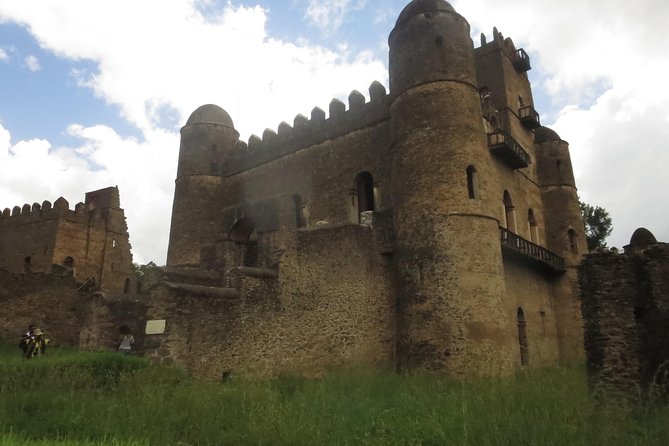
The destination is Fasil Ghebbi, Gondar’s UNESCO World Heritage Royal Enclosure. Inside are five castles built by a succession of Ethiopian kings beginning in the early 1600s. The complex survived wars and air raids during World War II, so you are seeing more than attractive old stone buildings. The damaged and surviving structures help explain the reach and vulnerability of the former Ethiopian empire.
Allow yourself time to look at the architecture instead of rushing from one building to the next. The value here is in the setting and the layers of use. A guide can help connect the castles with the rulers who built them, which is especially helpful if Ethiopian royal history is new to you.
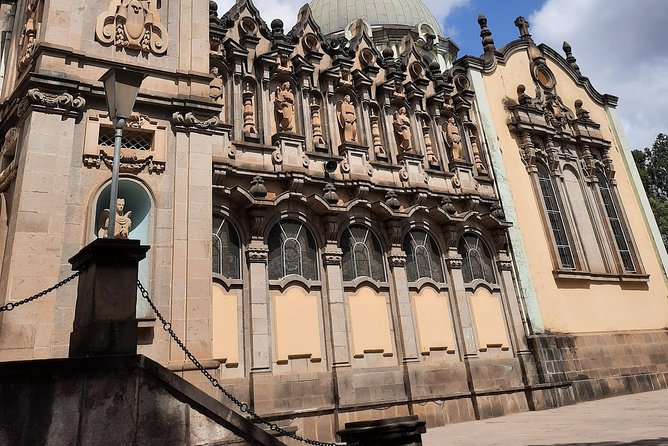
You also visit Debre Birhan Selassie, a church known for its religious art. Its ceiling, filled with painted angels, is the feature most visitors remember. The church adds a more intimate and spiritual stop after the large royal compound.
Day 2 lasts about eight hours and includes an overnight hotel stay. Admission to the Royal Enclosure is included. The main consideration is the road time. You will spend a substantial part of the day moving between Bahir Dar and Gondar, so this is not a relaxed morning excursion.
Still, I think the balance is right. The castles provide scale, while Debre Birhan Selassie provides detail. Together they make Gondar feel more complete than a quick photo stop.
Day 3: Lalibela’s churches carved from living rock
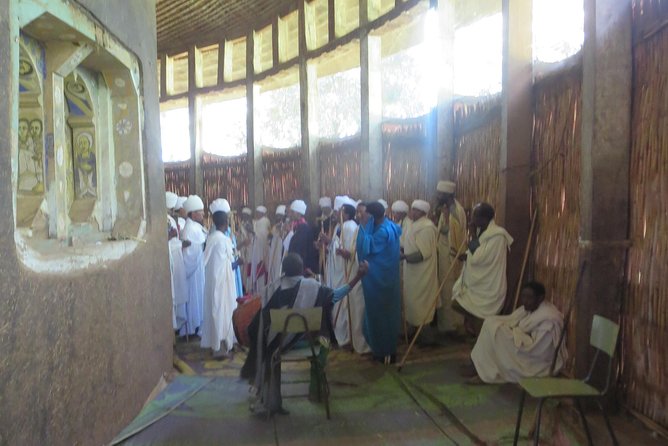
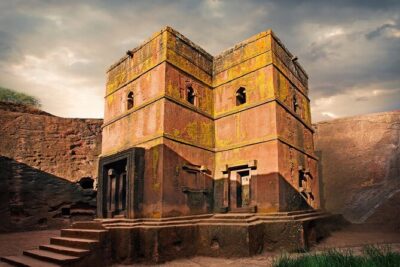
You fly from Gondar to Lalibela on Ethiopian Airlines, then spend the day visiting the famous rock-hewn churches. The complex contains eleven monolithic churches carved directly into the mountainside at least 800 years ago.
This is the emotional center of the route. The churches are not buildings assembled from separate blocks. They were cut down into the rock, creating courtyards, trenches, passageways, tunnels, and carved reliefs. The work involved is difficult to grasp from a photograph. You need to walk through the complex and see how the churches relate to the stone around them.
The tour description identifies the largest monolithic church in the world as part of the site. That detail gives you a sense of the scale, but the strongest feature is the way the churches form a connected religious complex. The lanes and underground passages make the visit feel exploratory, while the carved interiors keep the focus on worship and craftsmanship.
Plan for a serious sightseeing day. The Lalibela visit is listed at about seven hours, and it follows a flight. You may find the walking and uneven surfaces tiring, though the provided information says most people can participate. Practical footwear is a sensible choice, and you should be ready for a day that mixes walking, history, and religious spaces.
A local guide is particularly useful here. The company uses local guides, and one guide in Lalibela received special praise from the operator after a visitor’s trip. The guide’s name is not supplied, but the arrangement matters: local interpretation can help you understand what you are seeing without treating the churches as ordinary ruins.
A different sort of day out, same part of Ethiopia:
- Full Day Tour of Addis Ababa with Hotel Pickup and Drop-off
★ 5.0 · 430 reviews - Taste of Ethiopia
★ 5.0 · 406 reviews - Day Trip From Addis Ababa See Historical Monastery,Stunning Nature,Animals,Birds
★ 5.0 · 303 reviews - Addis Ababa: Debre Libanos, Blue Nile Gorge, and Cave Tour
★ 4.5 · 256 reviews
Day 4: Choose Mount Asheton or Yemrehanna Kristos
Day 4 is the most flexible part of the itinerary. In the morning, you choose between a mule-assisted hike to Mount Asheton or a drive to Yemrehanna Kristos. Both options lead to an older religious setting, but they offer different kinds of days.
Mount Asheton gives you a morning hike, mules, a 13th-century rock-hewn monastery, and views over Lalibela. This option suits you if you want outdoor activity and a wider view of the town. The mules are part of the stated plan, but the tour does not specify how much of the route you walk or ride, so ask your operator if that affects your decision.
Yemrehanna Kristos is a church set in a shallow cave and predates the churches of Lalibela. The drive there also takes you through rural villages and the Ethiopian highlands. Choose this option if you want more countryside and a church with an older connection to the region’s religious tradition.
After the morning choice, you return to Lalibela’s churches in the afternoon. This second visit matters because the church complex is too substantial to treat as a quick single stop. You can see more of it, revisit important areas, and absorb the setting with less pressure than on the first day.
The day ends with a traditional coffee ceremony and a lesson in baking injera, a staple food in Ethiopia. These activities are valuable because they shift the focus from monuments to ordinary customs. Coffee preparation is a social practice, while injera is central to many meals. You get a better feel for how culture is carried through food and hospitality.
Day 4 lasts around six hours. It is shorter than the previous days, but the choice of morning activity means you should still ask about walking, transport, and timing before you set out.
Day 5: Addis Ababa, Lucy, and a final Ethiopian meal
The final morning begins with a flight back to Addis Ababa. You then choose either the Ethnographic Museum or the National Museum.
The Ethnographic Museum is the choice if you want a broad look at Ethiopia’s people and cultural traditions. The National Museum is the choice if you want to see Lucy, the famous 3.18-million-year-old skeleton. Since only one museum is included in the plan, decide in advance which subject interests you more.
I would choose based on the rest of your trip. If the churches, castles, and monasteries have already given you plenty of historical architecture, the Ethnographic Museum may add a useful social and cultural view. If human origins and archaeology appeal to you, the National Museum and Lucy may be the stronger finish.
The afternoon includes optional souvenir shopping. This is a welcome bit of breathing room after several fixed sightseeing days. It also lets you decide how much shopping you actually want, rather than forcing a market visit into every stop.
The farewell dinner takes place at a traditional Ethiopian restaurant, with dancers and musicians representing several of the country’s ethnic groups. Airport transfer is available for a late-night departure if needed. Day 5 lasts about five hours, not counting the details of your departure.
The farewell meal brings the trip back to people and performance. It is more organized than the market visit or coffee ceremony, but it gives you one final chance to sample food and see cultural traditions presented through music and dance.
What the $1,100 price really covers
At $1,100 per person, this is not a bare sightseeing package. The price includes an air-conditioned vehicle, taxes and fees, five breakfasts, and five lunches as stated in the inclusions. It also provides a private tour, airport transfers within the planned route, lodging, guides, road transport, boat touring, and sightseeing arrangements.
The catch is domestic airfare. Flights between Addis Ababa, Bahir Dar, Lalibela, and Addis Ababa are not included, even though they are central to the itinerary. You should add those tickets to your real budget before deciding if the price is good value.
Dinner is also not included, and the supplied meal details conflict slightly about lunch. One section says five lunches are included, while the exclusions refer to lunch and dinner. Get written clarification before payment so you know what you will actually buy during the five days.
The private format improves the value if you care about control and personal attention. It is less compelling if you prefer a low-cost group trip and do not mind fixed pacing. Group discounts are offered, so the per-person figure may work better for families or friends booking together.
The operator’s strongest practical quality appears to be organization. Melese arranged the flights, hotels, and guides, and kept in contact during the trip. That sort of coordination is important in a route with several flights and changing local teams.
Who should book this experience?
I would recommend it to a first-time visitor who wants the major historic sights of northern Ethiopia without arranging every transfer alone. It suits you if you value a private vehicle, local guides, planned flights, and a clear daily structure.
It is also a good fit for someone who wants more than monuments. The marketplace, boat trip, coffee ceremony, injera lesson, rural drives, and farewell dinner give the route a human side.
You should think twice if you want a slow trip or extensive free time. The itinerary is busy, and the long travel days leave little room for spontaneous changes. It is also not the right choice if you want every cost included, since domestic flights and dinners require extra money.
The tour is described as suitable for most participants, but no detailed accessibility information is provided. Ask about walking conditions at Lalibela and the Mount Asheton option if mobility is a concern.
Free cancellation is available up to 24 hours before the start time. Changes or cancellations inside that period are not accepted for a refund, and poor weather can lead to a different date or a full refund.
FAQ
Where does the tour start?
It starts at Mado Hotel on Namibia Avenue in the Bole Sub-City, Atlas Area of Addis Ababa.
Where does the tour end?
The activity ends back at the starting meeting point in Addis Ababa.
How long is the tour?
The tour lasts approximately five days.
Is this a private tour?
Yes. Only your own group participates in the activity.
Are domestic flights included?
No. Domestic flights are not included in the $1,100 price.
Which airlines are used for the domestic flights?
The itinerary specifies Ethiopian Airlines for the flights to Bahir Dar, Lalibela, and Addis Ababa.
What is included in the price?
The listed inclusions are an air-conditioned vehicle, all fees and taxes, five breakfasts, and five lunches. Confirm the lunch details with the operator because the meal information is not fully consistent.
Are dinners included?
No. Dinner is listed among the exclusions.
What can you choose to do on the morning of Day 4?
You can choose a morning hike with mules to Mount Asheton, or a drive to Yemrehanna Kristos. Both options are followed by an afternoon visit to Lalibela’s churches.
Can I cancel for a full refund?
Yes, if you cancel at least 24 hours before the experience starts. Cancellations made less than 24 hours in advance are not refunded.
Should you book Ethiopia’s Historic Route?
Book it if you want a well-organized, private introduction to Ethiopia’s major northern sites and you are comfortable with a full schedule. The route’s best features are its range, local guiding, thoughtful Day 4 choice, and strong organization by Melese and the Ethio Tours team.
Before booking, price the domestic flights separately and confirm exactly which meals and airport transfers are covered. If those costs fit your budget, this five-day route offers an efficient and memorable first chapter in Ethiopia, with enough contact with everyday life to keep the castles and churches from feeling like isolated sights.
History-Led Days in Addis Ababa
- Hidden Treasures of Addis Ababa – Food, Culture and History Tour
★ 5.0 · 57 reviews - Northern Ethiopia Historic Route
★ 5.0 · 12 reviews - 5 Days Tour to World Heritage–listed Harrar, Dire Dawa and Awash NATIONAL PARK
★ 4.5 · 10 reviews - DAY TRIP TO THE UNESCO HERITAGE SITE TIYA & Melka Kunture
★ 4.5 · 10 reviews
New on the Addis Ababa list
- Yod Abyssinia Cultural Night: Dinner, Music, and Dance★ 5.0 · 7 reviews
- Locally crafted beer and wine tasting and nightlife in Addis tour★ 5.0 · 6 reviews
- Addis Ababa City Tours Full-Day Tours★ 5.0 · 5 reviews
- Stunning Views Wonchi Crater Lake a Private Day Trip★ 5.0 · 3 reviews
- Visiting the wonders of Lalibela in Three (3) days and Two ( 2) nights★ 5.0 · 2 reviews
- Unique Ethiopian Cooking Class and Coffee Ceremony with a Local in Addis Ababa★ 4.5 · 7 reviews
- Tribes of the Ethiopian Omo Valley – 9 Day Tour★ 5.0 · 5 reviews
- Two days Lake Wenchi and Menagesha Forest★ 5.0 · 3 reviews
Historic Route Tours, compared.

5 DAYS Lalibela, Axum, Tigray churches and Danakil
Read our review →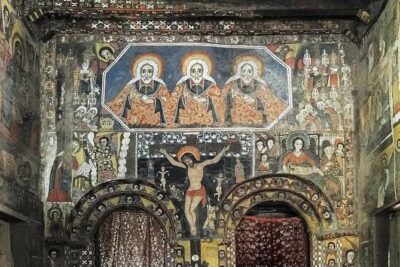
Lalibela, Axum, Danakil and Omo Valley 8 DAYS
Read our review →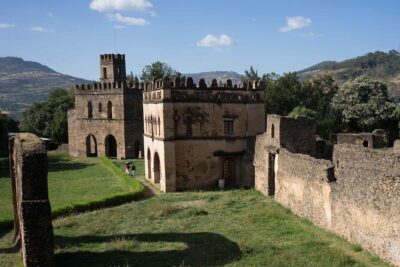
5 DAYS Axum, Lalibela, Tigray churches and Danakil
Read our review →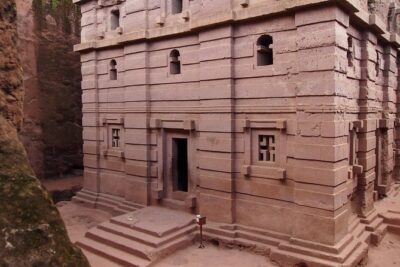
North Ethiopia Round Trip Tours From Addis Ababa
Read our review →
Historical tours – in five days, Addis Ababa, Axum, Laliebla and Gonder
Read our review →
5-Day Northern Ethiopia Tour : 3D Simien Mountains Trek & Axum.
Read our review →Browse the lists this tour appears in