

Reviewed · HISTORIC ROUTE TOURS
Two Days Trip in Axum and its Surroundings
Ancient stones tell Axum’s story. This two-day tour gives you a practical introduction to Ethiopia’s old imperial center, combining the main ruins with the Gobo Dura quarry, rural views, and a walk through the old town. I especially like the private air-conditioned transport and the chance to see the unfinished stonework at Gobo Dura, not only the polished highlights in town. I also like that airport transfers, entrance fees, bottled water, and an English or French-speaking guide are included.
The main thing to consider is that food, drinks, and accommodation are not included, so the $105 price is not the full cost of the trip. The days are also long, with about nine hours on the first day and eight on the second. For an introduction to Axum with a small group of no more than 15 people, though, this is a well-focused choice.
In This Review
- Key points before you book
- Why Axum deserves two days
- Day one: Axum’s major ruins and sacred traditions
- Day two: Gobo Dura and the stones before the monuments
- What the $105 price really covers
- Group size, timing, and comfort
- The guide can shape the whole experience
- Who should book this Axum tour?
- Should you book the two-day Axum experience?
- FAQ
- Where does the tour take place?
- How long does the tour last?
- What time does the tour start?
- Is accommodation included?
- Are meals and drinks included?
- What type of transportation is provided?
- How many people can join the tour?
Key points before you book

- Axum’s UNESCO-listed ruins provide the main historical focus, including the city’s famous stelae and sacred traditions.
- Gobo Dura quarry shows how enormous granite monuments were cut and prepared before transport.
- Private transport and airport transfers make the tour easier to manage after arriving in Axum.
- English and French-speaking local guides are included, with Asgedom Tazeze and Muez Tewelede named in past tour experiences.
- The $105 price covers major practical costs, but you still need to budget for meals, drinks, lodging, and tips.
- The schedule is full, with a roughly nine-hour first day and an eight-hour second day.
Why Axum deserves two days
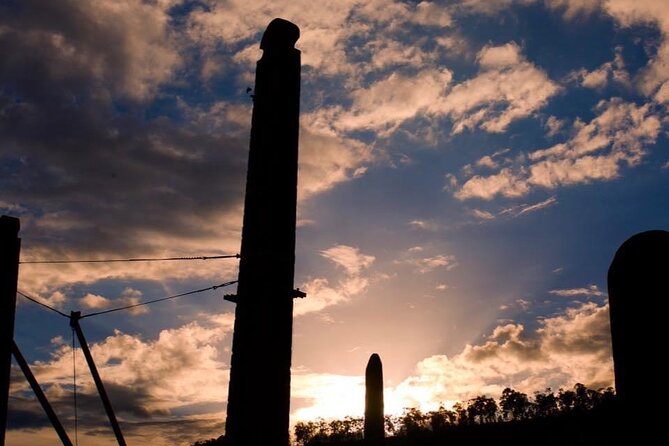
Axum is not simply a stop for one famous obelisk. It was the center of the Aksumite Kingdom, an African power that developed into a major trading state before and during the Roman era. Its position connected the Red Sea world with inland Africa, helping Axum become an important political and commercial center.
The city also carries unusual religious importance. Around 356, its ruler converted to Christianity through the work of Frumentius. Later, under King Kaleb, Axum was linked with Byzantium in opposition to the Persian Empire. Ancient church records provide much of the surviving information, so some parts of Axum’s story are certain while others remain debated.
That mixture of archaeology, faith, trade, and legend gives the visit its appeal. The Kebre Nagast, or Book of Kings, says that the Queen of Sheba lived in Axum as early as the 10th century B.C. It also tells how Menelik, the son of the Queen of Sheba and King Solomon, brought the Ark of the Covenant from Jerusalem to Axum.
The Ark’s reported presence remains a central religious tradition, preserved in a sanctuary. You should treat this as a sacred belief and historical tradition rather than a claim that can be independently confirmed. A good guide can help you understand that distinction without flattening the story into either fact or fiction.
More Historic Route Tours in Ethiopia:
- 5 DAYS Lalibela, Axum, Tigray churches and Danakil
★ 5.0 · 34 reviews - Lalibela, Axum, Danakil and Omo Valley 8 DAYS
★ 5.0 · 29 reviews - 5 Days North Ethiopia Tours
★ 5.0 · 23 reviews
Day one: Axum’s major ruins and sacred traditions
The first day begins at 11:00 a.m., a useful start time if you are arriving by air that morning. A representative of Gelila Ethiopia Tours meets you on arrival, helps with the transfer, and takes you to your hotel for check-in. Since accommodation is not included, you need to arrange and pay for your own hotel.
The city tour then takes up most of the day, with about nine hours scheduled. That is a substantial amount of time, but Axum has enough history to make a full day worthwhile. The pace should give you room to move between the archaeological areas and religious sites without turning the visit into a quick series of photo stops.
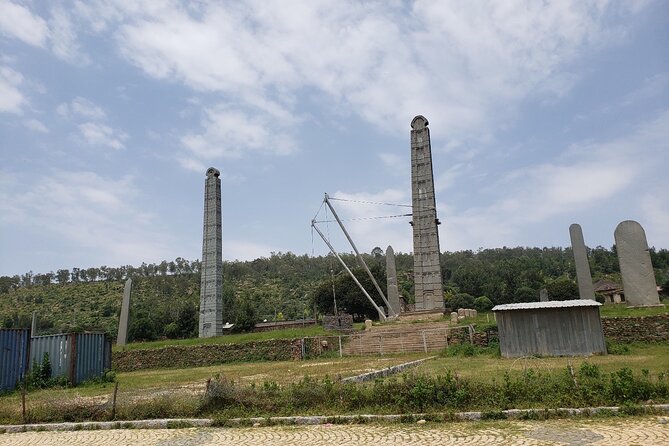
The main attraction is the Ruins of Aksum, a UNESCO World Heritage Site. Here, the remains of the old capital help you picture the power of the Aksumite Kingdom. The city was famous long before the time of Christ, and its monuments reflect a society with strong political organization, skilled stoneworkers, and broad trading connections.
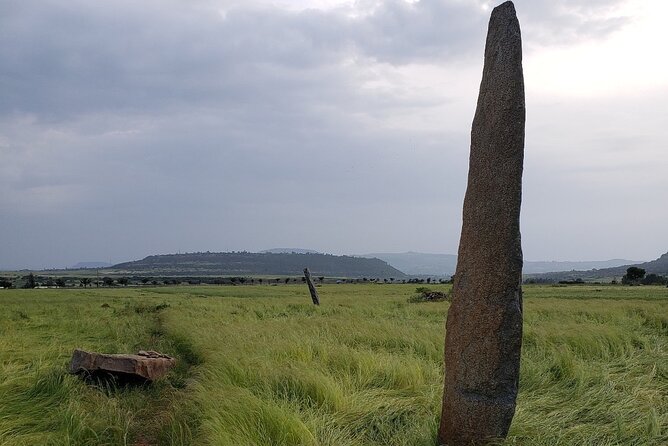
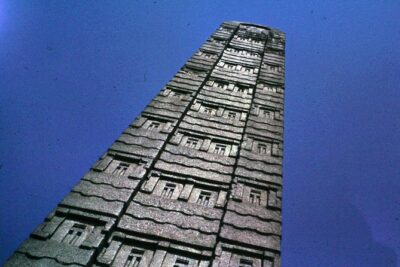
The stelae are the visual centerpiece. These tall carved stones are often called obelisks, although their local meaning and historical setting deserve more care than that simple label suggests. The site is more interesting when you consider the work involved: cutting large granite blocks, shaping them, decorating them, and moving them into place without modern machinery.
You will also encounter the religious side of Axum. The stories around the Ark of the Covenant, the city’s Christian traditions, and the role of Frumentius give the ruins a living connection to Ethiopia today. This is one reason a local guide matters. Without explanation, the stone monuments can look like isolated archaeological objects. With context, they become part of a continuing religious and national story.
The tour uses private transportation, which should make the long day more comfortable than relying on shared local connections. Fuel and the driver’s allowance are included, as are entrance fees and required licenses according to the program. Bottled water is provided throughout the tour, a small but useful detail in a warm climate and during long sightseeing hours.
The day’s drawback is its length. Nine hours can feel demanding if you want slow photography, quiet time at churches, or a leisurely meal. Since food is not included, plan your meal arrangements with the guide rather than assuming the schedule will handle everything automatically.
Day two: Gobo Dura and the stones before the monuments
The second day shifts attention from the finished monuments to the place where some of their raw material came from. You visit Gobo Dura, an important quarry site connected with the Great Stele of Aksum.
This is one of the strongest parts of the tour because it adds the missing practical side of Axum’s archaeology. At the city ruins, you see the result. At Gobo Dura, you see evidence of the work in progress. Unfinished stelae and marks in the stone show how people quarried the huge blocks and prepared them for transport.
I find this kind of stop especially useful because it changes the way you look at the monuments later. A great stone in town is impressive. A partly worked stone at its source explains the labor behind it. The quarry also offers more than archaeology. You might see birds, seasonal monkeys, vegetation, farming, and aspects of rural life around the site.
The reference to seasonal monkeys matters. Wildlife sightings are not guaranteed, and the quarry should not be treated as a formal animal-watching trip. The point is the wider setting: you see how ancient stoneworking exists beside present-day farming and rural activity.
Gobo Dura also includes the Lioness of Gobo Dura, a lioness carved into a large granite stone. This gives the stop another visual detail beyond the quarry marks. The site seems particularly suited to people who enjoy understanding how an ancient place functioned, rather than only visiting its most famous finished object.
The tour allows about eight hours on this second day. After lunch and a break, you take a gentle walk through Axum’s old town. This is a good change of pace after the quarry. Instead of looking only at imperial remains, you can observe how the city has changed while retaining links to its earlier identity.
The old town walk is described as a chance to witness change and continuity through time. That makes it valuable even though the schedule gives fewer specific landmarks than the first day. You can use this portion to notice the relationship between historic sites and daily life, and to ask your guide about local customs and cultural norms.
Past tour experiences specifically praise guides for explaining religious sites, customs, and cultural norms. Asgedom Tazeze is associated with the company and has been described as professional, positive, and highly involved in organizing visits. Muez Tewelede is also named as a guide in Axum, with strong English and a thoughtful approach to helping people understand the sites.
Because guide assignments can change, you should not assume one particular person will lead your tour. Still, the inclusion of a professional English or French-speaking local guide is a real advantage. Axum’s stories involve sacred traditions, ancient rulers, and archaeological questions. Clear explanation helps you tell those layers apart.
What the $105 price really covers
At $105 per person, the tour offers solid value if you want organized transport and a guide for two full sightseeing days. The price includes private transportation, an air-conditioned minivan, fuel, the driver’s allowance, entrance fees, licenses required by the program, bottled water, and transfers to and from Axum Airport.
Those inclusions reduce the small costs that can accumulate during a short trip. You do not need to arrange a separate airport pickup, hire different transport for the quarry, or pay each major entrance fee on the spot. The air-conditioned vehicle also matters because both days involve several hours of sightseeing.
The price does not include food, drinks, accommodation, tips, personal expenses, or international and domestic airfare. Your real budget therefore depends on where you stay and how you handle meals. The hotel check-in on day one does not mean the hotel is included.
I would judge the price as fair for a private vehicle, local guide, airport transfers, and two long days of sightseeing. It is less attractive if you only want a short city visit or already have transport and a guide arranged. In that case, you may be paying for convenience you do not need.
A different sort of day out, same part of Ethiopia:
- Full Day Tour of Addis Ababa with Hotel Pickup and Drop-off
★ 5.0 · 430 reviews - Taste of Ethiopia
★ 5.0 · 406 reviews - Day Trip From Addis Ababa See Historical Monastery,Stunning Nature,Animals,Birds
★ 5.0 · 303 reviews - Addis Ababa: Debre Libanos, Blue Nile Gorge, and Cave Tour
★ 4.5 · 256 reviews
Group size, timing, and comfort
The maximum group size is 15 people. That is small enough for a guide to manage without the tour feeling like a large coach outing, though the experience will be more personal if the group is well below the limit.
The 11:00 a.m. start is practical for an arrival day, but confirm the timing when you book. Pickup is offered, and the program includes airport transfers in Axum. Confirmation is sent within 48 hours, subject to availability, so you should avoid building a tight onward connection around an unconfirmed schedule.
The two days are not physically described as strenuous, and the second day includes a gentle old-town walk. Still, the quarry and archaeological sites involve outdoor sightseeing, uneven ground may be possible, and the days are long. The tour information advises against participation for people with current or previous medical problems. If you have a health concern, ask the provider before booking rather than relying on the general statement that most people can participate.
Weather can affect the operation. If poor weather cancels the experience, you are offered another date or a full refund. The same applies if the minimum number of participants is not reached. For a full refund under the normal cancellation policy, cancel at least 24 hours before the local start time. Changes or cancellations made less than 24 hours before the start are not accepted for a refund.
The guide can shape the whole experience
Axum rewards questions. Ask about the Aksumite trade routes, the role of Christianity, the stone-cutting process, and the difference between church tradition and archaeological evidence. The supplied guide information points to a company with experience arranging wider northern Ethiopia trips, including Axum, Gondar, and Lalibela.
Asgedom Tazeze is repeatedly associated with the company’s service and organization. One account describes meeting him in Axum years earlier and finding him energetic, helpful, and committed to Ethiopian culture. Another describes him as professional and informed while arranging visits across the region.
Muez Tewelede is specifically connected with an Axum stay and is noted for strong English, careful assistance, and clear explanations. Again, guide availability is not guaranteed, but these names give you useful points to ask about when confirming your booking.
The best guide for this tour will not only identify monuments. You want someone who can explain why Axum matters, place the legends beside the historical evidence, and help you behave respectfully at religious sites. The company’s inclusion of local English and French-speaking guides supports that kind of visit.
Who should book this Axum tour?
I would recommend it to you if you have two days in Axum and want the main ruins plus a less obvious site outside town. It is especially suitable if you prefer having transport, entrance fees, and a guide arranged together rather than negotiating each part locally.
History fans will appreciate the contrast between the finished stelae and the unfinished quarry stones. People interested in Ethiopian Christianity will value the sacred traditions and church context. You will also like the old-town walk if you want to see Axum as a living city, not only as an archaeological zone.
The tour may not suit you if you want an unhurried schedule, long independent visits, or a package with meals and lodging included. The days are full, and the price requires extra planning for those costs. It is also not a good choice for anyone whose health makes long outdoor sightseeing difficult.
Should you book the two-day Axum experience?
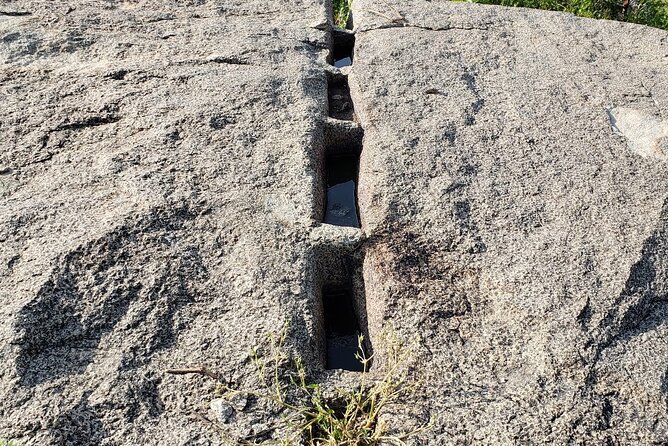
Book it if you want a sensible introduction to Axum with the major ruins, Gobo Dura, private transport, airport pickup, and a local guide in one arrangement. The quarry visit is the feature that gives the trip extra value, showing how the great stones began their journey rather than leaving you with only the finished monuments.
Before paying, confirm your guide language, hotel arrangements, meal plan, pickup time, and the day’s expected pace. If those details fit your needs, $105 is a reasonable price for two organized days. If you already have a vehicle and guide, or if you prefer to explore slowly on your own, the package may feel more structured than necessary.
FAQ
Where does the tour take place?
The experience is based in Axum, Ethiopia, with visits to the city’s UNESCO World Heritage ruins, Gobo Dura quarry, and Axum’s old town.
How long does the tour last?
The tour lasts approximately two days. The first day is planned for about nine hours, and the second day for about eight hours.
What time does the tour start?
The stated start time is 11:00 a.m. Pickup is offered, and airport transfers to and from Axum are included.
Is accommodation included?
No. Accommodation is not included, and you are responsible for arranging and paying for your hotel.
Are meals and drinks included?
No. Food and drinks are not included. Bottled water is provided throughout the tour.
What type of transportation is provided?
The tour includes private transportation in an air-conditioned minivan, along with fuel and the driver’s allowance.
How many people can join the tour?
The maximum group size is 15 people. The tour requires a minimum number of participants to operate.
New on the Ethiopia list
- Yod Abyssinia Cultural Night: Dinner, Music, and Dance★ 5.0 · 7 reviews
- Tigray Mountain Church’s Day Trip from Mekele★ 5.0 · 2 reviews
- Mekele City Tour★ 5.0 · 2 reviews
- Day trip to Tigray Churches★ 5.0 · 2 reviews
- 2 days Tigray Church★ 5.0 · 3 reviews
- 3 Day Tour of Geralta Churches Tigray Church’s★ 5.0 · 2 reviews
- Trekking in Ethiopia’s Lalibela Wollo Highland 4 Days / 3 Nights★ 5.0 · 6 reviews
- Lalibela Backpacker tours★ 5.0 · 6 reviews
Historic Route Tours, compared.

5 DAYS Lalibela, Axum, Tigray churches and Danakil
Read our review →
Lalibela, Axum, Danakil and Omo Valley 8 DAYS
Read our review →
5 DAYS Axum, Lalibela, Tigray churches and Danakil
Read our review →
North Ethiopia Round Trip Tours From Addis Ababa
Read our review →
Historical tours – in five days, Addis Ababa, Axum, Laliebla and Gonder
Read our review →
5-Day Northern Ethiopia Tour : 3D Simien Mountains Trek & Axum.
Read our review →Browse the lists this tour appears in