

Reviewed · ADDIS ABABA TOURS
Walking Tour of Addis Abeba – Discover Addis the Authentic way
Addis rewards feet, not just car windows. This 6.5-hour private tour gives you a close look at Addis Ababa through Mercato’s working market, local transport, central squares, museums, and coffee culture. I like the mix of famous sights and less obvious stops, especially the Zoma Museum and the choice between Tomoca Coffee and a traditional ceremony.
I also like the flexibility. Guides such as Beki and Gashaw have been praised for adjusting the day and explaining local customs in an easy, personal way. The main drawback is the amount of walking, plus a few admission costs are not included. If you prefer a relaxed vehicle tour, this may feel like a long day on your feet.
In This Review
- Key points to know before you book
- Why this Addis Ababa walking tour works
- Mercato, where Addis shows its working side
- Zoma Museum and the quieter side of the city
- The National Museum and Lucy
- Coffee at Tomoca or a traditional ceremony
- Tiglachin Memorial and Ethiopia’s socialist period
- Meskel Square, Addis Ababa’s public stage
- Walking, taxis, and the shape of the day
- How much value do you get for $70?
- What the guide can add
- Who should book this experience?
- Should you book the Addis Ababa walking tour?
- FAQ
- How long does the Addis Ababa walking tour last?
- How much does the tour cost?
- Is hotel pickup available?
- What is included in the tour?
- Is lunch included?
- Can I choose between Tomoca Coffee and a coffee ceremony?
- How many people can join the tour?
- Can I cancel for a full refund?
Key points to know before you book
- Mercato goes beyond the main shopping lanes: The route can include the spice market, incense sellers, coffee and grain areas, recycling workshops, and false banana food preparation.
- Zoma Museum adds a quieter cultural stop: This lesser-known museum gives the day a different pace after the busy market.
- Coffee is your choice: Stop at Tomoca Coffee’s Atlas branch or take part in a typical Ethiopian coffee ceremony.
- The tour is not walking only: Depending on the day, transport may include a donkey van, taxi, Uber, or public bus.
- You see both old and modern Addis: The route links Menelik II’s central monument, the Tiglachin Memorial, Meskel Square, and the National Museum.
- The group is capped at 10 people: The private format allows room for questions and changes, though the exact meeting and pickup details should be confirmed when booking.
Why this Addis Ababa walking tour works

Addis Ababa is a city that makes more sense when you move through it slowly. From a car window, you may notice traffic, hills, signs, and people. On foot, you can stop at a spice stall, watch a street scene unfold, ask about a monument, or pause for coffee.
This experience is built around that slower pace. It is not simply a checklist of major attractions. The day combines Mercato, museums, public spaces, coffee, and short transport connections. That variety matters because Addis Ababa does not fit neatly into one sightseeing category.
The tour lasts about six hours and 30 minutes. The listed stops add up to roughly four hours and 25 minutes, leaving time for walking between areas, transport, explanations, and possible changes to the route. That makes the schedule feel full without requiring every minute to be spent inside a museum.
The private arrangement is useful if you have limited time in the capital. You can ask questions as you go, spend longer in places that interest you, or move on when a stop has run its course. The group maximum is 10, so the experience may be small enough for conversation without promising a one-to-one guide.
More walks around Addis Ababa:
- Walking tours
★ 5.0 · 11 reviews
Mercato, where Addis shows its working side
The first major stop is Mercato, described as the biggest open-air market in Africa. The important point is not the slogan. It is the chance to see one of the city’s main engines at close range.
The guide takes you beyond the easiest lanes and into areas tied to daily trade and production. You may see the spice market, an incense section, coffee and cereal sellers, and an old metal and plastic recycling area. The route also includes false banana food preparations, a distinctive local detail that gives the market visit more substance than a simple walk past stalls.
Mercato can be crowded and active. That is part of its appeal, but it also means you should expect uneven walking conditions, noise, and a lot to take in at once. Keep your belongings secure and wear shoes that can handle a long walk. Those are sensible habits in any large market, especially when you are concentrating on the guide and the surroundings.
The 90-minute time slot is a good length. It allows the guide to show several sections without turning the visit into an exhausting half-day by itself. You will not see every corner of Mercato, but that is not the goal. The goal is to understand how goods, food, materials, and people move through the city.
I would give Mercato your full attention. It is likely to be the most demanding part of the day physically, but also one of the most useful stops for getting a feel for Addis beyond its formal monuments.
The admission ticket is not included here. The supplied details do not state a separate price, so check the current arrangements before you set out.
Zoma Museum and the quieter side of the city
The Zoma Museum is one of the more unusual parts of the experience. It is presented as an off-the-beaten-path stop, which makes it a welcome change after the market.
The museum gives the day a cultural pause. Instead of moving through a large public attraction, you get time to consider art, design, and local ideas in a smaller setting. The supplied information does not list the museum’s exhibits in detail, so I would treat this as a chance to see a less familiar side of Addis rather than book it for one specific display.
That uncertainty is not necessarily a weakness. The point of a private city tour is often to see how a place feels, not just to collect famous names. Zoma helps break up the market and museum portions with a stop that may feel more personal and less expected.
Ask the guide to explain why this museum matters to Addis Ababa and how it fits into the city’s cultural life. A good question can turn a short stop into one of the day’s most memorable parts.
The National Museum and Lucy
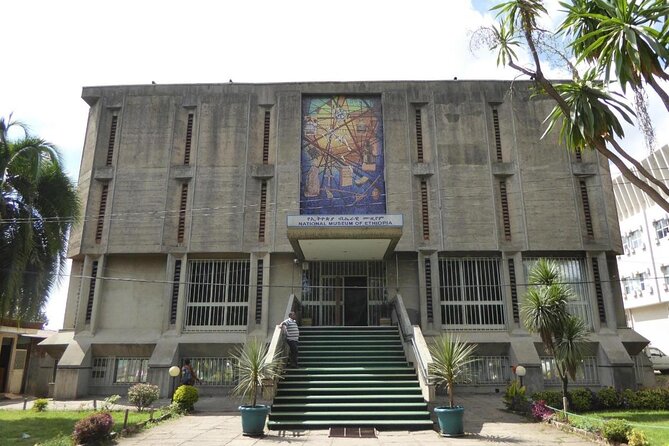
The National Museum of Ethiopia offers a broad introduction to the country’s history, culture, and natural past. It is a useful choice for a first day in Addis because it gives context to what you see elsewhere in the city.
The museum is also home to Lucy, the famous human ancestor skeleton. Seeing Lucy in person gives the stop a clear focus, especially if you have only limited time. The one-hour visit is long enough for an introduction without asking you to spend the whole afternoon indoors.
Admission is included, which makes this section easier to budget. The tour does not promise a full museum study, and one hour will not cover every gallery in depth. Still, the guide can help you focus on the parts that best support your understanding of Ethiopia.
After the museum, the route continues on foot toward Piassa. Along the way, you see the King Menelik II statue at the center of the city, marking what is described as Addis Ababa’s Zero Kilometer. This link between the museum and central Addis is important. You are not just visiting a building and then jumping to another attraction. You are walking through the city’s central story.
A different sort of day out, same part of Ethiopia:
- Full Day Tour of Addis Ababa with Hotel Pickup and Drop-off
★ 5.0 · 430 reviews - Taste of Ethiopia
★ 5.0 · 406 reviews - Day Trip From Addis Ababa See Historical Monastery,Stunning Nature,Animals,Birds
★ 5.0 · 303 reviews - Addis Ababa: Debre Libanos, Blue Nile Gorge, and Cave Tour
★ 4.5 · 256 reviews
Coffee at Tomoca or a traditional ceremony
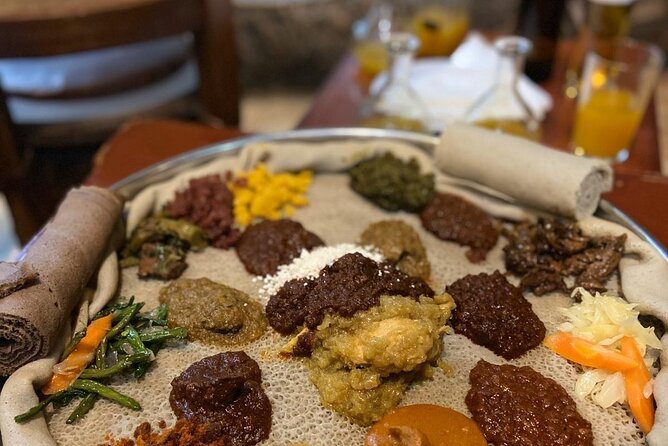
Coffee is not an afterthought here. Ethiopia is closely tied to coffee culture, and the tour gives you two ways to experience it.
One option is Tomoca Coffee at the Atlas branch. The stop lasts about 40 minutes and includes coffee. Tomoca is described as one of the oldest coffee shops in the city, so this is a good pick if you want a straightforward taste in a historic local setting.
The other option is a typical Ethiopian coffee ceremony at a convenient place. The information does not specify exactly where the ceremony takes place or how long each stage lasts, so ask for those details if the ceremony matters to you. It may be the better choice if you want to understand the social side of coffee rather than simply order a cup.
I like having the choice. Tomoca suits a visitor who wants a clear, efficient café stop. The ceremony may suit you better if you want a slower cultural experience with more explanation.
Coffee and tea are included. Lunch is not, so plan to ask the guide when you will have time to eat. The tour’s food details do not name a lunch stop or include a meal, and a six-hour day can feel much longer if you start hungry.
Tiglachin Memorial and Ethiopia’s socialist period

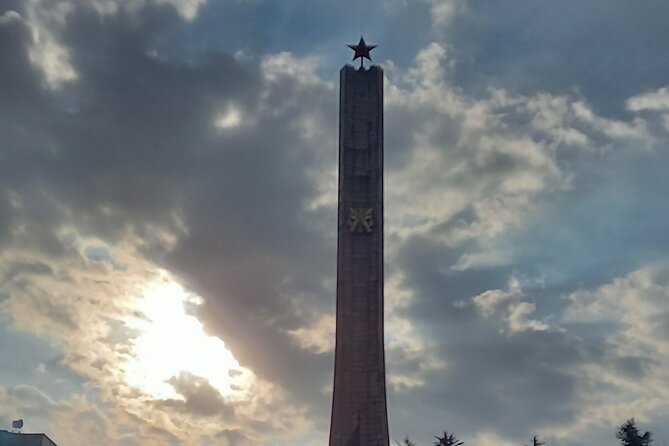
The Tiglachin Memorial adds political context that many short city tours skip. It commemorates the Cuban soldiers who died during the Ethio-Somalian War and reflects the friendship between Ethiopia and Cuba.
It is also described as the only standing memorial connected to Ethiopia’s 17 years of socialism. That makes the site useful for understanding a period that still shapes the country’s public memory.
The stop lasts about 30 minutes. That should be enough for the guide to explain the monument and its setting, though not enough for a detailed study of modern Ethiopian politics. If this subject interests you, use the time to ask about the memorial’s symbols, the war it recalls, and how the site is viewed today.
Admission is not included. The supplied details do not give a separate fee, so confirm before booking if you want a precise total cost.
Meskel Square, Addis Ababa’s public stage
The tour finishes at Meskel Square, the city’s largest open-air public area. Festivals, concerts, protests, and other gatherings take place here, giving the square a role beyond ordinary sightseeing.
The square has been renovated for walking, sitting, and public use. It is a sensible ending because it gives you room to look back at the day and watch Addis in a more open setting. The final 45 minutes also provide a chance to try Ethiopian street food, although the tour does not include lunch.
Meskel Square is sometimes described as the Ethiopian Time Square. That comparison is a little grand, but it points to the square’s role as a meeting place and public stage. The best part is not a single monument. It is the sense that the city’s daily life and major events pass through this space.
Admission is included. The tour finishes here, so ask about the end point and your onward transport, especially if you have an evening flight or another appointment.
Walking, taxis, and the shape of the day
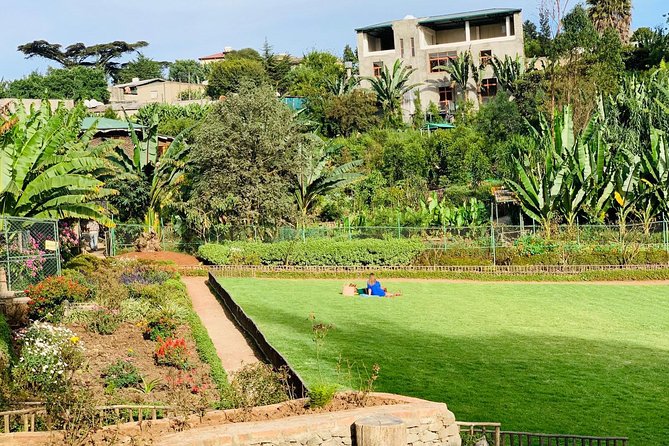
Although this is sold as a walking tour, you may not walk every section. One account of the experience included a donkey van, taxi, Uber, and street bus alongside the walking. That gives you a more complete sense of how people move around Addis Ababa, but it also means the day is not a pure walking route.
The mix can be a strength. You cover more ground, save your legs between major areas, and get a look at ordinary urban transport. It also adds some unpredictability, since traffic and local transport can affect the pace.
Wear comfortable shoes and bring water. The tour runs for most of a day, and Mercato alone takes 90 minutes. You should also be ready to switch between walking and short rides rather than expect a fixed vehicle plan.
Pickup is offered, and the tour is near public transportation. Since the exact pickup point and transport sequence are not provided, confirm those details before the day begins.
How much value do you get for $70?
At $70 per person, this is not the cheapest way to see Addis Ababa, but the value depends on what you want from a city tour. You are paying for a long guided day that combines several areas, a private format, local transport, coffee, and explanation at places that can be hard to connect on your own.
The National Museum admission is included, as is the Meskel Square stop and the coffee or tea. Mercato and Tiglachin Memorial admission are not included, and lunch is extra. The Zoma Museum is mentioned as a stop, but the supplied details do not clearly state an admission arrangement, so ask about that cost.
I think the price makes the most sense for a first-time visitor with one free day in Addis Ababa. You get a broad introduction without having to plan several separate stops or work out every connection yourself. It is also useful if you want a guide who can explain customs, history, and everyday city life rather than simply point out buildings.
If you are comfortable using public transport, arranging your own museum visits, and exploring Mercato independently, you may find a self-guided day costs less. You would give up the local guidance and flexibility that form the main value of this tour.
What the guide can add
The strongest part of this experience is the guide’s role. The route covers a lot, but the quality of the day depends on how well the guide connects the stops.
Beki has been praised for being friendly, informative, and willing to adjust the experience. Gashaw has also been praised for helping shape the day around what the group wanted to see. Those personal touches matter on a private tour because the best route is rarely identical for every person.
A good guide can explain why Mercato is organized into different trade areas, give context at the Tiglachin Memorial, and help you choose between Tomoca and a coffee ceremony. You should feel free to ask questions and say when you want more time somewhere.
The tour has a 5 out of 5 rating from 26 reviews, with 100 percent recommending it. That is a strong record, though the sample is still modest. I would read it as evidence that the personal guiding and flexible format have worked well for many people, not as a guarantee that every day will be identical.
Who should book this experience?
This tour suits you best if you want a first look at Addis Ababa that mixes major sights with ordinary city life. It is especially useful for people who would rather walk through a market and central neighborhood than spend the whole day in a car.
You should also book it if you value flexibility. The private format gives you more room to ask questions, choose your coffee experience, and adjust the pace.
It may not suit you if you dislike crowds, long walks, public transport, or loosely structured days. The route covers a lot of ground, and the market can be demanding. You should also budget separately for lunch and any fees not included in the tour price.
Should you book the Addis Ababa walking tour?
Book it if you want a broad, human-scale introduction to Addis Ababa in one day. Mercato, Lucy, Tomoca Coffee, the Tiglachin Memorial, and Meskel Square give you a useful range, while Zoma Museum keeps the route from feeling too predictable.
The best reason to choose it is the guide-led flexibility. Ask for Beki or Gashaw if available, though specific guide assignment is not guaranteed. Confirm pickup, extra admission costs, lunch timing, and the exact transport plan before you go.
You can cancel for a full refund up to 24 hours before the local start time. If the minimum number is not met and the tour is canceled, you will be offered another date or experience, or a full refund.
FAQ
How long does the Addis Ababa walking tour last?
The tour lasts approximately six hours and 30 minutes.
How much does the tour cost?
The listed price is $70 per person.
Is hotel pickup available?
Pickup is offered, but the provided details do not specify the exact pickup locations or times.
What is included in the tour?
Coffee and/or tea are included, along with admission to the National Museum of Ethiopia and the Meskel Square stop as specified in the tour details.
Is lunch included?
No. Lunch is not included in the tour price.
Can I choose between Tomoca Coffee and a coffee ceremony?
Yes. You can choose to visit Tomoca Coffee at the Atlas branch or experience a typical Ethiopian coffee ceremony at a convenient place.
How many people can join the tour?
The activity has a maximum of 10 people. It is described as a private tour.
Can I cancel for a full refund?
Yes. You can cancel at least 24 hours before the experience start time for a full refund. Changes or cancellations made less than 24 hours before the start time are not accepted for a refund.
New on the Addis Ababa list
- Yod Abyssinia Cultural Night: Dinner, Music, and Dance★ 5.0 · 7 reviews
- Locally crafted beer and wine tasting and nightlife in Addis tour★ 5.0 · 6 reviews
- Addis Ababa City Tours Full-Day Tours★ 5.0 · 5 reviews
- Stunning Views Wonchi Crater Lake a Private Day Trip★ 5.0 · 3 reviews
- Visiting the wonders of Lalibela in Three (3) days and Two ( 2) nights★ 5.0 · 2 reviews
- Unique Ethiopian Cooking Class and Coffee Ceremony with a Local in Addis Ababa★ 4.5 · 7 reviews
- Tribes of the Ethiopian Omo Valley – 9 Day Tour★ 5.0 · 5 reviews
- Two days Lake Wenchi and Menagesha Forest★ 5.0 · 3 reviews
Addis Ababa Tours, compared.
Full Day Tour of Addis Ababa with Hotel Pickup and Drop-off
Read our review →
Day Trip From Addis Ababa See Historical Monastery,Stunning Nature,Animals,Birds
Read our review →

Addis Ababa Guided City Tour With Airport & Hotel Pick Up
Read our review →
Breathtaking Nature, Wildlife and Cave Church Tour – Free Pickups
Read our review →
Browse the lists this tour appears in