
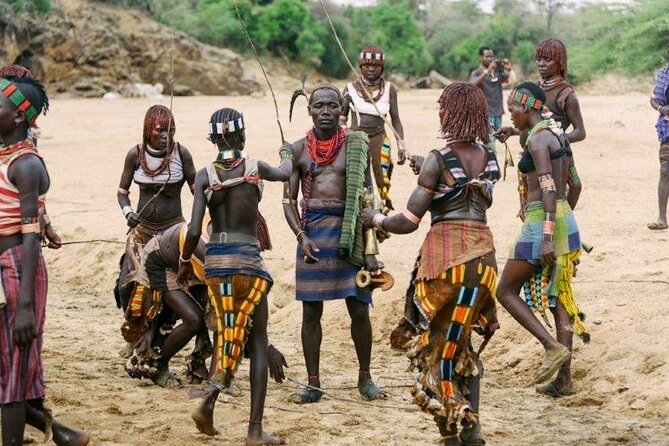
Reviewed · OMO VALLEY TRIBE TOURS
5 Days Omo Valley Tours
Come for the tribes, stay for the road. This five-day southern Ethiopia trip takes you from Addis Ababa to Arba Minch, Turmi, and Jinka, with visits to Dorze, Konso, Arbore, Hamer, Karo, Dassanech, Ari, and Mursi communities. I like the wide cultural range packed into five days, and I like that the schedule includes real village visits, coffee ceremonies, markets, and a canoe crossing rather than only roadside photo stops. The possible drawback is the amount of driving. Several days run six or seven hours, and the domestic flights are not included in the $750 tour price.
The strongest part is the human contact. Guides such as Abey and Mickey have earned praise for clear communication, care, and practical help, while the itinerary leaves room for a Hamer bull-jumping ceremony when one is taking place. Still, this is not a polished resort holiday. Expect warm roads, long transfers, simple accommodation in parts of the Omo Valley, and a schedule that can change with market days, ceremonies, weather, and local conditions.
In This Review
- Key points to know before booking
- What the $750 Omo Valley price really covers
- Day 1: Arba Minch and the Dorze villages
- Day 2: Konso terraces, the museum, and Arbore
- Day 3: Karo body painting and Hamer traditions
- Day 4: The Omo River and the Dassanech community
- Day 5: Mursi villages, Mago National Park, and Addis Ababa
- Guides, drivers, and group size
- What to pack and how to pace yourself
- Who should book this Omo Valley tour?
- Final verdict: a strong route with real practical limits
- FAQ
- Where does the Omo Valley tour start?
- Where does the tour end?
- Are domestic flights included in the $750 price?
- How many people can join the tour?
- Which communities are visited?
- Will I definitely see a Hamer bull-jumping ceremony?
- What meals are included?
- Can I cancel for a full refund?
Key points to know before booking
- Eight cultural groups in five days: The route introduces you to Dorze, Konso, Arbore, Hamer, Karo, Dassanech, Ari, and Mursi communities.
- Bull jumping is possible, not promised: Hamer ceremonies depend on local timing, so you may see one, but you should not book solely for this event.
- The road days are long: The itinerary includes drives of roughly 90, 130, 200, and 62 kilometers, with daily touring periods listed at six or seven hours.
- Domestic flights cost extra: The tour includes road transport and airport taxes, but not the Addis Ababa to Arba Minch and Jinka to Addis flights.
- Small-group format: The maximum group size is 15 people, with hotel pickup offered and a stated 9:00 am start time.
- Strong published satisfaction: The experience has a 4.9 rating from 15 ratings and is marked as recommended by 100 percent of participants.
What the $750 Omo Valley price really covers
At $750 per person, this tour is best understood as a guided ground package, not an all-inclusive trip from Addis Ababa. The price includes an air-conditioned vehicle, an English-speaking guide, accommodation, government taxes, airport or departure tax, entrance fees according to the program, four lunches, four dinners, and five breakfasts.
The key extra is the internal airfare. You need to budget separately for the flight south from Addis Ababa to Arba Minch and the return flight from Jinka to Addis Ababa. One useful point from the trip arrangements is that Mickey has helped some people organize these flights, so ask the company to price and coordinate them before you pay.
I think the package offers fair value if you want a private or small-group route with several communities, meals, accommodation, and a dedicated vehicle already arranged. Southern Ethiopia is not a place where independent transport is always simple to organize, especially when villages, markets, and ceremonies are spread across large distances.
The value drops if you expect luxury, short transfers, or a fixed schedule. The trip covers a lot of ground in only five days. You are paying partly for access and coordination, but you are also accepting long hours in the vehicle.
The booking terms are straightforward. You can cancel for a full refund up to 24 hours before the start time. The tour requires a minimum number of people, so if that number is not reached, the operator offers another date, another experience, or a full refund.
More Omo Valley Tribe Tours in Addis Ababa
- 6 Days Omo Valley Tribes Tours From Addis Ababa
★ 5.0 · 33 reviews - 3 Days Omo Valley Tour
★ 5.0 · 24 reviews - Danakil Depression, Lalibela, Omo Valley and Simien Mountains
★ 5.0 · 23 reviews
Day 1: Arba Minch and the Dorze villages
Your journey begins with a transfer from your Addis Ababa hotel to Bole International Airport. After the domestic flight to Arba Minch, you meet the driver and head to your accommodation in the southern region.
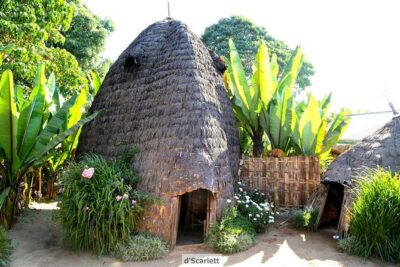
The afternoon visit goes to the Dorze community on Guge Mountain. The Dorze are known for cotton weaving and tall, beehive-shaped homes made from organic materials. This is a strong opening because it gives you a look at daily life, local building methods, and practical craft skills in one visit.
I especially like the combination of home design and weaving. The houses are not just a photo subject. They show how local materials are used with care and how a building can reflect the needs of a community. At the village, you can see weaving, look inside the distinctive huts, and learn about Dorze customs.
There is a confusing detail in the supplied schedule: the day begins in Arba Minch, but the accommodation line lists Paradise Lodge Turmi. Since Turmi is much farther along the route, confirm the first night’s hotel and location before departure. This matters because the next day already includes a long drive.
The first day is listed at about six hours, though the flight, airport transfer, mountain visit, and hotel check-in will shape the actual pace. Keep your luggage light and have water available. You will be starting a road-heavy trip, not simply taking a short city excursion.
Day 2: Konso terraces, the museum, and Arbore
After breakfast, you drive about 90 kilometers to Konso. The Konso cultural area is a UNESCO World Heritage site, known for carefully built terraces, woven materials, and carved wooden totems used around graves.
Konso is valuable because it adds a different kind of cultural story to the route. The focus here is not only clothing or body decoration. You see how farming, hillside construction, community design, and memorial art fit together. The terraces also make clear how much work is required to cultivate steep ground.
The visit includes a Konso village and the Konso museum. The museum should help give context to what you see outside, although the schedule does not specify its size or collection. I would pay close attention to the guide here, since the meaning of the carved figures and the purpose of the terraces are easier to understand with explanation.
From Konso, the route continues roughly 200 kilometers to Turmi, with a stop to visit the Arbore community along the way. The day is listed at about seven hours. In practice, this is one of the more demanding days, with a village visit, museum stop, long transfer, and arrival near the Hamer area.
Turmi is an important base for the next two nights. It is near Hamer communities and several possible market locations. Buska Lodge is listed for the overnight stay. Accommodation is included, but you should not assume the same standard as a major Addis Ababa hotel. The supplied information and trip comments describe stays as comfortable, with some people praising the hotels, but the Omo Valley remains a remote region.
Day 3: Karo body painting and Hamer traditions
After breakfast, you drive about 62 kilometers west to meet the Karo, also called Kara, at Korcho Village. The Karo are famous for elaborate face and body painting, which makes this one of the most visually striking visits of the trip.
The important point is to treat this as a cultural meeting, not a quick costume stop. The itinerary includes a traditional coffee ceremony with a Karo family. That gives you time to sit, listen, and take part in a social custom instead of simply taking pictures from a vehicle.
Photography needs care here. Ask before photographing people, homes, ceremonies, and painted designs. Your guide can help with language and local manners. A respectful approach usually produces a better encounter than rushing from one portrait to the next.
You return to Turmi for lunch. On Monday or Thursday, you may visit the Hamer market in Turmi. On Saturday, the schedule points you toward Dimeka. These market visits are useful because they show trade and ordinary activity alongside the more formal village visits.
The late afternoon brings a Hamer village visit at around 5:30 pm, followed by a coffee ceremony in a traditional house. This timing is sensible. The afternoon heat has eased, and the visit gives you another chance to see Hamer life beyond a staged roadside encounter.
A Hamer bull-jumping ceremony may take place, but only if one is scheduled locally. One person on the trip did not see the event, while others were fortunate enough to attend one in Turmi. That is the honest way to view it: a valuable possibility, not a guaranteed feature.
The Hamer are famous for bull jumping as a coming-of-age ceremony. If one occurs, follow the guide’s instructions closely. Ceremonies are community events, not performances arranged for tourists. The six-hour day leaves some room for this flexible timing, but local schedules remain more important than a printed timetable.
A different sort of day out, same part of Ethiopia:
- Full Day Tour of Addis Ababa with Hotel Pickup and Drop-off
★ 5.0 · 430 reviews - Taste of Ethiopia
★ 5.0 · 406 reviews - Day Trip From Addis Ababa See Historical Monastery,Stunning Nature,Animals,Birds
★ 5.0 · 303 reviews - Addis Ababa: Debre Libanos, Blue Nile Gorge, and Cave Tour
★ 4.5 · 256 reviews
Day 4: The Omo River and the Dassanech community
Day four takes you about 75 kilometers south from Turmi to meet the Dassanech, also called Gelab, near the Omo River. You cross the river in a traditional dugout wooden canoe, then walk for about ten minutes to reach the village.
This is one of the most distinctive parts of the trip. The canoe crossing is not just transport. It shows how the river shapes movement and settlement in this part of Ethiopia. The short walk afterward makes the visit feel more connected to the place than a vehicle arriving directly at a village entrance.
You visit a family home and spend time with the Dassanech community before returning to Turmi for lunch. The schedule does not give a fixed length for the village interaction, so the pace may depend on the guide, the family, and local conditions.
The road then continues 130 kilometers to Jinka. A market stop may be added in Turmi, Dimeka, Aldubba, or Keyafer, depending on the day. The possible market days listed are Monday, Tuesday, Thursday, and Saturday. This is a helpful feature, but it also means the exact program is not identical every week.
Finally, you visit an Ari village before heading to your lodge in Jinka. The Ari are associated with green village settings and farming, offering another contrast with the dry river country around Turmi. The day is listed at seven hours, so do not expect a leisurely transfer.
Jinka is the base for the Mago National Park visit on the final day. The itinerary gives only a short window in the town, but the Ari stop helps break up the long drive and adds another community to the route.
Day 5: Mursi villages, Mago National Park, and Addis Ababa
The final morning takes you into Mago National Park to visit a Mursi village. The Mursi are widely known for the lip plates worn by some women. The tradition’s origin is not established in the information provided, and the Mursi understand it as a feature that distinguishes them from nearby groups.
This visit requires sensitivity. The lip plate is part of a living cultural practice, not a museum object. Listen to your guide, ask before taking photographs, and remember that a brief visit cannot explain an entire community.
The Mursi stop is the trip’s final major cultural encounter. It is also a demanding ending because the route includes park travel, village time, airport transfer, and the flight back to Addis Ababa. The day is listed at about five hours, but flight timing will control the afternoon.
After arriving in Addis, there may be time for final souvenir shopping. The evening includes a farewell dinner at a traditional restaurant with folkloric dance, followed by transfer to the airport for your onward flight home. That dinner gives the trip a clear closing point, though you should keep your flight schedule in mind.
Guides, drivers, and group size
The maximum group size is 15 people, which is small enough for questions and practical help without promising a private experience. Pickup is offered, and the stated meeting point is Edna Mall on Cameroon Street in Addis Ababa, with the activity ending back there.
The most praised guides in the supplied feedback are Abey and Mickey. Abey is described as helpful, informative, and willing to make extra effort, including during the Omo Valley route. Mickey is repeatedly praised for organization, communication, warmth, and attention to individual needs.
That human element matters in southern Ethiopia. A good guide can help you understand a ceremony, arrange a market stop, explain local customs, and handle changes when a planned event does not occur. Communication through WhatsApp before the trip has also been useful for confirming details.
The driver is just as important. With several days of rough or lengthy road travel, an air-conditioned vehicle and a careful driver make a practical difference. Ask in advance how many people will share the vehicle and where the first night’s accommodation will be, since the published schedule contains an unclear hotel reference.
What to pack and how to pace yourself
Pack for heat, dust, long drives, and village walks. Comfortable shoes, sun protection, a refillable water bottle, and light clothing will serve you well. Keep a small day bag accessible rather than burying everything in the main luggage.
A camera can be useful, but it should not lead the visit. Ask permission before photographing people, especially during ceremonies and family visits. Your guide can help explain when photography is welcome and when it is not.
The schedule includes four lunches, four dinners, and five breakfasts. That covers the listed tour days, but you should still carry snacks for the longer road sections. The itinerary does not provide detailed meal menus or restaurant information, so do not assume a wide choice at every stop.
This trip is suitable for most people according to the supplied participation information, but the long drives remain the main physical challenge. Families have taken the route, including a family with children aged two and four, yet every family should decide if repeated six or seven-hour days suit their children.
Who should book this Omo Valley tour?
I would choose this tour if you want a focused introduction to southern Ethiopia and prefer having transport, accommodation, meals, entrance fees, and a guide handled together. It is particularly well suited to people interested in living cultures, photography, markets, village architecture, and regional variety.
It also suits first-time visitors who want support with a complicated route. The combination of local guides, an English-speaking guide, and an air-conditioned vehicle removes much of the planning burden.
I would hesitate if your priority is comfort, slow travel, or guaranteed access to a bull-jumping ceremony. The route is packed, internal flights cost extra, and cultural events follow local schedules. You should also confirm the exact hotels, flight arrangements, group size, and photography expectations before paying.
Final verdict: a strong route with real practical limits
This five-day Omo Valley tour gives you an unusually broad look at southern Ethiopia. Dorze weaving, Konso terraces, Karo body painting, Hamer customs, Dassanech river life, Ari villages, and Mursi traditions create a full program in a short time.
Its best features are the range of communities, the family coffee ceremonies, the canoe crossing, and the care associated with guides such as Abey and Mickey. Its weak points are equally clear: long drives, extra domestic airfare, flexible market and ceremony scheduling, and one unclear accommodation detail.
Book it if cultural contact matters more to you than road comfort. Before confirming, get the domestic flight price and the first-night hotel in writing. If those details suit you, the tour offers a practical and well-supported way to reach a part of Ethiopia that is difficult to arrange on your own.
FAQ
Where does the Omo Valley tour start?
The tour starts at Edna Mall on Cameroon Street in Addis Ababa. Pickup is offered, and the stated start time is 9:00 am.
Where does the tour end?
The activity ends back at the meeting point in Addis Ababa, after the return flight from Jinka.
Are domestic flights included in the $750 price?
No. The domestic flights are not included. You need to arrange and pay separately for the flight from Addis Ababa to Arba Minch and the return flight from Jinka to Addis Ababa.
How many people can join the tour?
The maximum group size is 15 people.
Which communities are visited?
The route includes visits to Dorze, Konso, Arbore, Hamer, Karo, Dassanech, Ari, and Mursi communities.
Will I definitely see a Hamer bull-jumping ceremony?
No. The ceremony may be available during the visit, but it depends on local timing and cannot be guaranteed.
What meals are included?
The package includes five breakfasts, four lunches, and four dinners.
Can I cancel for a full refund?
Yes. You can cancel up to 24 hours before the experience start time for a full refund. Cancellations or changes made less than 24 hours before the start time are not accepted for a refund.
New on the Addis Ababa list
- Yod Abyssinia Cultural Night: Dinner, Music, and Dance★ 5.0 · 7 reviews
- Locally crafted beer and wine tasting and nightlife in Addis tour★ 5.0 · 6 reviews
- Addis Ababa City Tours Full-Day Tours★ 5.0 · 5 reviews
- Visiting the wonders of Lalibela in Three (3) days and Two ( 2) nights★ 5.0 · 2 reviews
- Stunning Views Wonchi Crater Lake a Private Day Trip★ 5.0 · 3 reviews
- Unique Ethiopian Cooking Class and Coffee Ceremony with a Local in Addis Ababa★ 4.5 · 7 reviews
- Tribes of the Ethiopian Omo Valley – 9 Day Tour★ 5.0 · 5 reviews
- Two days Lake Wenchi and Menagesha Forest★ 5.0 · 3 reviews
Omo Valley Tribe Tours, compared.
6 Days Omo Valley Tribes Tours From Addis Ababa
Read our review →
Lalibela, Axum, Danakil and Omo Valley 8 DAYS
Read our review →

3 days around Arbaminch and Konso Adventure Tours Life Time
Read our review →Danakil Depression, Lalibela, Omo Valley and Simien Mountains
Read our review →

9 Days Tours To Danakil Depression, Simen MNP, Lalibela With Omo Valley Tribes
Read our review →Browse the lists this tour appears in