
Reviewed · ROCK-HEWN CHURCH TOURS
Danakil Depression, Lalibela, Omo Valley and Simien Mountains
Ethiopia packs a lot into thirteen days. This ambitious group tour links Addis Ababa, the Danakil Depression, Lalibela, the Omo Valley, Konso, Bale Mountains and Lake Awassa, giving you a broad look at the country’s faith, culture, geology and wildlife. I especially like the wide variety of experiences, from walking among sulfur-colored formations to tasting tej with local music in Lalibela. I also like the tour’s flexible approach, since Aspire Ethiopia Tours says it can adjust parts of the plan around your interests.
The main consideration is the pace. Long road journeys, early starts, hot conditions and two demanding Danakil excursions make this a trip for people with moderate physical fitness, not a restful holiday. There is also an important detail to clarify before booking: the title mentions the Simien Mountains, but the supplied schedule visits Bale Mountains instead.
In This Review
- Key points to know before booking
- Addis Ababa begins with Ethiopia’s story
- Danakil brings heat, salt and volcanic ground
- Lalibela turns stone into a place of worship
- The Omo Valley requires curiosity and respect
- Konso and the Rift Valley add another point of view
- Bale Mountains replace the advertised Simien section
- Lake Awassa ends the trip on a lively note
- What $3,410 means in practical terms
- Who should choose this Ethiopian journey?
- Should you book it?
- FAQ
- How long is the tour?
- Where does the tour begin?
- What is the maximum group size?
- Is pickup available?
- What level of fitness is required?
- Does the tour visit Simien Mountains?
- Is the Erta Ale trek optional?
- Can the tour be canceled for a full refund?
Key points to know before booking
- Danakil includes two strenuous adventures: a sunset at Asale Salt Lake and an evening trek to Erta Ale.
- Lalibela gives you time for the full church complex, including Bete Medhanialem and St. George.
- Omo Valley visits are highly cultural, with stops involving Mursi, Hammar, Karo and Dasenech communities.
- The tour is capped at 14 people, making it easier to manage than a large coach trip.
- Bale Mountains replace the Simien Mountains in the schedule, so confirm the exact route before paying.
- The $3,410 price buys breadth, but you should ask precisely what hotels, meals, flights, park fees and guides are included.
Addis Ababa begins with Ethiopia’s story
The first day gives you a useful introduction to Addis Ababa rather than rushing straight into the countryside. At Holy Trinity Cathedral, you see an important Ethiopian Orthodox church and the burial place of Emperor Haile Selassie I, along with other figures connected to the country’s public life. The visit lasts about 35 minutes, enough for a focused look at the building, paintings and religious setting.
The National Museum follows. Its collections cover archaeology, crafts, paintings and objects from different parts of Ethiopia. The main attraction is Lucy, the famous fossil skeleton described here as about 3.2 million years old. I like this pairing because the cathedral explains Ethiopia’s living Christian tradition, while the museum sets that tradition against a much older human story.
At Entoto Natural Park, you drive uphill through eucalyptus and juniper trees to a viewpoint over Addis Ababa. The stop is short, but the change in air and scenery gives you a break from the city. Driving down through local villages adds useful contrast. You see Addis not only as a capital, but also as a city connected to surrounding rural communities.
Mercato is the liveliest stop of the day. The tour aims for sections dealing with spices, coffee, food and recycling rather than only the easiest shopping streets. That choice matters. You get a more ordinary picture of how people buy, sell and work, though you should expect a crowded, fast-moving place where staying close to your guide is sensible.
More Danakil Depression Tours in Addis Ababa
- 12 Days SIMIEN MOUNTAIN-LALIBELA-DANAKIL-TIGRAY CHURCHES
★ 5.0 · 45 reviews - 3 Day Danakil Depression Ertale and Dallol Tours
★ 5.0 · 44 reviews - 3 Days Dankile Depression group Tours
★ 5.0 · 40 reviews
Danakil brings heat, salt and volcanic ground
Day two begins with a flight to Mekelle, followed by a long drive toward the Danakil Depression. The schedule gives this journey about eight hours, much of it leading to Hamedilla camp and Asale Salt Lake. The advertised elevation is about 120 meters below sea level, and the area is shaped by the meeting of three tectonic plates.
At sunset, the salt lake should be the gentler part of this section. You walk around the salt flats, watch the light change and get your first feel for one of Ethiopia’s most severe environments. The camp setting is basic by nature, and the schedule does not promise comfort, so bring a patient attitude along with sun protection and plenty of water.
The next day is much harder. At Dallol, you walk for roughly two hours across mineral formations colored by salt, potash and sulfur. The ground and pools are the attraction, but they are also a reminder that this is an active geological area, not a landscaped sightseeing site. Follow local instructions closely and avoid stepping beyond marked or approved areas.
The Salt Mountains add another view of the region’s volcanic activity. Afterward, you drive toward Erta Ale, one of the few active volcanoes included on organized tours. The climb begins from base camp and takes around 90 minutes to two and a half hours, usually in the evening. A camel can be hired if you want help with the approach.
This is the tour’s most physically demanding experience. The description allows time at the volcanic area before returning to camp, but conditions can change. Heat, darkness, rough ground and fatigue all matter. You should be comfortable walking for several hours in a remote place and understand that volcanic activity and access can vary.
Day four offers a welcome reset. After breakfast at camp, you may stop at Afdera Salt Lake for a swim before returning toward Mekelle. The schedule also allows the option of going directly to Mekelle. This flexibility is useful after two hard days, although the exact swimming conditions and timing should be confirmed before departure.
Lalibela turns stone into a place of worship
The drive from the Tigray area toward Lalibela takes about eight hours. It is long, but the road gives you views of the mountain country and ordinary rural life. Stops for lunch, photographs and conversation break up the journey, and a local market may be possible depending on the date.
Arriving in Lalibela in the late afternoon gives you a chance to see the sun from your hotel before the main church visit. That is a smart rhythm. You are not trying to understand one of Ethiopia’s most important religious sites after an exhausting arrival.
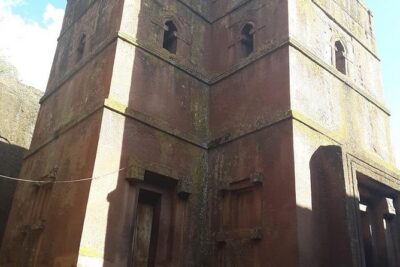
Lalibela’s churches were cut directly from solid rock, and the tour sets aside around three hours to explore the groups. Bete Medhanialem is presented as the largest monolithic church in the world. The surrounding churches were created to represent an earthly Jerusalem, and the experience makes most sense when you take time to notice the trenches, bridges, courtyards and connections between buildings.
St. George is the famous cross-shaped church, cut below ground and reached through the surrounding rock. Its windows, doors and religious symbolism reward a slow visit. The schedule lists only two minutes for this stop, which is clearly too brief as a practical description, since the church is part of the wider exploration. Expect to spend more time there as part of the full church visit.
The day ends at a tej bet, or honey-wine house. You can taste tej while listening to local music and watching Ethiopian shoulder-shaking dance. This is one of the tour’s strongest cultural touches because it moves beyond monuments and gives you a social evening connected to local food and performance.
The Omo Valley requires curiosity and respect
Day seven involves two flights, from Lalibela to Jinka with a change in Addis Ababa. The free afternoon in Jinka can be used for a walk or a visit to the South Omo Research Center, a museum that explains the communities living along the Omo River.
The following morning takes you into Mago National Park and a Mursi village. The journey between Jinka and the village takes several hours, and the visit is intended to show daily routines rather than a staged attraction. Mursi women are widely associated with lip plates, but you should remember that you are meeting people, not collecting photographs. Ask before taking pictures, listen to your guide and be prepared for direct requests related to photography.
After lunch back in Jinka, you continue toward Turmi. Depending on the date, a market at Key Afer, Dimeka or Kako may be included. If no market is operating, the company says it will choose another activity, and some ceremonies may take place during particular periods. Since these events are not guaranteed, ask for the likely plan when you book.
Turmi is a practical base for visiting Hammar communities. A village visit in the late afternoon lets you see people returning home and young people gathering. The Hammar bull-jumping ceremony is a rite of passage connected with adulthood and marriage, but it only takes place when scheduled locally. Do not book this tour solely for the ceremony.
On day nine, you visit Korocho village near the Omo River to meet Karo people. Their body painting is distinctive, and the visit includes time in the village and a look inside a home. This can be one of the most revealing moments of the trip, provided you approach it with humility and let the local setting guide the pace.
Later, a drive toward the river leads to a Dasenech village. You cross the Omo by traditional wooden boat, then walk about 20 minutes to the settlement. The supplied description refers to female circumcision, agriculture and animal husbandry. These are sensitive subjects. Your guide should provide context, and you should avoid treating painful traditions as entertainment or making photographs without clear permission.
More Omo Valley Tribe Tours in Addis Ababa
- 6 Days Omo Valley Tribes Tours From Addis Ababa
★ 5.0 · 33 reviews - 3 Days Omo Valley Tour
★ 5.0 · 24 reviews - 5 Days Omo Valley Tours
★ 5.0 · 15 reviews - 6 Days Lalibela, Omo Valley and Harar
★ 5.0 · 15 reviews
Konso and the Rift Valley add another point of view
Leaving Turmi, you travel toward Konso and then the Rift Valley. The Konso Cultural Centre introduces a different form of community life, known for carefully built terraces and villages enclosed by dry-stone walls. The terraces show how people have adapted farming to difficult ground over generations.
The road from Turmi to Arbaminch can take six to eight hours. That is a serious driving day, even with stops. If you dislike long vehicle journeys, this route may feel tiring. If you like seeing how towns, farms and mountain areas change from one region to the next, it provides useful context that a series of flights would miss.
Bale Mountains replace the advertised Simien section
The schedule then heads toward Bale Mountains National Park, described as Ethiopia’s second-highest mountain area. The drive passes through the Rift Valley and includes a lunch stop in Shashemene, known here as a home for Jamaicans. The overnight base is Bale Goba.
Wildlife sightings may include mountain nyala, Menelik bushbuck, reedbuck, kudu, warthogs and other species. The next day focuses on the Harenna rainforest and Tulu Dimtu, with slow walking and driving in search of the Ethiopian wolf and giant mole-rat.
The word search is important. Wildlife is never guaranteed, and the supplied plan uses hopeful language for the Ethiopian wolf. Bale is also different from Simien. If dramatic mountain escarpments and Simien’s specific wildlife are central to your plans, contact Aspire Ethiopia Tours and ask if the route can be changed or if the title is simply outdated.
The nine-hour day from Bale toward Hawassa is another long transfer. Reaching a resort near Lake Fiker-Haiq for sunset gives the day a pleasant finish, but you should be ready for plenty of time on the road.
Lake Awassa ends the trip on a lively note
The final morning begins at the fish market beside Lake Awassa. Fishermen return with their catch after spending the night on the far side of the lake, and people, birds and fish compete around the landing area. The description calls it a fight for survival, and the scene sounds energetic and raw rather than polished.
Afterward, the tour continues toward Kuriftu Water Park for lunch and a few hours by the lake. You may walk around or canoe before returning to Addis Ababa. The farewell dinner takes place at a cultural restaurant with folk music, dancing, honey wine or beer.
This ending works well because it combines a working fish market, leisure time and a final cultural performance. You finish with a sense of movement through several different Ethiopias rather than ending abruptly at an airport.
What $3,410 means in practical terms
At $3,410 per person, this is not a budget tour. Its value comes from the sheer range of places covered and the amount of coordination required: domestic flights, remote-area driving, local guides, park visits and a group of no more than 14 people.
Still, the supplied information does not spell out every inclusion. Before booking, ask specifically about accommodation, meals, domestic flights, park fees, camping equipment, local community payments, airport transfers and the exact Danakil arrangements. Those details can change the value considerably.
The strongest service feature is the personal planning associated with Gashaw. Several supplied accounts describe him as responsive before departure, good at customizing plans and careful with solo visitors and larger groups. Other positive comments highlight guides and drivers working together, along with the friendly, professional way the trip was handled. One useful warning from a Lalibela visit is to bring a remote charger and a torch because electricity can go off for several hours.
Who should choose this Ethiopian journey?
I would recommend it to you if you want variety more than comfort. It suits an active person who is happy with rough roads, long drives, basic camping, uncertain wildlife sightings and visits that require cultural sensitivity.
It is less suitable if you want leisurely mornings, reliable luxury or a tightly fixed schedule. The Danakil section is hot and strenuous, the Omo Valley can feel confronting, and the journey includes several very long road days.
The group format can be a plus. With a maximum of 14 people, you have company without being placed on a huge coach, and the shared rides create room for conversation. Aspire also invites suggestions before departure, so use that opportunity to clarify the Simien and Bale discrepancy.
Should you book it?
Book this tour if your main goal is to see many sides of Ethiopia in one serious trip: Orthodox Christianity, ancient archaeology, extreme geology, living cultures, mountain wildlife and lake life. The strongest parts are the Danakil adventure, the full Lalibela visit and the access to southern Ethiopia with local guides.
I would not book it without first confirming the exact route and inclusions. The advertised name promises Simien Mountains, while the schedule gives you Bale Mountains, and the price needs a careful inclusion check. Once those points are clear, this is a bold, unusually wide-ranging trip for an active visitor who values access and cultural contact over easy comfort.
FAQ
How long is the tour?
The tour lasts approximately 13 days.
Where does the tour begin?
It begins in Addis Ababa, Ethiopia.
What is the maximum group size?
The group can include a maximum of 14 travelers.
Is pickup available?
Yes, pickup is offered.
What level of fitness is required?
A moderate level of physical fitness is required. The Danakil section includes hikes, including an evening trek to Erta Ale.
Does the tour visit Simien Mountains?
The supplied schedule visits Bale Mountains National Park. Because the tour title mentions Simien Mountains, confirm the final route with Aspire Ethiopia Tours before booking.
Is the Erta Ale trek optional?
The trek is part of the Danakil schedule. You may hire a camel for the approach if you want assistance.
Can the tour be canceled for a full refund?
You can cancel at least 24 hours before the start time for a full refund. If poor weather causes the tour to be canceled, you will be offered another date or a full refund.
More Simien Mountains Trekking in Addis Ababa
- Simien Mountains Trekking Adventure
★ 5.0 · 8 reviews - 3 Days Trekking Simien Mountains Tours
★ 5.0 · 6 reviews - Northern Ethiopia & Trekking Simien Mountains , 10 Days
★ 4.5 · 5 reviews - 5 Day Addis,Bahir Dar,Gondar,Simien Mountains and Lalibela Tours
★ 5.0 · 4 reviews
More Rock-Hewn Church Tours in Addis Ababa
- 5 DAYS Lalibela, Axum, Tigray churches and Danakil
★ 5.0 · 34 reviews - Danakil Depression and Lalibela 5 Days Tours
★ 5.0 · 28 reviews - 5 DAYS Axum, Lalibela, Tigray churches and Danakil
★ 4.5 · 22 reviews - Lalibela 3 Days/ 2 Nights Tour package
★ 5.0 · 13 reviews
New on the Addis Ababa list
- Yod Abyssinia Cultural Night: Dinner, Music, and Dance★ 5.0 · 7 reviews
- Locally crafted beer and wine tasting and nightlife in Addis tour★ 5.0 · 6 reviews
- Addis Ababa City Tours Full-Day Tours★ 5.0 · 5 reviews
- Stunning Views Wonchi Crater Lake a Private Day Trip★ 5.0 · 3 reviews
- Visiting the wonders of Lalibela in Three (3) days and Two ( 2) nights★ 5.0 · 2 reviews
- Unique Ethiopian Cooking Class and Coffee Ceremony with a Local in Addis Ababa★ 4.5 · 7 reviews
- Tribes of the Ethiopian Omo Valley – 9 Day Tour★ 5.0 · 5 reviews
- Two days Lake Wenchi and Menagesha Forest★ 5.0 · 3 reviews
Rock-Hewn Church Tours, compared.
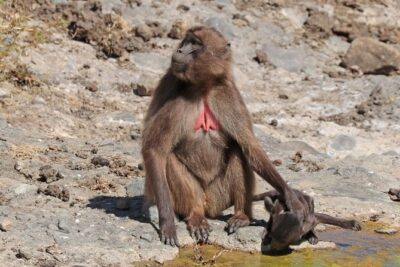
12 Days SIMIEN MOUNTAIN-LALIBELA-DANAKIL-TIGRAY CHURCHES
Read our review →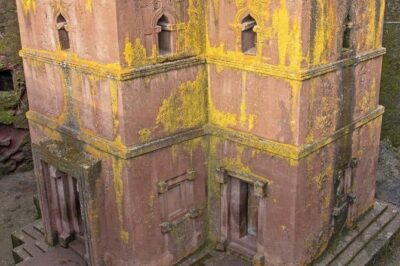
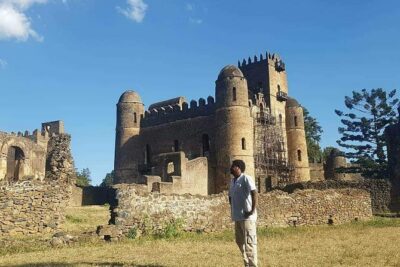
Tour 11 monolithic rock churches & museum in Lalibela & cave church with mummies
Read our review →
Ethiopia Tigray Tours: Guided tour of Tigray rock hewn churches
Read our review →
5 DAYS Lalibela, Axum, Tigray churches and Danakil
Read our review →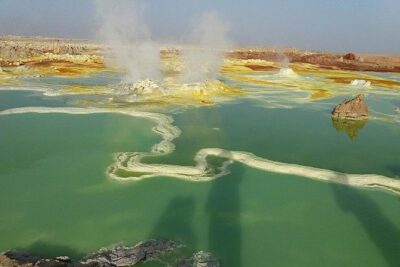
6 Days tour Package (Simien Mountains, Lalibela, and Danakil Depression)
Read our review →
Lalibela, Axum, Danakil and Omo Valley 8 DAYS
Read our review →Browse the lists this tour appears in