

Reviewed · OMO VALLEY TRIBE TOURS
3 Days An Overview of the Best of Omo Valley tour
The Omo Valley rewards the curious. This three-day trip links a local market, Hamer and Dasenech communities, the Mursi people, and Mago National Park in one compact route through southern Ethiopia. I like the small group limit of six, which should make the long drives and village visits more manageable, and I like that the tour uses local guides and a scout rather than treating the region as a quick roadside photo stop. The main drawback is the pace: three days gives you a strong first look, but the drives are long and ceremonial visits depend on timing.
I also like the practical setup: airport pickup in Jinka, a four-wheel-drive vehicle with fuel and driver, accommodation with breakfast, and local meals are included. You should budget extra for domestic flights, photo fees, and any ceremonial fee, and you should be ready for simple conditions rather than polished tourist facilities.
In This Review
- Key points to know before booking
- Why the Omo Valley feels different
- Day one: Jinka to Turmi through Key Afer
- Day two: crossing the Omo River at Omorate
- Day three: Mago National Park and the Mursi
- What the $599 price really covers
- The guide service matters here
- What may frustrate you
- Who should book this Omo Valley trip?
- Should you book it?
- FAQ
- How long is the Omo Valley tour?
- Where does the tour begin?
- Where does the tour end?
- Which communities does the tour visit?
- Is the Hamer Jumping of the Bulls ceremony guaranteed?
- What is included in the $599 price?
- What costs are not included?
Key points to know before booking
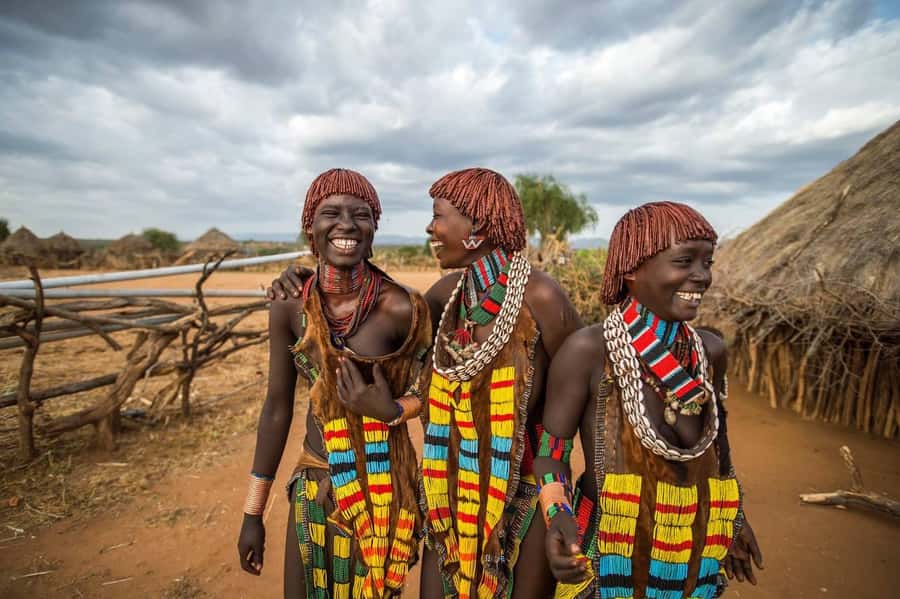
- Hamer culture near Turmi: Meet one of the Omo Valley’s best-known communities and learn about their distinctive clothing, hairstyles, and daily customs.
- Key Afer Market stop: This is your chance to see local trading and movement between communities rather than only visiting villages.
- Boat crossing at Omorate: A native boat carries you across the Omo River to visit the Dasenech, also called the Galeb.
- Mursi visit in Mago National Park: The early drive brings you to the home region of the Mursi, known for lip plates and male stick-fighting traditions.
- Small-group format: With no more than six participants, the trip should feel more flexible than a large coach excursion.
- Cultural costs are separate: Domestic flights, photo fees, and ceremonial fees are not included in the $599 price.
Why the Omo Valley feels different
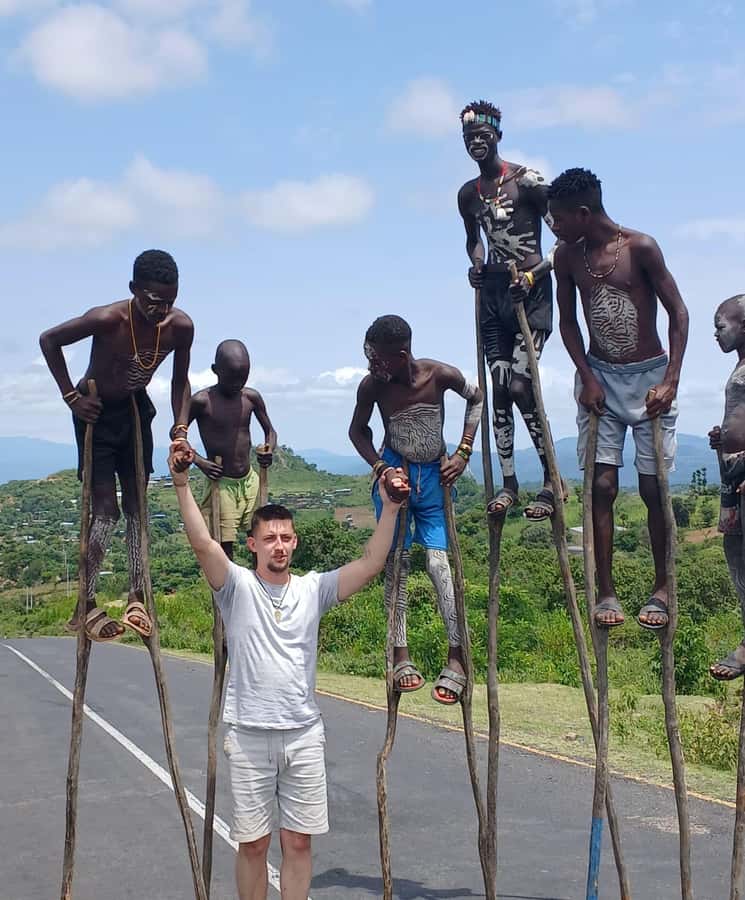
The Omo Valley contains many small ethnic communities, each with its own customs, dress, artistic practices, and social traditions. For more than a thousand years, the area has had limited contact with the outside world, helping distinctive ways of life continue into the present.
That isolation also explains why the visit requires care. You are not walking through a museum where every display is arranged for you. You are entering living communities, and your guide has an important job: explain what you are seeing, help you behave respectfully, and keep the exchange from becoming a simple camera exercise.
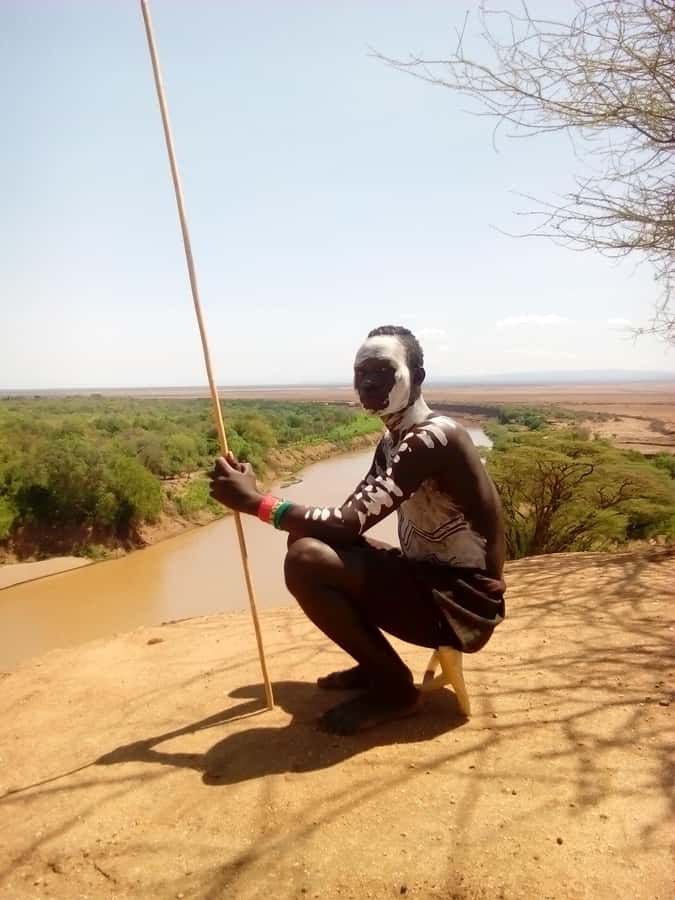
Body painting is one of the most striking traditions described for the area. Some communities use clay and plant pigments to create designs on the body. These patterns are not just decoration for tourists. They can carry social, cultural, or personal meaning, so your guide’s explanation matters as much as the image itself.
The tour is built around observation and conversation, but it also includes cultural events when timing allows. A Hamer wedding ritual known as the Jumping of the Bulls may be available during your visit, though it is not guaranteed. If one is scheduled, you will be told in advance and may need to pay a separate ceremonial fee.
More Omo Valley Tribe Tours in Ethiopia:
- 6 Days Omo Valley Tribes Tours From Addis Ababa
★ 5.0 · 33 reviews - Lalibela, Axum, Danakil and Omo Valley 8 DAYS
★ 5.0 · 29 reviews - 3 Days Omo Valley Tour
★ 5.0 · 24 reviews
Day one: Jinka to Turmi through Key Afer
Your trip begins with pickup at Jinka. If you arrive by air, the driver will be waiting at Jinka airport with a sign showing your last name, a useful detail after a flight into an unfamiliar place.
The route heads toward Turmi, with a stop at Key Afer Market. Market days are among the best ways to see how the region works because people come to buy, sell, exchange news, and meet others from nearby communities. You may see goods moving between different groups, along with local clothing and the everyday business that keeps rural life going.
The market is also a place where you need to slow down. Ask your guide before taking photographs, and remember that a market is first a workplace, not a staged cultural show. The separate photo fee listed for this experience makes it especially important to clarify the rules before raising your camera.
After the market, you continue to Turmi by four-wheel drive. The vehicle is not just a convenience here. The route covers rural roads, and the supplied plan includes several drives of roughly two hours or more across the three days. A four-wheel-drive vehicle with fuel and an experienced local driver is a central part of the tour’s value.
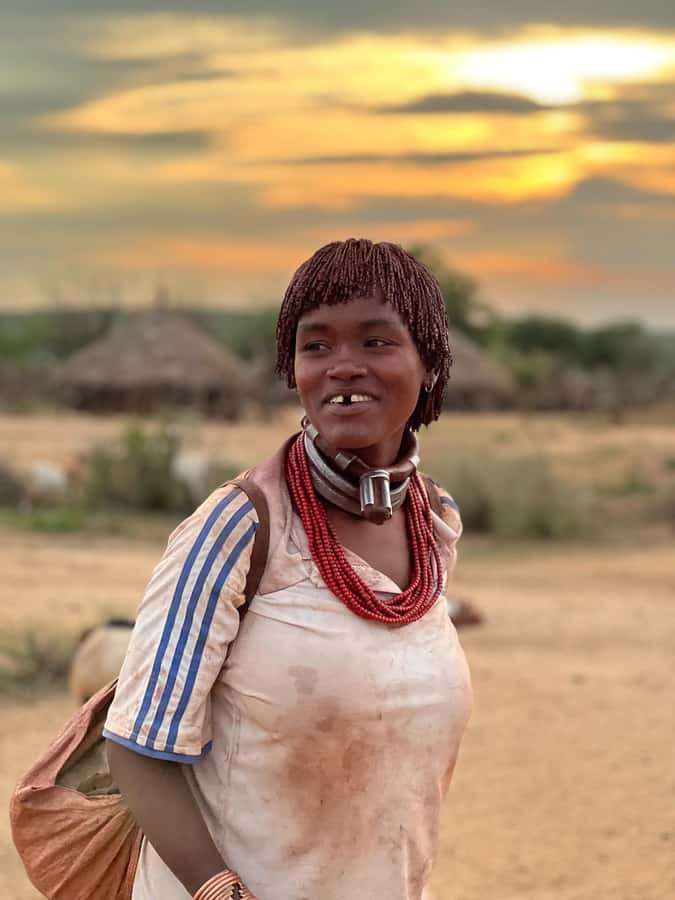
In the late afternoon, you visit a Hamer village. The Hamer are one of the most widely recognized communities in the Omo Valley, with about 50,000 people identifying as Hamer today. Their home area reaches toward Kenya, Chew Bahir, Bena territory, and the Omo River, placing them among several neighboring groups.
Your guide can help you notice details that are easy to miss. Hamer women are known for distinctive hairstyles, and the community has a strong visual identity in its clothing and adornment. The point is not simply to collect photographs. It is to understand how dress, hair, ceremony, and family life fit together.
This first day is a good introduction, but it is also a demanding one. You may be arriving from a flight, spending time at the market, and then riding several hours to Turmi. Keep your expectations practical: the reward is access and variety, not a leisurely resort schedule.
Day two: crossing the Omo River at Omorate
The second day takes you south toward Omorate, close to the area bordering Kenya. From there, you cross the Omo River in a native boat to visit the Dasenech people, also called the Galeb.
The river crossing gives this day a different character from the first. You are not simply driving from one village to another. The boat is part of the route, and the Omo River helps explain why communities in this region developed distinct identities over long periods.
The visit to the Dasenech community lasts about 55 minutes according to the planned schedule. That is enough for a focused introduction, but not enough to understand every part of local life. I would treat this as a carefully guided encounter, then use the drive back to Turmi and onward to Jinka to ask questions while the details are fresh.
The return route includes another long drive, first back to Turmi and then toward Jinka for the overnight stay. The schedule lists about an hour and a half by vehicle after Omorate, though the full day can feel longer once the earlier driving is included.
The day may also include advance notice of the Hamer Jumping of the Bulls ceremony if one is taking place. This is one of the most important practical points in the trip. A ceremony is not a daily attraction, and the tour cannot promise that your dates will match one. If it does happen, your guide should explain what you are seeing and how to stand back respectfully.
Ceremonial fees are not included in the $599 cost. Ask for the exact amount before agreeing to attend, and ask your guide what participation involves. This keeps the experience clear for you and fair to the community.
Day three: Mago National Park and the Mursi

The final morning starts early with a drive from Jinka to Mago National Park. The road journey takes you into the area associated with the Mursi people, an ethnic group whose home region is now included in the park.
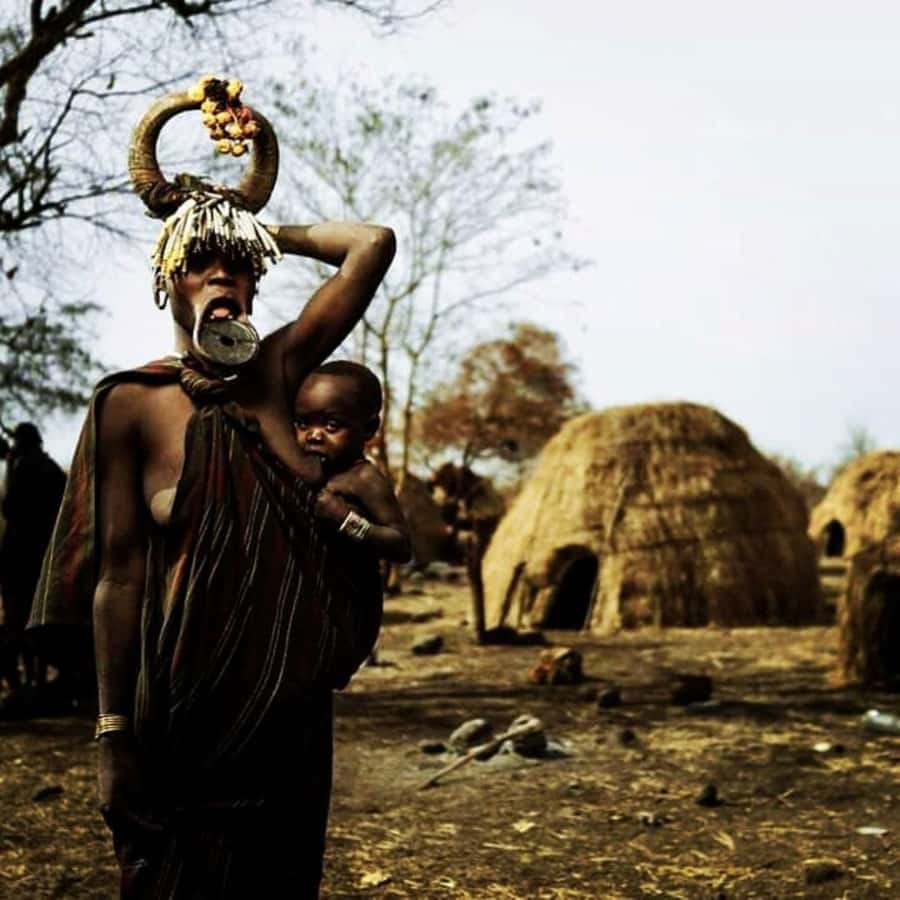
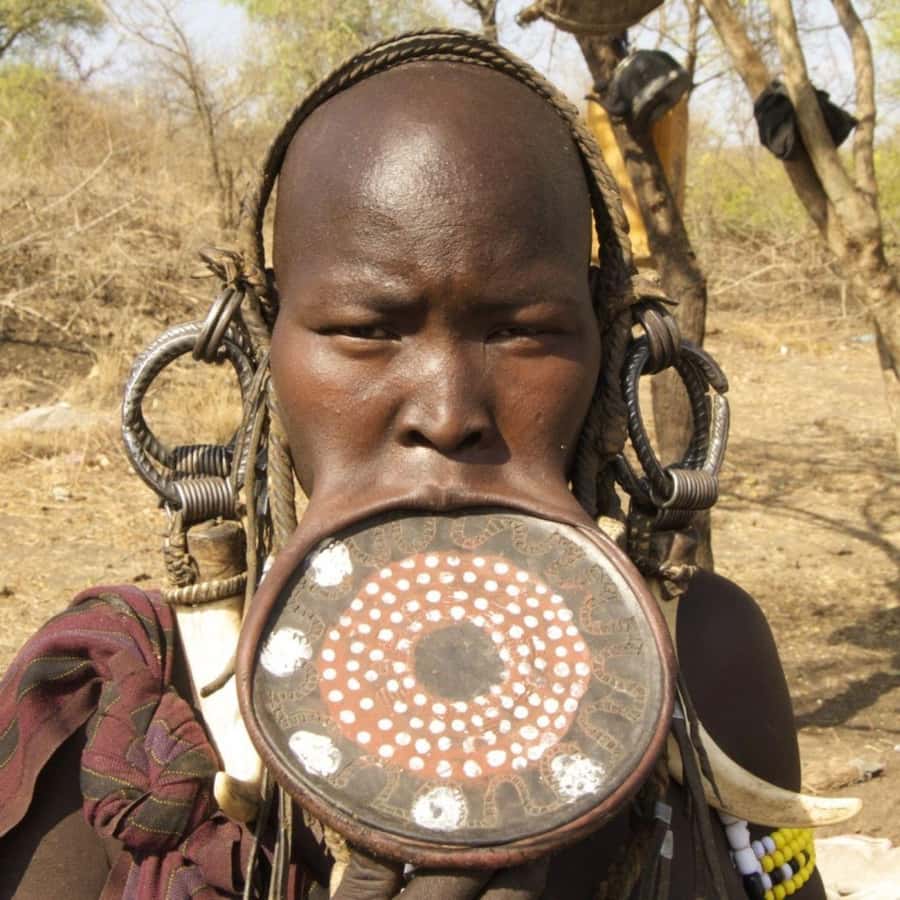
The Mursi are internationally known for two practices: women wearing large lip plates and men taking part in stick-fighting duels. These customs attract attention, but they should not become the only way you see the community. A good guide will help you understand that the Mursi are a living society, not a collection of unusual images.
The planned visit to Mago National Park lasts about three hours. That longer stop allows more time than the brief Dasenech visit, although the early departure and return flight make the morning tightly timed. Confirm your flight schedule before booking, since the tour ends with transport to Jinka International Airport.
After the Mursi visit, you return to Jinka for a short break of about 20 minutes before heading to the airport. The trip then concludes with your flight back to Addis Ababa. The domestic flight is not included, so you need to arrange and price that separately.
This final day packs a lot into one morning. It suits you if you want to see the Mursi and Mago National Park without adding extra nights. It may not suit you if you prefer slow travel, long village stays, or plenty of unplanned time.
A different sort of day out, same part of Ethiopia:
- Full Day Tour of Addis Ababa with Hotel Pickup and Drop-off
★ 5.0 · 430 reviews - Taste of Ethiopia
★ 5.0 · 406 reviews - Day Trip From Addis Ababa See Historical Monastery,Stunning Nature,Animals,Birds
★ 5.0 · 303 reviews - Addis Ababa: Debre Libanos, Blue Nile Gorge, and Cave Tour
★ 4.5 · 256 reviews
What the $599 price really covers
At $599 per person, the tour offers solid value if you want transport, guiding, accommodation, and several community visits arranged in one package. The included four-wheel-drive vehicle, fuel, driver, English-speaking guide, scout service, village fees, airport transfers, breakfast, lunch, and dinner remove many of the costs that can quickly add up in a remote region.
The meals are described as local lunch and dinner, which fits the character of the trip. You should expect food arranged for the route, not a wide restaurant menu. That can be part of the appeal, but anyone with dietary needs should ask the provider before booking because no special meal details are supplied.
The price does not cover domestic flights. It also excludes ceremonial fees and photo fees. These are not minor footnotes if you plan to attend a Hamer ceremony or take many portraits, so include them in your real trip budget.
The small group of up to six is another reason the price makes sense. A compact vehicle and fewer people should make it easier to hear the guide and keep visits orderly. It also reduces the feeling of arriving in a large crowd, though the quality of the experience still depends on how respectfully the group behaves.
The guide service matters here
This is the kind of region where a guide is not an optional extra. Language, local customs, transport conditions, village access, and ceremony timing all affect the day.
Malik is one guide name associated with this experience. His approach is described as friendly, helpful, and willing to take people to local places they might not find alone. That is exactly the sort of service you want in the Omo Valley: someone who can connect the major stops with smaller, more direct encounters.
The tour also includes a scout. The supplied details do not explain the scout’s precise duties, so you should ask about that role before departure. Still, having local support alongside the driver and English-speaking guide is reassuring in a remote area.
Safety is another praised part of the service. The strongest positive feedback centers on guides who helped people feel secure while visiting different communities. I would still follow your guide’s instructions closely, especially during photography, ceremonies, river crossings, and any interaction involving animals or crowds.
What may frustrate you
The biggest challenge is time. Three days sounds short on paper, but the route includes Jinka, Key Afer, Turmi, Omorate, the Omo River, the Dasenech area, Mago National Park, and the Mursi region. Expect several hours in the vehicle and early starts.
The tour also gives you only a first look at each community. A two-hour Hamer visit, a roughly 55-minute Dasenech stop, and a three-hour Mago National Park visit can be rewarding, but they cannot provide a complete picture of local life. If you want extended cultural contact, ask about adding nights or private time.
Ceremonies are another uncertainty. The Jumping of the Bulls may occur during your dates, but it is not included as a guaranteed daily feature. Do not book this trip solely for that event.
The physical conditions are not described in detail, so you should ask the provider about road quality, walking requirements, and facilities if those points matter to you. The confirmed information supports long vehicle journeys and a native boat crossing, but not a detailed accessibility assessment.
Who should book this Omo Valley trip?
I would recommend it to you if you have limited time in southern Ethiopia and want a concentrated introduction to several communities. It is especially suitable if you value local guides, small groups, cultural visits, and efficient transport more than a slow, comfortable schedule.
It also suits photographers who are willing to follow local rules and pay the required photo fees. The visual traditions of the Hamer and Mursi are memorable, but respectful behavior must come first.
You may want a longer or more flexible trip if you dislike early mornings, rough roads, repeated long drives, or tightly planned days. Families with young children and anyone needing assured accessibility should ask specific questions before paying.
The provider, LIYU ETHIOPIA TOUR AND TRAVEL, offers free cancellation up to 24 hours before departure and allows you to reserve now and pay later. Those terms give you some flexibility, but they do not remove the need to arrange your domestic flights and confirm the tour’s timing around your arrival and departure from Jinka.
Should you book it?

Book this tour if you want the Omo Valley’s main cultural stops in three days and appreciate having the hard logistics handled for you. The strongest reasons to choose it are the small group, local support, four-wheel-drive transport, and access to Hamer, Dasenech, and Mursi communities.
Before you commit, confirm your domestic flight times, ask about current photo and ceremonial fees, and check whether a Hamer Jumping of the Bulls ceremony is expected during your dates. If you accept the long drives and brief visits, $599 is a practical price for a concentrated Omo Valley introduction.
FAQ
How long is the Omo Valley tour?
The tour lasts three days.
Where does the tour begin?
Pickup is in Jinka, including pickup at Jinka airport.
Where does the tour end?
After the Mursi visit and a return to Jinka International Airport, you fly back to Addis Ababa. The domestic flight is not included.
Which communities does the tour visit?
The route includes visits to the Hamer, Dasenech, also called Galeb, and Mursi people.
Is the Hamer Jumping of the Bulls ceremony guaranteed?
No. You will be informed in advance if a traditional Hamer Jumping of the Bulls ceremony is taking place during your visit.
What is included in the $599 price?
The price includes accommodation with breakfast, local lunch and dinner, airport pickup and drop-off, a four-wheel-drive vehicle with fuel and driver, an English-speaking guide, scout service, and village fees.
What costs are not included?
Domestic flights, ceremonial fees, and photo fees are not included.
New on the Ethiopia list
- Yod Abyssinia Cultural Night: Dinner, Music, and Dance★ 5.0 · 7 reviews
- Tigray Mountain Church’s Day Trip from Mekele★ 5.0 · 2 reviews
- Mekele City Tour★ 5.0 · 2 reviews
- Day trip to Tigray Churches★ 5.0 · 2 reviews
- 2 days Tigray Church★ 5.0 · 3 reviews
- 3 Day Tour of Geralta Churches Tigray Church’s★ 5.0 · 2 reviews
- Trekking in Ethiopia’s Lalibela Wollo Highland 4 Days / 3 Nights★ 5.0 · 6 reviews
- Lalibela Backpacker tours★ 5.0 · 6 reviews
Omo Valley Tribe Tours, compared.
6 Days Omo Valley Tribes Tours From Addis Ababa
Read our review →
Lalibela, Axum, Danakil and Omo Valley 8 DAYS
Read our review →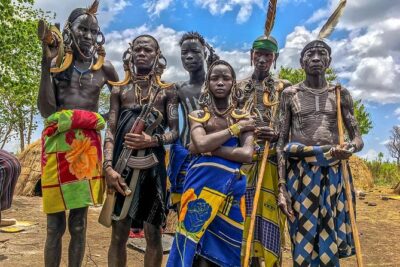

3 days around Arbaminch and Konso Adventure Tours Life Time
Read our review →Danakil Depression, Lalibela, Omo Valley and Simien Mountains
Read our review →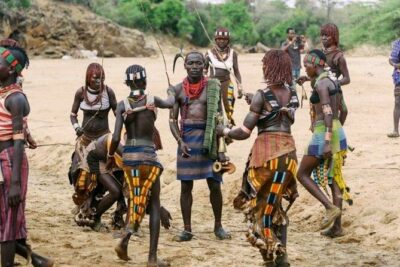

Browse the lists this tour appears in