

Reviewed · OMO VALLEY TRIBE TOURS
3 Days Omo Valley Tours From Jinka
Three days can change your view of Ethiopia. This small-group Omo Valley tour takes you from Jinka into Mago National Park, to Mursi and Dassanech communities, and through the markets around Dimeka. I like the clear cultural focus and the fact that transport, lodging, park fees, scouts, and an English-speaking guide are included. I also like the useful route, which begins in Jinka and finishes with a flight toward Addis Ababa.
The main drawback is the pace. Long drives, early starts, rough regional roads, and several village and market visits leave little spare time. The published details also need clarification: the tour is described as starting in Jinka, ending in Addis Ababa, and having a 9:00 pm start time, so I would confirm the exact pickup and flight arrangements before paying.
In This Review
- Key points to know before you book
- Why the Omo Valley is worth the effort
- Day 1: Mursi communities and the road to Turmi
- Day 2: Omorate and the Dassanech people
- Dimeka market: four cultures in one place
- Day 3: Ari culture, museum time, and the flight north
- What the $845 price really covers
- Transport, group size, and comfort
- Food, clothing, and practical preparation
- Photography and cultural responsibility
- Who should book this three-day route?
- Should you book the Omo Valley tour?
- FAQ
- Where does the tour begin?
- Where does the tour end?
- How much does the tour cost?
- Are domestic flights included?
- What accommodation is included?
- Which meals are included?
- What communities will I visit?
- What is the maximum group size?
- Is there a minimum age?
- What is the cancellation policy?
Key points to know before you book

- Mursi visit in Mago National Park: See the traditional homes and distinctive dress of one of the Omo Valley’s best-known communities.
- Dassanech excursion from Turmi: Travel to Omorate to meet people living near the northern shore of Lake Turkana.
- Dimeka market stop: Look for Hamer, Tsemay, Ari, and Kara people in one trading center.
- Two nights of lodging: Stay overnight in Turmi, then Jinka, with breakfast included.
- Small-group format: The maximum group size is 15, a useful balance between cost and personal attention.
- Aman’s flexible service: The company has earned strong praise for quick WhatsApp replies, careful organization, English-speaking guides, and help when plans changed.
Why the Omo Valley is worth the effort

The Omo Valley is not a quick sightseeing stop. It is a remote part of southern Ethiopia where communities have maintained distinct customs, clothing, homes, farming practices, and market traditions. The route also gives you a look at the southern Great Rift Valley, with open savannah and dry, rugged terrain.
I like this tour because it does not try to cover every corner of southern Ethiopia. Three days is short, but the plan concentrates on several important cultural areas: Mago National Park, Turmi, Omorate, Dimeka, and Jinka. That makes the experience easier to manage than arranging each vehicle, permit, guide, and hotel yourself.
You should also keep your expectations realistic. This is a cultural visit, not a polished museum experience. You may see people posing for photographs, and village visits can feel commercial if handled poorly. A good guide matters. Ask your guide how photography works, when permission is needed, and how the visit supports the local community.
More Omo Valley Tribe Tours in Addis Ababa
- 6 Days Omo Valley Tribes Tours From Addis Ababa
★ 5.0 · 33 reviews - 3 Days Omo Valley Tour
★ 5.0 · 24 reviews - Danakil Depression, Lalibela, Omo Valley and Simien Mountains
★ 5.0 · 23 reviews
Day 1: Mursi communities and the road to Turmi
Your first full day begins at Jinka airport, followed by a drive into Mago National Park. The main purpose is a visit to a Mursi village. The Mursi are known for their low huts made from straw and leaves, as well as the traditional lip and ear ornaments worn by some women.
The homes are a useful reminder that the Omo Valley is not an outdoor theme park. People live in a demanding climate and use local materials in practical ways. Your guide and local scout should help explain village life, family structures, clothing, and the meaning of the items you see.
The Mursi visit is likely to be the most visually striking part of the trip, but it also calls for respect. Do not treat traditional dress as a costume. Ask before taking photographs, follow instructions from your guide, and remember that a short visit gives you only one small view of a much larger culture.
The tour includes entrance and scout fees, which is important here. National park access and local arrangements are not details you want to sort out at the gate. Having a driver, guide, and scout should make the visit more straightforward.
After returning toward Jinka, you continue to Turmi for the night. The plan also includes a later visit with Hamer people. This adds a second cultural setting to the day, though the schedule may feel full after the park drive.
You stay at Turmi Lodge or a similar property. The exact hotel can affect your comfort, so ask for the confirmed accommodation before departure. Two nights of lodging are included overall, along with two breakfasts and one dinner, but lunch is not included.
Day 2: Omorate and the Dassanech people
Day two starts early after breakfast. That early departure is necessary because the route includes Turmi, Omorate, Dimeka, and Jinka. It is also the longest-feeling day of the tour, with several hours on the road and multiple stops.
Omorate is the gateway for visiting the Dassanech people, described locally as the people of the Delta. The community lives near the northern shore of Lake Turkana, and the visit adds a different cultural setting from the Mursi and Hamer areas.
I like this part of the route because it shows how much the Omo Valley changes from one community to the next. The tour is not simply repeating the same village visit. It introduces different ways of living in a region shaped by dry conditions, rivers, seasonal movement, and trade.
The excursion is listed at about four hours. That figure likely refers to the stop and transport in the area rather than the entire day, since the itinerary continues back through Dimeka and onward to Jinka. You should expect a long day in the vehicle.
Lunch is at your own expense, and the schedule does not specify where or when you will eat. Carrying water and a few simple snacks would be sensible, even though those items are not listed as part of the tour.
Dimeka market: four cultures in one place
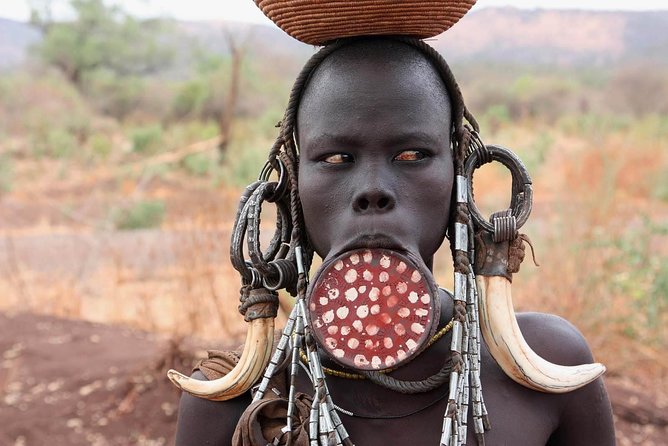
The Dimeka market is one of the most useful stops on the tour. The plan is to see Hamer, Tsemay, Ari, and Kara people in and around the market, then continue to Jinka with another stop in Tsemay villages.
A market gives you a broader view than a short village visit. People come to buy, sell, exchange news, and meet others from the region. You may see differences in clothing, hairstyles, goods, and social customs without having to drive to four separate communities.
The market stop is listed at about 55 minutes, though the description says you will have plenty of time there. Confirm the actual timing with your guide. If photography is important to you, a slower visit would be helpful. If the group is pushed through quickly, the stop may feel more like a photo opportunity than a cultural encounter.
After Dimeka, the route continues to Jinka, with a further stop at Tsemay villages. You spend the night at Nassa in Jinka. Since the accommodation is named differently from the Turmi property, ask whether Nassa refers to a hotel, lodge, or guesthouse and what facilities are available.
A different sort of day out, same part of Ethiopia:
- Full Day Tour of Addis Ababa with Hotel Pickup and Drop-off
★ 5.0 · 430 reviews - Taste of Ethiopia
★ 5.0 · 406 reviews - Day Trip From Addis Ababa See Historical Monastery,Stunning Nature,Animals,Birds
★ 5.0 · 303 reviews - Addis Ababa: Debre Libanos, Blue Nile Gorge, and Cave Tour
★ 4.5 · 256 reviews
Day 3: Ari culture, museum time, and the flight north
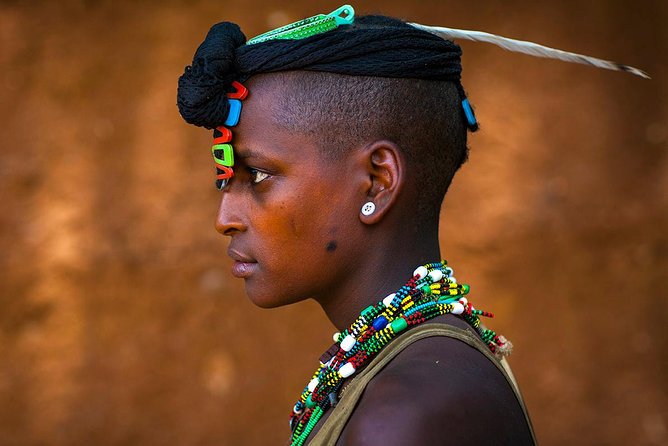
After breakfast, the final day focuses on Jinka and the Ari people. The Ari are described as the largest population in the lower Omo Valley. The visit introduces another part of the region’s cultural mix rather than sending you back to the communities seen on the first two days.
Ari women are known here for wearing skirts made from enset, a banana-like plant. Enset is important in parts of Ethiopia as a food and fiber plant, and the tour also points to Ari skill in pottery. These details give the final cultural stop a practical focus: clothing, plants, craft, and everyday work.
The South Omo Research Centre Museum is also listed as a stop, with about one hour set aside. A museum visit can help put the road trips into context, especially if you want more than photographs. I would ask the guide how much time is planned for the museum, since the day also includes lunch, the Ari visit, airport transfer, and the flight to Addis Ababa.
The information says you will be transferred to Jinka Airport for your flight to Addis Ababa. The domestic flight is not included in the $845 price, so you must budget for it separately. The final section also describes an evening folkloric dinner in Addis Ababa, with national dishes, dances from different Ethiopian ethnic groups, and a traditional coffee ceremony.
There is a timing issue here. A three-day tour ending with a flight and then an evening dinner requires careful coordination, but no flight number or arrival time is provided. Confirm that the dinner is part of the tour, whether its cost is included, and how the airport transfers work.
What the $845 price really covers
At $845 per person, this is not a bargain-priced bus trip. The value comes from the difficulty of arranging the Omo Valley independently. The price includes a professional driver, an English-speaking guide, car transport, accommodation with breakfast, entrance fees, and scout fees.
Those inclusions matter in a remote region. You are paying for a vehicle, local coordination, park access, and someone who can explain what you are seeing. The group limit of 15 also keeps the experience smaller than a large coach tour, though 15 people around a village can still feel like a crowd.
The price does not include domestic flights, lunch, most dinners, alcoholic drinks, tips, or personal spending. The final dinner appears in the day-three description, but the general inclusions list names only one dinner, so I would get that detail in writing.
Group discounts are offered, which may improve the value for families or friends traveling together. A child rate is available only when the child shares with two paying adults, and the minimum age is 11. The tour requires moderate physical fitness, so it may not suit someone who struggles with long drives, uneven ground, or early starts.
Transport, group size, and comfort

The vehicle has a professional driver, but the tour does not specify the vehicle model or whether it is four-wheel drive. Ask this before booking. Roads in remote southern Ethiopia can be slow, and comfort matters when several hours of the day are spent in the car.
The maximum group size is 15. That is small enough for an English-speaking guide to answer questions, but the experience will feel more personal with a smaller booking. If you are choosing between a private trip and this group option, ask how many people are actually booked for your departure.
Aman Ethiopia Tours and Travel has received praise for organization and quick replies, often through WhatsApp. The company has also helped arrange replacement drivers when another operator canceled at the last minute. That suggests useful flexibility, but I would still ask for the driver’s name, guide’s name, vehicle details, and emergency contact before setting off.
One guide specifically praised on an Omo Valley trip was Tesfaye, who was described as fascinating and good at explaining local tribal history. You cannot assume he will lead your departure, so request him if that matters to you.
Food, clothing, and practical preparation

Two breakfasts and one dinner are included. Lunch is not, and the plan does not spell out every meal location. Keep some Ethiopian birr available for food, drinks, tips, and personal purchases.
Alcoholic drinks are excluded. Tips and gratuities are also excluded, so plan for those separately if you feel the driver, guide, scout, or local hosts have served you well.
The stated dress code is formal, which is unusual for a rural safari-style cultural tour. At the same time, the activity operates in all weather and asks you to dress appropriately. I would confirm what the operator means, but modest, practical clothing is the safest choice. Bring sturdy shoes, sun protection, and clothing that works for heat, dust, and changing conditions.
The tour allows service animals. The minimum age is 11, and a moderate fitness level is expected. These rules are useful markers for deciding if the route fits your group.
Photography and cultural responsibility
The Omo Valley is famous for traditional clothing, body adornment, homes, markets, and ceremonies. That makes a camera tempting, but the right approach is slower and more respectful.
Ask permission before photographing people. Let your guide explain local expectations and any customary payments. Avoid photographing children without clear approval, and do not interrupt work or religious activity for a picture.
The best cultural experience will come from asking simple questions and listening. A good guide can explain what a hairstyle, pottery method, plant fiber, or market item means. You should judge the day by what you learn, not only by how many portraits you bring home.
Who should book this three-day route?
I would recommend it to you if you want a practical introduction to southern Ethiopia and prefer having transport, hotels, park access, and a guide arranged in advance. It suits people who are comfortable with long road days and who want cultural visits more than luxury facilities.
It is also a good match for a first visit to the Omo Valley. The route covers several major communities without requiring you to solve every local transfer yourself. The English-speaking guide is especially valuable if you want context rather than a series of brief stops.
I would hesitate if you want a slow, private, highly flexible trip. Three days leaves little room for weather delays, longer conversations, or a change of plan. You should also think carefully about the ethics of village photography and ask the operator how local scouts and communities are involved.
Free cancellation is available if you cancel at least 24 hours before the start time. Inside that window, no refund is provided, and changes are not accepted. Since the published start time is 9:00 pm and the route begins with a Jinka airport arrival, confirm the local start time before relying on that policy.
Should you book the Omo Valley tour?
Book this tour if you value organized transport and cultural range over a relaxed schedule. For $845, the package provides real convenience in a difficult-to-arrange region, especially with accommodation, breakfast, guide services, park access, scouts, and a driver included.
Before booking, confirm four things: the exact pickup time, the domestic flight arrangements, the final dinner cost, and the confirmed hotels. If those details are clear, Aman’s responsive communication and flexible staff make this a sensible way to reach the Omo Valley in only three days.
FAQ
Where does the tour begin?
The tour is described as starting in Jinka, with pickup offered. The itinerary begins with arrival at Jinka Airport, so confirm the exact meeting point and time with the operator.
Where does the tour end?
The route ends with a transfer to Jinka Airport for a flight to Addis Ababa. An evening folkloric dinner and later airport transfer are also described.
How much does the tour cost?
The listed price is $845 per person. Group discounts are available.
Are domestic flights included?
No. Domestic flights are specifically excluded from the price.
What accommodation is included?
The package includes two nights of accommodation with breakfast. The first night is at Turmi Lodge Turmi or a similar property, and the second is listed at Nassa in Jinka.
Which meals are included?
Two breakfasts and one dinner are included. Lunch is not included, and alcoholic drinks are excluded.
What communities will I visit?
The route includes visits connected with the Mursi, Hamer, Dassanech, Tsemay, Ari, and Kara people.
What is the maximum group size?
The maximum is 15 people.
Is there a minimum age?
Yes. The minimum age is 11. A child rate applies only when the child shares with two paying adults.
What is the cancellation policy?
You can receive a full refund by canceling at least 24 hours before the experience start time. Cancellations or changes made within 24 hours are not accepted, and no refund is provided.
New on the Addis Ababa list
- Yod Abyssinia Cultural Night: Dinner, Music, and Dance★ 5.0 · 7 reviews
- Locally crafted beer and wine tasting and nightlife in Addis tour★ 5.0 · 6 reviews
- Addis Ababa City Tours Full-Day Tours★ 5.0 · 5 reviews
- Visiting the wonders of Lalibela in Three (3) days and Two ( 2) nights★ 5.0 · 2 reviews
- Stunning Views Wonchi Crater Lake a Private Day Trip★ 5.0 · 3 reviews
- Unique Ethiopian Cooking Class and Coffee Ceremony with a Local in Addis Ababa★ 4.5 · 7 reviews
- Tribes of the Ethiopian Omo Valley – 9 Day Tour★ 5.0 · 5 reviews
- Two days Lake Wenchi and Menagesha Forest★ 5.0 · 3 reviews
Omo Valley Tribe Tours, compared.
6 Days Omo Valley Tribes Tours From Addis Ababa
Read our review →
Lalibela, Axum, Danakil and Omo Valley 8 DAYS
Read our review →

3 days around Arbaminch and Konso Adventure Tours Life Time
Read our review →Danakil Depression, Lalibela, Omo Valley and Simien Mountains
Read our review →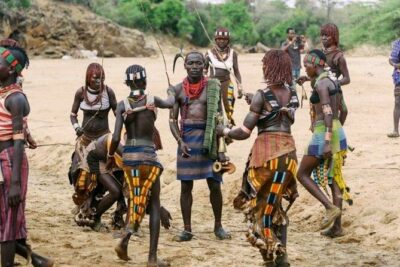

Browse the lists this tour appears in