
Reviewed · OMO VALLEY TRIBE TOURS
5 Days Omo Valley Tour: Experience Ethiopia’s Tribal Traditions
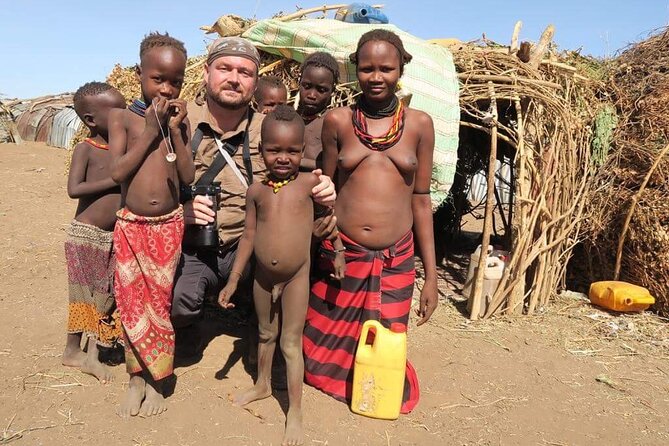
See Ethiopia beyond the usual route. This five-day Omo Valley trip combines wildlife at Chamo Lake with visits to Dorze, Mursi, Hamer, Datcenech, Kara, and Ari communities. I like the range: you get a morning safari, a crocodile boat ride, mountain villages, remote roads, and a traditional wooden crossing of the Omo River. I also like the small-group format, capped at nine people, and the chance to travel with Dagi, a warm guide praised for his humor, English, local connections, and easy rapport with the communities.
The main consideration is the road time. You will spend long hours in a vehicle, including rough off-road stretches to reach Mursi villages and a 120-kilometer drive from the Mago area to Turmi. The $800 price is reasonable for five days of private transport, fuel, guiding, park visits, and five breakfasts, but you should confirm exactly what is covered beyond those inclusions, especially meals, flights, and entrance charges.
In This Review
- Key points to know before booking
- What five days in the Omo Valley really involves
- Day 1: Chamo Lake wildlife and Dorze mountain homes
- Day 2: The Konso route and Ari village
- Day 3: Mursi country and the rough road to Turmi
- Day 4: Omorate, the Omo River, and Kara country
- Day 5: Jinka and the flight onward
- Is $800 a fair price for five days?
- Who will enjoy this Omo Valley route?
- Should you book the five-day Omo Valley tour?
- FAQ
- Where does the tour start?
- How long is the experience?
- How many people can join the tour?
- Is the bull jumping ceremony guaranteed?
- What is included in the price?
- Can I cancel for a full refund?
Key points to know before booking
- Chamo Lake begins the trip with wildlife: A morning safari may bring zebras and antelopes, followed by a boat ride near large crocodiles, hippos, and water birds.
- Dorze culture comes with mountain views: Chencha is home to cotton weavers and distinctive beehive-shaped houses made from organic materials.
- Mursi access is physically demanding: The route into Mago National Park uses difficult off-road tracks and steep slopes.
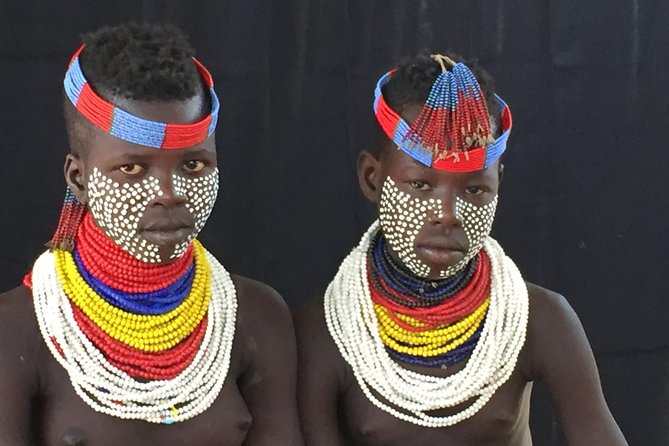
- Hamer ceremonies are not guaranteed: If bull jumping takes place during your visit, the itinerary aims to include it.
- The Omo River crossing is part of the adventure: Near Omorate, you use a traditional wooden boat to reach Datcenech communities.
- Dagi is a major strength: His warm manner, strong English, and relationships with local communities can make the cultural visits more comfortable and useful.
What five days in the Omo Valley really involves
This is not a gentle sightseeing loop. The route covers a large part of southern Ethiopia, and the best moments come with rough roads, early departures, and plenty of time in the car.
You start in Arba Minch and finish in Jinka for a flight to Addis Ababa. Along the way, the trip focuses on community visits rather than polished attractions. That makes it appealing if you want direct contact with local traditions, but you should also be ready for cultural encounters that require patience, respect, and an open mind.
The trip is described as private and designed for small groups, with a maximum of nine people. That size matters. A smaller vehicle group is easier to manage on narrow roads, and you have a better chance to ask questions without losing the guide in a crowd.
The tour begins at 7:30 a.m. each day, and confirmation is provided when you book. WiFi is available on board, though the information does not explain how reliable it is across remote parts of the route. The included package lists a car, fuel, and five breakfasts. Alcoholic drinks are not included, and other meals and flights are not listed among the inclusions, so ask before paying.
More Omo Valley Tribe Tours in Arba Minch
- 3 days around Arbaminch and Konso Adventure Tours Life Time
★ 5.0 · 24 reviews - 5 Day Private tour to the Omo Valley Tribes and Adventure Tour
★ 5.0 · 11 reviews - Omo Valley Tribes 6 Days Tours
★ 4.9 · 10 reviews
Day 1: Chamo Lake wildlife and Dorze mountain homes
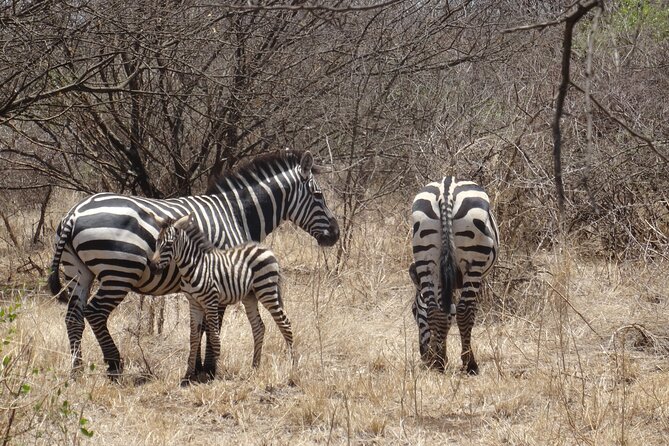
The opening morning gives you two very different sides of southern Ethiopia. In Nech Sar National Park, you take a safari near Chamo Lake, with zebras and antelopes among the animals you may see.
The safari lasts about three hours. It is a useful introduction to the area, but you should keep expectations realistic. Wildlife sightings are never guaranteed, and the description does not promise big cats or a long list of species. The appeal here is the combination of open country, animal spotting, and a later boat trip on the lake.
The Chamo boat ride is one of the most memorable parts of the first day. From the water, you look for large crocodiles, hippos, and aquatic birds. The crocodiles are the headline attraction, and seeing them from a boat gives the encounter a different feel than spotting animals from a road vehicle.
After lunch, the route climbs toward Chencha to visit the Dorze people. This is a change in climate and setting from the lake area. The Dorze are known for cotton weaving, and the visit offers a chance to see a craft tradition rather than simply photograph a village.
The beehive-shaped homes are another highlight. They are built from organic materials and have a tall, curved form that gives the settlement a distinctive appearance. I would pay close attention to the construction, since the homes are not just decorative sights. They show how local building methods respond to daily life and available materials.
The day ends with a drive back to Arba Minch. The schedule gives roughly three hours to each main stop, but road conditions and the pace of the visit can affect the day. You should wear practical shoes and keep a light layer handy for the mountain stop.
Day 2: The Konso route and Ari village
Day 2 takes you west toward Jinka, with the Konso area providing one of the route’s strongest views. The drive passes terraced mountains, a striking example of how farming and settlement have shaped the hills.
The visit is listed as a stop at the Konso Cultural Centre, though the detailed description focuses on the road and a later visit to an Ari village. That distinction is worth checking before departure. Ask your guide how much time is planned at the cultural centre itself and how much is devoted to the Ari community.
The Ari live near the northern boundary of Mago National Park, close to Jinka. Their houses are described as painted, with floors made from cow-stool pressed into the surface. It is an unusual detail, but it also gives you a practical glimpse into local building and household methods.
I like this day because it slows the pace after the wildlife and mountain visits. You are not simply moving from one famous sight to the next. The route lets you observe how communities use the land, decorate their homes, and maintain local customs.
The drawback is that the day includes substantial driving toward Jinka, and the stop descriptions are less detailed than those for Mursi or Hamer visits. If you want a more structured museum experience, confirm what the Konso Cultural Centre visit includes. If you prefer seeing villages and daily surroundings, the Ari stop may be the stronger part of the day.
Day 3: Mursi country and the rough road to Turmi
After breakfast, departure is set for 8 a.m. The route leads into Mago National Park and onward to a Mursi village.
This is one of the most demanding sections of the tour. The road uses difficult off-road tracks and steep slopes, described as the only practical way to reach a community that has remained quite isolated. Expect a bumpy ride. Anyone who dislikes rough roads should think carefully before choosing this trip.
The Mursi visit is presented through clothing, hairstyles, body painting, and customs passed down over many years. These details may be visually striking, but the right approach is respectful curiosity. Ask before taking photographs, listen to the guide, and remember that people are not a performance arranged for the camera.
Dagi appears to be particularly useful here. His good rapport with the communities can help you understand what you are seeing and avoid awkward behavior. His English, sense of humor, and service-minded approach were repeatedly praised, which matters on a day when clear communication is important.
In the afternoon, you drive about 120 kilometers to Turmi. That distance may not sound extreme on a map, but road quality can make it a long trip. Keep water, any personal medication, and a small day bag within reach rather than buried in luggage.
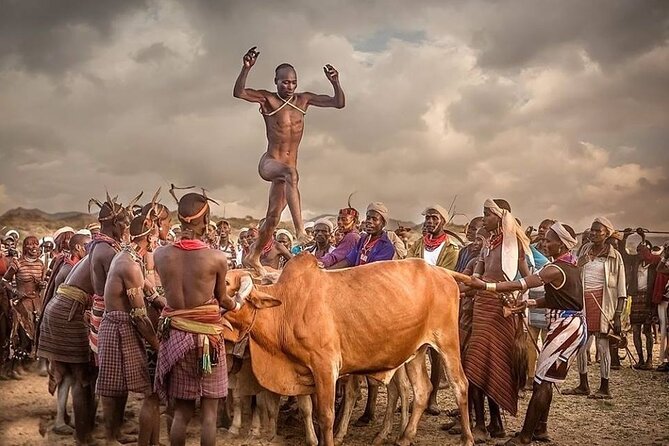
Turmi is home to the Hamer visit. The Hamer are known for decorated women’s clothing and bull jumping ceremonies. If a ceremony happens during your visit, the schedule aims to include it. The wording is important: bull jumping is not guaranteed, so do not book this tour solely for that event.
The Hamer stop is planned for about two hours. That is enough for an introduction, but the actual experience will depend on local timing and what is taking place that day. This is a good example of why the tour is cultural rather than theatrical. You are visiting communities on their schedule, not attending a fixed show.
A different sort of day out, same part of Ethiopia:
- Private 3 Days Adventure Tour Through Arba Minch
★ 5.0 · 16 reviews - 3 days, Arba Minch and Dorze
★ 5.0 · 7 reviews - 6 Days Omo valley Tribal Tour (Starts Arba Minch End Jinka)
★ 5.0 · 7 reviews - 3 Days, Arba Minch, Dorze village and Konso Village
★ 5.0 · 5 reviews
Day 4: Omorate, the Omo River, and Kara country
Day 4 heads south toward Omorate and the Kenyan border. The Datcenech people live near the borders of South Sudan and Kenya, close to Lake Turkana. The description presents them as a warrior community with strong regional connections.
To reach the Datcenech area, you cross the Omo River in a traditional wooden boat. This is one of the tour’s most distinctive practical experiences. The crossing is not just transport. It shows how the river functions as a route between communities and adds a real sense of place to the journey.
After the visit, you return to Turmi. The schedule allows about four hours for this section, including the drive, crossing, and community stop. Road and river conditions may influence the timing, so avoid planning a separate activity for later in the day.
In the afternoon, the route continues about 65 kilometers from Turmi to meet the Kara people. The Kara population is described as small, with around 2,000 people living in three villages. Their homes are associated with Buska viewpoint, a promontory above a bend in the Omo River.
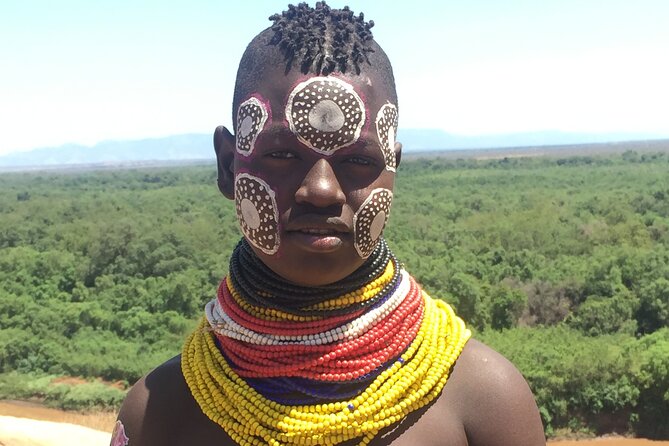
The Kara are known for body decoration. Men use white chalk for facial and body designs, while women decorate the face and pay close attention to hairstyles. These practices are central to the cultural visit, but they should be approached with the same care as the Mursi and Hamer encounters.
The Kara stop takes about three hours and includes a visit to Omo National Park and the river area. I like the way this section links people to the river and the surrounding terrain. You are not only looking at decoration or clothing in isolation. You are seeing how identity, place, and community life meet.
The cost of this kind of trip includes more than entry tickets. A vehicle, fuel, a local guide, and the time needed to reach remote communities make up much of the value. Still, ask which entrance charges, local payments, meals, and boat fees are covered. The supplied price details only confirm the car, fuel, WiFi, and breakfast.
Day 5: Jinka and the flight onward

The final day is short on scheduled sightseeing. You drive to Jinka for a flight to Addis Ababa, with about two hours assigned to the stop.
This is best viewed as a travel day, not a final attraction. Since the flight is not listed as included, you should budget for it separately and confirm the departure time before booking. The tour needs to finish in time for your flight, so give the operator your exact flight details.
Ending in Jinka makes sense for the route, since several southern communities are reached from this area. It also avoids sending you all the way back to Arba Minch by road. Still, the final transfer leaves little room for delay, so keep your schedule simple.
Is $800 a fair price for five days?
At $800 per person, this tour is not a bargain-basement road trip, but it can offer fair value if the vehicle, fuel, guide, park access, and local arrangements are handled well.
You are paying for five days, a maximum group size of nine, a demanding route, and access to places that are difficult to visit independently. The price also reflects the time involved in reaching Mursi, Datcenech, and Kara communities.
The value is strongest for you if you want a guided cultural route and prefer not to manage remote transport yourself. It is weaker if you expect every meal, flight, drink, and entrance fee to be bundled into the price.
Before booking, ask for a written list of:
- Which park and cultural entrance fees are included
- Whether lunch and dinner are included
- Boat costs at Chamo Lake and the Omo River
- Accommodation details for each night
- The cost and timing of the flight from Jinka to Addis Ababa
- Any extra local guide or community fees
Free cancellation is available if you cancel at least 24 hours before the start time. Changes made inside that period are not accepted, and the tour requires a minimum number of people to operate. If that minimum is not met, you are offered another date or experience, or a full refund.
Who will enjoy this Omo Valley route?
I would recommend it to you if you value cultural contact, remote places, wildlife, and a busy five-day route. It suits people who can handle long drives and rough roads without needing every hour to run on a fixed schedule.
It is also a good match if you want a small group and a guide who can explain local customs while communicating directly with communities. Dagi’s warmth, English, humor, and local relationships are important assets, especially during sensitive village visits.
I would hesitate to recommend it if you need luxury transport, short driving days, or guaranteed ceremonies. The route is physically and logistically demanding, and bull jumping may not take place. You should also be comfortable with the fact that the experience centers on living communities, not staged cultural entertainment.
Should you book the five-day Omo Valley tour?
Book this tour if you want a concentrated introduction to southern Ethiopia and are willing to trade comfort for access. The strongest reasons are the range of communities, the Chamo Lake boat ride, the Omo River crossing, and the chance to travel with Dagi in a small group.
Before you commit, clarify the missing costs and confirm the flight arrangements from Jinka. If those details fit your budget, this is a strong choice for an active, culture-focused visit with plenty of road time and very little routine sightseeing.
FAQ
Where does the tour start?
The tour starts in Arba Minch, with a listed start time of 7:30 a.m. Pickup is offered.
How long is the experience?
The tour lasts approximately five days and finishes in Jinka, where you take a flight to Addis Ababa.
How many people can join the tour?
The activity has a maximum of nine travelers.
Is the bull jumping ceremony guaranteed?
No. The itinerary says you will attend if a bull jumping ceremony takes place during the visit.
What is included in the price?
The listed inclusions are WiFi on board, a car, fuel, and five breakfasts.
Can I cancel for a full refund?
Yes, if you cancel at least 24 hours before the experience start time. Cancellations made later are not refunded.
New on the Arba Minch list
- 6 days private Sight Seeing Tours.★ 5.0 · 4 reviews
- 3 Days, Arba Minch, Dorze village and Konso Village★ 5.0 · 5 reviews
- 5 Day tour from arbaminch to omo valley★ 5.0 · 2 reviews
- 3 days, Arba Minch and Dorze★ 5.0 · 7 reviews
- 4 Days tour in omo valley.★ 4.5 · 3 reviews
- 5 Days adventure tour in omo valley with the tribes.★ 4.5 · 2 reviews
- 6 Days Omo valley Tribal Tour (Starts Arba Minch End Jinka)★ 5.0 · 7 reviews
- Omo Valley Tribes 6 Days Tours★ 4.9 · 10 reviews
Omo Valley Tribe Tours, compared.
6 Days Omo Valley Tribes Tours From Addis Ababa
Read our review →
Lalibela, Axum, Danakil and Omo Valley 8 DAYS
Read our review →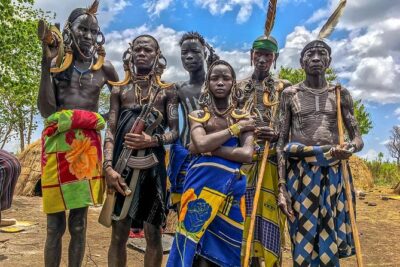

3 days around Arbaminch and Konso Adventure Tours Life Time
Read our review →Danakil Depression, Lalibela, Omo Valley and Simien Mountains
Read our review →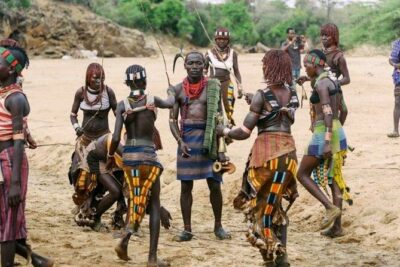

Browse the lists this tour appears in