
Reviewed · OMO VALLEY TRIBE TOURS
6 Days Omo valley Tribal Tour (Starts Arba Minch End Jinka)
The Omo Valley rewards patient curiosity. This six-day trip links Arba Minch and Jinka by air-conditioned 4×4, with visits to Dorze, Hamar, Kara, Nyangatom, Dassanech, and Mursi communities along the way. I like the useful one-way route, which avoids returning to Arba Minch, and I like the small maximum of four people, which should make the long drives and village visits easier to manage. The main drawback is the rough schedule: several days involve long drives, off-road travel, and basic facilities.
I also like the chance to see several distinct communities rather than making one quick village visit. Guide Debebe, also called Deba or Debe in the supplied information, is praised for arranging local contacts, adapting plans, and helping visitors connect with daily life. You should confirm the exact start time, lodging, included meals, and local fees before paying, since the listed start time is 6:30 pm while Day 1 begins with an arrival and daytime drive.
In This Review
- Key points to know before booking
- Why the Arba Minch to Jinka route works
- Day 1: Dorze homes above Lake Abaya and Lake Chamo
- Day 2: Long southbound drive to Turmi
- Day 3: The off-road road to Kara village
- Day 4: Nyangatom and Kara country from Turmi
- Day 5: Canoe crossing to the Dassanech
- Day 6: Mago National Park and the Mursi visit
- What the guides add to the journey
- Comfort, group size, and practical limits
- Who will get the most from this tour?
- Should you book the six-day Omo Valley route?
- FAQ
- Where does the tour start?
- Where does the tour end?
- How long does the tour last?
- What vehicle is used?
- How many people can join?
- Which communities are included?
- Which markets are included?
- Is the Omo River crossed during the tour?
- Are park fees, taxes, and other fees included?
- Can I cancel for a full refund?
Key points to know before booking
- One-way route: Start at Arba Minch Airport and finish at Jinka International Airport, with no return drive to the north.
- Four-wheel-drive transport: An air-conditioned 4×4 handles paved roads, rough sections, and the off-road route to Kara village.
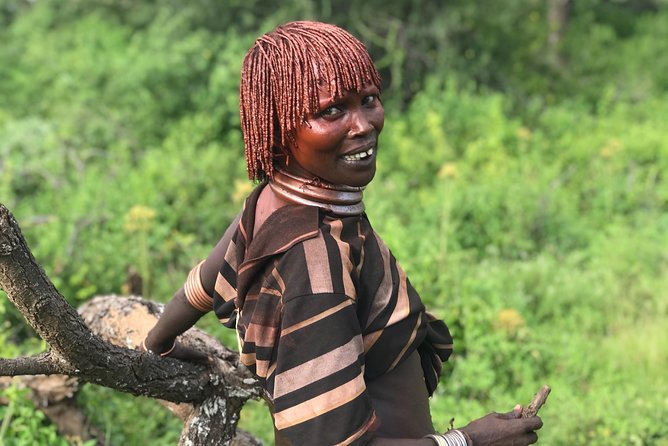
- Six communities and cultures: The route includes Dorze, Hamar, Kara, Nyangatom, Dassanech, and Mursi areas, plus contact with Konso, Tsamay, Arbore, and Benna people around market areas.
- Small group size: The maximum is four participants, useful when you are spending hours in a vehicle.
- Market timing matters: Dimeka is visited on Tuesday and Saturday, while Keyafer is especially important on Thursday.
- Basic Turmi lodging: The stated Turmi accommodation has a portable shower and toilet, so this is not a polished hotel-based tour.
Why the Arba Minch to Jinka route works
A one-way journey makes good sense here. Arba Minch gives you a northern starting point, while Jinka places you close to the Mago National Park and the Mursi area at the end. You spend your six days moving south instead of repeating the same road.
The price is $1,600 per person. That is a serious amount, but the value depends on what you want from southern Ethiopia. You are paying for a private-style 4×4 journey, air conditioning, a driver, a guide, local arrangements, and a route that would be difficult to organize alone. The small group limit of four also matters. If four people book together, the cost feels easier to justify than if you are traveling alone.
Still, all fees and taxes are listed as extra. The supplied details do not explain every entrance charge, village payment, boat or canoe cost, or lodging cost beyond the arrangements mentioned. Ask for a written breakdown before departure. That one question can prevent awkward money discussions at a village or park gate.
The road is a major part of this tour. A 4×4 is not simply a comfort feature. It is needed for the rough approach to Kara village and for the route through Mago National Park. Air conditioning will be welcome in the hotter lowlands, though the ride can still be tiring after several hours.
More Omo Valley Tribe Tours in Arba Minch
- 3 days around Arbaminch and Konso Adventure Tours Life Time
★ 5.0 · 24 reviews - 5 Day Private tour to the Omo Valley Tribes and Adventure Tour
★ 5.0 · 11 reviews - Omo Valley Tribes 6 Days Tours
★ 4.9 · 10 reviews
Day 1: Dorze homes above Lake Abaya and Lake Chamo
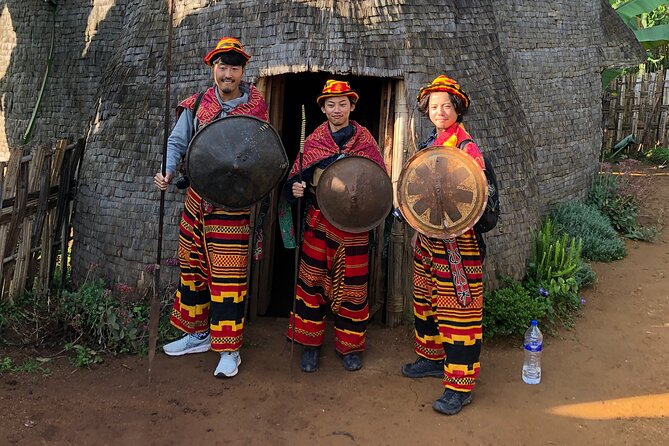
The first day moves from Arba Minch up to Chencha, a highland town about 36 kilometers away. The drive takes roughly one and a half hours and climbs from about 1,400 meters to 2,900 meters. That change in height brings cooler air and broad views over Lake Abaya and Lake Chamo.
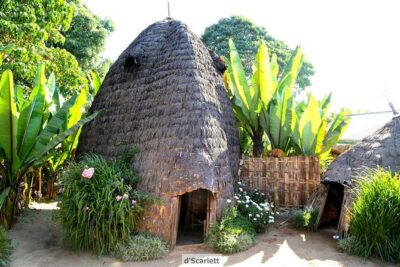
The Dorze are known for their tall, beehive-shaped houses. The homes are one of the day’s clearest visual highlights, but the visit is more useful when you pay attention to how the house functions, not just how it looks. You will also see the preparation of food made from false banana, a staple crop in the area.
Trying the food is part of the visit, and I would treat that as a key reason to go beyond simple sightseeing. Food gives you a direct connection to local farming and household life. It also makes the stop feel less like a photo call.
The road back to Arba Minch takes you down from the highlands, and the overnight stay is in Arba Minch. This day is shorter and gentler than what follows, but it includes a sharp change in climate. Carry a light layer for Chencha and expect warmer conditions once you return to town.
One point needs clearing up before booking: the meeting information gives a 6:30 pm start time, while the Day 1 plan assumes arrival and a daytime visit to Dorze. Ask the operator to confirm whether 6:30 pm refers to a pickup, a booking-system time, or an error.
Day 2: Long southbound drive to Turmi
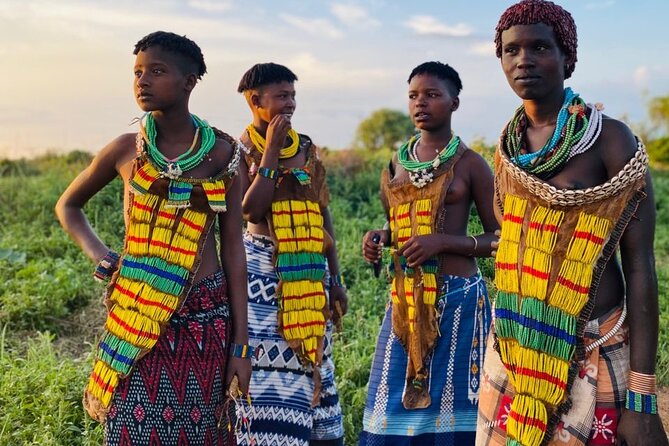
Day 2 covers about 277 kilometers and takes around five and a half hours. The route passes through areas associated with Konso, Tsamay, Arbore, and Hamar people before reaching Turmi.
This is a travel day, not a string of nonstop attractions. You will spend much of it in the vehicle, watching the scenery and settlements change as you head farther south. That is exactly why the air-conditioned 4×4 and small group size matter.
The scheduled market stop is Dimeka on Tuesday or Saturday. Market days are the right time to see people from different communities gathering to buy, sell, and meet. If your dates do not line up with Tuesday or Saturday, you should not assume the market will have the same scale or activity.
After Dimeka, the route continues to Turmi for the night. Turmi is used as the base for several following visits, so you avoid changing hotels every evening. The trade-off is that you return to Turmi after the Kara visit, making the next two days feel like spokes from one rough-road hub.
Day 3: The off-road road to Kara village
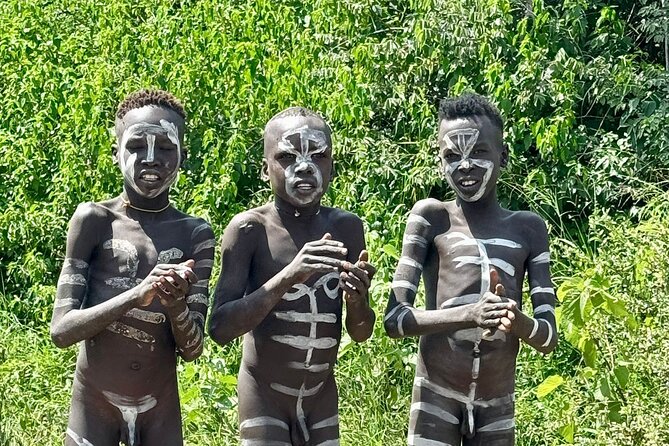
The third day is one of the more demanding parts of the trip. You drive about 80 kilometers off-road to Duse or Labuck, a Kara village along the eastern bank of the Omo River. The journey itself may take a large part of the day, so do not judge the distance by the map alone.
The Kara population is estimated in the supplied details at between 1,000 and 3,000 people. Their farming system includes flood retreat cultivation, with sorghum, maize, and beans among the crops. These details help explain why the Omo River matters so much to local life.
The visit can give you a better sense of how farming, river levels, and settlement patterns connect. It is also a good reminder that the Omo Valley is not simply a collection of colorful portraits. People here farm, trade, raise families, and adapt to a demanding environment.
The plan returns to Turmi for the night. Expect a full day in the vehicle, an uneven road, and a village visit where local customs should guide your behavior. Ask before taking photographs, listen to your guide, and avoid treating people as scenery.
A different sort of day out, same part of Ethiopia:
- Private 3 Days Adventure Tour Through Arba Minch
★ 5.0 · 16 reviews - 3 days, Arba Minch and Dorze
★ 5.0 · 7 reviews - 3 Days, Arba Minch, Dorze village and Konso Village
★ 5.0 · 5 reviews - 6 days private Sight Seeing Tours.
★ 5.0 · 4 reviews
Day 4: Nyangatom and Kara country from Turmi

The fourth day begins with a Nyangatom village visit, followed by another Kara visit. The supplied schedule gives a distance and travel time of 101 kilometers and six hours, which tells you to expect more road than walking.
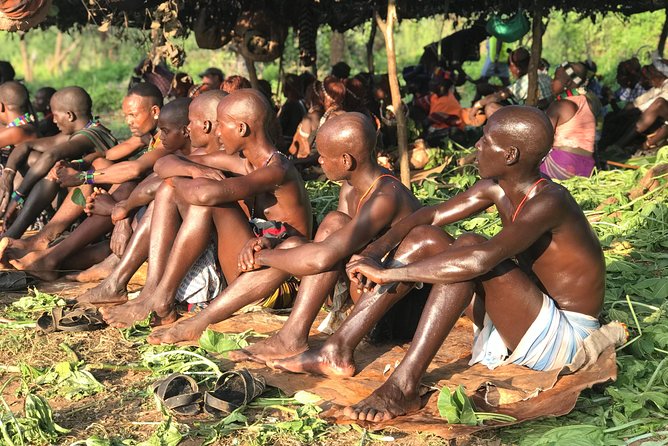
The Kara are especially known for body painting. This is likely to be one of the most memorable visual moments of the trip, but the best approach is respectful observation. Let your guide explain the meaning and setting of the painting rather than reducing it to a costume detail.
Local contacts matter greatly on days like this. Several comments about guide Debebe, Deba, or Debe praise his ability to arrange local guides and explain customs. They also describe him as flexible, friendly, humorous, and willing to adjust plans when interests changed. Those qualities are not decoration. In a region where language and local etiquette can be difficult for an outsider, a trusted guide can shape the entire visit.
The listed Turmi accommodation includes a portable shower and toilet. That is a practical warning, not a complaint. You should be comfortable with simple facilities, and you should ask what the other nights provide because the supplied details do not give a full accommodation list.
Meals are listed as full board for this part of the program. Confirm whether that means breakfast, lunch, and dinner throughout the whole six days or only for the stated Turmi arrangement.
Day 5: Canoe crossing to the Dassanech
From Turmi, the route continues 72 kilometers to Omerate, a drive of about one and a half hours. Omerate lies on the eastern bank of the Omo River, in the area of the Dassanech people.
To reach a Dassanech village, you cross the Omo by local canoe. This is a small but important shift in the trip. Instead of simply driving to a roadside stop, you use a local form of transport and cross the river that shapes life in the region.
The canoe crossing also means the day depends on local conditions. You should follow the guide’s instructions and keep your belongings secure. No special equipment is listed, so ask in advance about what you need to bring for the crossing.
Later, the route includes Keyafer market on Thursday. This market is described as one of the most colorful in the area and draws Hamer, Benna, and Kara people, among others. Market visits are often more revealing than a staged cultural stop because they show people engaged in ordinary trade and social life.
After Keyafer, you continue to Jinka for the night. This is another long day, but it breaks up the drive with two very different experiences: a river crossing and a market.
Day 6: Mago National Park and the Mursi visit

The last morning takes you from Jinka into Mago National Park to visit a Mursi village. The drive to the village takes about two hours each way, followed by a return to Jinka for lunch and airport drop-off.
The park should not be mistaken for a full wildlife safari. The supplied plan specifically warns not to expect much game on this brief visit. Go for the Mursi cultural encounter and the setting, not for a long list of animals.
The Mursi are among the best-known people in the Omo Valley, and that fame can make the visit feel more managed than the earlier stops. Your guide’s role is especially important here. Ask about proper conduct, photography, and any local fees before entering the village.
After lunch in Jinka, you are dropped at Jinka International Airport. The end point is useful if you are continuing by air, but you should check your flight time carefully. The schedule needs to allow for a two-hour drive to the village, the visit, the return drive, lunch, and the airport transfer.
What the guides add to the journey
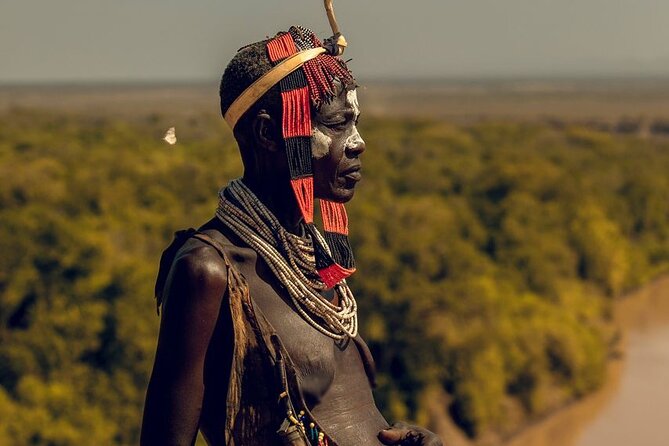
The strongest personal praise attached to this experience focuses on the guides rather than the vehicle or the route. Debebe, also referred to as Deba or Debe, is described as warm, professional, helpful, and easy to travel with. China is also named as a driver on Arba Minch outings.
The most useful detail is the guide’s ability to connect visitors with local people. The supplied information says local guides were arranged in each tribal area, with customs explained in detail. That can help you understand what you are seeing and reduce the chance of an awkward or disrespectful encounter.
Flexibility is another advantage. One account describes a seven-day trip where the original plan changed as new interests came up, with Debebe reorganizing the schedule. This six-day trip has a tighter structure, but it is still worth asking how much room exists for changes.
Do not assume every request can be added without cost or time consequences. The route includes long drives, market days, airport timing, and a fixed end in Jinka. Flexibility is valuable, but it works best when you discuss it before the day begins.
Comfort, group size, and practical limits
A maximum of four people is a real strength. You will have more room in the 4×4, less waiting at stops, and a better chance to ask questions without competing with a large group. It may also make sensitive village visits feel less intrusive.
The vehicle is air-conditioned, but the road conditions remain demanding. Days 3 and 4 include rough or off-road sections, and Day 5 combines road travel, a canoe crossing, a market, and the transfer to Jinka.
The accommodation picture is not fully detailed. Turmi includes a hotel with a portable shower and toilet, while the supplied information names overnight stays in Arba Minch, Turmi, and Jinka without giving hotel names or room standards. Ask for the full lodging plan, especially if you need private bathroom facilities.
The tour is described as suitable for most people, but that does not mean it is effortless. You need to manage long vehicle rides, rough roads, basic facilities, and early or tightly timed visits. If you need a relaxed schedule, this may feel too compressed.
Who will get the most from this tour?
I would recommend this trip to you if you want a broad introduction to southern Ethiopia and prefer having transport, local arrangements, and airport transfers handled for you. It suits people who value cultural contact and changing scenery more than luxury.
It also fits photographers and curious observers, provided you approach photography carefully and follow local guidance. The Dorze homes, Kara body painting, river crossing, market days, and Mursi visit offer very different subjects and settings.
You may want a longer trip if you dislike rushed travel. Six days allows you to cover a lot, but it also means several long driving days and limited time in each area. The Mursi visit, in particular, is a short stop rather than an extended stay in Mago National Park.
Book with caution if you expect entrance fees and taxes to be included. They are not. Also confirm the 6:30 pm start time, the complete hotel list, the meal plan, and the exact airport drop-off timing.
Free cancellation is available when you cancel at least 24 hours before the start time. A weather cancellation or failure to meet the minimum number of participants should bring an alternative date or a full refund, according to the stated terms.
Should you book the six-day Omo Valley route?
I would book it if you want a small-group, one-way journey with strong cultural coverage and you accept rough roads and simple facilities. The route is well shaped, the 4×4 is appropriate, and the guide’s local relationships appear to be the most valuable part of the package.
I would not book it without clarifying the extra fees, accommodation, meals, and opening-day timing. If you can accept those limits, this is a practical way to reach several Omo Valley communities without arranging every transfer yourself. The key is to arrive ready for real road travel, not a soft-edged sightseeing holiday.
FAQ
Where does the tour start?
The tour starts at Arba Minch Airport in Arba Minch, Ethiopia.
Where does the tour end?
The tour ends at Jinka International Airport in Jinka after the Mursi visit and lunch.
How long does the tour last?
The tour lasts approximately six days.
What vehicle is used?
The tour uses a ground-transport 4×4 vehicle with air conditioning.
How many people can join?
The maximum group size is four participants.
Which communities are included?
The route includes visits to Dorze, Kara, Nyangatom, Dassanech, and Mursi communities. It also passes through areas associated with Konso, Tsamay, Arbore, Hamar, and Benna people.
Which markets are included?
Dimeka market is scheduled for Tuesday and Saturday. Keyafer market is scheduled for Thursday.
Is the Omo River crossed during the tour?
Yes. On Day 5, you cross the Omo River by local canoe to visit a Dassanech village near Omerate.
Are park fees, taxes, and other fees included?
No. All fees and taxes are excluded from the listed price.
Can I cancel for a full refund?
Yes, if you cancel at least 24 hours before the experience start time. Cancellations or changes made less than 24 hours before the start time are not refunded or accepted, and weather or minimum-participant cancellations may result in a different date or a full refund.
New on the Arba Minch list
- 6 days private Sight Seeing Tours.★ 5.0 · 4 reviews
- 5 Days Omo Valley Tour: Experience Ethiopia’s Tribal Traditions★ 5.0 · 2 reviews
- 3 Days, Arba Minch, Dorze village and Konso Village★ 5.0 · 5 reviews
- 5 Day tour from arbaminch to omo valley★ 5.0 · 2 reviews
- 3 days, Arba Minch and Dorze★ 5.0 · 7 reviews
- 4 Days tour in omo valley.★ 4.5 · 3 reviews
- 5 Days adventure tour in omo valley with the tribes.★ 4.5 · 2 reviews
- Omo Valley Tribes 6 Days Tours★ 4.9 · 10 reviews
Omo Valley Tribe Tours, compared.
6 Days Omo Valley Tribes Tours From Addis Ababa
Read our review →
Lalibela, Axum, Danakil and Omo Valley 8 DAYS
Read our review →

3 days around Arbaminch and Konso Adventure Tours Life Time
Read our review →Danakil Depression, Lalibela, Omo Valley and Simien Mountains
Read our review →

Browse the lists this tour appears in