

Reviewed · OMO VALLEY TRIBE TOURS
5 Days Omo Valley Tribal Tours
The Omo Valley changes your sense of time. This five-day trip from Addis Ababa links remote villages, traditional ceremonies, wildlife country, and several distinct ethnic communities in southern Ethiopia. I like the small maximum group of four, and I like that the route includes both famous stops such as the Mursi villages and less familiar places such as Dorze and Konso.
The main drawback is cost clarity. The advertised price is $1,100 per person, but domestic flights, lunch, dinner, photography fees, and possible bull-jumping charges are extra. You should also expect long road days, with some drives lasting eight hours.
In This Review
- Five details that shape the trip
- What this five-day Omo Valley route really offers
- Day 1: Addis Ababa to Dorze and Arba Minch
- Day 2: Konso’s generation poles and the road to Turmi
- Day 3: Karo village, the Omo River, and the Hamar
- Day 4: Dessenach, body art, markets, and Jinka
- Day 5: Mago National Park and the Mursi community
- Is $1,100 per person good value?
- What the strongest feedback tells you
- Who should book this Omo Valley tour?
- Should you book it?
- FAQ
- Where does the tour begin?
- Where does the tour end?
- How long is the Omo Valley tour?
- Is airport pickup included?
- Are domestic flights included in the price?
- What meals are included?
- Is the bull-jumping ceremony guaranteed?
- How large is the tour group?
- Can the operator arrange extra nights in Addis Ababa?
Five details that shape the trip
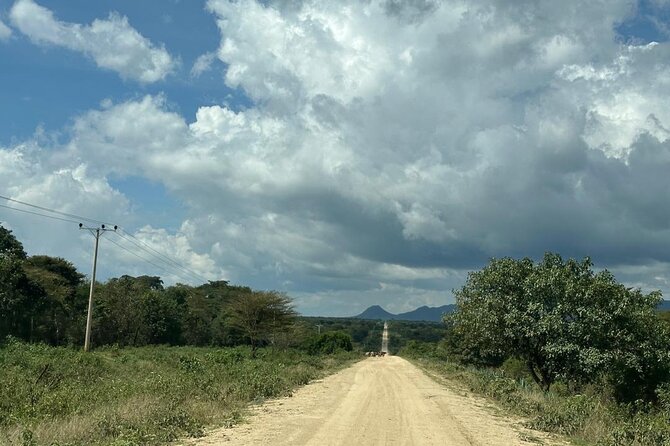
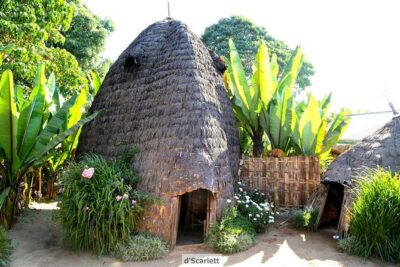
- Dorze’s tall houses: You visit the Dorze people, known for beehive-shaped homes and skilled cotton weaving.
- Konso’s generation poles: Stone and wooden markers show the passage of generations in one of the area’s UNESCO-registered villages.
- Seasonal Hamar bull jumping: This rite of passage may be available, but it is not guaranteed and costs extra if arranged.
- A boat trip with the Dessenach: The price includes a boat excursion, adding time on the Omo River to the overland route.
- Mursi lip and earlobe plates: The final day takes you through Mago National Park to a Mursi community near Jinka.
- A very small group: The tour accepts no more than four people, which matters on rough roads and during village visits.
What this five-day Omo Valley route really offers
The Omo Valley is home to more than 20 Indigenous ethnic groups, each with its own customs, dress, ceremonies, and artistic traditions. A short visit cannot explain every community in full, but this route gives you a quick look at several important groups.
You move from the woven homes of the Dorze to the terraces and social markers of Konso, then south toward Turmi and Jinka. The trip is not built around long periods at one site. Instead, it is a moving circuit, with much of the day spent driving between communities.
That pace is part of the bargain. You see a lot in five days, but you will need patience. The roads are long, the schedule begins early, and the final day includes a park visit before your flight back to Addis Ababa.
The maximum group size of four is a real advantage. Small numbers make it easier to ask questions, adjust the pace when possible, and avoid the feel of a large coach tour. The guide and driver also have fewer people to manage during airport transfers, village visits, and long road sections.
The tour is provided by Enat Ethiopia Tours. Names connected with recent trips include Ashu, Biruk, Biruke, Danile, and Tame, though your assigned guide and driver may be different. Ashu received especially strong praise for staying in touch and anticipating practical needs, while drivers such as Biruk and Biruke were praised for professionalism and friendly support.
More Omo Valley Tribe Tours in Addis Ababa
- 6 Days Omo Valley Tribes Tours From Addis Ababa
★ 5.0 · 33 reviews - 3 Days Omo Valley Tour
★ 5.0 · 24 reviews - Danakil Depression, Lalibela, Omo Valley and Simien Mountains
★ 5.0 · 23 reviews
Day 1: Addis Ababa to Dorze and Arba Minch
Your first day begins with a flight from Addis Ababa to Arba Minch. The domestic flight is not included in the $1,100 price, so confirm the flight schedule and cost before you pay your final balance.
At Arba Minch airport, the driver collects you and takes you to your accommodation. After a short rest, you continue to Dorze. The day is listed at about six hours, though the exact rhythm will depend on the flight, road conditions, and time spent in the village.
Dorze is a strong opening stop because it introduces daily life through architecture and craft. The local houses have a tall, rounded form often compared with a beehive, and some descriptions liken their shape to an elephant. You can learn about cotton weaving, an important local skill, and see how the homes fit into village life.
If the visit falls on market day, you also go to the local Dorze market. That condition matters. A market visit is not guaranteed every day, so ask the operator for the market schedule before booking if it is important to you.
Overnight accommodation may be in a traditional hut in Dorze or in a hotel in Arba Minch. Those are different experiences. A hut gives you a closer connection to the setting, while a hotel may feel simpler after a flight and road transfer. Ask which option is planned for your date.
Day 2: Konso’s generation poles and the road to Turmi
Day two starts early with breakfast and a long drive toward Konso. You stop there for lunch and a short break before visiting a Konso village. The road section is listed at roughly eight hours, making this one of the more demanding days.
Konso is not just a quick photo stop. The people are known for stonework, agricultural organization, and generation poles. A pole represents 18 years, so the number of poles can help show how long a village has existed. This gives you a useful way to understand time through a physical object rather than a date on a sign.
The route includes one of nine villages associated with UNESCO recognition. The visit offers a look at settlement patterns and local markers, but you should not expect a long museum-style presentation. The value is in seeing a community in place and having a guide explain what the stones and poles mean.
After Konso, you continue to Turmi for the night at Turm Lodge. The drive makes this day feel more like an overland expedition than a relaxed cultural outing. If you dislike long transfers, you should consider a longer Omo Valley itinerary instead of trying to fit the region into five days.
Breakfast is included. Lunch and dinner are not, so you should budget for meals along the way and at the lodges.
Day 3: Karo village, the Omo River, and the Hamar
Day three begins with a drive to a Karo village. The Karo are a small group living along the east bank of the Omo River, with an estimated population of about 3,000. Their painted faces and bodies are among the most recognizable features of the visit.
The paints use natural materials such as ochre, white chalk, and yellow mineral rock. Designs can include lines, dots, shapes, animal forms, and handprints. Men may use clay in elaborate hairstyles or headdresses linked with status, beauty, or bravery. Scarification is also part of the stated cultural context.
You should approach photography here with care. A local photographer fee is not included, and the tour description specifically lists this as an extra. Ask your guide about appropriate permissions and costs before taking portraits. That is both polite and practical.
The day includes a return to Turmi for lunch and a break, followed by a visit with the Hamar people. The major possible highlight is bull jumping. In this ceremony, a boy proves his readiness for manhood by jumping over a row of five to 13 cattle.
Bull jumping is seasonal. It may not take place during your visit, and the ceremony fee is not included. If it does occur, the event may be one of the most memorable parts of the trip, but you should not book this tour assuming it is guaranteed.
The description also refers to a special event involving a woman showing appreciation for the successful jumper. The wording is incomplete, so ask Enat Ethiopia Tours for a clear explanation of what is planned and what fees apply.
This is an important point about the Omo Valley. Ceremonies are not staged on a fixed tourist timetable. That uncertainty can be frustrating if you have only five days, but it also means you are dealing with living customs rather than a daily performance.
A different sort of day out, same part of Ethiopia:
- Full Day Tour of Addis Ababa with Hotel Pickup and Drop-off
★ 5.0 · 430 reviews - Taste of Ethiopia
★ 5.0 · 406 reviews - Day Trip From Addis Ababa See Historical Monastery,Stunning Nature,Animals,Birds
★ 5.0 · 303 reviews - Addis Ababa: Debre Libanos, Blue Nile Gorge, and Cave Tour
★ 4.5 · 256 reviews
Day 4: Dessenach, body art, markets, and Jinka
Day four shifts toward Jinka and includes a visit connected with the Dessenach people. A boat trip at Dessenach is included in the tour price, which gives the route a welcome change from road travel.
The day is listed at about eight hours. The schedule describes a morning visit, a return to Turmi for lunch, and a possible local market visit if the timing matches market day. Again, the market is conditional, so check the date in advance.
The written program also describes body and face painting, clay hairstyles, headdresses, and scarification in this section. Some of these details overlap with the earlier Karo description, so the exact community visit should be confirmed before departure. This is not a reason to reject the trip, but it is a reason to request a precise day-by-day plan.
You then continue to Jinka and stay at NASA Hotel. Jinka is an important base for the final visit to Mago National Park and the Mursi area. After several days of road travel, the overnight stop gives you a useful staging point before the final early start.
If markets matter to you, ask which days they operate in Dorze, Turmi, or elsewhere along the route. The program only promises them when the visit falls on the right day.
Day 5: Mago National Park and the Mursi community
The final day starts early with a drive from the Turmi area toward Jinka through Mago National Park. The program describes a visit to a local Mursi community, followed by a return to Jinka for lunch and a flight to Addis Ababa.
The Mursi are known for lower-lip and earlobe plates. These items are connected with beauty and identity, but a short tour cannot explain every personal or social meaning behind them. Your guide’s role matters here. You need clear cultural context, respectful introductions, and firm advice about photography.
Mago National Park adds a natural setting to the day, though the stated focus is the Mursi visit rather than a dedicated wildlife safari. Do not choose this tour mainly for animal sightings. Choose it for the combination of park scenery and cultural visits.
The day is listed at roughly four hours, not counting the flight and airport procedures. The domestic flight back to Addis Ababa is extra, and the tour ends at the original meeting point, the Skylight Hotel parking area on Africa Avenue.
The operator can arrange extra hotel nights in Addis Ababa on request. That is useful if your international flight leaves later or if you want a buffer after the return flight.
Is $1,100 per person good value?
The price makes the most sense for someone who values a private-style, small-group route with a guide, driver, fuel, entrance costs, breakfast, and the Dessenach boat trip included.
It is not an all-in price. You still need to add domestic flights, five lunches and five dinners, photography fees, personal expenses, gratuities, and any bull-jumping charge. Depending on flight prices and meal costs, the final amount may be notably higher than $1,100.
The group limit of four improves the value. A larger group could make the long drives less personal and village visits harder to manage. Here, you are paying partly for logistics and local coordination in a region where independent transport can be difficult to arrange.
The price also includes a guide and car, not just a transfer between hotels. That matters because the trip depends on explanations of customs, village structures, painted designs, ceremonies, and local social markers.
I would ask for a written list of all entrance fees, the planned domestic flights, accommodation names, and expected extra charges. The itinerary says all fees and taxes are included, but it separately excludes flights, photography, meals, and bull jumping. Clear confirmation will prevent awkward surprises.
What the strongest feedback tells you
The most repeated praise centers on organization, guides, and drivers. Ashu is singled out for staying in contact and making sure each stage went smoothly. He is also described as kind, attentive, and able to understand practical needs before they were stated.
Drivers Biruk and Biruke are praised for being professional, warm, and friendly. That matters on a route with long drives and early departures. A good driver can make the road portions feel manageable, while a poor one can sour the whole trip.
Photography is another recurring theme. The Omo Valley offers striking visual subjects, from painted bodies and clay hairstyles to unusual homes and village ceremonies. If photography is your main goal, tell the operator before booking and ask about permissions, local fees, and time at each stop.
The small group is especially well suited to photographers, solo visitors, and couples who want direct access to the guide. Still, photography should never override consent. Ask before taking portraits, and listen when your guide explains local rules.
Who should book this Omo Valley tour?
I would recommend it to you if you want a concentrated introduction to southern Ethiopia and can handle long road days. It suits people who care about cultural encounters, village architecture, ceremonies, and regional variety more than comfort or a slow schedule.
It also works well for solo visitors who want a private-feeling arrangement without booking a large group. The published tour allows a maximum of four people, and several previous itineraries were solo or very small-group trips.
You may want a different plan if you need guaranteed bull jumping, fixed market visits, luxury accommodation, or a relaxed pace. Those features depend on season, local schedules, or a longer itinerary.
Most people can participate, according to the tour information, but the schedule still involves early starts, flights, road travel, and multiple hotel changes. Ask about the current road and accommodation plan if you have mobility concerns or need a slower pace.
Free cancellation is available if you cancel at least 24 hours before the start time. Cancellations within 24 hours are not refunded, and a minimum number of participants is required unless the operator confirms another arrangement.
Should you book it?
Book this tour if you want the Omo Valley’s major cultural stops in five tightly packed days, especially Dorze, Konso, Hamar, Karo, Dessenach, and Mursi communities. The strongest reasons to choose it are the four-person limit, included guiding and transport, the Dessenach boat trip, and the careful support associated with guides such as Ashu.
Before paying, confirm the domestic flight cost, exact accommodation, photography fees, bull-jumping availability, and the precise Dessenach and Karo schedule. If you accept the long drives and extra costs, this is a strong introduction to one of Ethiopia’s most distinctive regions.
FAQ
Where does the tour begin?
The tour begins at the Skylight Hotel parking area on Africa Avenue in Addis Ababa.
Where does the tour end?
The activity ends back at the original meeting point in Addis Ababa after the return flight from the south.
How long is the Omo Valley tour?
The tour lasts approximately five days.
Is airport pickup included?
Pickup is offered. On the first day, the driver collects you at Arba Minch airport and transfers you to your accommodation.
Are domestic flights included in the price?
No. Domestic flights are excluded and must be paid for separately.
What meals are included?
Breakfast is included for five days. Lunch and dinner are not included.
Is the bull-jumping ceremony guaranteed?
No. Bull jumping is seasonal, and the ceremony fee is extra if the event is available during your visit.
How large is the tour group?
The tour has a maximum of four participants.
Can the operator arrange extra nights in Addis Ababa?
Yes. Enat Ethiopia Tours can arrange additional hotel nights in Addis Ababa on request.
New on the Addis Ababa list
- Yod Abyssinia Cultural Night: Dinner, Music, and Dance★ 5.0 · 7 reviews
- Locally crafted beer and wine tasting and nightlife in Addis tour★ 5.0 · 6 reviews
- Addis Ababa City Tours Full-Day Tours★ 5.0 · 5 reviews
- Stunning Views Wonchi Crater Lake a Private Day Trip★ 5.0 · 3 reviews
- Visiting the wonders of Lalibela in Three (3) days and Two ( 2) nights★ 5.0 · 2 reviews
- Unique Ethiopian Cooking Class and Coffee Ceremony with a Local in Addis Ababa★ 4.5 · 7 reviews
- Tribes of the Ethiopian Omo Valley – 9 Day Tour★ 5.0 · 5 reviews
- Two days Lake Wenchi and Menagesha Forest★ 5.0 · 3 reviews
Omo Valley Tribe Tours, compared.
6 Days Omo Valley Tribes Tours From Addis Ababa
Read our review →
Lalibela, Axum, Danakil and Omo Valley 8 DAYS
Read our review →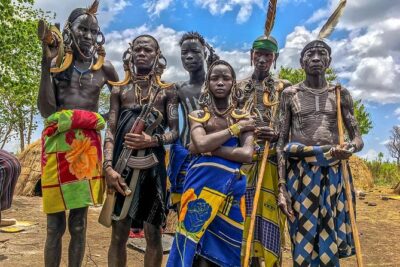

3 days around Arbaminch and Konso Adventure Tours Life Time
Read our review →Danakil Depression, Lalibela, Omo Valley and Simien Mountains
Read our review →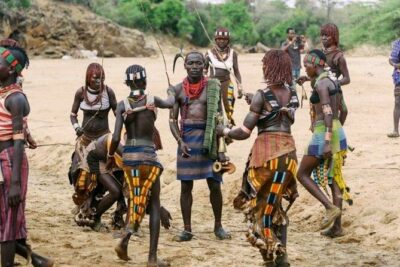

Browse the lists this tour appears in