

Reviewed · OMO VALLEY TRIBE TOURS
7 Days Cultural Tours to Omo Valley
Southern Ethiopia rewards curious visitors. This seven-day private journey links the Omo Valley’s distinct communities with scenic drives, local markets, Lake Chamo, and Hawassa. I like the chance to meet the Dorze, Konso, Mursi, Hamar, Karo, and Dassanech peoples in one carefully packed trip. I also like the use of a private, air-conditioned vehicle, which matters when several days involve five to eight hours on the road.
The main drawback is the pace. You cover a great deal of ground, and some days combine long drives with village visits and cultural stops. The price is $1,835 per person, so this makes the most sense if you value a private route and cultural access more than a low-cost, slow-moving holiday.
In This Review
- Key Points to Know Before Booking
- What This Seven-Day Omo Valley Trip Is Really Like
- Day 1: Addis Ababa to Arba Minch and the Dorze Hills
- Day 2: Konso Terraces on the Road to Jinka
- Day 3: Mago National Park and the Mursi Visit
- Day 4: Karo People and the Omo River at Korcho
- Day 5: Dassanech Villages Near the Kenyan Border
- Day 6: Lake Chamo Wildlife and Hawassa
- Day 7: Hawassa Fish Market and Return to Addis Ababa
- The Cultural Approach and the Role of the Guide
- Price, Transport, and What You Receive
- Who Will Enjoy This Route Most
- Should You Book the Omo Valley Tour?
- FAQ
- Where does the tour start and finish?
- How long does the tour last?
- Is this a private tour?
- What type of transportation is included?
- How much does the tour cost?
- Which Omo Valley communities are included?
- Is a boat trip included?
- Can I cancel for a full refund?
Key Points to Know Before Booking
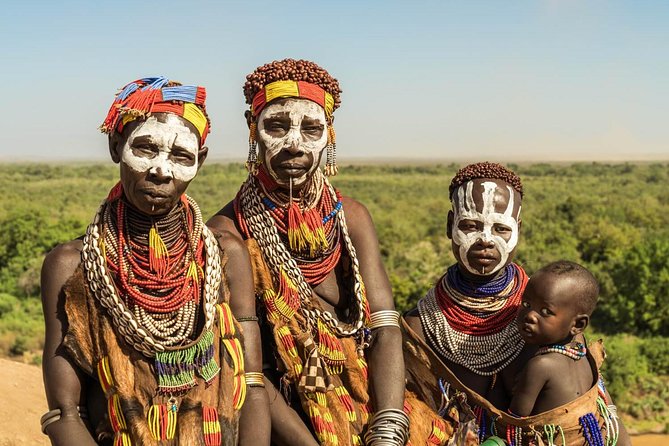
- Dorze homes near Chencha: See the distinctive bamboo houses, weaving traditions, and food and drink made from banana plants.
- Konso terraces and village defenses: Visit a UNESCO-listed cultural site with stone terraces, wooden structures, and unusual pole erections.
- Mursi communities in Mago National Park: Learn about the lip-plate tradition, a custom associated with some Mursi women.
- Karo views above the Omo River: See face and body painting and elaborate decoration in Korcho village.
- Lake Chamo by boat: Look for crocodiles, hippos, birds, and monkeys before continuing to Hawassa.
- Private transport with a flexible feel: Only your group takes part, with pickup offered in Addis Ababa.
What This Seven-Day Omo Valley Trip Is Really Like
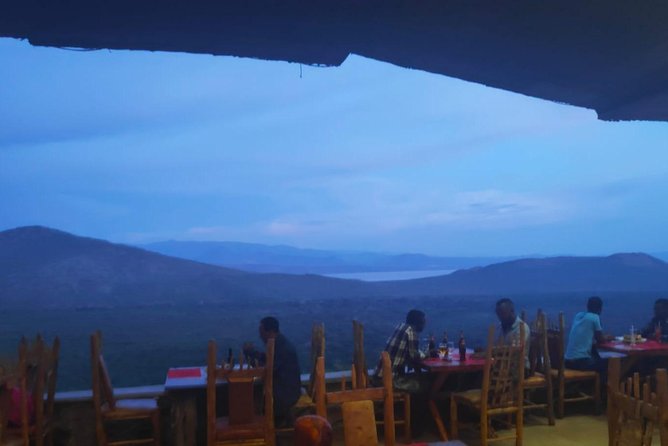
This is not a relaxed resort holiday. It is a road-based cultural tour through southern Ethiopia, with early breakfasts, long transfers, rough changes in scenery, and short stays in several towns. You will spend nights in Arba Minch, Jinka, Turmi, Hawassa, and Addis Ababa.
The reward is variety. In a single week, you move from the highlands near Chencha to dry Omo Valley settlements, then back through the Rift Valley toward Lake Chamo and Hawassa. The schedule gives you a broad introduction to the region rather than a long stay with one community.
The tour is private, so your group does not have to share the vehicle or follow the rhythm of strangers. That can be useful during cultural visits, where time, questions, and photography need a little care. The supplied information does not state the maximum number of people, so ask about vehicle capacity if you are booking for a larger party.
The operator is Ethiopian Wanderer Tours & Travel. Abebe is associated with the company, and one account also refers to a guide named Desta. It is worth confirming who will lead your departure. The company’s strongest praise centers on personal attention, local connections, flexibility with requests, and a preference for local restaurants instead of expensive tourist-focused stops.
More Omo Valley Tribe Tours in Addis Ababa
- 6 Days Omo Valley Tribes Tours From Addis Ababa
★ 5.0 · 33 reviews - 3 Days Omo Valley Tour
★ 5.0 · 24 reviews - Danakil Depression, Lalibela, Omo Valley and Simien Mountains
★ 5.0 · 23 reviews
Day 1: Addis Ababa to Arba Minch and the Dorze Hills
The opening drive to Arba Minch takes about eight hours, making this the tour’s longest transfer. You stop for lunch and scenic photographs along the way, but you should still expect much of the day to pass in the vehicle.
Late in the afternoon, the route climbs toward Chencha to visit the Dorze people. The change in altitude brings a different setting from the low Omo Valley, and the Dorze visit gives you a strong cultural introduction before the more remote communities later in the week.
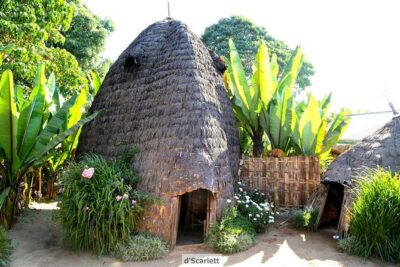
The Dorze are known for weaving, cotton clothing, fences, and tall, beehive-shaped bamboo huts. Inside the homes, you can learn about daily life and see how the buildings are used. The visit also covers food and alcohol production made from banana trees and leaves.
This is one of the more hands-on stops because the focus is not only on appearance. You get a look at household skills, materials, and food traditions. The late arrival may limit your time, though, especially if the drive from Addis Ababa takes longer than planned.
You spend the night in Arba Minch. Since accommodation details are not provided, confirm the hotel category and meal arrangements before paying.
Day 2: Konso Terraces on the Road to Jinka

After an early breakfast, you drive to a Konso village and its terraces. The day includes about five hours of driving, plus the village visit and a stop at a Konso market before continuing to Jinka.
Konso is a particularly useful stop for anyone interested in how communities shape and protect their surroundings. You can see elaborate security constructions, wooden structures, and distinctive poles. The terraces are a major feature, and the site is recognized by UNESCO.
The visit feels different from Chencha. The Dorze experience centers on homes, weaving, and household production, while Konso brings attention to settlement design and agriculture. That contrast helps you see that Omo Valley culture is not one single story.
The market stop adds ordinary commercial life to the day. It is a chance to observe local trade rather than only arranged village presentations. Lunch is described as brief, so do not expect a long restaurant break.
You sleep in Jinka, an important base for the next day’s visit to Mago National Park. The early breakfast and onward driving mean this is another day when comfortable shoes, water, and patience will help.
Day 3: Mago National Park and the Mursi Visit
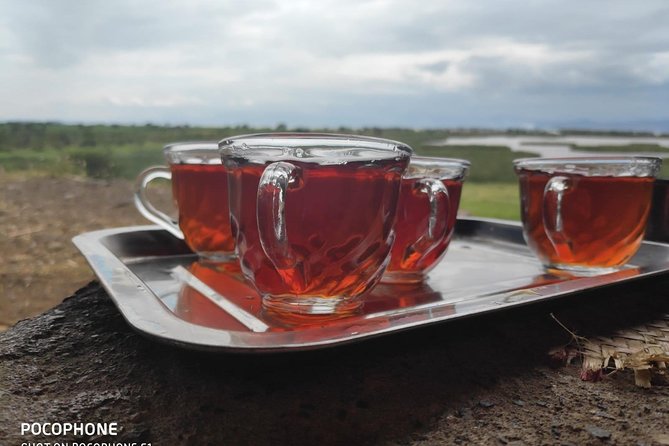
Day three takes you to Mago National Park to visit the Mursi people, then continues to Turmi. The driving time is about six hours, and the schedule also includes encounters with Bena and Hamar communities along the way.
The Mursi are widely known for the lip-plate tradition associated with some women after reaching maturity. The tour presents this as a central cultural subject, but you should approach the visit with respect. A person is not a museum display, and photography should always follow the guide’s instructions and local permission.
The program describes this as a favorite part of the route, but it may not suit everyone. Some people will find the cultural differences fascinating, while others may feel uneasy if the visit becomes too focused on unusual appearance. A good guide makes the difference by explaining customs and helping you engage with people rather than simply observing them.
The afternoon drive to Turmi includes visits connected with the Bena and Hamar peoples. This gives the day a broad sweep, but it also makes the schedule full. You may have limited time at each stop, so ask the guide how long you can expect to spend with each community.
Turmi becomes your base for two nights. That is helpful because it avoids changing hotels after the next day’s Karo visit.
A different sort of day out, same part of Ethiopia:
- Full Day Tour of Addis Ababa with Hotel Pickup and Drop-off
★ 5.0 · 430 reviews - Taste of Ethiopia
★ 5.0 · 406 reviews - Day Trip From Addis Ababa See Historical Monastery,Stunning Nature,Animals,Birds
★ 5.0 · 303 reviews - Addis Ababa: Debre Libanos, Blue Nile Gorge, and Cave Tour
★ 4.5 · 256 reviews
Day 4: Karo People and the Omo River at Korcho
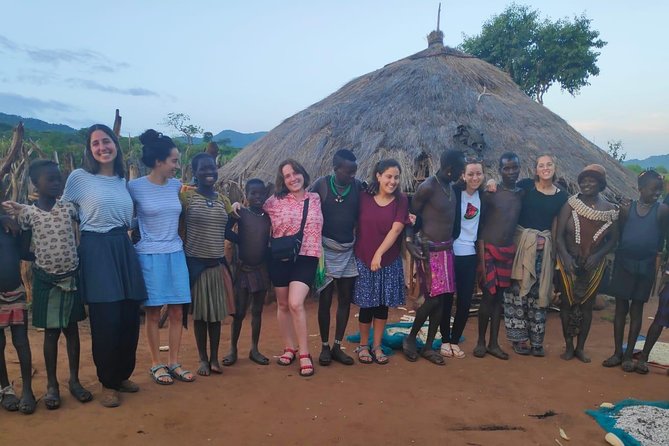
Day four has about five hours of driving and focuses on the Karo village of Korcho. The settlement sits by a panoramic view of the Omo River, giving the visit a strong visual setting as well as a cultural purpose.
The Karo are known for face and body painting and elaborate body decoration. The visit offers a chance to learn how these forms of presentation relate to identity and community life. The Karo population is described as one of the smallest among the Omo Valley peoples, which adds importance to meeting them through a responsible local guide.
The river view is a highlight, but do not expect the day to be only about scenery. The value is in seeing how cultural practices, personal decoration, and place come together. You will want time to listen, observe, and ask questions instead of rushing through a photo stop.
You return to Turmi for a second night. Compared with day three, this should feel more focused, although five hours of road travel still makes it an active day.
Day 5: Dassanech Villages Near the Kenyan Border
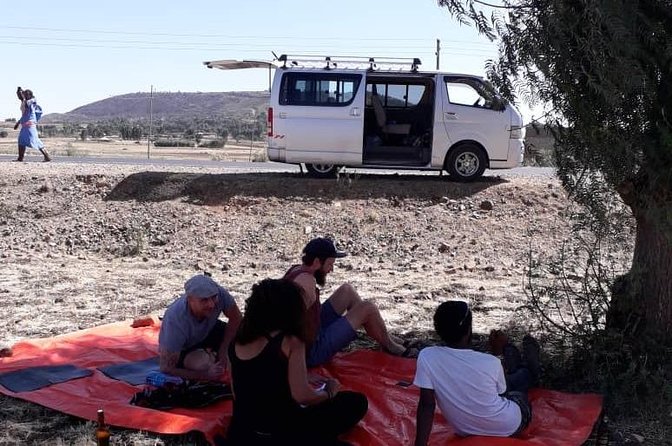
After an early breakfast, you drive toward the Kenyan border to visit the Dassanech people. The drive and activities take about six hours, followed by the return journey to Arba Minch for the night.
The Dassanech visit focuses on hunting, farming, village construction, and daily life. Their settlements provide another useful comparison with the communities seen earlier. You may also get to see dancing, since the Dassanech are known for it, though the wording of the program makes clear that this is not guaranteed.
This is a demanding day because the route reaches the border area and then turns back toward Arba Minch. The long return means you should be prepared for a late arrival or a tired evening. Still, the visit gives the trip a wider geographic and cultural range than a route staying around Jinka and Turmi.
The backtracking is the practical cost of fitting several communities into seven days. If you want extended time in the Omo Valley, a longer private itinerary would likely feel less hurried. If your time is limited, this day gives you an efficient way to add the Dassanech experience.
Day 6: Lake Chamo Wildlife and Hawassa
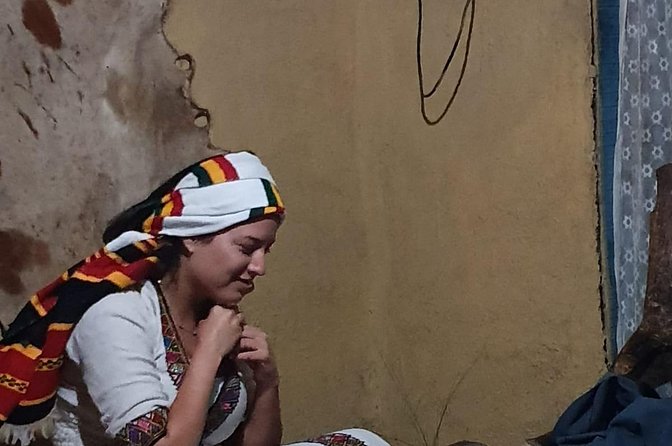
Day six begins with a boat trip on Lake Chamo, described as Ethiopia’s second-largest lake. The excursion is intended to show you some of Africa’s largest crocodiles, along with hippos, several types of birds, and monkeys.
This is a welcome change after several days focused mainly on human culture and road travel. From a boat, you get a different view of the lake and its wildlife. The program calls this one of Ethiopia’s most interesting boat trips, but wildlife sightings are naturally not fully controllable.
After the boat ride, you drive to Hawassa in the afternoon and walk along the shoreline of Lake Hawassa. The total travel time is about six hours, so the lake activities are set within another full day rather than a slow break.
The move to Hawassa also shifts the mood of the journey. After the remote southern stops, you are heading back toward a larger city and the final return to Addis Ababa. It is a useful transition, though you should not expect a full free afternoon.
Day 7: Hawassa Fish Market and Return to Addis Ababa
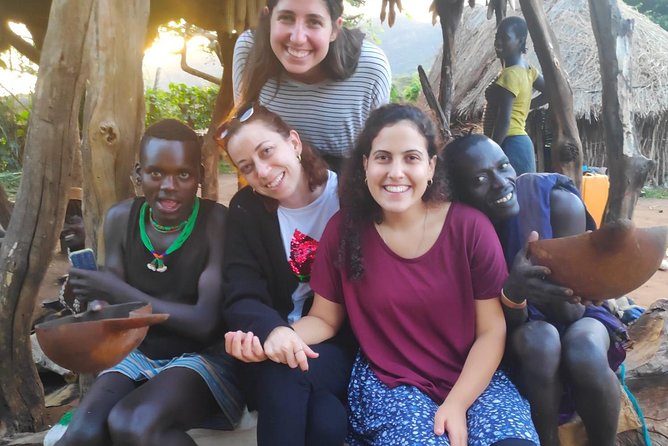
The final morning begins at Hawassa’s market, often nicknamed the Fish Market. You can watch local fish being sold and prepared and meet fishermen. This is a practical, everyday scene, and it offers a different kind of cultural contact from arranged village visits.
After the market, you drive back to Addis Ababa. The return takes about five hours, with lunch and lake views along the way. The itinerary lists an overnight in Addis Ababa, so check if your own accommodation is included or if you need to arrange it separately.
The final day is not just a transfer. The fish market gives you one last look at local work and trade before the trip ends. Still, if you have an evening flight, confirm the arrival time carefully, since road conditions and stops can affect the schedule.
The Cultural Approach and the Role of the Guide
The success of this trip depends heavily on the guide. The strongest praise connected with Ethiopian Wanderer Tours concerns personal service, local relationships, flexibility, and the ability to make a trip feel individual. Abebe is described as accommodating requests and helping groups spend suitable time at places of interest. Another account credits Desta with strong local connections and broad familiarity with the communities along the route.
That matters in the Omo Valley. Cultural visits can become shallow if they are reduced to quick photographs and a few memorized facts. A local guide can help explain what you are seeing, introduce you appropriately, manage practical details, and make clear when photography is acceptable.
I would confirm the guide’s name, language ability, and experience with your specific route before departure. Also ask how village payments, photography fees, park costs, and local guides are handled. The listed price excludes landing and facility fees, but it does not explain each possible charge.
Price, Transport, and What You Receive
At $1,835 per person, this is a substantial seven-day expense. The value depends on what you want from the trip. You receive private transportation in an air-conditioned vehicle and a route that covers a large portion of southern Ethiopia. You also avoid having to coordinate several remote transfers yourself.
The cost is easier to justify for a private group that wants a dedicated vehicle and guide. It may feel high if you are comparing it with a basic shared trip or if you expected accommodation, meals, park fees, boat charges, and cultural fees to be included.
The included items specifically list private transportation and an air-conditioned vehicle. Landing and facility fees are not included. Accommodation, meals, entrance fees, boat charges, and local guide payments are not clearly itemized, so ask for a written breakdown.
The eight-hour first-day drive and repeated five to six-hour transfers are central to the price calculation. You are paying for access and logistics across a large area, not seven days of sightseeing at one base. That is the right way to judge the cost.
Who Will Enjoy This Route Most
I would recommend this trip to you if you want a concentrated introduction to southern Ethiopia and prefer a private arrangement. It suits people who are comfortable with early starts, long drives, basic uncertainty, and a schedule that keeps moving.
It is especially useful for first-time visitors who want to combine cultural stops with wildlife and city markets. The Dorze, Konso, Mursi, Hamar, Bena, Karo, and Dassanech visits create a wide range of experiences in one week.
I would be more cautious if you need a slow holiday, dislike rough road travel, or want long, unhurried conversations in each community. The schedule is ambitious, and the most remote sections require stamina.
Because the tour requires good weather, a cancellation caused by poor conditions can result in a different date or a full refund. You can also cancel for a full refund if you do so at least 24 hours before the start time. Changes or cancellations inside that window are not accepted or refunded.
Should You Book the Omo Valley Tour?
Book it if you want maximum cultural variety in seven days, private transport, and a guide-led route through places that are difficult to organize independently. The mix of Dorze homes, Konso terraces, Mursi traditions, Karo decoration, Dassanech villages, Lake Chamo wildlife, and Hawassa’s fish market gives the trip real range.
Before booking, get clear answers about accommodation, meals, excluded fees, boat costs, photography rules, and the exact guide. If those details suit your budget, the tour offers a practical and memorable introduction to southern Ethiopia.
FAQ
Where does the tour start and finish?
The tour starts in Addis Ababa, Ethiopia, with pickup offered. It returns to Addis Ababa on day seven after the drive from Hawassa.
How long does the tour last?
The experience lasts approximately seven days, with overnight stops in Arba Minch, Jinka, Turmi, Hawassa, and Addis Ababa.
Is this a private tour?
Yes. Only your group participates in the activity.
What type of transportation is included?
Private transportation in an air-conditioned vehicle is included.
How much does the tour cost?
The listed price is $1,835 per person.
Which Omo Valley communities are included?
The route includes visits connected with the Dorze, Konso, Mursi, Bena, Hamar, Karo, and Dassanech peoples.
Is a boat trip included?
The itinerary includes a boat trip on Lake Chamo to look for crocodiles, hippos, birds, and monkeys.
Can I cancel for a full refund?
Yes, you can receive a full refund if you cancel at least 24 hours before the experience start time. If poor weather causes cancellation, you will be offered another date or a full refund.
New on the Addis Ababa list
- Yod Abyssinia Cultural Night: Dinner, Music, and Dance★ 5.0 · 7 reviews
- Locally crafted beer and wine tasting and nightlife in Addis tour★ 5.0 · 6 reviews
- Addis Ababa City Tours Full-Day Tours★ 5.0 · 5 reviews
- Stunning Views Wonchi Crater Lake a Private Day Trip★ 5.0 · 3 reviews
- Visiting the wonders of Lalibela in Three (3) days and Two ( 2) nights★ 5.0 · 2 reviews
- Unique Ethiopian Cooking Class and Coffee Ceremony with a Local in Addis Ababa★ 4.5 · 7 reviews
- Tribes of the Ethiopian Omo Valley – 9 Day Tour★ 5.0 · 5 reviews
- Two days Lake Wenchi and Menagesha Forest★ 5.0 · 3 reviews
Omo Valley Tribe Tours, compared.
6 Days Omo Valley Tribes Tours From Addis Ababa
Read our review →
Lalibela, Axum, Danakil and Omo Valley 8 DAYS
Read our review →

3 days around Arbaminch and Konso Adventure Tours Life Time
Read our review →Danakil Depression, Lalibela, Omo Valley and Simien Mountains
Read our review →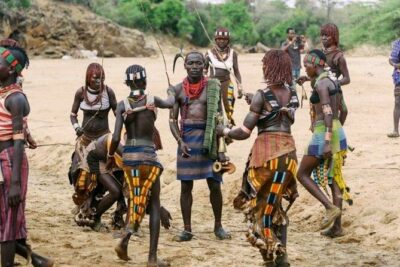

Browse the lists this tour appears in