
Reviewed · OMO VALLEY TRIBE TOURS
7 Days Private Tour to Omo Valley Cultural and Addis Ababa
Ethiopia opens slowly, then all at once. This seven-day private journey links Addis Ababa’s museums and markets with the far south’s villages, wildlife, and ceremonial traditions. I like the way it combines major sights such as Lucy at the National Museum with lesser-known stops including Dorze, Dassanech, Karo, Ari, Hamer, and Mursi communities. I also like the practical package: hotel pickup, private transport, six nights of lodging, complimentary meals, and an educational local guide.
The main drawback is the pace. You cover long distances between Addis Ababa, Arba Minch, Konso, Turmi, Jinka, and the Lower Omo Valley. Several days include four to six hours at a stop, but that does not include every road transfer. You should be comfortable with a demanding schedule, basic rural conditions, and a moderate level of physical activity.
This is best for someone who wants cultural contact and variety rather than a relaxed resort holiday. It is also a useful choice if you prefer a private group, since only your party takes part. Names such as Tarik and Adamu have been praised for personal support, so ask when booking whether they will be involved in your departure.
In This Review
- Key points to know before booking
- Addis Ababa in one full day
- Arba Minch and the Dorze highlands
- Konso terraces and the road to Turmi
- Dassanech homes and Dimeka market possibilities
- Karo art along the Lower Omo River
- Mago National Park and the Mursi settlement
- Returning to Addis Ababa for food and music
- What the $1,899 price offers
- Who should book this Omo Valley journey?
- Should you book the seven-day tour?
- FAQ
- What is the duration of the tour?
- What time does the tour start?
- Is hotel pickup available?
- Is this a private tour?
- How many nights of lodging are included?
- Are meals included?
- What level of fitness is required?
- Which Addis Ababa attractions are included?
- Which communities are included in the route?
- Can I cancel for a full refund?
Key points to know before booking

- The trip starts with Addis Ababa’s essential sights: Lucy, Mount Entoto, St. George’s Cathedral, and Mercato give you a strong introduction to Ethiopia.
- The Omo Valley visits are spread across several communities: You see different languages, clothing, homes, farming practices, hairstyles, and ceremonies rather than one generic version of local culture.
- Private transport matters here: The schedule covers a large area, and a private vehicle gives your group more control over stops and timing.
- Dorze and Konso offer especially strong cultural context: Beehive-shaped homes, weaving, terraces, stone walls, and farming traditions show how people have adapted to their surroundings.
- Mago National Park adds wildlife and scenery: The Mursi visit is paired with a national park setting rather than treated as an isolated village stop.
- The final evening includes food, coffee, music, and dance: It gives you a lively closing look at several Ethiopian cultural traditions before departure.
Addis Ababa in one full day

Your first day begins at 8:00 a.m. with a hotel pickup in Addis Ababa. The capital can feel busy and sprawling, so starting with a guide and private vehicle is useful. You do not have to spend your first morning figuring out taxis, museum locations, or the best route between widely separated sights.
The National Museum of Ethiopia is the right first stop. Give it the full two hours listed in the schedule. Its best-known object is Lucy, the partial fossil skeleton of Australopithecus afarensis. The museum also holds archaeological and artistic material that helps place Ethiopia within the long story of human development.
Lucy is not a quick photo stop. I would listen carefully to the guide here, because the museum matters most when the objects are explained rather than simply viewed behind glass. Admission is included, which makes this an easy and worthwhile opening visit.
Next comes Mount Entoto, the high point overlooking Addis Ababa. The stop lasts about an hour and is free, but the view is the real attraction. From above, you can see the capital spread through the mountain foothills. The site is also linked with Emperor Menelik II and Empress Taitu, who are said to have first viewed the future capital from here.
The elevation and open viewpoint make this a refreshing change from the city streets. Bring a light layer, since mountain air can feel cooler than central Addis Ababa. The stop is short, but it gives you a useful sense of the city’s setting.
St. George’s Cathedral adds religious and political history to the day. Its octagonal design is unusual, and the building has a direct connection to the Battle of Adwa in 1896. Italian prisoners of war helped construct it, and the church was later destroyed by Italian Fascist authorities in 1937 before being rebuilt after liberation in 1941.
Allow about 45 minutes. This is not a long church tour, but the building rewards close attention to its shape and story. Dress respectfully for the cathedral, and let your guide explain the customs before you enter.
The day ends at Mercato, described as Africa’s largest open-air market. With thousands of businesses spread over a broad area, it is not a tidy market arranged for sightseeing. It is a working commercial district selling coffee, clothing, vegetables, spices, building supplies, and other goods.
A guide is especially valuable here. The recycling market and crowded lanes can be confusing without local direction. Keep your belongings secure, follow your guide’s advice, and accept that this stop is more about watching everyday commerce than shopping for polished souvenirs. Two hours gives you time to look around without turning the visit into an exhausting march.
More Omo Valley Tribe Tours in Addis Ababa
- 6 Days Omo Valley Tribes Tours From Addis Ababa
★ 5.0 · 33 reviews - 3 Days Omo Valley Tour
★ 5.0 · 24 reviews - Danakil Depression, Lalibela, Omo Valley and Simien Mountains
★ 5.0 · 23 reviews
Arba Minch and the Dorze highlands
Day two brings a sharp change in scenery and rhythm. At Arba Minch, you spend about an hour at the famous 40 Springs. A viewpoint gives you a broad look at the water and surrounding greenery, followed by a walk on shaded paths.
The stop is brief, but it breaks up the overland route and adds a natural setting to a tour otherwise centered on culture. Your guide can explain the importance of the springs and local stories connected with them. The tour description also refers to flora and fauna, so this is a place to slow down and look around rather than rush from one photo point to another.
The Dorze visit requires about an hour of uphill driving to Chencha. That road transfer is worth noting, because the village sits in a different environment from the lower Omo settlements. The Dorze are part of the wider Omotic language group and were once known as warriors. Today, farming and weaving are central to their livelihoods.
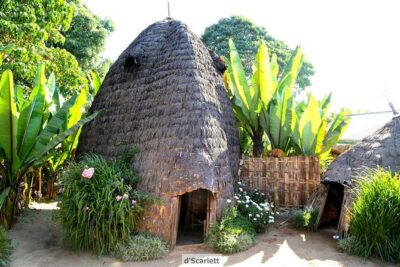
Dorze weaving has a strong reputation, and cotton cloth is an important part of the visit. You can expect to learn about the work itself as well as the homes and gardens. The tall bamboo houses are shaped like beehives, sometimes reaching up to 12 meters, with an upper profile described as an aristocratic nose.
These homes are not empty displays. Each one has a small garden, with enset, spices, cabbage, and tobacco. Enset is often called false banana, and it plays an important role in southern Ethiopian farming. Seeing the home, garden, and craft together helps you understand how daily life is organized.
Allow about three hours at Dorze. That is enough time for a guided look at the village and its weaving traditions, though the drive makes the day feel longer than the stop times suggest. I would choose comfortable shoes and keep water close at hand.
Konso terraces and the road to Turmi

On day three, the route reaches Konso before continuing toward Turmi. Konso is recognized by UNESCO for its cultural landscape, including stone-walled villages and communal terrace systems. The terraces are one of the most important parts of the stop because they show organized, long-term work to farm difficult ground.
This is a place where the guide’s explanation makes a major difference. Stone walls and terraces can look like simple construction until you understand their role in soil protection, farming, and community labor. The scheduled three hours give you time to see more than a passing viewpoint.
The journey then continues to Turmi, home of the Hamer people. The visit is allotted about four hours, but the road between stops is a serious part of the day. You are covering remote southern Ethiopia, not moving between nearby city attractions.
The Hamer are known for striking hairstyles and for their welcoming manner. The strongest approach is to treat this as a meeting with a living community, not a staged performance. Ask your guide about appropriate behavior, photography, and any local customs before taking pictures. The tour emphasizes local-led visits, which is important when entering communities with traditions unfamiliar to you.
Turmi works well as a base for the next day’s visits. The region is also a useful reminder that the Omo Valley is not one single culture. Groups may live within the same broad area while speaking different languages and following different traditions.
Dassanech homes and Dimeka market possibilities
Day four takes you to a Dassanech village, also spelled Dasenech or known as Geleb. This Cushitic-speaking group lives in the southern Omo Valley, especially around the Omorate District near the Ethiopia-Kenya border. The visit is planned for about four hours.
The location matters. You are not only seeing houses or clothing, but learning about a community living near an international border and along the southern Omo corridor. The Dassanech population is listed at 47,440, placing this community within a much larger social world than the small village setting may first suggest.
The tour information does not promise a specific ceremony on a given day. That is worth remembering. Cultural visits can change with local schedules, weather, and community availability, so approach the stop with curiosity rather than a fixed expectation of a particular performance.
Later, you visit a Hamer village near Turmi to learn about housing, music, coffee, and daily life. If the timing falls on Saturday, the route includes Dimeka market. This is one of the schedule’s useful flexible details. A market day can add another layer to the trip, but it depends on the day of the week.
Coffee deserves attention here. Ethiopia’s coffee culture is not a small side note, and the tour includes discussion of coffee in the Omo region as well as a coffee ceremony at the final dinner. If you enjoy food traditions, ask the guide to explain how coffee fits into social life rather than treating it as just a tasting.
A different sort of day out, same part of Ethiopia:
- Full Day Tour of Addis Ababa with Hotel Pickup and Drop-off
★ 5.0 · 430 reviews - Taste of Ethiopia
★ 5.0 · 406 reviews - Day Trip From Addis Ababa See Historical Monastery,Stunning Nature,Animals,Birds
★ 5.0 · 303 reviews - Addis Ababa: Debre Libanos, Blue Nile Gorge, and Cave Tour
★ 4.5 · 256 reviews
Karo art along the Lower Omo River

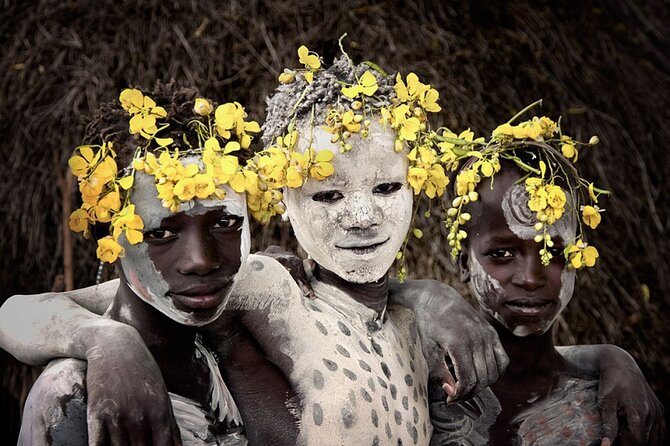
Day five is devoted to the Karo people and allows about six hours. That longer stop reflects the value of the visit. The Karo are an agriculturalist community of fewer than 1,000 people in the Lower Omo River area, and their artistic traditions are central to how they express identity.
You may see elaborate headdresses, body painting, and scarification connected with ceremony and cultural meaning. These details should not be treated as costume decoration. They carry symbolism, and the guide’s role is to help you understand that context.
This is also one of the days when respectful conduct matters most. Ask before photographing people, avoid reducing a complex tradition to a quick image, and listen when your guide explains what is appropriate. A private tour gives you more room to ask questions, which is a real advantage here.
The six-hour visit can feel slow in the best way, but the total day may still be tiring because of the remote route. If you want a quick checklist holiday, this is not the right format. If you want time to look, listen, and understand the meaning behind what you see, it is one of the stronger sections of the trip.
Mago National Park and the Mursi settlement

Day six combines Mago National Park with Jinka. The park visit takes about four hours and includes a Mursi settlement. This pairing gives the day more balance: you have a natural setting as well as a cultural visit.
The Mursi are known for low homes made from straw and leaves. Mursi women are also known for expanded lower lips and decorated earlobes, including the use of terracotta. These practices can be visually striking, but the useful question is why they matter within Mursi society. Your guide should provide that context.
Do not expect the Mursi stop to function like a museum exhibit. You are entering a community, and the quality of the encounter depends on patience and respect. The private format allows you to discuss what you have seen with your guide rather than simply moving on with a large crowd.
Jinka is home to the Ari, the largest population group in the central Omo Valley. The Ari are associated with pottery, and women may wear skirts made from enset. This stop adds another example of how plants, clothing, and craft connect to daily life in the region.
Three hours in Jinka gives the day a proper second half. It also helps you compare the Ari with the communities visited earlier. The Omo Valley becomes easier to understand when you notice differences in language groups, building styles, food sources, and artistic traditions.
Returning to Addis Ababa for food and music

On day seven, you go to Jinka Airport for the flight back to Addis Ababa. The schedule gives the final day about eight hours, including the transfer and evening program. The airport transfer is built into the arrangement, which removes one more piece of planning at the end of a demanding route.
The final evening features a folkloric dinner with dances from several Ethiopian ethnic groups, traditional dishes, and a coffee ceremony. It is a lively closing event and gives you a broad national view after spending much of the week focused on southern communities.
The dinner is also a chance to make sense of the trip. You have seen several local cultures in their own settings, while the Addis Ababa program presents traditions from across the country in one place. I would treat it as a cultural overview rather than a substitute for the village visits.
Later, you are taken to the airport for departure. Check your flight details carefully when planning the day, since the exact timing of the return flight is not provided.
What the $1,899 price offers
At $1,899 per person, this is not a low-cost road trip. Its value comes from the amount of organization packed into seven days: private transportation, hotel pickup, six nights of lodging, complimentary meals, a local guide, and visits across a large area of Ethiopia.
The private format is particularly important. You are not sharing the entire schedule with a large group, and only your own party participates. That can make a real difference during village visits, market stops, and long road days. It also gives you more space to ask questions and adjust the pace within the planned route.
The price is easier to justify if you would otherwise need to arrange several vehicles, domestic travel, rural lodging, park access, village visits, and local coordination on your own. The available information does not specify every included expense, hotel category, flight cost, or meal list, so ask for those details before paying.
The main value is not luxury. It is access and structure. You get a local-led route through places that are difficult to connect efficiently without help. Just keep your expectations practical: the schedule is ambitious, and remote travel rarely follows the neat timing of a city sightseeing day.
Who should book this Omo Valley journey?
I would recommend it to you if you want:
- A private trip rather than a shared coach tour
- Direct contact with several southern Ethiopian communities
- A mix of museums, markets, wildlife, villages, and food traditions
- A guide who can explain local history and customs
- A structured route with transport and lodging arranged
- A demanding trip that covers a lot in one week
I would be cautious if you need generous rest days, dislike long transfers, or want a polished luxury itinerary. The tour requires moderate physical fitness, and the rural visits may involve uneven paths and simple village conditions.
Confirmation is provided at booking. Pickup is offered, and the tour is near public transportation, though the private vehicle remains the key way you move between remote stops. Free cancellation is available up to 24 hours before the start time for a full refund. Weather or minimum group requirements can also lead to a changed date or full refund.
Should you book the seven-day tour?
Book this tour if the Omo Valley is your main reason for visiting Ethiopia and you want a well-organized private route. The strongest parts are the range of communities, the Dorze and Konso visits, the Mago National Park and Mursi combination, and the practical support from local staff.
Before booking, confirm the exact accommodation, domestic flight arrangements, meal details, and who will guide your group. Ask whether Tarik or Adamu will be part of the team if their support is important to you. If you accept long travel days and approach village visits with respect, this offers substantial cultural access for one week.
FAQ
What is the duration of the tour?
The tour lasts approximately seven days and includes Addis Ababa, Arba Minch, Dorze, Konso, Turmi, the Lower Omo Valley, Mago National Park, Jinka, and a return to Addis Ababa.
What time does the tour start?
The stated start time is 8:00 a.m.
Is hotel pickup available?
Yes. Pickup is offered, and confirmation is received at the time of booking.
Is this a private tour?
Yes. Only your group participates in the private activity.
How many nights of lodging are included?
The tour summary includes six nights of lodging.
Are meals included?
Complimentary meals are included, although a detailed meal list is not provided.
What level of fitness is required?
A moderate level of physical fitness is recommended.
Which Addis Ababa attractions are included?
The Addis Ababa portion includes the National Museum of Ethiopia, Mount Entoto, St. George’s Cathedral, Mercato, and a folkloric dinner with traditional food, music, dancing, and a coffee ceremony.
Which communities are included in the route?
The route includes visits connected with the Dorze, Hamer, Dassanech, Karo, Mursi, and Ari communities.
Can I cancel for a full refund?
Yes, if you cancel at least 24 hours before the experience start time. Cancellations made less than 24 hours in advance are not refunded. If poor weather or failure to meet the minimum number of participants causes cancellation, you are offered another date or a full refund.
New on the Addis Ababa list
- Yod Abyssinia Cultural Night: Dinner, Music, and Dance★ 5.0 · 7 reviews
- Locally crafted beer and wine tasting and nightlife in Addis tour★ 5.0 · 6 reviews
- Addis Ababa City Tours Full-Day Tours★ 5.0 · 5 reviews
- Stunning Views Wonchi Crater Lake a Private Day Trip★ 5.0 · 3 reviews
- Visiting the wonders of Lalibela in Three (3) days and Two ( 2) nights★ 5.0 · 2 reviews
- Unique Ethiopian Cooking Class and Coffee Ceremony with a Local in Addis Ababa★ 4.5 · 7 reviews
- Tribes of the Ethiopian Omo Valley – 9 Day Tour★ 5.0 · 5 reviews
- Two days Lake Wenchi and Menagesha Forest★ 5.0 · 3 reviews
Omo Valley Tribe Tours, compared.
6 Days Omo Valley Tribes Tours From Addis Ababa
Read our review →
Lalibela, Axum, Danakil and Omo Valley 8 DAYS
Read our review →

3 days around Arbaminch and Konso Adventure Tours Life Time
Read our review →Danakil Depression, Lalibela, Omo Valley and Simien Mountains
Read our review →

Browse the lists this tour appears in