
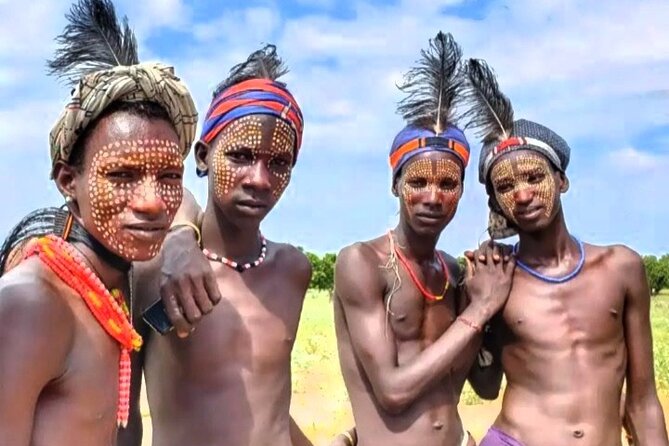
Reviewed · OMO VALLEY TRIBE TOURS
9 days Omo Valley Tribes and Photography Tour
Ethiopia gets personal fast. This nine-day private journey links Addis Ababa, the Lower Omo Valley, tribal villages, wildlife areas, lakes, and mountain roads in one demanding but rewarding route. I like the mix of cultural visits and outdoor scenery, and I like that private transport lets your group follow a flexible pace instead of joining a large coach.
The strongest part is the care promised by guide Haile of Sycamore Ethiopia Tours. Several guests described feeling treated like family, and one praised the professional service on a nine-day photography and safari trip. The main caution is the pace: several days involve seven to ten hours on the road, and this tour is not recommended for anyone with health problems.
In This Review
- Key things to know before booking
- Addis Ababa opens the trip with Lucy and city views
- Flying to Jinka and meeting the Ari community
- Mago National Park and the Mursi visit
- Omorate, the Omo River, and Hamer villages
- Karo villages and the long road to Konso
- Konso terraces and the move to Arba Minch
- Chamo Lake crocodiles and Dorze bamboo homes
- Hawassa, mountain roads, and the final lake
- Hawassa fish market and the return to Addis Ababa
- What the tour includes, and what it does not
- Comfort, fitness, and the private format
- Why the guide can make or break this journey
- Is this Omo Valley tour worth booking?
- FAQ
- How long is the Omo Valley photography tour?
- Where does the tour begin?
- Is pickup offered?
- Is this a private tour?
- What is the main cultural focus?
- Which flight is included?
- Are meals included?
- What wildlife can you see?
- What is not included in the tour price?
- Can I cancel for a full refund?
Key things to know before booking

- The Lower Omo Valley is the heart of the trip: You visit Mursi, Hamer, Dassanech, Karo, Konso, Dorze, Wolayta, and Sidamo communities.
- You fly only once: The route begins with a flight from Addis Ababa to Jinka, then continues by private road transport.
- Photography is a central theme: The schedule includes villages, markets, sunset views, wildlife, boats, and distinctive homes.
- Wildlife comes in smaller doses: Mago National Park, Chamo Lake, aquatic birds, Nile crocodiles, and birds around Ziway Lake add variety.
- Road time is substantial: Days five through nine can be long, with one listed day lasting about ten hours.
- The listed price is $0.00: Treat that as a placeholder or display issue and confirm the actual price before making plans.
Addis Ababa opens the trip with Lucy and city views
Your first day gives you a useful introduction to Ethiopia before the southern route begins. The National Museum is the main historical stop, with the fossil remains of Lucy as its star attraction. The visit is planned for about one hour, which is enough for a focused look rather than an all-day museum session.
I like starting here because Lucy gives the rest of the journey a larger human context. You are not simply moving between photo stops. You are beginning in a country known for some of the oldest evidence of human ancestry, then heading toward communities whose daily customs remain closely tied to local land and tradition.
From the museum, the tour goes up to Entoto Natural Park. The hill provides broad views over Addis Ababa and a chance to see the city from above. The stop lasts about an hour, so bring your camera and use the time for wide views rather than expecting a long hike.
Trinity Cathedral follows. Built by Emperor Haile Selassie in 1944, it is one of the important Orthodox Christian churches in Addis Ababa. The visit adds a religious and political layer to the city tour.
The final stop is Merkato, described as one of Africa’s largest open markets. You will see different sections where local people conduct business. This is a short one-hour visit, so you should expect a quick introduction to the market rather than an extended shopping expedition.
The day is listed as a two-hour city tour plus separate visits, so the schedule may feel full once driving between stops is included. That is useful to remember if you are arriving after a long international flight.
More Omo Valley Tribe Tours in Addis Ababa
- 6 Days Omo Valley Tribes Tours From Addis Ababa
★ 5.0 · 33 reviews - 3 Days Omo Valley Tour
★ 5.0 · 24 reviews - Danakil Depression, Lalibela, Omo Valley and Simien Mountains
★ 5.0 · 23 reviews
Flying to Jinka and meeting the Ari community

On day two, you fly from Addis Ababa to Jinka. This is the tour’s only included flight, and it saves you from spending another full day on the road before reaching the southern region.
Jinka is the practical base for the first Omo Valley visits. The plan includes the Jinka Museum and an Ari village. The museum can help you understand the local communities and setting before you begin village visits, while the Ari stop gives you an early look at life around Jinka.
The day is listed at about three hours, which makes it one of the lighter days. That is welcome after the city tour and flight. You may have time to settle into the area rather than rushing straight into a long road excursion.
Mago National Park and the Mursi visit
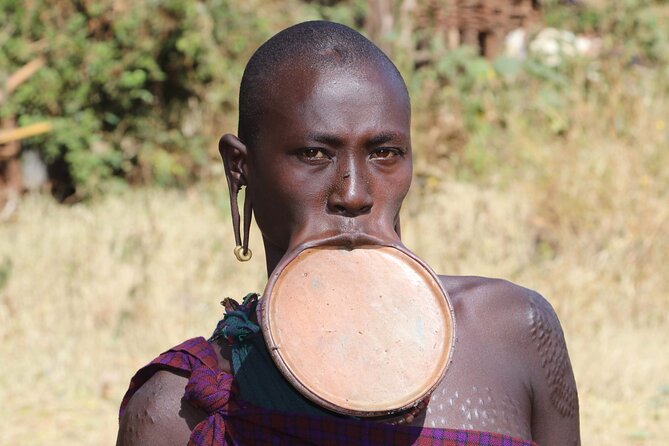
Day three begins with a morning drive to Mago National Park to visit a Mursi village. The Mursi are widely associated with lip plates, and this is one of the most recognizable cultural encounters on the route.
You should approach this stop with care. A village visit is not simply a photo backdrop. Ask your guide how to behave, when photography is appropriate, and how any local payments are handled. The tour is designed for photography, but respectful contact matters more than getting a dramatic image.
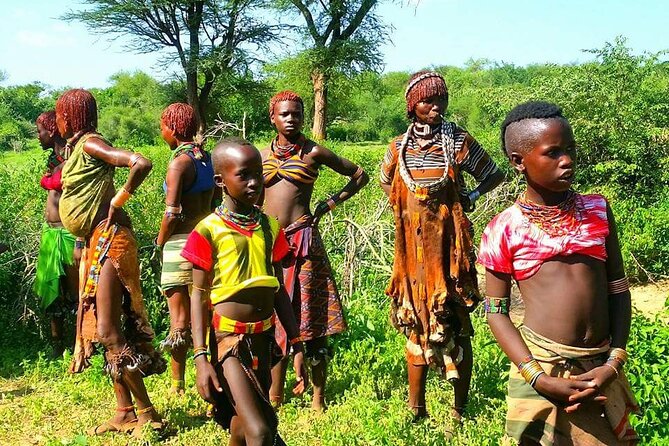
The afternoon drive goes southwest toward Turmi, the main center for Hamer communities. The day is planned for about seven hours, so the road itself becomes a major part of the experience. You will see the scenery change as the tour moves farther from Jinka and toward the Lower Omo Valley.
The benefit of private transport is clear here. Your own group can make practical stops and manage camera equipment without the fixed routine of a large bus. The tradeoff is that rough or tiring road conditions may feel more noticeable in a long private vehicle day.
Omorate, the Omo River, and Hamer villages
Day four heads from Turmi to Omorate, close to the Ethiopia-Kenya border. Here you visit Dassanech communities and cross the Omo River by local boat. The river flows toward Lake Turkana in Kenya, giving this stop a strong geographic sense of the southern region.
The boat ride is not described as a long cruise, but it adds movement and a different view of the river corridor. You will also have a chance to see villages settled near the border area. Keep your camera ready, but follow the guide’s advice about photographing people.
After returning to Turmi for lunch, the schedule continues with a Hamer village visit in the late afternoon. The timing is useful for photography because the light is softer toward sunset. It also creates a pleasant change from the heat and road time earlier in the day.
This is another seven-hour day. You will want comfortable clothing, water, and a way to protect your camera gear from dust. The itinerary includes breakfast, lunch, and dinner each day, but it does not specify menus, so tell the operator about dietary needs before departure.
A different sort of day out, same part of Ethiopia:
- Full Day Tour of Addis Ababa with Hotel Pickup and Drop-off
★ 5.0 · 430 reviews - Taste of Ethiopia
★ 5.0 · 406 reviews - Day Trip From Addis Ababa See Historical Monastery,Stunning Nature,Animals,Birds
★ 5.0 · 303 reviews - Addis Ababa: Debre Libanos, Blue Nile Gorge, and Cave Tour
★ 4.5 · 256 reviews
Karo villages and the long road to Konso
Day five is one of the hardest and most rewarding days. You leave early to visit the Karo communities near the Omo River, then return through Turmi and stop at Dimeka, a small Hamer town known for its large Saturday market.
The market date matters. If your schedule does not place this day on a Saturday, you should ask the operator how the visit will be adjusted. A tribal market can offer a broader look at local trade than a short village stop, but it is worth confirming the exact timing before you book.
After Dimeka, you continue toward Konso by way of Woyto. The route includes spectacular roads and is expected to take about eight hours. You arrive in Konso late in the afternoon for the night.
This day works best for people who accept that road travel is part of the tour, not dead time between attractions. I like the progression from river communities to a market and then into Konso, but I would not choose this itinerary if you need short transfers and plenty of downtime.
Konso terraces and the move to Arba Minch
Konso receives its own morning on day six. The communities here are known for terraced farming areas and distinctive villages. The visit is followed by the Konso Museum, scheduled until midday.
The terraces are important because they show how people have shaped steep or difficult ground for agriculture. The village visit is not only about architecture or photographs. It also gives you a chance to see how settlement patterns and farming methods connect.
After lunch, you drive north to Arba Minch, the capital of the Gamo Zone. The afternoon transfer takes about eight hours in total for the day, and you should arrive late afternoon. The plan allows time to relax at your hotel and enjoy views around Arba Minch.
That pause is well placed. The first half of the tour focuses heavily on remote communities and long drives. Arba Minch provides a change of setting before the lake and Dorze visits.
Chamo Lake crocodiles and Dorze bamboo homes
Day seven starts with a short drive of about 12 kilometers to Chamo Lake. A boat trip takes you out to see large Nile crocodiles and aquatic birds. This is one of the tour’s clearest wildlife stops, and it breaks up the steady focus on villages.
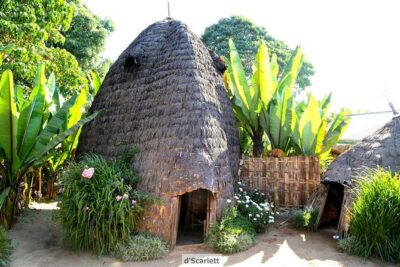
The boat trip lasts until midday, followed by lunch in Arba Minch. In the afternoon, you drive about 30 kilometers to Dorze village. Dorze is known for traditional bamboo houses and weaving.
The combination works well. Chamo Lake gives you wildlife and open water, while Dorze shifts your attention to homes, craft, and village life. You can use a wide lens for the tall bamboo structures and a shorter lens for details, but always ask before photographing people or entering private areas.
The day lasts about seven hours. It is still active, but it is more varied than the long road days around the Omo River.
Hawassa, mountain roads, and the final lake
Day eight covers about 272 kilometers to Hawassa, also spelled Awasa in the schedule. The road passes through green mountains and includes a stop in Sodo to see Wolayta and Sidamo communities.
This is another seven-hour day, so you will spend much of it in the vehicle. The benefit is the changing scenery and the chance to see how the region differs from the drier Lower Omo Valley. The stop in Sodo adds cultural variety before you reach the lake city.
After arriving around midday, you visit Hawassa Lake and see highlights of the city. The lake gives you an easier afternoon after the long transfer. As with Chamo Lake, the water and birdlife can offer different subjects for photographers who have spent most of the tour taking village images.
Hawassa fish market and the return to Addis Ababa
The final day begins with a visit to the fish market in Hawassa. This is an early, lively stop and a strong way to finish the southern portion of the journey. It gives you a view of local commerce rather than a staged cultural presentation.
You then drive back to Addis Ababa, with a stop near Ziway Lake to see birds. The return journey is listed at about ten hours, making it the longest day in the schedule. Plan for a full day on the road, even though the itinerary includes several sights along the way.
You reach Addis in the late afternoon. The evening includes a farewell program, followed by airport transfer for your flight home. Since the tour includes one flight but not international airfare, check that your departure time leaves enough room for the return drive and final arrangements.
What the tour includes, and what it does not
The package includes private transport, accommodation, taxes and fees, one passenger flight, and three meals per day. Breakfast, lunch, and dinner are listed for all nine days.
That is a useful package for a remote route. You are not left arranging separate road transfers between Jinka, Turmi, Omorate, Konso, Arba Minch, Hawassa, and Addis Ababa. Private transport is especially valuable when you carry photography equipment or need to stop along a long road.
The listed price is $0.00, so I would not use that figure to judge value. It is almost certainly incomplete or a display placeholder. Ask Sycamore Ethiopia Tours for the real total and confirm exactly what accommodation, park charges, local boat costs, and the included flight cover.
You pay separately for visa fees, international airfare, alcoholic drinks, tips, and gratuities. Those exclusions are normal, but the final budget can change depending on your nationality, travel dates, and tipping plans.
Comfort, fitness, and the private format
This is a private activity for your group alone. That is a major advantage if you want to spend more time at a market, adjust a photo stop, or avoid the social pressure of a large group.
It is not a soft adventure. The itinerary includes long drives, early starts, a boat crossing, village visits, and several days of seven hours or more. The final return to Addis takes about ten hours. The operator recommends a moderate level of physical fitness and says the tour is not suitable for people with health problems.
Service animals are allowed, and the experience is near public transportation, although most of the actual route is handled by private transport. Confirmation is provided at booking.
The most useful practical step is to ask direct questions before paying: What is the exact accommodation on each night? What is the full price? What are the local photography arrangements? How much luggage can you bring on the Jinka flight? The supplied details do not answer these points.
Why the guide can make or break this journey
The route crosses remote areas where timing, local relationships, and clear communication matter. Haile is repeatedly praised for personal care, family-like treatment, and professional service. One nine-day trip also included Awasa, Langano, Arba Minch, and the Omo Valley, showing that the operator can shape the southern route around a private group’s interests.
That praise is the best reason to consider this company, but it should not replace practical checks. A good guide should explain cultural expectations, help you approach villages respectfully, and keep a long road day organized.
The tour’s strong point is its personal format. You are not buying only a list of stops. You are paying for a guide and driver to connect a complicated region into one route. Confirm who will guide your specific departure, since the details supplied only identify Haile in the customer comments, not as a guaranteed guide for every booking.
Is this Omo Valley tour worth booking?
I would choose this tour if you want a concentrated introduction to southern Ethiopia and value personal service more than comfort or a slow pace. It suits photographers, culturally curious visitors, and people who want villages, markets, wildlife, lakes, and mountain scenery in one private trip.
I would hesitate if you dislike long road journeys, need a predictable luxury standard, or have health concerns. The nine-day plan is ambitious, and the $0.00 price needs clarification before you can judge its real value.
Book after confirming the final cost, hotels, flight details, photography etiquette, and the exact guide. If those answers are satisfactory, this is a strong way to see a wide slice of southern Ethiopia with a private operator that has earned especially warm praise for care and service.
FAQ
How long is the Omo Valley photography tour?
The tour lasts approximately nine days and includes eight nights, according to the tour description.
Where does the tour begin?
The experience begins in Addis Ababa, Ethiopia, with a city tour.
Is pickup offered?
Yes. Pickup is offered.
Is this a private tour?
Yes. It is a private activity, and only your group participates.
What is the main cultural focus?
The route visits Indigenous communities including the Ari, Mursi, Hamer, Dassanech, Karo, Konso, Dorze, Wolayta, and Sidamo.
Which flight is included?
One passenger flight is included. The itinerary specifies a flight from Addis Ababa to Jinka on day two.
Are meals included?
Yes. Breakfast, lunch, and dinner are listed for all nine days.
What wildlife can you see?
The tour includes Nile crocodiles and aquatic birds at Chamo Lake, as well as birds near Ziway Lake. It also includes a visit to Mago National Park.
What is not included in the tour price?
Visa fees, international airfare, alcoholic drinks, tips, and gratuities are not included.
Can I cancel for a full refund?
You can receive a full refund if you cancel at least three full days before the experience start time. Cancellations within three full days are not refunded, and changes during that period are not accepted. If poor weather causes cancellation, you will be offered another date or a full refund.
New on the Addis Ababa list
- Yod Abyssinia Cultural Night: Dinner, Music, and Dance★ 5.0 · 7 reviews
- Locally crafted beer and wine tasting and nightlife in Addis tour★ 5.0 · 6 reviews
- Addis Ababa City Tours Full-Day Tours★ 5.0 · 5 reviews
- Stunning Views Wonchi Crater Lake a Private Day Trip★ 5.0 · 3 reviews
- Visiting the wonders of Lalibela in Three (3) days and Two ( 2) nights★ 5.0 · 2 reviews
- Unique Ethiopian Cooking Class and Coffee Ceremony with a Local in Addis Ababa★ 4.5 · 7 reviews
- Tribes of the Ethiopian Omo Valley – 9 Day Tour★ 5.0 · 5 reviews
- Two days Lake Wenchi and Menagesha Forest★ 5.0 · 3 reviews
Omo Valley Tribe Tours, compared.
6 Days Omo Valley Tribes Tours From Addis Ababa
Read our review →
Lalibela, Axum, Danakil and Omo Valley 8 DAYS
Read our review →
3 days around Arbaminch and Konso Adventure Tours Life Time
Read our review →Danakil Depression, Lalibela, Omo Valley and Simien Mountains
Read our review →

Browse the lists this tour appears in