
Reviewed · OMO VALLEY TRIBE TOURS
Arba Minch, Dorze Tribe, Konso, and Awasa Private 4 Days Tour from Addis Ababa
Southern Ethiopia changes quickly. Stone graves, tribal villages, Rift Valley lakes, and coffee ceremonies all fit into this four-day private road trip from Addis Ababa. I like the mix of major cultural sites and ordinary local life, especially the Dorze visit and Awassa fish market. I also like having an English-speaking guide and private Toyota minivan, so your group can set a comfortable pace.
The main drawback is the amount of driving. This is an ambitious route, and the price of $1,285 per group of up to six does not include hotels, meals, or drinks. Still, with guides such as Muluken and drivers praised for safe, careful service, it can be a strong choice for a small group that wants southern Ethiopia in a short window.
In This Review
- Key things to know before you book
- Why this southern Ethiopia route works
- Day 1: Tiya stones, Butajira, and the Rift Valley
- Day 2: Konso terraces, stone villages, and the local king
- Day 3: Dorze homes and food in Chencha
- Shashamene and Awassa: Rastafarian history and sunset
- Day 4: Awassa fish market and two Rift Valley lakes
- What the private vehicle and guides add
- Hotels, weather, and physical demands
- Is $1,285 good value?
- Who should choose this tour?
- Should you book the four-day southern Ethiopia tour?
- FAQ
- Where does the tour begin?
- How long is the tour?
- How many people can join the private tour?
- Is transportation included?
- Is an English-speaking guide included?
- Are hotels included?
- Are meals included?
- What UNESCO sites are visited?
- What happens if I cancel?
Key things to know before you book
- Tiya and Konso offer two very different UNESCO sites: Tiya is a compact field of carved grave markers, while Konso is a large cultural area with terraces, villages, and ceremonial structures.
- The Dorze visit is hands-on: You see bamboo homes and learn how false banana roots become bread and porridge.
- The route is private for up to six people: You travel in an air-conditioned Toyota minivan with seat belts, bottled water, snacks, and a professional guide.
- Awassa adds everyday local life: The lake fish market is an early, direct look at fishing, cleaning, selling, and eating the catch.
- The schedule is full: Expect long road sections, several short walks, and a moderate level of fitness.
- The $1,285 price covers the vehicle, guiding, taxes, and listed activities, but not accommodation or food: Book your hotels first.
Why this southern Ethiopia route works
I like this tour because it does not reduce southern Ethiopia to one type of attraction. In four days, you move from ancient carved stones to living village traditions, from Rastafarian history in Shashamene to wildlife around Rift Valley lakes.
That range matters. A cultural visit is more rewarding when you also see the roads, farms, markets, lake shores, and towns connecting the major sights. The route gives you that broader sense of place, although the trade-off is a tight schedule.
You travel in a private, air-conditioned Toyota minivan with seat belts. That is a practical advantage on a road trip covering several regions. You also have an English-speaking guide, local site guides, family visits, bottled water, local snacks, and an Ethiopian coffee ceremony with coffee included.
The tour is designed for a group of up to six, rather than a large coach. That makes it easier to ask questions, stop at viewpoints, and adjust the rhythm of a visit. The price is not cheap for one person, but it becomes more reasonable when shared by six. At the full group size, the vehicle and guiding cost works out to about $214 per person before hotels, meals, and other personal spending.
More Omo Valley Tribe Tours in Addis Ababa
- 6 Days Omo Valley Tribes Tours From Addis Ababa
★ 5.0 · 33 reviews - 3 Days Omo Valley Tour
★ 5.0 · 24 reviews - Danakil Depression, Lalibela, Omo Valley and Simien Mountains
★ 5.0 · 23 reviews
Day 1: Tiya stones, Butajira, and the Rift Valley
The first day introduces you to southern Ethiopia with a stop at Tiya, a UNESCO World Heritage Site. The site contains about 40 carved stone grave markers, believed to have been erected in the 14th century.
You should allow around 45 minutes here. It is a compact stop, not a full-day archaeological visit, but the carved symbols give you an immediate sense of the area’s older cultures. Admission is not included, so keep a little local currency available for the entrance fee.
After Tiya, the route continues toward Butajira for lunch. The day then turns toward the Great East African Rift Valley, with views from selected outlooks and a pass by the circular Crater Lake Hare Sheitan, also called Devil’s Lake.
This portion is less about a single monument and more about the changing scenery. You get time to look out over the Ethiopian section of the Rift Valley, and the crater lake gives the road journey a memorable natural landmark. The listed stop lasts about two hours, including lunch and viewpoints.
The first day is a useful warning about the pace. You have culture, geology, lunch, and road travel packed together. Wear comfortable clothes, bring sun protection, and use the short stops well. You may find that the viewpoints are as valuable as the formal attractions because they help you understand the scale of the region.
Day 2: Konso terraces, stone villages, and the local king
Day two is devoted to Konso, one of the most important cultural parts of the route. The Konso Cultural Landscape is recognized by UNESCO for its terraced farming, stone-walled settlements, wooden ceremonial structures, and distinctive traditions.
The terraces are the main visual feature. They show how farming has been adapted to steep, dry ground through careful construction and long-term maintenance. The villages are also unusual, with large stones used in defensive and boundary walls.
Your visit includes an excursion into Konso villages, where you may see colorful clothing, traditional masks, shields, and decorative feathers. The tour description also includes a meeting with the King of Konso, who is responsible for governing the nine Konso clans.
That meeting gives the visit a clear social and political dimension. It is not only about taking photographs of buildings or clothing. You are being introduced to the structure of Konso society and to the role of traditional leadership.
A further stop at the Konso Museum helps place what you see in context. The total time listed for the village visit and cultural stops is about six hours, so this is the fullest single cultural day of the trip.
I especially like the balance here. You see the physical setting, meet a traditional authority, and visit a museum. The possible limitation is that the experience depends on the local schedule and on how much time you want to spend walking through village areas. Ask your guide about the walking plan early in the day so you know how to pace yourself.
Day 3: Dorze homes and food in Chencha
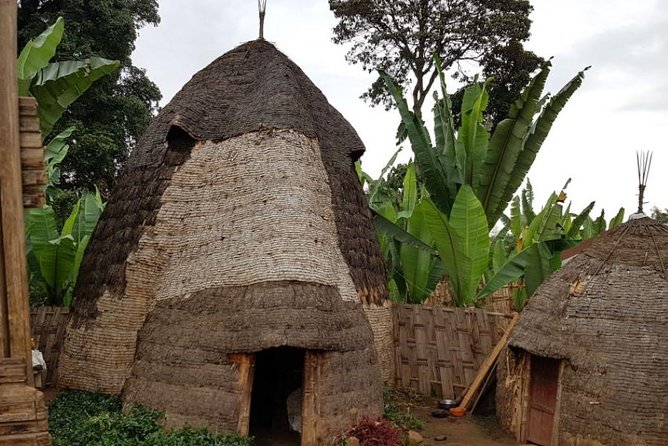
After breakfast, you drive for about an hour to Chencha to visit the Dorze people. This is one of the most distinctive stops on the trip because it focuses on home design and food, not only on dress or ceremonies.
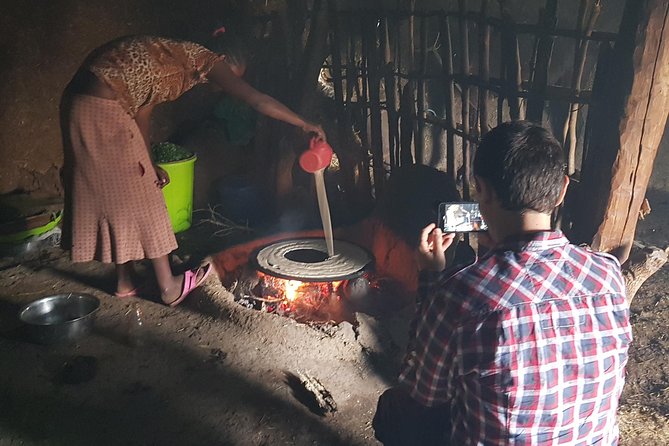
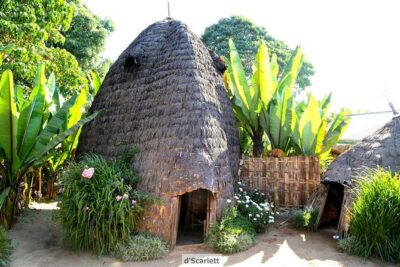
The Dorze are known for large bamboo huts. You can see how these unusual homes are built and learn about daily life inside them. The visit also explains how the root of the enset, or false banana tree, is used to prepare bread and porridge.
That food lesson is valuable because it connects agriculture to the household. You are not simply looking at a crop in a field. You are seeing how a plant becomes a basic part of local meals.
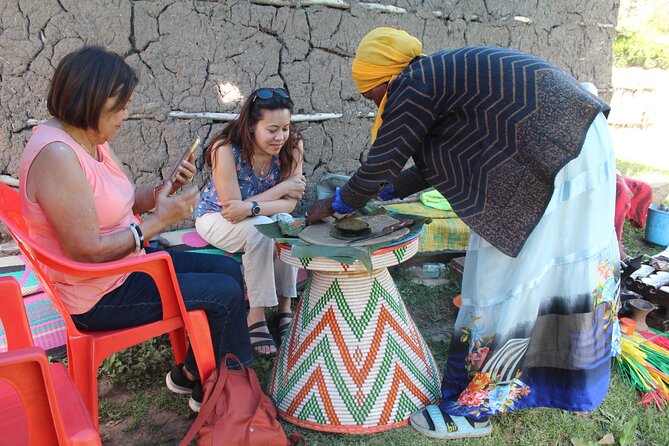
The visit lasts around three hours, and admission is not included. A family visit and the Ethiopian coffee ceremony add a more personal element to the day. Coffee is one of Ethiopia’s best-known traditions, and having the ceremony included gives you a chance to slow down after several hours on the road.
You should expect a cultural visit rather than a staged museum display, but the details of the family stop can vary. Your guide is important here. Muluken, the named guide associated with the company, was praised for clear English, a good sense of humor, and careful attention to his groups. Those qualities matter when you are asking about customs, food preparation, or household life.
A different sort of day out, same part of Ethiopia:
- Full Day Tour of Addis Ababa with Hotel Pickup and Drop-off
★ 5.0 · 430 reviews - Taste of Ethiopia
★ 5.0 · 406 reviews - Day Trip From Addis Ababa See Historical Monastery,Stunning Nature,Animals,Birds
★ 5.0 · 303 reviews - Addis Ababa: Debre Libanos, Blue Nile Gorge, and Cave Tour
★ 4.5 · 256 reviews
Shashamene and Awassa: Rastafarian history and sunset
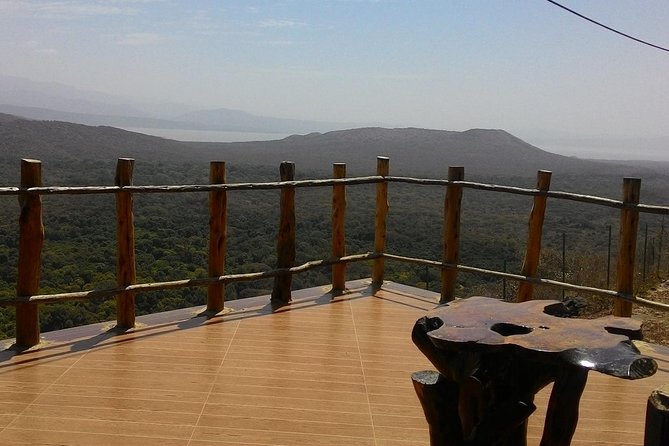
After Chencha, the route heads north toward Awassa, passing villages associated with the Alaba people. Lunch is scheduled at Shashamene, followed by a visit to the Jamaican Rastafarian community and its church.
This is a useful stop because it adds a modern religious and cultural story to a trip otherwise centered on older traditions. Your guide can explain the background of Rastafarianism and the connection between Jamaica and Ethiopia.
The stop is listed at about two hours, with no admission fee. It is best approached with respect and curiosity. The value is in listening and learning about the community, rather than treating it as a quick photo stop.
Later, you walk along the shore of Lake Awassa for sunset. The walk lasts about an hour and gives you a quieter end to a busy day. After museums, roads, village visits, and lunch, an open lakeside setting is welcome.
This is also one of the easier moments to enjoy at your own pace. You can walk, take photographs, or simply watch the light change over the water. The route describes it as the most beautiful sunset of the tour, though weather and cloud cover will naturally affect what you see.
Day 4: Awassa fish market and two Rift Valley lakes
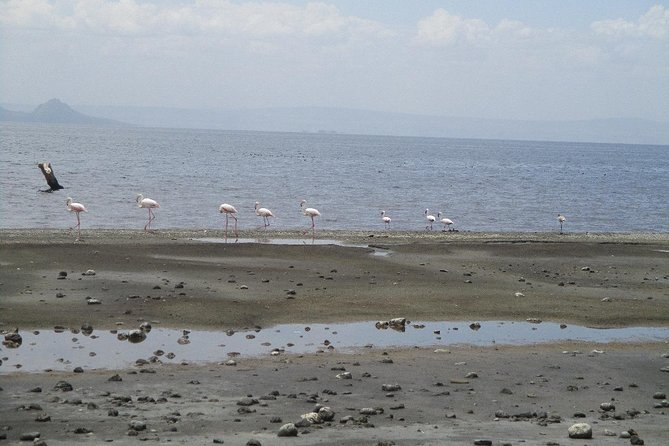
The final day begins at the fish market beside Lake Awassa. You see local people collect fish by net, clean it by hand, and eat a breakfast of fresh catch.
This is one of the most direct experiences on the route. It shows work, food, and local commerce in the same place. The market may feel very different from a polished sightseeing stop, which is exactly why it can be memorable. Bring sensible footwear and be ready for a lively working environment.
The visit lasts around one hour, and admission is not included. Because this is a morning activity, ask your guide about the exact start time when you book your hotel and plan the previous evening.
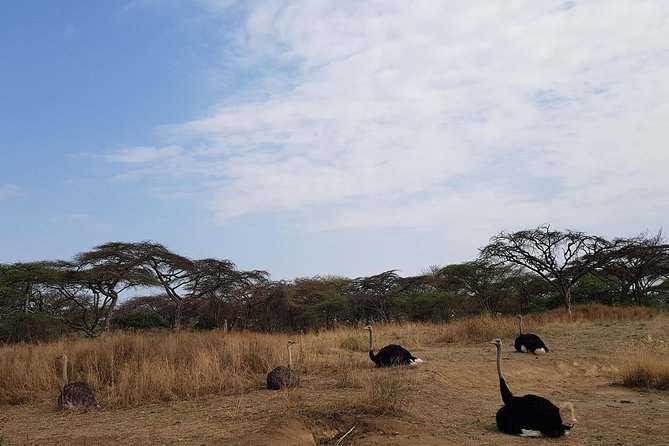
Next comes Abidjatta-Shalla National Park for a gentle walking tour. The stated wildlife includes gazelles, warthogs, and ostriches. You also stop at a viewpoint overlooking Lake Abidjatta and Lake Shalla.
The park visit is short, about an hour, so think of it as a compact wildlife and scenery stop rather than a full safari. Sightings are never guaranteed, but the chance to see animals and two lakes in one park adds variety to the return journey.
The route then includes lunch beside Lake Langano. The information provided describes Langano as the only Ethiopian Rift Valley lake free from bilharziasis and safe for swimming. It also lists stops at Lake Ziway and one of the crater lakes near Bishoftu before returning to Addis Ababa.
The wording around the final lakes is a little compressed, so confirm the exact order and available time with your guide. You should expect a long final day on the road, but the lakes and viewpoints break up the journey.
What the private vehicle and guides add
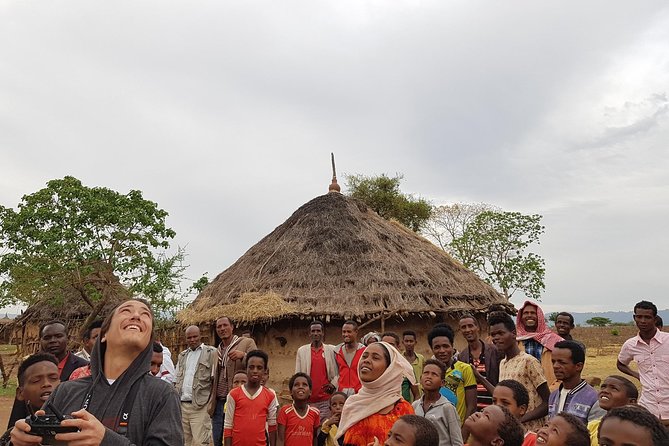
A private tour is especially useful here because the route covers a lot of ground. You are not waiting for a large group at every stop, and you can ask for explanations as questions come up.
The included Toyota minivan has air conditioning and seat belts. Bottled water and local snacks are supplied in the car, which is helpful on long road sections. Meals are not included, so budget separately for breakfast, lunch, dinner, and drinks.
The tour also uses on-site local guides. That arrangement can improve visits to places such as Konso and Dorze, where local context is central to the experience. Your main English-speaking guide can connect the stops and help with practical matters.
The company’s named guides and drivers receive strong praise for safety, comfort, English, and personal care. Muluken is described as an excellent guide, while drivers Belay and Fitsum are specifically praised for safe driving and a comfortable vehicle. These are important strengths on a road-heavy itinerary.
Hotels, weather, and physical demands
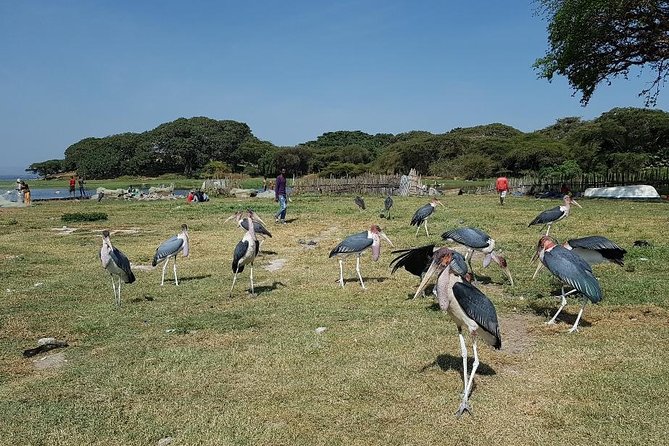
You must arrange accommodation yourself before booking the tour. Suggested options include Paradise Lodge and Haile Resort in Arba Minch, plus Lewi Resort and Haile Resort in Awassa.
Because the tour does not include hotels, check the locations and dates carefully before paying for the excursion. Your lodging choice may affect pickup times and the ease of joining each day.
June, July, and August are rainy months. Pack accordingly, with clothing that can handle wet weather and comfortable shoes for village paths, viewpoints, and the park walk.
A moderate level of fitness is expected. You do not need to be an athlete, but you should be comfortable with several road days, walking around cultural sites, and spending time outdoors. The Dorze and Konso visits may involve uneven ground, and the schedule offers limited time for long rest periods.
Women visiting Adadi Mariam Rock Church are expected to cover their hair. That church is not listed as a main stop in this four-day route, but the dress guidance is useful if your plans include it separately or if the route changes.
Is $1,285 good value?
For one person, $1,285 is a substantial price, especially because accommodation, meals, and drinks are extra. For six people sharing the vehicle, guide, local guides, taxes, and included services, the calculation looks much better.
The value comes from the coverage. You are not paying for a single attraction. You are hiring private transport across southern Ethiopia and combining UNESCO sites, village visits, museums, a coffee ceremony, a fish market, a national park, and several lakes.
The main question is time. Four days allows you to see a great deal, but it does not allow a relaxed pace. If you want long stays in each village or several nights in one place, this itinerary may feel rushed. If your priority is variety and an organized route from Addis Ababa, the cost can be justified.
Free cancellation is available if you cancel at least 24 hours before the start time. Changes or cancellations made inside that period are not accepted for a refund.
Who should choose this tour?
I would choose this trip if you want a private introduction to southern Ethiopia and have only four days. It suits small groups, families, and friends who value a dedicated vehicle and guide over the lowest possible price.
It is also a good fit if you want cultural visits with real local settings, rather than a schedule made only of monuments. Konso, Dorze, Shashamene, and the Awassa fish market each show a different side of life.
I would hesitate if you dislike long drives, need a slow pace, or want every cost included in the upfront price. The schedule is demanding, the route is broad, and you must arrange hotels and meals yourself.
Should you book the four-day southern Ethiopia tour?
Book it if you are sharing the cost with several people, want a private guide, and prefer seeing many major sights in one organized route. The strongest parts are the Konso cultural visit, the Dorze home and food experience, the Awassa fish market, and the mix of lakes and Rift Valley views.
Before booking, confirm your hotels, ask about the precise final-day lake route, and prepare for rain if you travel from June through August. If you accept the driving and plan your energy sensibly, this is an efficient and culturally focused way to see southern Ethiopia.
FAQ
Where does the tour begin?
The tour begins in Addis Ababa, Ethiopia, and pickup is offered.
How long is the tour?
The experience lasts approximately four days.
How many people can join the private tour?
The price covers one private group of up to six people.
Is transportation included?
Yes. Transportation is provided in a comfortable, air-conditioned Toyota minivan equipped with seat belts.
Is an English-speaking guide included?
Yes. A professional English-speaking guide and on-site local guides are included.
Are hotels included?
No. Accommodation is not included. You should book hotels before booking the tour.
Are meals included?
No. Meals and drinks are not included, although bottled water, local snacks in the vehicle, and coffee at the Ethiopian coffee ceremony are included.
What UNESCO sites are visited?
The route includes Tiya World Heritage Site and the Konso Cultural Landscape, which is also a UNESCO World Heritage Site.
What happens if I cancel?
You can receive a full refund if you cancel at least 24 hours before the experience begins. Cancellations or changes made less than 24 hours before the start time are not accepted for a refund.
New on the Addis Ababa list
- Yod Abyssinia Cultural Night: Dinner, Music, and Dance★ 5.0 · 7 reviews
- Locally crafted beer and wine tasting and nightlife in Addis tour★ 5.0 · 6 reviews
- Addis Ababa City Tours Full-Day Tours★ 5.0 · 5 reviews
- Stunning Views Wonchi Crater Lake a Private Day Trip★ 5.0 · 3 reviews
- Visiting the wonders of Lalibela in Three (3) days and Two ( 2) nights★ 5.0 · 2 reviews
- Unique Ethiopian Cooking Class and Coffee Ceremony with a Local in Addis Ababa★ 4.5 · 7 reviews
- Tribes of the Ethiopian Omo Valley – 9 Day Tour★ 5.0 · 5 reviews
- Two days Lake Wenchi and Menagesha Forest★ 5.0 · 3 reviews
Omo Valley Tribe Tours, compared.
6 Days Omo Valley Tribes Tours From Addis Ababa
Read our review →
Lalibela, Axum, Danakil and Omo Valley 8 DAYS
Read our review →

3 days around Arbaminch and Konso Adventure Tours Life Time
Read our review →Danakil Depression, Lalibela, Omo Valley and Simien Mountains
Read our review →

Browse the lists this tour appears in