
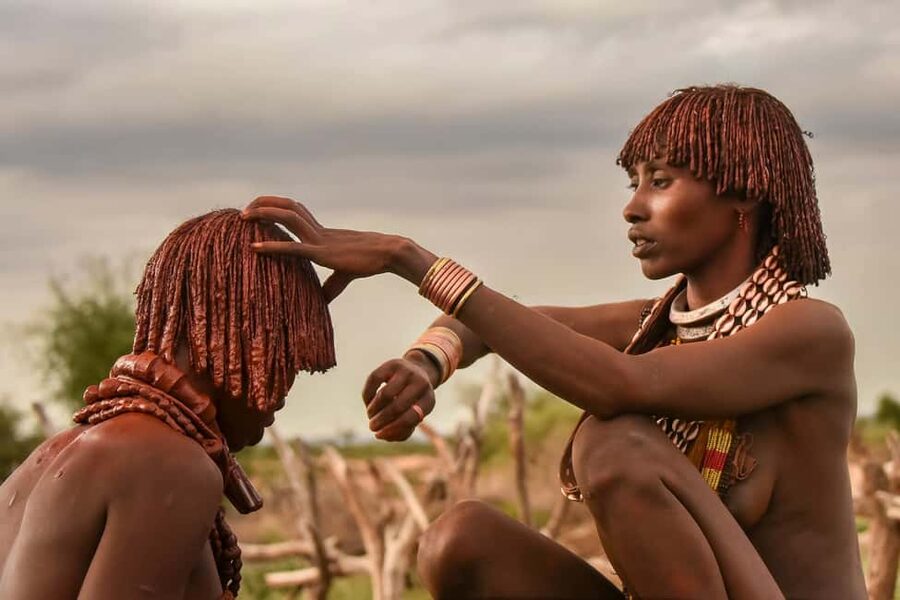
Reviewed · OMO VALLEY TRIBE TOURS
From Jinka: Omo Valley Tribe 3-Day Tour
Culture changes fast here. From Jinka, this three-day trip takes you into southwestern Ethiopia to meet indigenous communities, visit local markets, and see Mago and Omo national parks. I like the focus on direct village visits and the way the tour combines culture with nature. I also like that transport, a private car with driver, a guide, hotel breakfast, entrance fees, and scout fees are included.
The main drawback is the price: $900 per person before meals, flights, drinks, photography fees, and festival charges. This is not a cheap add-on from Jinka, and the days may feel demanding if you are not used to rough roads, heat, long drives, or basic travel conditions.
In This Review
- Key points before you book
- Why the Omo Valley feels different from a standard sightseeing trip
- Starting in Jinka: what the first day needs to accomplish
- Meeting Mursi communities with respect
- Karo culture and the meaning of painted faces
- Local markets on weekday schedules
- Mago and Omo parks: adding nature to the route
- What the $900 price really covers
- Comfort, difficulty, and who should avoid it
- Guide support and the human side of the visit
- How to prepare for three days in the Omo Valley
- Should you book this Omo Valley tour?
- FAQ
- Where does the tour begin?
- How long is the tour?
- How much does the tour cost?
- Is hotel accommodation included?
- Are lunch and dinner included?
- Are domestic flights included?
- Which communities might I visit?
- Are photography and video fees included?
- Are entrance and scout fees included?
- What should I bring?
- Is the tour suitable for wheelchair users?
- Can I cancel the booking?
Key points before you book
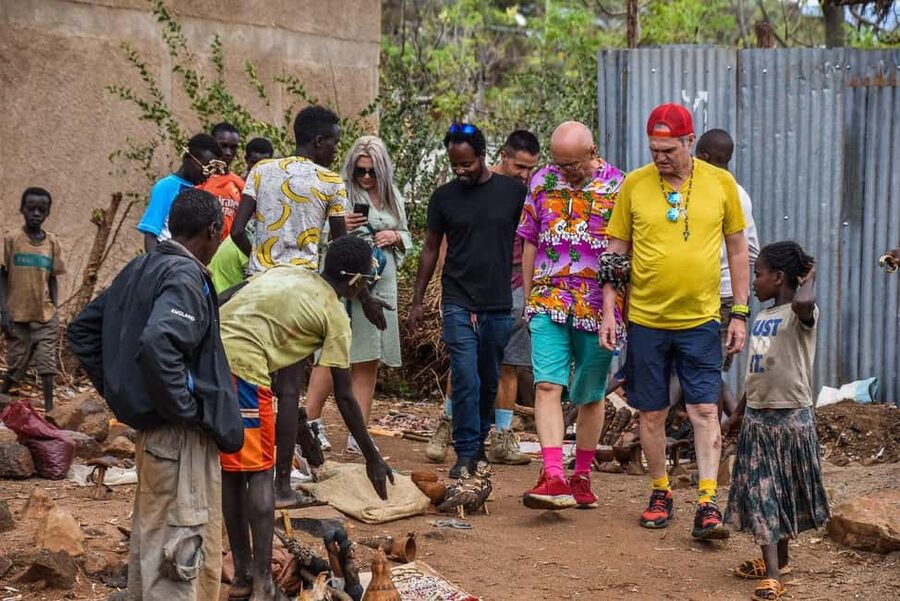
- Mursi and Karo communities: You may see Mursi women known for lip plates and Karo people associated with ash-painted faces, but customs and encounters can vary.
- Jinka departure: The tour begins from Jinka, and you need to provide your flight details before the trip.
- Local weekday markets: Market visits give you a useful look at everyday trade and local shopping in the Omo Valley.
- Mago and Omo parks: The route includes protected natural areas as well as cultural stops, giving the trip more range than a village-only tour.
- A guide-led visit: A professional guide, driver, and local scout fees are included, which matters in a remote region.
- Extra costs add up: Lunch, dinner, alcohol, domestic flights, cultural festival fees, and photo or video charges are not included.
Why the Omo Valley feels different from a standard sightseeing trip
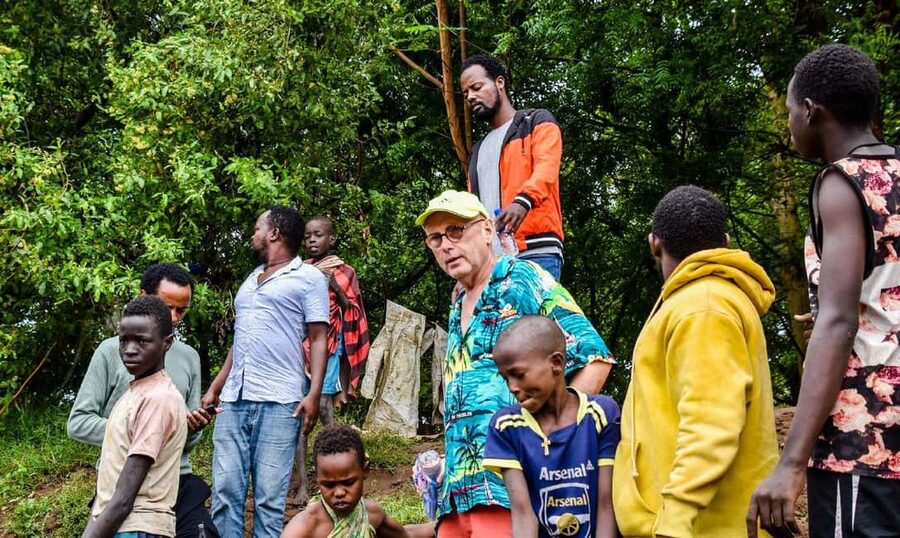
The Omo Valley is not a place you visit for polished attractions or a tidy list of monuments. Its appeal comes from seeing how distinct communities express identity through clothing, body decoration, painting, trade, and daily routines.
That can make the experience powerful, but it also asks you to behave with care. You are entering living communities, not an open-air museum. A photo may be possible, yet photography and video can carry a separate fee. Ask your guide before taking pictures, and treat every person as a person first, not as a souvenir of your trip.
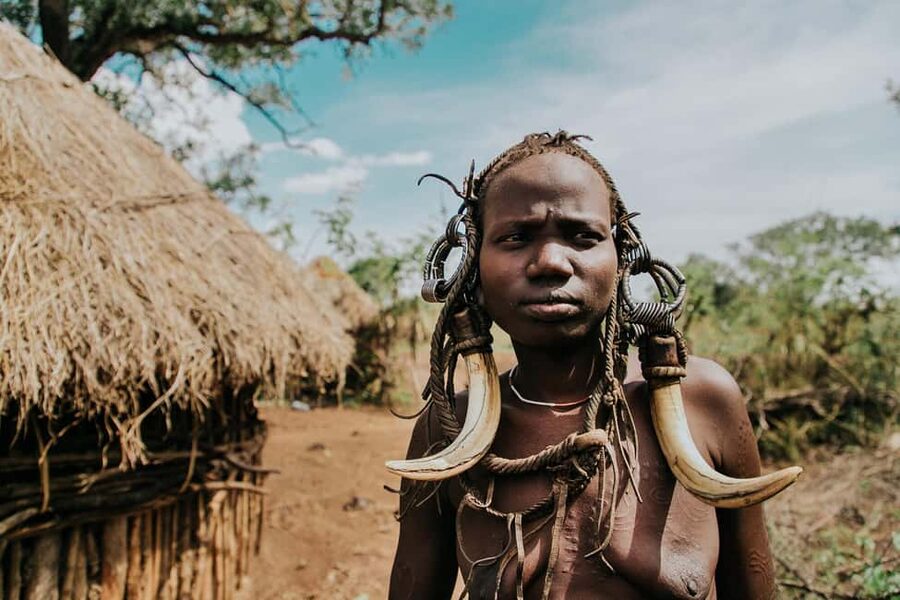
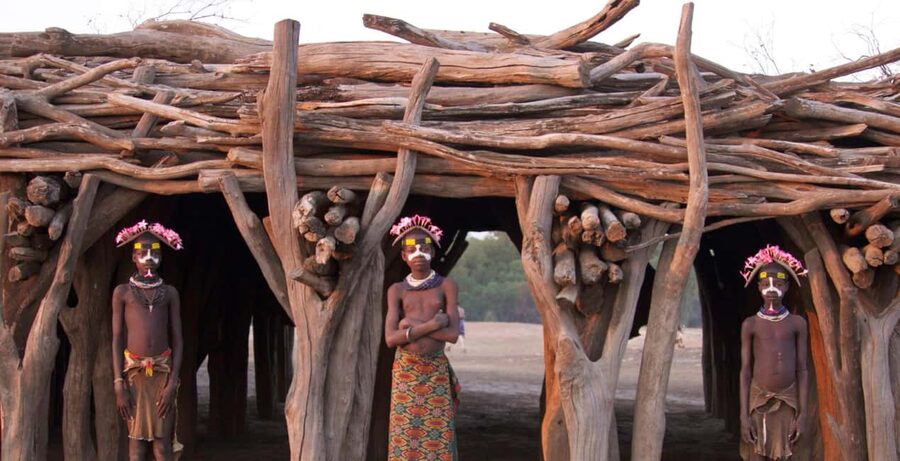
The tour promises visits to indigenous villages and specifically points to the Mursi and Karo. Mursi women with lip plates and Karo boys with ash-painted faces are among the best-known images from the region. Those details can be striking, but they are only one part of a much bigger story. Your guide is important here, since context can help you understand why body decoration, painting, dress, and ceremony matter.
I like the fact that this program does not rely only on staged cultural displays. The plan includes local markets and village visits, so you can see both public traditions and ordinary commerce. Still, the exact communities visited may depend on local conditions, road access, timing, and which villages are open to visits.
More Omo Valley Tribe Tours in Ethiopia:
- 6 Days Omo Valley Tribes Tours From Addis Ababa
★ 5.0 · 33 reviews - Lalibela, Axum, Danakil and Omo Valley 8 DAYS
★ 5.0 · 29 reviews - 3 Days Omo Valley Tour
★ 5.0 · 24 reviews
Starting in Jinka: what the first day needs to accomplish
Jinka is the practical starting point for this three-day trip. You will need to send your flight details in advance, which helps the company coordinate your arrival and transport. Since domestic flights are not included, you should price the full trip from your home city rather than treating the $900 tour fee as the complete cost.
The first part of the journey is likely to be about getting oriented and moving toward the communities and parks on the route. The supplied details do not give fixed departure times, driving distances, or a precise day-by-day schedule, so you should ask for those before paying. In the Omo Valley, road time matters. A short distance on a map may not mean a quick transfer.
Your private car and driver are valuable here. You are not left to solve remote transport on your own, and the driver can handle the practical work while your guide explains the region. The tour also includes scout fees, an important detail for visits in protected areas and some local settings.
Hotel accommodation with breakfast is included. That keeps your mornings simple, but lunch and dinner are not covered. Carry cash for meals and small purchases, and ask whether meals are available at each overnight stop. Do not assume that every stop will offer the same choice of food or drinks.
Meeting Mursi communities with respect
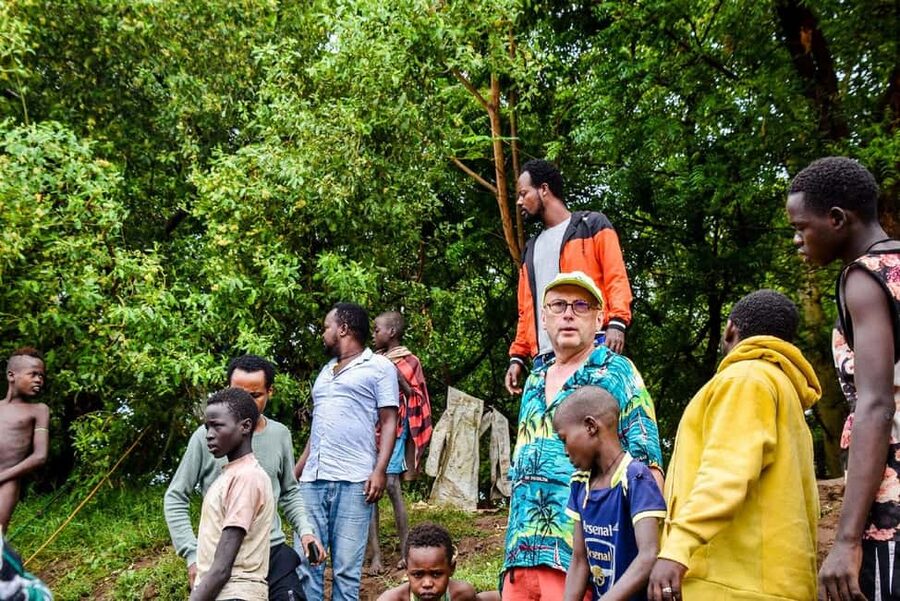
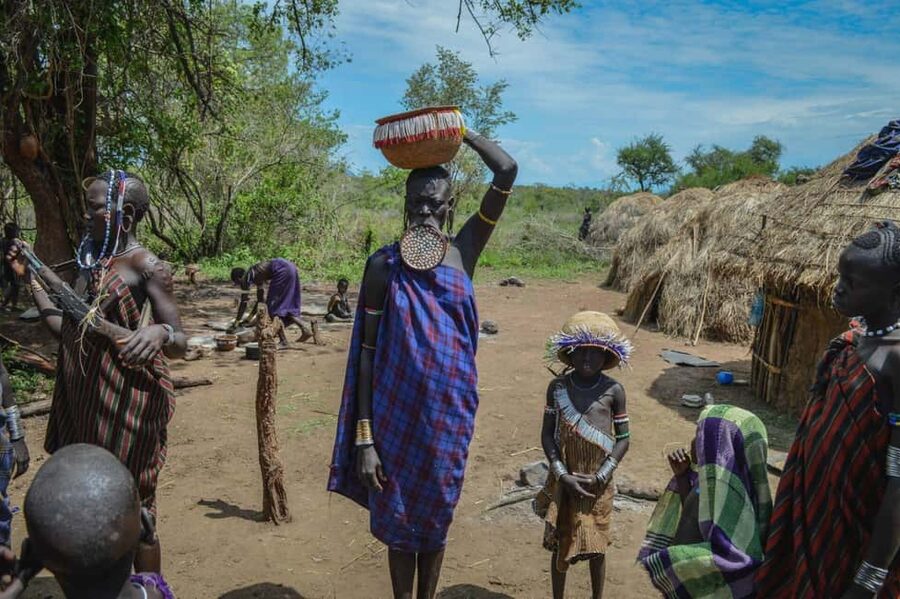
A visit connected with the Mursi is one of the trip’s most recognizable cultural encounters. The program highlights Mursi women who wear lip plates, a form of body modification that has become widely photographed. You may also encounter local customs and clothing that are unfamiliar to you.
This is where a good guide earns the fee. You need explanations that go beyond pointing at a visual detail. Ask about the meaning of the lip plate, the age at which it is worn, how the practice is viewed within the community, and how local people feel about photography. The supplied information does not promise a particular ceremony or a specific village, so keep your expectations open.
You should also budget for photo fees. Photography and video charges are excluded, and this can change how much the day costs. Carry cash and agree on the price before taking pictures. That avoids awkward bargaining after the photo is taken.
The Mursi visit may be the tour’s most memorable stop, but it may also be the most emotionally complicated. A quick portrait can flatten a living culture into a postcard. I would use the opportunity to listen, buy something only if you genuinely want it, and let your guide explain the local rules.
Karo culture and the meaning of painted faces
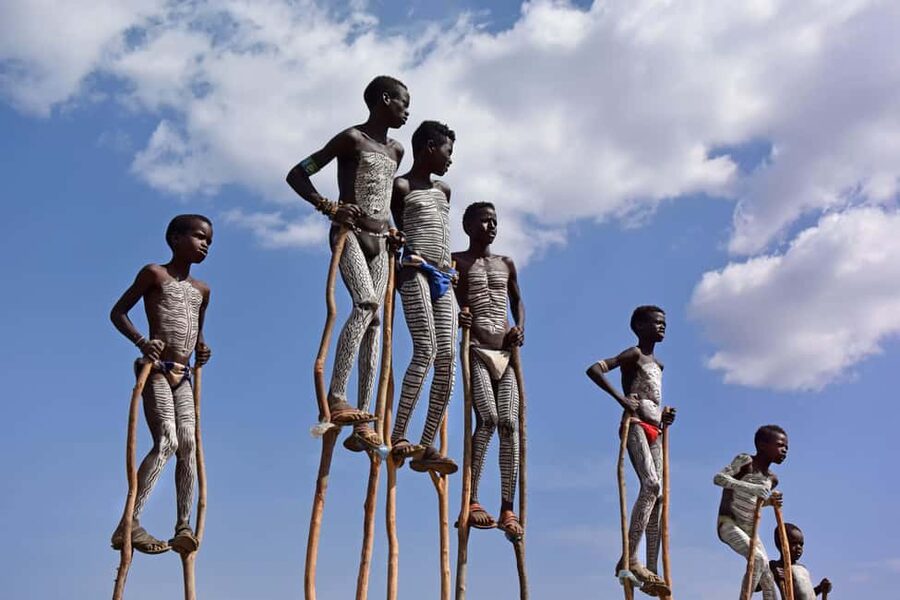
The Karo are another major cultural focus. The tour description points to young Karo boys with ash-painted faces, an image that gives you a visual introduction to local body art and identity.
Again, the important question is not only what you see, but what it means. Ask your guide about the paint, when it is used, and whether it relates to age, ceremony, beauty, status, or another local custom. The information provided does not guarantee a ceremony, and entrance to a cultural festival or ceremony is an extra charge when one is available.
That distinction matters. A village visit and a formal festival are not the same thing. The standard program includes community visits, but special events may require separate payment and may not occur during your dates.
The Karo visit also gives the tour a useful balance. Instead of focusing on only one famous group, you encounter more than one community and can compare different forms of dress, painting, and social presentation. I like that broader approach, provided you allow enough time to look and listen instead of rushing from one photo opportunity to the next.
A different sort of day out, same part of Ethiopia:
- Full Day Tour of Addis Ababa with Hotel Pickup and Drop-off
★ 5.0 · 430 reviews - Taste of Ethiopia
★ 5.0 · 406 reviews - Day Trip From Addis Ababa See Historical Monastery,Stunning Nature,Animals,Birds
★ 5.0 · 303 reviews - Addis Ababa: Debre Libanos, Blue Nile Gorge, and Cave Tour
★ 4.5 · 256 reviews
Local markets on weekday schedules
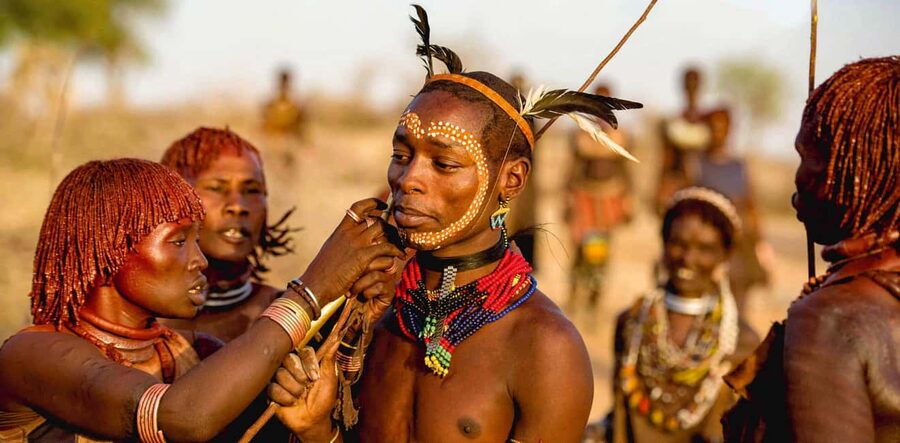
The market stop is one of the most practical parts of the trip. The program highlights weekday markets in the Omo Valley, where you can shop and see people handling ordinary business.
Markets help place the cultural visits in daily life. You may find food, household items, clothing, craft goods, or other local products, though the exact goods are not specified. The point is not simply to buy something. Watch how people trade, carry goods, meet friends, and move through the day.
Bring cash. It is listed among the essential items, and you will need it for shopping, meals, photo fees, and other expenses not covered by the tour. The program does not state which currencies or payment methods are accepted, so ask the operator before departure.
The weekday detail is important. If a market visit is central to your plans, confirm which market day matches your three-day schedule. A market stop may be less useful if the local market is not operating at full strength.
I like markets because they can feel less staged than a dedicated cultural performance. You are seeing commerce rather than a show prepared for an audience. At the same time, be polite with cameras, especially around people selling goods or handling private matters.
Mago and Omo parks: adding nature to the route
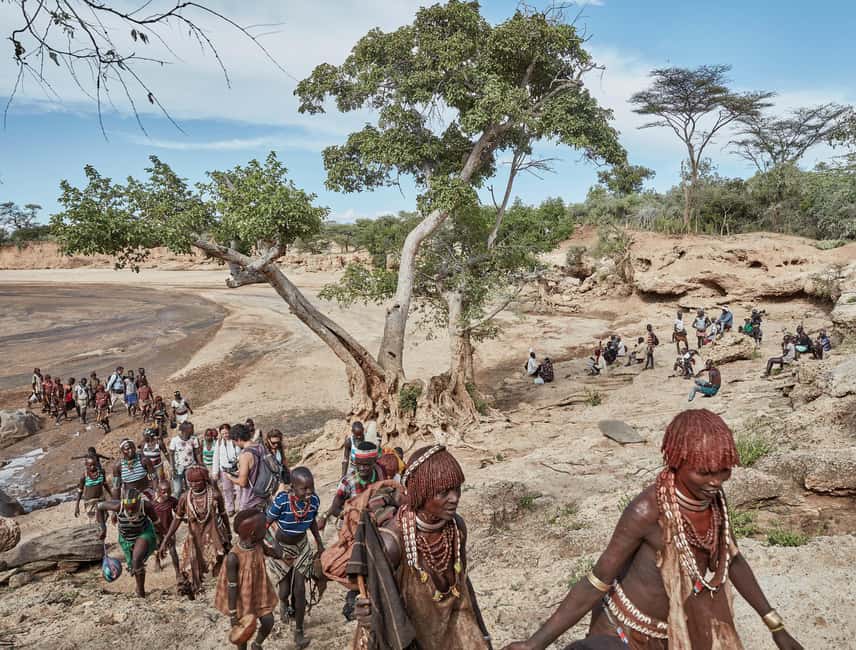
The tour also includes Mago and Omo national parks. The supplied description presents Omo National Park as a UNESCO World Heritage Site. These park visits add open countryside, wildlife possibilities, and a change of pace after village encounters.
You should bring binoculars if you enjoy looking for animals or birds. The tour information does not promise a particular species or a wildlife sighting, so do not book this as a guaranteed safari. Think of the parks as part of the wider setting and as a chance to see the region beyond its communities.
Entrance fees and scout fees are included, which makes the park portion easier to budget. Your guide can help explain local rules and your driver can manage the route. Still, ask how much time is allocated to each park. A three-day trip has limited hours, and the balance between driving, villages, markets, and protected areas will shape your experience.
The natural areas may also make the trip more tiring. You should expect changes in road conditions and a schedule that may not feel leisurely. Comfortable clothing, sturdy shoes, sun protection, and enough water are sensible choices, even though only a passport, camera, cash, and binoculars are specifically listed as items to bring.
What the $900 price really covers
At $900 per person, this is a major purchase. The value depends on how much help you want in a remote part of Ethiopia and whether the included services match your needs.
The price covers:
- Hotel accommodation with breakfast
- Entrance fees
- Scout fees
- A professional guide
- A car with driver
That package removes several large planning tasks. You do not need to arrange separate village transport, find a driver in Jinka, negotiate park access, or manage every local fee alone. The guide and driver also provide practical support in a region where independent logistics may be difficult.
The price does not cover domestic flights. That can make the total cost much higher, especially if your route to Jinka involves more than one flight. Lunch and dinner are also extra, as are alcohol, photography and video fees, and admission to a cultural festival or ceremony.
I would compare the tour with the cost of hiring a vehicle, driver, guide, and local support independently. If you are traveling alone, $900 may look steep, but a private arrangement can also become expensive once transport and access fees are added. If you are part of a larger group, ask if the price changes by group size, since the supplied information gives only a per-person rate.
The strongest value here is convenience with local support. The weakest point is that the advertised figure does not include several normal travel expenses. Build a separate cash budget before you go.
Comfort, difficulty, and who should avoid it
This is not presented as an easy, accessible holiday. The tour is not suitable for wheelchair users, babies under one year, people without experience, people with pre-existing medical conditions, or people with insect allergies.
Those restrictions should be taken seriously. The information does not define what people without experience means, so ask the operator to explain whether it refers to remote travel, long drives, uneven ground, heat, or other conditions. If you have a medical concern or serious insect allergy, get clear advice before booking.
The program also bans alcohol and drugs. Pack a passport, camera, cash, and binoculars, and follow local instructions during village and park visits.
The accommodation includes hotel and breakfast, but no hotel names or room standards are provided. You should ask what kind of accommodation is planned in each overnight location. This is especially useful if you need private bathrooms, reliable electricity, or particular medical and dietary arrangements.
The experience suits an independent-minded person who wants direct cultural contact and can accept a less predictable rhythm. It is less suitable if you need a tightly timed schedule, luxury accommodation, guaranteed wildlife, or a low-cost trip.
Guide support and the human side of the visit
The professional guide is one of the tour’s most important inclusions. A strong guide can translate language, explain customs, manage introductions, clarify photography rules, and help you understand what is happening without turning every encounter into a performance.
The company is associated with Aman Ethiopia Tour & Travel. The available feedback praises the personal handling of transport and local arrangements, along with the guide’s explanations of local culture, history, and nature. It also describes the trip as tailored to personal interests, with remote community visits, local customs, scenic exploration, and comfortable accommodation.
Those are useful signs, though you should still ask for the name of your guide before departure. The supplied information does not give a guide’s actual name, so there is no specific person I can recommend. It does say that the company offers support in French, Italian, Spanish, and Portuguese, which may help if you prefer one of those languages.
A guide cannot remove every difficulty from the Omo Valley. What the guide can do is help you meet those difficulties with better information and more respect. That is a worthwhile part of the cost.
How to prepare for three days in the Omo Valley
Start with your flight details. The operator asks you to provide them, so do this early and make sure your arrival in Jinka fits the tour schedule.
Then plan your spending. You need money for meals, drinks if allowed and available, shopping, photography, video, and any cultural festival or ceremony. Since none of those costs are included, a cash reserve is more useful than relying on cards.
Your passport is required. A camera and binoculars are encouraged, but equipment should not take priority over respectful conduct. Ask permission before taking photographs, and confirm any fee before you begin.
You should also prepare mentally for a trip that may not follow the smooth rhythm of a city tour. The supplied information does not list exact drive times, daily departure times, or hotel names. Ask about those points, as well as the expected group size and meal arrangements, before confirming.
Cancellation is flexible if your plans change: you can cancel up to 24 hours in advance for a full refund. The reserve-now, pay-later option also gives you some breathing room while you arrange flights. These policies do not reduce the on-the-ground costs, but they can help while your plans are still taking shape.
Should you book this Omo Valley tour?
I would book this trip if you want a guided introduction to Mursi and Karo culture, local markets, and the parks around the Omo Valley, and you are comfortable paying extra for meals, flights, and photography. The combination of village visits, markets, nature, a private car with driver, and local guiding gives the three days a clear purpose.
I would hesitate if $900 is already your full budget, if you need guaranteed wildlife or a fixed minute-by-minute schedule, or if you have mobility, medical, or insect-allergy concerns. Ask for the exact route, hotel details, driving times, guide language, and expected extra fees before you pay.
For the right person, the value is not just the number of stops. It is having local support in a remote region and a better chance of meeting communities with context and respect. Just arrive with cash, patience, and realistic expectations.
FAQ
Where does the tour begin?
The tour begins in Jinka, in southwestern Ethiopia.
How long is the tour?
The experience lasts three days.
How much does the tour cost?
The listed price is $900 per person.
Is hotel accommodation included?
Yes. Hotel accommodation with breakfast is included.
Are lunch and dinner included?
No. Lunch and dinner are not included in the price.
Are domestic flights included?
No. Domestic flights are an additional cost.
Which communities might I visit?
The tour highlights visits to indigenous communities in the Omo Valley, including Mursi and Karo communities.
Are photography and video fees included?
No. Photography and video fees are not included.
Are entrance and scout fees included?
Yes. Entrance fees and scout fees are included.
What should I bring?
Bring your passport, camera, cash, and binoculars. Alcohol and drugs are not allowed.
Is the tour suitable for wheelchair users?
No. The tour is not suitable for wheelchair users.
Can I cancel the booking?
Yes. You can cancel up to 24 hours in advance for a full refund.
New on the Ethiopia list
- Yod Abyssinia Cultural Night: Dinner, Music, and Dance★ 5.0 · 7 reviews
- Tigray Mountain Church’s Day Trip from Mekele★ 5.0 · 2 reviews
- Mekele City Tour★ 5.0 · 2 reviews
- Day trip to Tigray Churches★ 5.0 · 2 reviews
- 2 days Tigray Church★ 5.0 · 3 reviews
- 3 Day Tour of Geralta Churches Tigray Church’s★ 5.0 · 2 reviews
- Trekking in Ethiopia’s Lalibela Wollo Highland 4 Days / 3 Nights★ 5.0 · 6 reviews
- Lalibela Backpacker tours★ 5.0 · 6 reviews
Omo Valley Tribe Tours, compared.
6 Days Omo Valley Tribes Tours From Addis Ababa
Read our review →
Lalibela, Axum, Danakil and Omo Valley 8 DAYS
Read our review →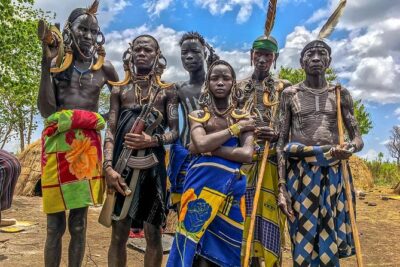

3 days around Arbaminch and Konso Adventure Tours Life Time
Read our review →Danakil Depression, Lalibela, Omo Valley and Simien Mountains
Read our review →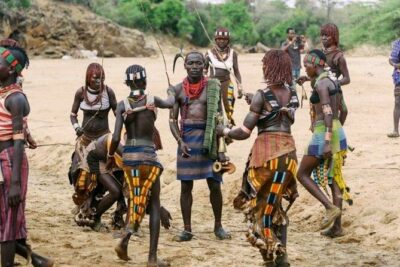

Browse the lists this tour appears in