
Reviewed · OMO VALLEY TRIBE TOURS
Omo valley Tour: Discover unique 0 century 🕛 tribes culture
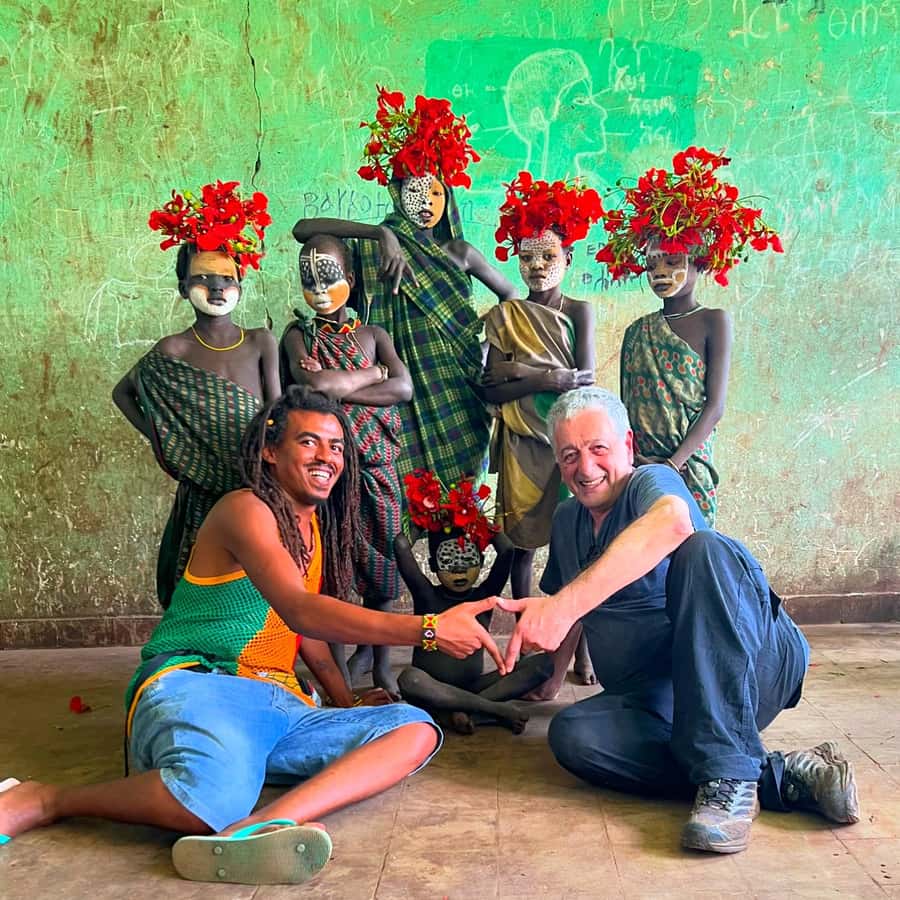
The Omo Valley rewards patience. This tour gives you direct contact with Hamar, Karo, Mursi, Bana and Tsemay communities, with a strong focus on local guides, village visits and time in the countryside. I especially like the chance to combine a Hamar cultural visit with the Dimeka market, where several communities gather to trade cattle and goods. I also like the small-group and private format, which lets Kali adjust the pace and route to your interests.
The main consideration is the road time. This is a demanding southern Ethiopia trip, not a quick sightseeing outing. Roads can be rough, schedules may shift, and village visits require cultural care. The $500 price is appealing for a three-day package with transport, meals, lodging, guides, park fees and water, but you should confirm exactly what is included in your chosen version before paying.
In This Review
- Key points to know before you go
- Why the Omo Valley feels so different
- Starting in Jinka and reaching Turmi
- Hamar culture and the question of photography
- Dimeka market: the busiest day on the route
- Meeting the Karo beside the Omo River
- The Mursi village and Mago National Park
- What $500 includes, and what it does not
- Transport, comfort and pace
- Guide quality and responsible contact
- Who should book this Omo Valley trip?
- FAQ
- How long does the Omo Valley tour last?
- Which communities can I visit?
- Is the Dimeka market visited every day?
- What is included in the $500 price?
- Where can I be picked up and dropped off?
- Is the tour available as a private trip?
- Should you book it?
Key points to know before you go
- The three-day route covers Hamar, Karo, Dimeka market and Mursi communities, with Jinka as the starting and finishing point.
- Dimeka market is a major highlight, bringing together Hamar, Bana, Karo, Dasenech and Tsemay people on market day.
- Bull-jumping ceremonies are not guaranteed, but the Hamar visit may offer a chance to see this important rite if the timing is right.
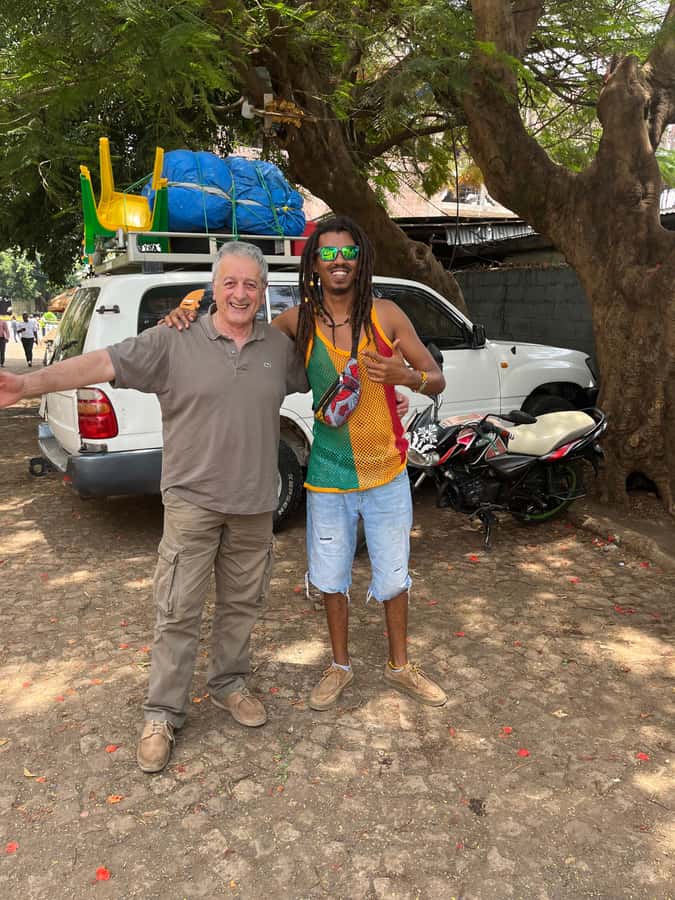
- Kali and driver Elias are named as a strong team, with praise for cultural knowledge, easy company, safety and attention to personal needs.
- The tour includes practical costs often missed in cheap packages, including park entry, local guides, scouts, meals, water, boat transport and camping equipment.
- You can book a private or small-group trip, with pickup options extending beyond Jinka to Addis Ababa, Arba Minch, Mekelle and Semera.
Why the Omo Valley feels so different
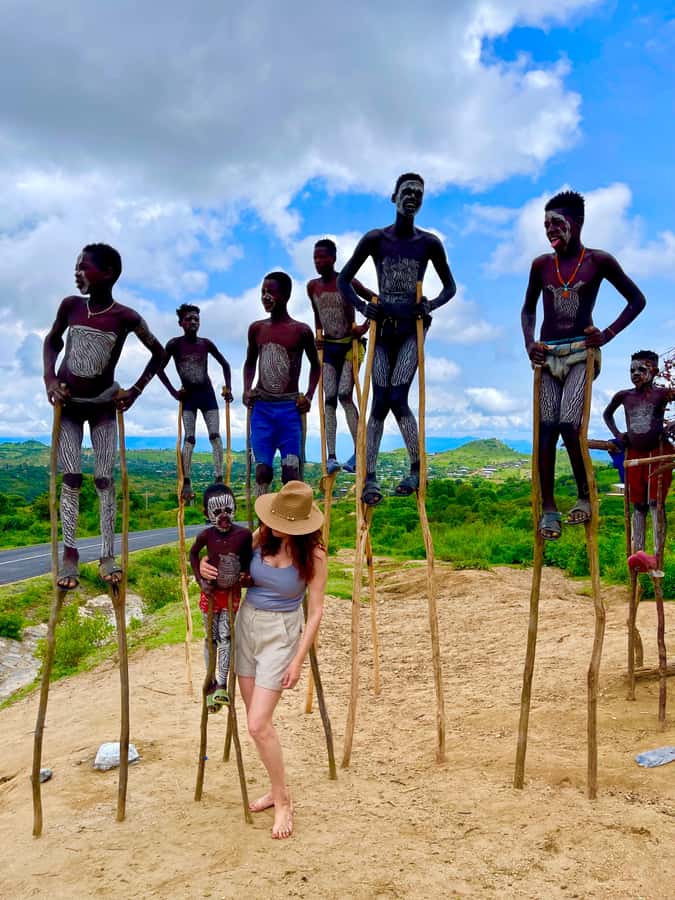
The Omo Valley is not a museum, and that is the key to understanding this experience. You are visiting living communities with their own work, ceremonies, markets, clothing, livestock and family traditions. The purpose is not simply to collect photographs. It is to pay attention, listen through your guide and accept that local life does not run on a visitor’s timetable.
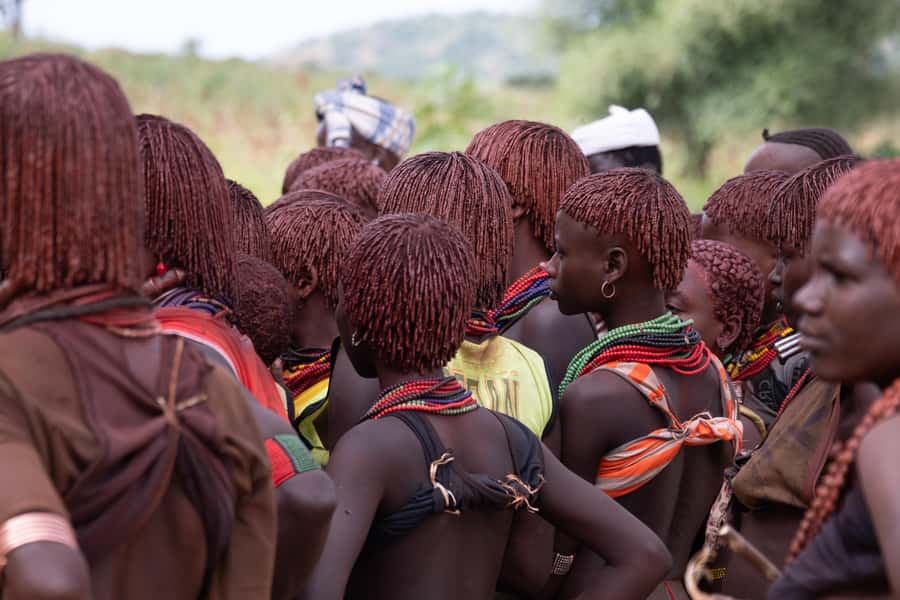
The tour focuses on several groups in southern Ethiopia. The Hamar are known for body scarring, clay-shaped hairstyles and the bull-jumping rite linked to a young man’s passage toward marriage. The Karo live along the Omo River and practice agro-pastoralism. They are also known for striking body painting.
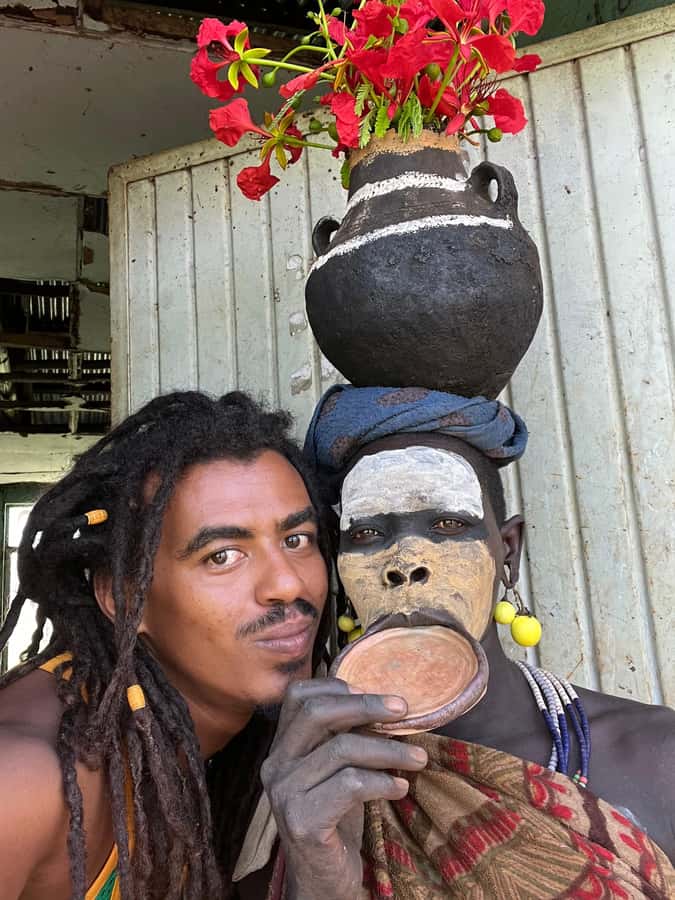
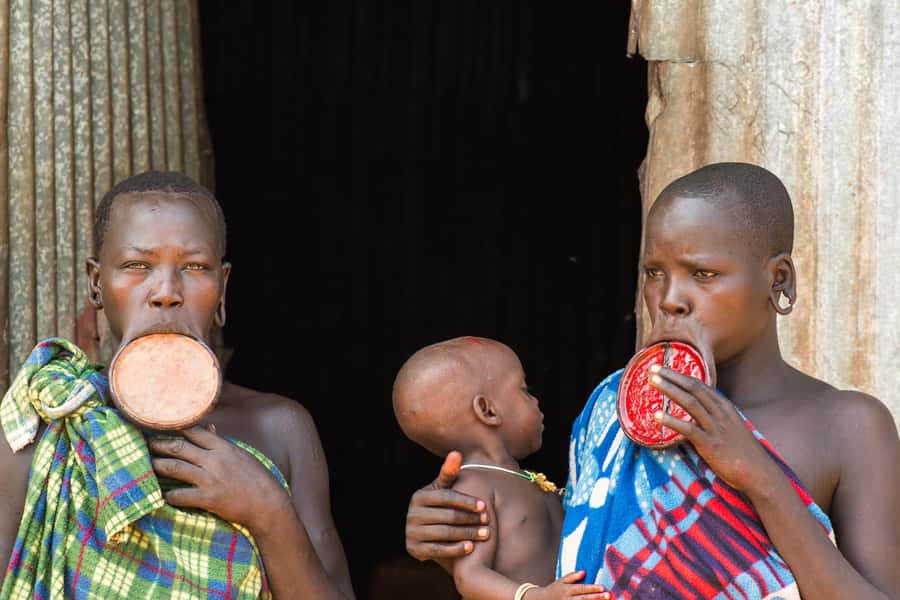
The Mursi, based in and around Mago National Park, are widely associated with large lip plates and ear ornaments. The tour also describes traditional cattle practices, including taking blood from a cow without killing it. This is a cultural detail you may find difficult or unfamiliar, but it is best approached with respect rather than shock.
What I like here is the range. You are not spending three days looking at one village through a vehicle window. You are given several cultural settings, a market, protected natural areas and time with local guides who can explain what you are seeing.
More Omo Valley Tribe Tours in Ethiopia:
- 6 Days Omo Valley Tribes Tours From Addis Ababa
★ 5.0 · 33 reviews - Lalibela, Axum, Danakil and Omo Valley 8 DAYS
★ 5.0 · 29 reviews - 3 days around Arbaminch and Konso Adventure Tours Life Time
★ 5.0 · 24 reviews
Starting in Jinka and reaching Turmi
The short itinerary begins with pickup in Jinka, usually after your arrival at Jinka Airport. The first day continues toward Turmi, the main base for visiting the Hamar area. After lunch in Jinka, you drive out to meet the Hamar people.
This first day has the most obvious chance of a dramatic cultural event. Bull-jumping is described as a ceremony a young Hamar man must complete before marriage. It is important to understand that a ceremony depends on local timing, so it should never be treated as a scheduled stage show. If one takes place during your visit, your guide should help you understand the setting and the rules for observing it.
Even without a ceremony, the Hamar visit offers details that are easier to appreciate with explanation. Hair shaped with clay, scarification and family customs can look unusual at first glance. A good guide helps you move past the visual surprise and understand these practices as part of identity, status and community life.
You spend the night in Turmi, either camping with the Hamar community or staying at an eco-lodge inside the Hamar village area. That choice matters. Camping offers a closer connection to the setting, while a lodge is the easier option if you prefer a bed and a more settled night. Ask what type of accommodation is available for your dates, since the description allows for both.
Hamar culture and the question of photography

Photography is a major reason people choose this trip, but it also calls for the most care. The people you meet are not performers hired for a photo stop. You should ask before taking pictures and follow your guide’s advice about village etiquette and payments, if any are required locally.
Kali Omo Valley presents the tour as ethical and sustainable, with an aim to pay fair wages and avoid harm to people, animals and the natural setting. That is a useful promise, but your own behavior still matters. Keep your camera down when you are unsure, avoid treating traditional clothing as a costume and let the guide handle introductions.
The strongest personal feedback about the tour points to this human side. Saskia from Germany described the trip as personal and well adjusted to individual needs, with a strong concern for the environment and animals. Lisa from Australia also praised Kali’s understanding of the area and found the car and accommodation comfortable.
Those comments suggest a good fit for you if you want a flexible cultural trip rather than a rigid coach schedule. They also make Kali’s role important. He is not just arranging transport. The experience depends on his ability to explain local life and help you behave appropriately.
Dimeka market: the busiest day on the route
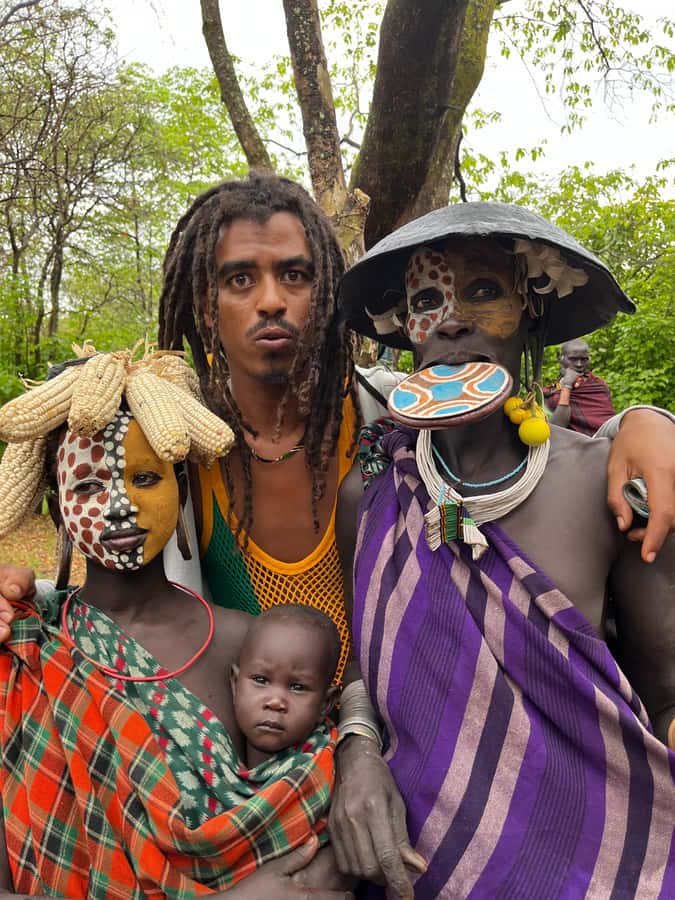
On the second day, you leave Turmi after breakfast and head toward the Karo area. If your schedule matches Saturday, you also visit Dimeka market, described as one of the largest Hamar markets in the Omo Valley.
This is one of the tour’s best ideas because the market brings several communities together in one place. Hamar, Bana, Karo, Dasenech and Tsemay people come to buy and sell goods and cattle. You get a broader picture of the region than you would from a single village visit.
Markets also show daily life in a way ceremonial visits cannot. There is trade, movement, practical business and contact between communities. The setting may be crowded and visually busy, but the point is not simply color. Look for what people are buying, what animals are being traded and how different groups use the same public space.
Timing is crucial. The itinerary identifies Saturday as the market day. If Dimeka is a priority, tell Kali before booking and confirm that your dates place you there on Saturday. A two-night, three-day trip has little spare time, so a missed market cannot easily be added later.
A different sort of day out, same part of Ethiopia:
- Full Day Tour of Addis Ababa with Hotel Pickup and Drop-off
★ 5.0 · 430 reviews - Taste of Ethiopia
★ 5.0 · 406 reviews - Day Trip From Addis Ababa See Historical Monastery,Stunning Nature,Animals,Birds
★ 5.0 · 303 reviews - Addis Ababa: Debre Libanos, Blue Nile Gorge, and Cave Tour
★ 4.5 · 256 reviews
Meeting the Karo beside the Omo River
The Karo visit takes you toward communities settled along the Omo River. The Karo are described as agro-pastoralists, meaning their lives involve both agriculture and livestock. They are also known for body painting, which gives this stop a different feel from the Hamar visit.
The boat crossing included in the package may be used to cross the Omo River, depending on the final route. That is a practical inclusion, since river transport can be part of reaching communities in this area. Because the itinerary and package cover several possible routes, ask your operator which crossing is planned for your dates.
This stop is especially useful for you if you want more than a quick village encounter. The Karo connection with the river and their painting traditions give the day a clear cultural focus. At the same time, you should expect long drives between stops. The Omo Valley is large, and seeing several communities in a short visit means time in the vehicle.
You return to Jinka for the second night. Lodges and hotels are included, as are three meals a day and unlimited mineral water. Those provisions make a real difference in a remote area, where buying food or bottled water along the road may not be simple.
The Mursi village and Mago National Park
The final morning starts with a drive of about 66 kilometers from Jinka to a Mursi village in Mago National Park. The route includes park entry and a scout inside the park, according to the package details. That scout is part of the formal access arrangement and adds local support while you are in the protected area.
The Mursi are known for large lip plates and ear plates. The tour also presents cattle blood collection as part of traditional food practice. A small arrow is used to make an opening in a vein, and traditional medicine is used to stop the bleeding. The cow is not killed, and the wound is described as healing quickly.
This is a stop where your attitude matters more than your camera. You may find the customs unfamiliar, but the best visit is one in which you let the local guide provide context rather than reducing the community to one striking image. Ask questions politely and accept that some parts of life may not be available for close inspection.
The return to Jinka finishes the three-day plan. The supplied route says the tour ends in Jinka, but the operator also offers drop-off at Jinka, Semera, Mekelle or Arba Minch airports on the final day. Confirm the exact transport plan, especially if you are connecting to a flight.
What $500 includes, and what it does not
At $500 per person, the three-day tour offers solid value if all listed inclusions apply to your booking. You are not paying only for a guide and a vehicle. The package includes hotel pickup and drop-off, Jinka airport transfers, village entry fees, local guides, park entry to Omo, Mago and Nech Sar National Parks, a park scout, meals, mineral water, lodges or hotels, camping equipment, camping fees and a boat crossing.
That list covers many expenses that can quietly add up in southern Ethiopia. It also reduces the need to bargain locally for every part of the trip. For a remote-area tour, having one company manage transport, accommodation, meals and permits is useful.
Still, the route description for the three-day trip specifically names Mago National Park and the Hamar and Karo areas. Nech Sar and Omo National Park entry are listed as included, but they are not clearly placed into the short itinerary. Ask whether those fees apply to your chosen route or to longer versions of the tour.
Alcoholic drinks are not included. Bring some cash for personal needs, since the practical information specifically recommends it. The package says longer private or group trips can be arranged from two to seven days, and elsewhere allows trips of up to 20 days according to time and budget. Because those duration details differ, request a written plan and final price for anything longer than the standard three-day route.
Transport, comfort and pace
The tour offers pickup from Bole International Airport or any hotel in Addis Ababa, as well as Jinka, Arba Minch, Mekelle and Semera airports. This flexibility is helpful if you are combining the Omo Valley with other parts of Ethiopia.
For the listed three-day itinerary, Jinka is the practical center. The first day runs from Jinka to Turmi, the second day covers the Karo area and market route before returning to Jinka, and the third day reaches Mago National Park and returns. You should expect a full schedule and substantial road time.
Lisa specifically praised the comfortable car and accommodation. That is encouraging, but comfort in this region remains relative. A good vehicle and a well-run lodge do not remove the distance or road conditions. If you are pregnant, this activity is listed as unsuitable, which reflects the demanding nature of the route.
Private and small-group options are available for groups from one to 20 people. A private trip should give you more control over stops and interests, while a small group can lower the cost or make the driving more social. Ask how the $500 rate changes with group size.
Guide quality and responsible contact

The most highly praised part of the experience is the guiding. Kali is described as easy to travel with, attentive to personal wishes and deeply familiar with the tribes and Omo Valley. Francis from the United States also singled out Kali and driver Elias after a three-day trip that included a Hamar bull-jumping ceremony.
That combination matters. A driver who knows the roads and a guide who can explain culture are not the same job, and this trip benefits from both. You want someone who can manage timing, park access, village introductions and the practical details of remote travel.
The company says it was founded in 2013 and aims to support fair wages, ecological travel and the well-being of people, animals and nature. You can help that goal by asking before photographing, listening to instructions and avoiding gifts or handouts unless the guide recommends them.
The guides listed for the activity speak English, Amharic, Arabic, Chinese, Dutch, French, Italian, Japanese and Spanish, with an optional English audio guide. Confirm which language is available for your booking, as a long cultural discussion is far better when communication is clear.
Who should book this Omo Valley trip?
I would recommend this tour to you if you want a compact introduction to several Omo Valley communities and prefer having transport, meals, permits and accommodation handled in one package. It suits curious visitors who are comfortable with long drives, basic camping possibilities and an itinerary shaped by local conditions.
It is also a good choice for photographers who want access to Hamar, Karo and Mursi areas, provided they are willing to put respectful contact before getting the perfect image. The private option may suit you best if you want extra time for questions or need the route adjusted.
I would hesitate to recommend the three-day version if you want a slow, reflective visit. Three days covers a lot, but it also means moving quickly. If your budget and schedule allow, ask Kali about extending the trip to four, five, seven or more days.
FAQ
How long does the Omo Valley tour last?
The activity can be arranged for two to seven days. The detailed sample itinerary covers two nights and three days, beginning in Jinka and ending in Jinka.
Which communities can I visit?
The tour includes visits or planned access to Hamar, Karo, Mursi, Bana and Tsemay communities. The Dimeka market may also bring you into contact with Dasenech people, along with the other groups attending market day.
Is the Dimeka market visited every day?
No. The itinerary identifies Saturday as the Dimeka market day. Confirm your dates if this market is important to you.
What is included in the $500 price?
The listed inclusions are hotel and airport transfers, village entry fees, national park entry fees, local guides, a park scout, three meals each day, unlimited mineral water, a boat crossing, lodging, camping equipment and camping fees.
Where can I be picked up and dropped off?
Pickup can be arranged from Bole International Airport or a hotel in Addis Ababa, as well as Jinka, Arba Minch, Mekelle or Semera airports. Final drop-off can be arranged at Jinka, Semera, Mekelle or Arba Minch Airport.
Is the tour available as a private trip?
Yes. Private and small-group formats are available, with group sizes ranging from one to 20 people according to the tour information.
Should you book it?
Book this tour if your priority is direct cultural contact, several communities in one trip and practical support in a remote part of Ethiopia. Kali’s personal guiding, Elias’s driving and the strong attention to individual needs are the best reasons to choose it.
Before booking, confirm the exact number of days, vehicle, accommodation, market date, park visits and final airport transfer. If you accept the long drives and approach village visits with respect, the $500 three-day package offers a useful and unusually personal introduction to the Omo Valley.
New on the Ethiopia list
- Yod Abyssinia Cultural Night: Dinner, Music, and Dance★ 5.0 · 7 reviews
- Tigray Mountain Church’s Day Trip from Mekele★ 5.0 · 2 reviews
- Mekele City Tour★ 5.0 · 2 reviews
- Day trip to Tigray Churches★ 5.0 · 2 reviews
- 2 days Tigray Church★ 5.0 · 3 reviews
- 3 Day Tour of Geralta Churches Tigray Church’s★ 5.0 · 2 reviews
- Trekking in Ethiopia’s Lalibela Wollo Highland 4 Days / 3 Nights★ 5.0 · 6 reviews
- Lalibela Backpacker tours★ 5.0 · 6 reviews
Omo Valley Tribe Tours, compared.
6 Days Omo Valley Tribes Tours From Addis Ababa
Read our review →
Lalibela, Axum, Danakil and Omo Valley 8 DAYS
Read our review →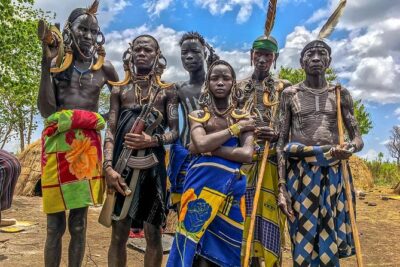

3 days around Arbaminch and Konso Adventure Tours Life Time
Read our review →Danakil Depression, Lalibela, Omo Valley and Simien Mountains
Read our review →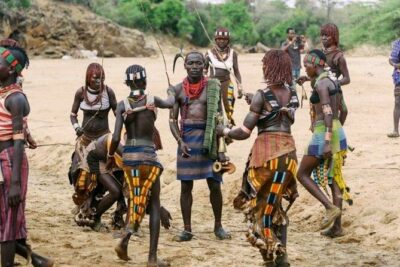

Browse the lists this tour appears in