

Reviewed · OMO VALLEY TRIBE TOURS
Omo Valley Tours ; 8 Days / 7 Nights price Depend on Group size
Come for the people, stay for the long roads. This 8-day Omo Valley tour links Ethiopia’s southern towns, villages, markets, lakes, and highland communities in one carefully planned route. You will see Dorze homes, Mursi lip plates, Hamer bull-jumping traditions, Dassanech villages, and Konso terraces.
I like the private transport and full-board plan, which removes much of the stress from a demanding region. I also like the chance to meet local guides, including Tesfay, praised for his clear English, and Abreham, who guided one particularly well-organized trip. The main drawback is the amount of time spent on the road. Some days involve five to seven hours of driving, and the comfort level depends greatly on your lodge and vehicle.
In This Review
- Five things to know before you go
- Why the Omo Valley deserves eight days
- Day 1: Addis Ababa to Arba Minch and the Dorze hills
- Day 2: Lake Chamo crocodiles and the road to Jinka
- Day 3: Mursi communities and Mago National Park
- Day 4: Hamer traditions on the way to Turmi
- Day 5: Omorate and the Dassanech people
- Day 6: Konso terraces and a change of scenery
- Day 7: Konso to Hawassa for a slower evening
- Day 8: Hawassa fish market and the return to Addis Ababa
- What the $1,600 price covers
- The guide can make or break the experience
- Who should book this Omo Valley tour?
- Should you book it?
- FAQ
- Where does the tour start and end?
- How long is the Omo Valley tour?
- Is the tour private?
- Are meals included?
- Is accommodation included?
- Are domestic flights included?
- Can I visit Key Afar market?
- What happens if bad weather cancels the tour?
Five things to know before you go

- Dorze houses can be moved: In the Guge Mountains, the Dorze build tall, beehive-shaped homes from bamboo. If termites reach the base, the house may be lifted and moved.
- Thursday brings the best market chance: Key Afar’s weekly market is visited if your schedule falls on a Thursday, with Benna, Ari, and other local communities gathering to trade.
- Lake Chamo adds wildlife: A boat ride may bring you close to large crocodiles, hippos, and many birds.
- The route reaches remote communities: Mursi, Hamer, and Dassanech villages are among the main cultural encounters.
- Meals and lodging are included: Breakfast, lunch, dinner, accommodation, transport, entrance fees, and taxes are covered.
- The price changes with group size: The advertised cost is $1,600 per person, but the final rate depends on how many people are traveling together.
Why the Omo Valley deserves eight days

The Lower Omo Valley is one of Ethiopia’s most distinctive regions. It sits within Africa’s Great Rift Valley and is known for its many cultural groups living across a large, demanding area.
This is not a quick sightseeing circuit. The roads between towns take time, and the schedule includes early starts, long drives, and simple lodge stays. In return, you get a broad look at southern Ethiopia rather than a single village visit squeezed into a short excursion.
I like the way the route moves through several kinds of places. You begin in Addis Ababa, climb toward Dorze country, pass through lakes and markets, reach the hotter lowland communities around Turmi and Omorate, then return north through Konso and Hawassa.
The tour is private, so only your own group participates. That matters here. You can discuss timing and requests with the tour team instead of adjusting to a large coach group. One account of the trip praised the staff for handling changes during the journey, a useful sign for a route where weather, roads, and local schedules can affect the day.
More Omo Valley Tribe Tours in Addis Ababa
- 6 Days Omo Valley Tribes Tours From Addis Ababa
★ 5.0 · 33 reviews - 3 Days Omo Valley Tour
★ 5.0 · 24 reviews - Danakil Depression, Lalibela, Omo Valley and Simien Mountains
★ 5.0 · 23 reviews
Day 1: Addis Ababa to Arba Minch and the Dorze hills
Your airport pickup begins at Bole International Airport. Pickup is offered regardless of your arrival time, which is helpful if your flight lands late or at an awkward hour.
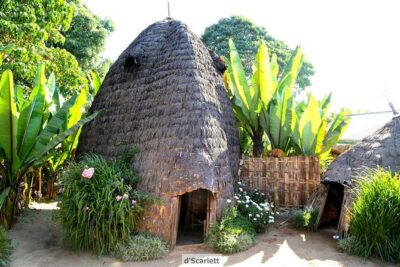
The drive to Arba Minch takes about six hours. The reward is a visit to a Dorze village in the Guge Mountains. The Dorze are famous for their tall bamboo houses, shaped somewhat like beehives. The design is not just decorative. If termites damage the base, the entire structure can be lifted and moved to a safer spot.
That detail makes the visit more than a photo stop. You get a clear look at how local building methods respond to the environment and available materials. The Dorze are also known for their distinct community life and craft traditions, though the supplied schedule does not promise a specific demonstration.
You spend the night at a lodge, with breakfast, lunch, and dinner included. After an airport arrival and a long drive, do not expect a gentle first day. It is a useful introduction, but you should arrive ready for several hours in the vehicle.
Day 2: Lake Chamo crocodiles and the road to Jinka
The morning begins with a boat trip on Lake Chamo near Arba Minch. Large crocodiles sun themselves along the banks, while hippos and birdlife add movement to the water. This is one of the tour’s strongest nature stops because it breaks up the cultural visits with a chance to see wildlife at close range from the boat.
You then drive toward Jinka, with visits or stops connected to the Gamo and Derashe peoples. The route continues through a part of southern Ethiopia where communities live in different settings and maintain their own customs.
If the day is Thursday, the plan includes Key Afar’s weekly market. This is one of the schedule’s most useful details. Market days create a natural meeting point for people from nearby communities, including Benna and Ari groups. You can expect a more active setting than a visit to a single village, with goods being brought together for barter and sale.
The condition is simple: Thursday matters. If your dates do not match, the market portion may not happen as described. Ask about this before booking if the market is a major reason you want the tour.
The drive takes about five hours, followed by a lodge night in or near Jinka. You will have meals included, but the road time remains part of the price of reaching the Omo Valley.
Day 3: Mursi communities and Mago National Park
An early start takes you into Mago National Park to visit the Mursi people. Mursi women are widely known for the clay plates traditionally placed in the lower lip. This is a cultural practice you may find striking, but it should be approached with care and respect rather than treated as a spectacle.
The visit is one of the most talked-about parts of the route, and it is also one of the places where a good guide matters most. A guide can provide context, help you understand local customs, and explain appropriate behavior around photography and personal space.
If time allows, you visit the Omo Valley Museum in Jinka. The words if time allows are important. The day includes the early drive, the national park, and the community visit, so the museum should be viewed as an extra rather than a guaranteed centerpiece.
You return to your lodge after about five hours of driving. This is a shorter driving day than some others, though the early departure may make it feel full. I would keep the evening quiet and use it to rest rather than plan extra activities.
A different sort of day out, same part of Ethiopia:
- Full Day Tour of Addis Ababa with Hotel Pickup and Drop-off
★ 5.0 · 430 reviews - Taste of Ethiopia
★ 5.0 · 406 reviews - Day Trip From Addis Ababa See Historical Monastery,Stunning Nature,Animals,Birds
★ 5.0 · 303 reviews - Addis Ababa: Debre Libanos, Blue Nile Gorge, and Cave Tour
★ 4.5 · 256 reviews
Day 4: Hamer traditions on the way to Turmi

The route continues to Turmi, home to the Hamer people. The schedule highlights body scarring, clay-shaped hairstyles, and bull-jumping, a rite that a young man must complete before marriage.
These customs are often the reason people choose an Omo Valley trip, but the timing of ceremonies can never be treated as guaranteed from the schedule alone. Bull-jumping is a particular event, not a daily performance. If seeing it is essential, ask Ethio Tours about local timing before you pay.
Along the way, you also visit or pass through communities connected with the Benna and Ari peoples. That variety is valuable because the journey is not built around one single cultural encounter.
The drive lasts about six hours. After reaching Turmi, you spend the night at a lodge. This is another day when the private arrangement helps. Your group can discuss the pace and spend more time at a meaningful stop if local conditions permit, though any changes remain subject to the guide and local access.
Day 5: Omorate and the Dassanech people
Day five takes you to Omorate to visit the Dassanech people. The excursion is listed as a return trip from Turmi, with another lodge night in Turmi.
This is one of the more remote portions of the route. You should expect the day to be shaped by distance and road conditions rather than by a tightly timed series of attractions. The Dassanech visit gives you another view of life in the Lower Omo Valley and helps explain the region’s remarkable cultural range.
The schedule allows about six hours for the day’s driving. That figure does not mean six uninterrupted hours behind the wheel, but it does show why comfortable transport and a patient attitude are important.
I like that the tour gives a full day to this area instead of trying to fold Omorate into a rushed transfer. At the same time, you should be prepared for a basic setting and a less polished tourist experience. That is part of the appeal, but it also means you should not expect the facilities of Addis Ababa.
Day 6: Konso terraces and a change of scenery

After the lowland communities around Turmi and Omorate, the route turns toward Konso. The drive takes about five hours.
Konso is known for ancient terraces and carefully planned villages spread across the highlands. The Konso Cultural Centre is included, and the area has UNESCO World Heritage status. This stop adds depth to the trip because it shows another way people have adapted to difficult ground through farming, stonework, and organized settlement.
The contrast with the Omo Valley lowlands is one of the route’s best features. You move from hot, remote village areas to a highland setting with terraces and structured communities.
You spend the night at a lodge. By this point, you will have completed several long days, so the shorter drive is welcome. The Konso visit also gives the tour a stronger historical and agricultural focus, rather than making every stop about clothing, body art, or ceremonies.
Day 7: Konso to Hawassa for a slower evening

The journey to Hawassa takes about six hours. Hawassa is a lakeside town, and the schedule uses it as a rest stop before the final drive back to Addis Ababa.
This day is less crowded with named activities than the earlier part of the tour. That is a good thing. After repeated early starts and long drives, time at a resort gives you room to slow down, sleep well, and prepare for the final day.
The plan includes breakfast, lunch, and dinner, with an overnight hotel stay. The change from lodge accommodation to a hotel may also bring a little extra comfort, though the exact property is not specified.
I would not choose this tour expecting every hour to be filled with sightseeing. The Hawassa stop shows that the schedule includes breathing room, which can make a major difference on an eight-day road trip.
Day 8: Hawassa fish market and the return to Addis Ababa
The final morning includes a visit to the Hawassa fish market. This gives you a last look at daily commercial life before the long drive north.
The route then heads toward Addis Ababa, with stops at Rift Valley lakes along the way. The drive takes about seven hours, making this the longest stated driving day. Plan to keep your day flexible and avoid booking an early connection from Addis Ababa.
In the evening, you attend a farewell dinner at a traditional Ethiopian restaurant. Dancers and musicians represent several of Ethiopia’s ethnic groups, providing a lively closing note to a trip centered on cultural variety.
Airport transfer is available for a late-night departure upon request. Confirm this arrangement in advance, especially if you are connecting to an international flight.
What the $1,600 price covers
The stated price is $1,600 per person, but the final cost depends on group size. That distinction matters. A private tour can be good value for a small group because the vehicle, guide, meals, lodging, entrance fees, taxes, and transfers are bundled together.
Included items are:
- Private transportation
- Accommodation
- Breakfast, lunch, and dinner
- Entrance fees and other stated admission costs
- All fees and taxes
- Airport pickup and return to the meeting point
Domestic flights are not included. The route is presented as a road journey, so ask how any domestic flight plans would affect the price and schedule before booking.
For eight days, three meals each day, private transport, accommodation, and several major cultural and nature stops, the package is easier to budget than a trip where each meal, guide, and entrance fee is handled separately. Still, value depends on your group size and your expectations about accommodation.
The guide can make or break the experience
The strongest praise focuses on the staff. Tesfay is described as professional, with excellent English, and especially helpful for a solo woman from the United States who felt safe throughout the trip. Abreham guided another well-organized journey, while Melese handled arrangements and responded to requests.
Those details matter in the Omo Valley. The route crosses several regions, involves local customs, and includes remote stops. A guide who communicates clearly can help you understand what you are seeing instead of reducing each visit to a quick photograph.
The tour is private, so you will not be sharing the experience with a large group. That gives you more direct contact with the guide and makes it easier to raise concerns about timing, comfort, or changes.
Who should book this Omo Valley tour?
I would recommend it to you if you want a broad introduction to southern Ethiopia and prefer having transport, lodging, meals, and admissions arranged in advance.
It suits:
- Solo visitors who want private support
- Small groups interested in cultural variety
- People comfortable with long drives
- Visitors who want both wildlife and village visits
- Anyone who values an English-speaking guide
- First-time visitors to the Omo Valley who do not want to organize each transfer alone
It may not suit you if you want a relaxed holiday with short drives, upscale accommodation, or guaranteed ceremonies. The route is active and demanding. You need a moderate level of physical fitness, and you should be comfortable with changing conditions.
Confirmation is provided at booking. Service animals are allowed, and the start and end point is in Bole, Addis Ababa. Free cancellation is available up to 24 hours before the scheduled start time. Poor weather can lead to a different date or a full refund.
Should you book it?
Book this tour if you want the Omo Valley’s major cultural stops in one private, full-board journey and you are ready for long road days. The mix of Dorze homes, Lake Chamo wildlife, Mursi and Hamer traditions, Dassanech communities, Konso terraces, and Hawassa markets gives you a strong range of experiences.
Before paying, confirm the group-size price, lodge standards, the Thursday Key Afar market date, any planned domestic flights, and the possibility of seeing a bull-jumping ceremony. If those details match your expectations, Ethio Tours offers a practical way to reach a remote part of Ethiopia with experienced local support.
FAQ
Where does the tour start and end?
The tour starts at Bole in Addis Ababa, Ethiopia, with airport pickup offered. It ends back at the meeting point in Addis Ababa.
How long is the Omo Valley tour?
The tour lasts approximately eight days and seven nights.
Is the tour private?
Yes. Only your group participates in the activity.
Are meals included?
Yes. Breakfast, lunch, and dinner are included throughout the tour.
Is accommodation included?
Yes. Lodge and hotel accommodation are included.
Are domestic flights included?
No. Domestic flights are not included in the tour price.
Can I visit Key Afar market?
The schedule includes Key Afar’s weekly market if the visit falls on a Thursday. Confirm your dates if this market is important to you.
What happens if bad weather cancels the tour?
If poor weather causes cancellation, you will be offered a different date or a full refund. For other cancellations, you must cancel at least 24 hours before the start time for a full refund.
New on the Addis Ababa list
- Yod Abyssinia Cultural Night: Dinner, Music, and Dance★ 5.0 · 7 reviews
- Locally crafted beer and wine tasting and nightlife in Addis tour★ 5.0 · 6 reviews
- Addis Ababa City Tours Full-Day Tours★ 5.0 · 5 reviews
- Stunning Views Wonchi Crater Lake a Private Day Trip★ 5.0 · 3 reviews
- Visiting the wonders of Lalibela in Three (3) days and Two ( 2) nights★ 5.0 · 2 reviews
- Unique Ethiopian Cooking Class and Coffee Ceremony with a Local in Addis Ababa★ 4.5 · 7 reviews
- Tribes of the Ethiopian Omo Valley – 9 Day Tour★ 5.0 · 5 reviews
- Two days Lake Wenchi and Menagesha Forest★ 5.0 · 3 reviews
Omo Valley Tribe Tours, compared.
6 Days Omo Valley Tribes Tours From Addis Ababa
Read our review →
Lalibela, Axum, Danakil and Omo Valley 8 DAYS
Read our review →

3 days around Arbaminch and Konso Adventure Tours Life Time
Read our review →Danakil Depression, Lalibela, Omo Valley and Simien Mountains
Read our review →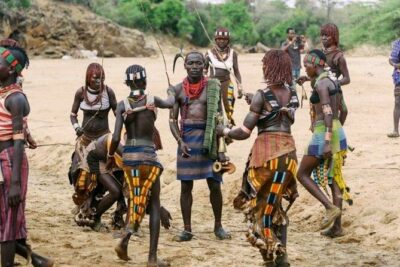

Browse the lists this tour appears in