
Reviewed · OMO VALLEY TRIBE TOURS
Omo Valley Tribes Photography Tour by Locals
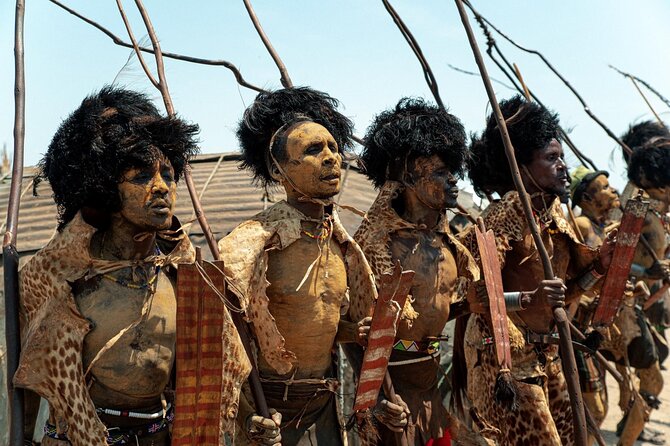
Come for the portraits, stay for the people. This seven-day journey from Addis Ababa reaches the Dorze, Konso, Hamer, Mursi, Karo, Bena, Dasenech, Ari, Tsemai, and Woyto communities, with markets and village visits along the way. I especially like the chance to combine photography with local craft, food, farming, and daily life, rather than simply driving past villages. The other strong point is the small maximum of eight people, which should make a shared vehicle and guide easier to manage. The main drawback is the long road time, with some days involving several hours in the vehicle and a route that may shift around market days.
You get a lot for the $1,250 price: transport, a shared guide, meals, bottled water, lodging arrangements, entrance fees where listed, and even a camera if requested. I also like the range of settings, from Lake Chamo’s crocodiles and hippos to Mago National Park and the steep country around Dorze. You should still come prepared for basic conditions, changing plans, and a trip built more around access and cultural contact than comfort.
In This Review
- Key points to know before you book
- Why this seven-day Omo Valley trip is different
- Day 1: Dorze weaving and beehive houses
- Day 2: Lake Chamo, Woyto, and the road to Turmi
- Day 3: Dimeka markets and an Omo River crossing
- Day 4: Jinka, Dimeka, and Bena country
- Day 5: Mursi villages in Mago National Park
- Day 6: Konso terraces, waka statues, and Arba Minch
- Day 7: Langano and the long return to Addis Ababa
- What the $1,250 includes, and what it does not
- Who will enjoy this trip most
- Practical advice for better photographs
- Should you book the Omo Valley photography tour?
- FAQ
- Where does the tour begin?
- How long does the tour last?
- How many people can join the tour?
- Is pickup available?
- What meals are included?
- Is bottled water included?
- Can I request a camera?
- What physical fitness level is required?
- Can I cancel for a full refund?
Key points to know before you book
- Market days shape the route: Dimeka is especially useful on Tuesdays and Saturdays, Key Afar on Thursdays, and Konso on Mondays and Thursdays.
- Photography is the central theme: You can request a camera, but bring your own equipment if you have it and confirm what is available before departure.
- The group is capped at eight people: That is a useful size for a shared vehicle and for working with a guide in villages and markets.
- The route covers serious ground: You pass through the Great Rift Valley, Arba Minch, Turmi, Jinka, Konso, and Lake Langano before returning to Addis Ababa.
- The tour includes meals: Seven lunches, six breakfasts, and seven dinners are listed, along with bottled water.
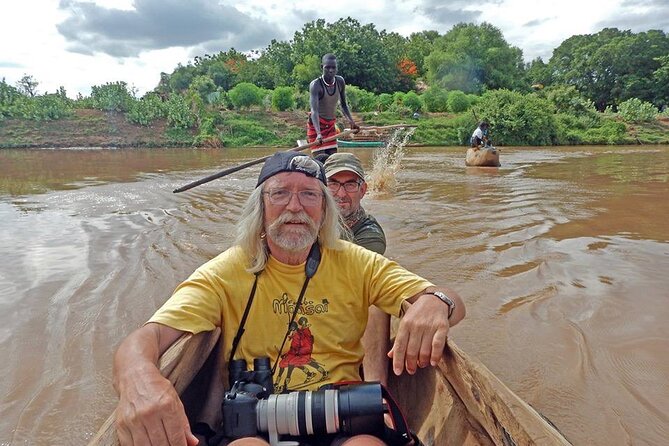
- Physical demands are moderate: Expect road travel, village walking, a hike near an Ari village, and a local boat crossing on the Omo River.
Why this seven-day Omo Valley trip is different
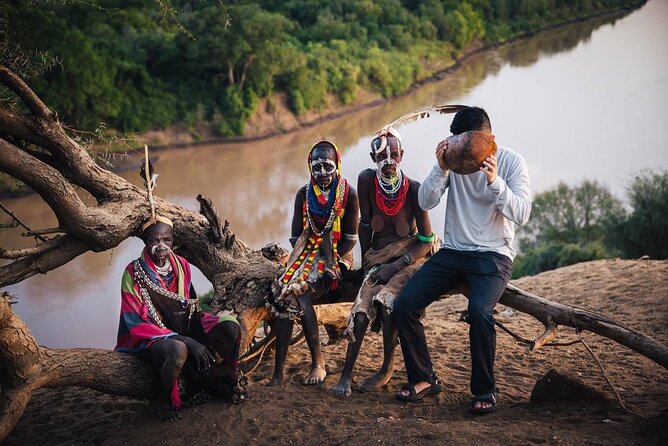
Many Ethiopia tours focus on monuments and city sights. This one points south, where the appeal comes from people, markets, handmade objects, farming methods, clothing, ceremonies, and the striking variety of communities living across the Omo region.
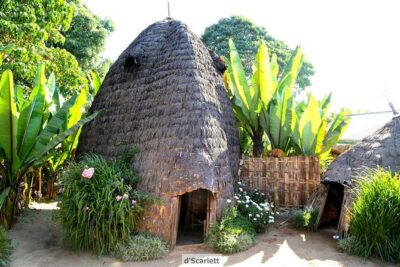
The photography angle is important. You are not signing up for a quick photo stop at one village. The route includes several communities, each with different traditions and visual details. Dorze houses have tall, beehive-like forms made from woven thatch. Mursi women are known for lip and earlobe plates. Konso is associated with terraced agriculture and waka statues. Hamer evening dancing may be possible in Turmi.
That range gives you more than a collection of portraits. You can photograph architecture, textiles, markets, boats, cooking, landscapes, wildlife, and work. It also gives your guide several ways to adjust the day if weather, road conditions, or market schedules affect the plan.
You should keep your expectations sensible. The phrase living with local tribes suggests close contact, but the listed overnight stays are in Dorze or Arba Minch, Turmi, Jinka, and Konso area accommodations. This is a guided cultural road trip with village visits, not a homestay program every night.
More Omo Valley Tribe Tours in Addis Ababa
- 6 Days Omo Valley Tribes Tours From Addis Ababa
★ 5.0 · 33 reviews - 3 Days Omo Valley Tour
★ 5.0 · 24 reviews - Danakil Depression, Lalibela, Omo Valley and Simien Mountains
★ 5.0 · 23 reviews
Day 1: Dorze weaving and beehive houses
The trip begins by heading south from Addis Ababa through the Great Rift Valley. Lunch is planned in Sodo, followed by a scenic drive toward Chencha and the mountain village of Dorze.
The Dorze visit is one of the best early introductions to the trip because it has more to offer than portrait photography. The community is known for cotton weaving, including the traditional cloth called shamma. You can also see how Dorze homes are built from woven thatch and shaped like tall beehives.
A particularly useful part of the visit is learning about the false banana plant. The plant is used to make kocho, a traditional bread-like food. You may have the chance to help prepare it, which gives your camera a subject with a clear story behind it: cultivation, processing, cooking, and eating.
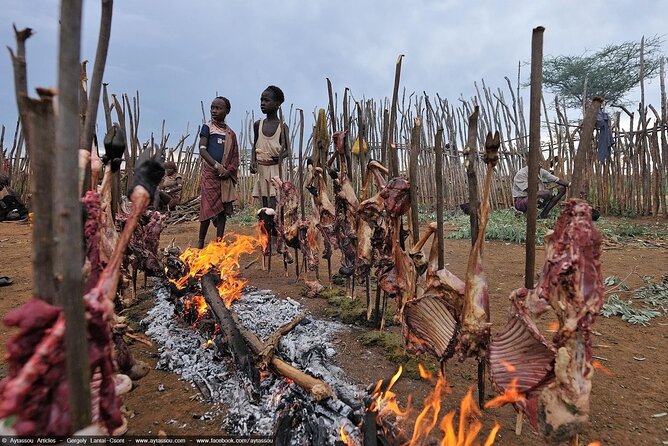
There is also an optional evening plan involving a bonfire, preparing a goat for dinner, and cooking with local people. Treat this as an option, not a guaranteed feature. It may appeal to you if you want a hands-on cultural evening, but it is not the right fit for every visitor.
The overnight is listed as Dorze or Arba Minch. Because the first day includes several hours of driving, you should expect a full start rather than a gentle arrival day. The reward is a strong mix of mountain views, textile work, food, and architecture before the trip reaches the Omo Valley proper.
Day 2: Lake Chamo, Woyto, and the road to Turmi
Day two begins around Arba Minch with a visit to Lake Chamo, part of Nechisar National Park. The area is known for its large crocodile population, and the section nicknamed the crocodile market is the main wildlife stop.
You might also see hippos. This is not a safari with a guaranteed animal count, so bring patience and a lens suited to wildlife if you have one. Even if the animals stay out of sight, the lake adds welcome variety after the first day’s cultural visits.
From there, the route runs toward Turmi through a chain of communities and market towns. You pass Konso, Weyto, Key Afar, and Dimeka, with opportunities tied to the local calendar. Weyto is associated with the Tsemai community, Key Afar with the Bena, and Dimeka with Hamer and Karo trading activity.
A short stop with the Woyto community is also included. If the timing falls on Monday, you may visit a local market. This is a good example of why the precise feel of the trip depends on the day of the week. A market can turn an ordinary roadside stop into a lively meeting point for people from across the region.
Turmi is home to the Hamer community. At night, you might be able to see evangadi, a traditional Hamer dance. The wording matters here: it is a possibility, not a nightly performance arranged for every group. That uncertainty is part of the appeal, but you should not book the trip solely for this one event.
Day 3: Dimeka markets and an Omo River crossing
The third day focuses on the route between Turmi and Jinka, with another chance to pass through Dimeka and Key Afar. Dimeka market days are Tuesday and Saturday, and the market can bring together Hamer, Bena, and Karo communities.
For photographers, this may be one of the strongest parts of the trip. Markets give you movement and context. You can look beyond posed portraits and work with hands sorting goods, people carrying baskets, fabrics, tools, livestock, and groups arriving from different villages.
You need to approach this carefully. Ask your guide how to handle photography in each place, and do not treat people as props. A good guide is especially valuable here because the difference between a respectful portrait and an awkward encounter can be as simple as knowing when to ask, when to wait, and when to put the camera away.
The route also reaches Omo Rate, an isolated village in the Omo delta. You cross the Omo River in a locally made boat to visit the Dasenech community. The crossing is a memorable change of pace, but it may feel basic compared with a standard sightseeing boat. Keep your camera protected from splashes and follow the guide’s instructions.
The itinerary places overnight stays at Turmi Lodge and later at a hotel in Jinka. Since the schedule contains overlapping references to Turmi and Jinka, ask the operator for the final day-by-day routing before you leave. The market calendar is central to this journey, so a small adjustment can be useful rather than a problem.
A different sort of day out, same part of Ethiopia:
- Full Day Tour of Addis Ababa with Hotel Pickup and Drop-off
★ 5.0 · 430 reviews - Taste of Ethiopia
★ 5.0 · 406 reviews - Day Trip From Addis Ababa See Historical Monastery,Stunning Nature,Animals,Birds
★ 5.0 · 303 reviews - Addis Ababa: Debre Libanos, Blue Nile Gorge, and Cave Tour
★ 4.5 · 256 reviews
Day 4: Jinka, Dimeka, and Bena country
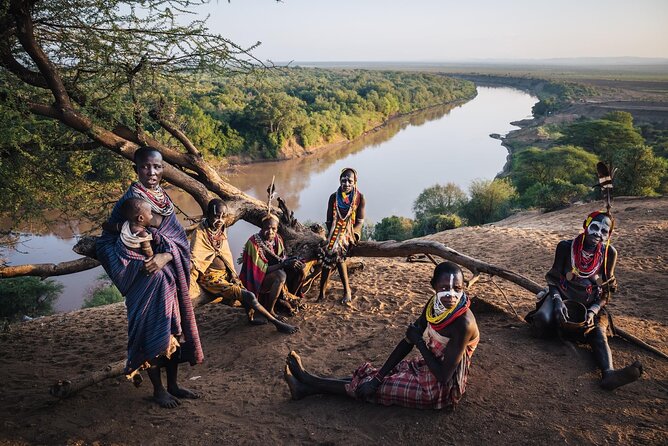
Day four continues around Jinka, Dimeka, and Key Afar. If it is Tuesday, the plan includes the colorful Alduba market and a visit to the Bena community.
The Bena visit gives you another chance to compare regional dress, homes, objects, and customs with what you have already seen among the Hamer, Dasenech, and Woyto. That comparison is one reason a multi-community trip has value. You begin to notice differences instead of placing every southern Ethiopian culture into one broad category.
The overnight is listed at Nasa Hotel in Jinka. The schedule again includes several hours of driving, so this is not a day for a slow morning followed by one short activity. The best approach is to keep your camera accessible, carry water, and accept that some of the most worthwhile moments may happen between the named stops.
The market schedule deserves careful attention. Dimeka is listed for Tuesdays and Saturdays, while Key Afar is listed for Thursdays. If a market is a major reason for your booking, confirm that your departure date matches the relevant day. The operator may adjust the order, but you should not assume every market will be open on every tour date.
Day 5: Mursi villages in Mago National Park
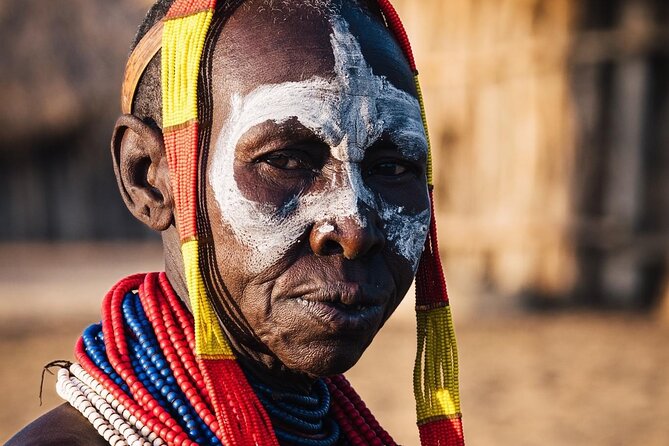
Day five brings the most famous photographic stop: a Mursi village reached by driving through Mago National Park. Mursi women are widely known for lower lip and earlobe plates, with the size of a lip plate traditionally linked to bride price.
This is a powerful visual subject, but it also calls for care. You are entering a community where people have often been photographed by outsiders. Let your guide explain local expectations, and remember that a striking image is not automatically a good image. Take time to see the person, not only the feature that first catches your eye.
After returning to Jinka, you visit the South Omo Museum and Research Center. This is a useful pause after the village visit because it can give broader context to the communities you have seen. It also helps you avoid leaving with a collection of disconnected photographs and simplified ideas.
The day includes a hike in the surrounding hills to an Ari village. You may see local work such as blacksmithing and the distilling of areki, a local gin. The hike adds a modest physical element, so the stated moderate fitness requirement should be taken seriously. You do not need an extreme level of fitness based on the information provided, but comfortable walking shoes are sensible.
The accommodation is listed as NASA Hotel. The day combines driving, a national park visit, a village, a museum, and a walk, making it one of the fullest days on the schedule.
Day 6: Konso terraces, waka statues, and Arba Minch
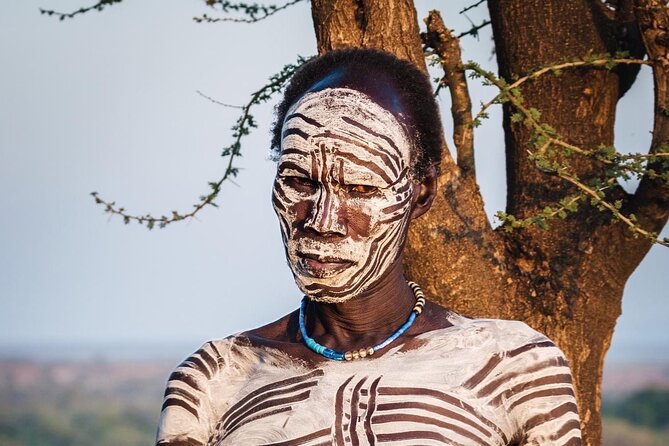
The route turns north from Jinka toward Konso, passing through Key Afar. If the timing is Thursday, you may catch the Key Afar market, where Bena and Tsemai communities trade goods.
Konso offers a different kind of cultural visit. The community is known for carefully built agricultural terraces and waka, wooden statues honoring dead heroes. You visit a local village and a cultural museum displaying these statues.
For photography, Konso can be a welcome change from portrait work. Terraces create strong lines and patterns, while carved wooden figures offer detail and atmosphere. The visit also shows how farming methods shape the land around a community.
If time allows, you may visit the natural New York Village, named for tall sand formations that resemble skyscrapers. The name is playful, but the formations provide another visual break from markets and villages.
The day ends with the drive to Arba Minch and an overnight at Mora Height Lodge. The schedule lists about three hours of driving, though road travel in this region can take longer depending on conditions. Keep some flexibility in your plans, especially if you have a flight or other fixed commitment after the tour.
Day 7: Langano and the long return to Addis Ababa
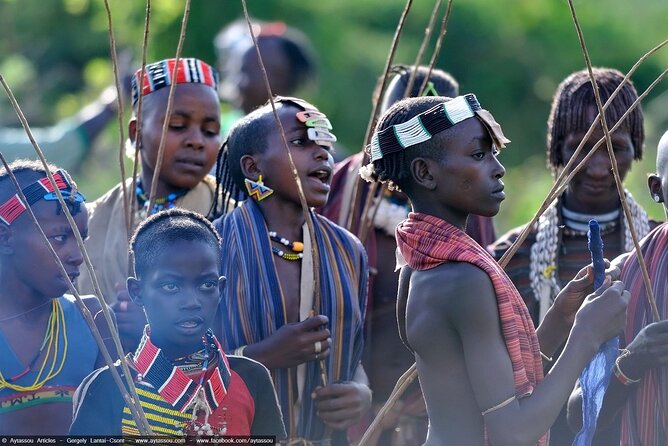
The final day is a full drive back to Addis Ababa, with a stop at Lake Langano for refreshments and lunch. This gives you one last Rift Valley setting before returning to the capital.
The schedule also allows time, if available, for archaeological sites not visited earlier. This is a useful bonus, but it should not be treated as guaranteed. The main job of day seven is getting you back to Addis Ababa.
An optional evening plan includes shopping, a folkloric dinner, dances from different Ethiopian ethnic groups, national dishes, and a traditional coffee ceremony. Your departure schedule determines whether this is possible. Airport transfer is also mentioned, so confirm the timing if you are flying that night.
After six nights away and many hours on the road, the final day may feel tiring. Still, the route gives you a broad look at southern Ethiopia, from Rift Valley lakes to Omo Valley communities and the agricultural country around Konso.
What the $1,250 includes, and what it does not
At $1,250 per person, the price is easier to judge when you consider the distance covered and the number of services bundled into one trip. You receive an air-conditioned vehicle, a shared guide, bottled water, listed fees and taxes, seven lunches, six breakfasts, and seven dinners.
A camera can be provided if requested. I would confirm the make, condition, lenses, memory cards, and battery arrangements before relying on it. If photography is your main reason for booking, your own camera gives you more control.
The tour does not include a visa, tips, laundry, or alcoholic drinks. Ethiopia’s minimum drinking age is listed as 21. You should also budget for any personal expenses not covered by the meal plan.
The maximum group size is eight. That is not a private tour, but it is small enough to keep the vehicle from becoming unwieldy. Ask how many people are actually booked for your departure, since the maximum is not the same as the usual group size.
Who will enjoy this trip most
This tour suits you if photography is a serious interest, but you also want cultural explanation and varied scenery. It is a good match for someone who prefers a full route over a slow resort-style holiday.
You will likely appreciate it if you can handle long drives, basic local transport on the river crossing, moderate walking, and plans that depend on market days. The trip also works well for photographers who want portraits, but the itinerary gives you many other subjects, including wildlife, food, textiles, houses, statues, terraces, and markets.
It may not suit you if you need fixed timings, polished accommodation at every stop, or guaranteed access to a specific ceremony. The Hamer dancing, animal sightings, archaeological visits, and some market stops depend on timing and local conditions.
The tour is booked about six days ahead on average, but that should not stop you from asking detailed questions before paying. Confirm the exact accommodation, group size, vehicle arrangements, camera details, market-day routing, and airport plan.
Practical advice for better photographs
Keep spare batteries and memory cards easy to reach. The days are long, and you may not have the chance to stop and reorganize your camera bag when an interesting market or village scene appears.
Bring a lens that can handle both people and wider scenes if you have one. Lake Chamo, the terraces around Konso, Dorze homes, and the Omo River need a different approach from close portraits.
Ask permission through the guide before photographing people. This is especially important in villages and markets, where a camera can change the mood quickly. A respectful pause often produces a better photograph than rushing in.
Pack light clothing for warm areas, a layer for higher Dorze country, walking shoes, sun protection, and a way to protect equipment from dust and water. Bottled water is included, but your own refillable bottle can still be useful during long road sections.
Should you book the Omo Valley photography tour?
Book it if you want a broad, people-focused tour of southern Ethiopia and accept that the road is part of the experience. The strongest reasons are the variety of communities, the market calendar, the Mursi and Dorze visits, the Mago National Park section, and the chance to photograph daily life with a local guide.
Think twice if you want a tightly scripted itinerary or guaranteed ceremonies. At this price, the package offers solid value for transport, meals, guiding, and access across a difficult-to-cover region, but the trip asks you to trade comfort and certainty for reach and cultural variety.
Before booking, send the operator a short list of questions about market dates, hotels, the final route, camera equipment, and how photography is handled in villages. If those answers match your expectations, this is a strong choice for an adventurous photographer who wants more than a quick portrait stop.
FAQ
Where does the tour begin?
The meeting point is Hyatt Regency Addis Ababa at Meskel Square in Addis Ababa, Ethiopia.
How long does the tour last?
The tour lasts approximately seven days.
How many people can join the tour?
The maximum group size is eight travelers.
Is pickup available?
Yes, pickup is offered.
What meals are included?
The package includes seven lunches, six breakfasts, and seven dinners.
Is bottled water included?
Yes, bottled water is included.
Can I request a camera?
Yes, a camera is available if requested.
What physical fitness level is required?
A moderate level of physical fitness is recommended. The itinerary includes village walking, a hike near an Ari village, road travel, and a local boat crossing.
Can I cancel for a full refund?
Yes, you can receive a full refund if you cancel at least 24 hours before the experience start time. Cancellations or changes made within 24 hours are not accepted for a refund.
New on the Addis Ababa list
- Yod Abyssinia Cultural Night: Dinner, Music, and Dance★ 5.0 · 7 reviews
- Locally crafted beer and wine tasting and nightlife in Addis tour★ 5.0 · 6 reviews
- Addis Ababa City Tours Full-Day Tours★ 5.0 · 5 reviews
- Stunning Views Wonchi Crater Lake a Private Day Trip★ 5.0 · 3 reviews
- Visiting the wonders of Lalibela in Three (3) days and Two ( 2) nights★ 5.0 · 2 reviews
- Unique Ethiopian Cooking Class and Coffee Ceremony with a Local in Addis Ababa★ 4.5 · 7 reviews
- Tribes of the Ethiopian Omo Valley – 9 Day Tour★ 5.0 · 5 reviews
- Two days Lake Wenchi and Menagesha Forest★ 5.0 · 3 reviews
Omo Valley Tribe Tours, compared.
6 Days Omo Valley Tribes Tours From Addis Ababa
Read our review →
Lalibela, Axum, Danakil and Omo Valley 8 DAYS
Read our review →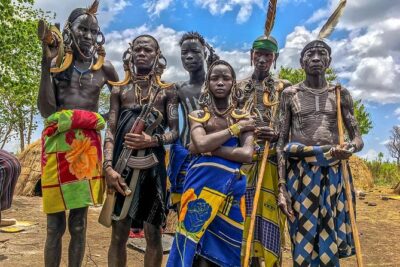
3 days around Arbaminch and Konso Adventure Tours Life Time
Read our review →Danakil Depression, Lalibela, Omo Valley and Simien Mountains
Read our review →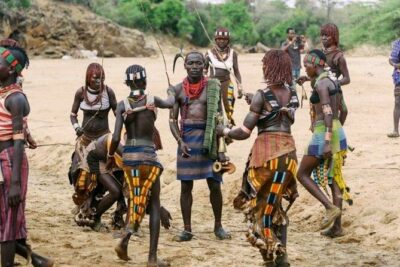

Browse the lists this tour appears in