
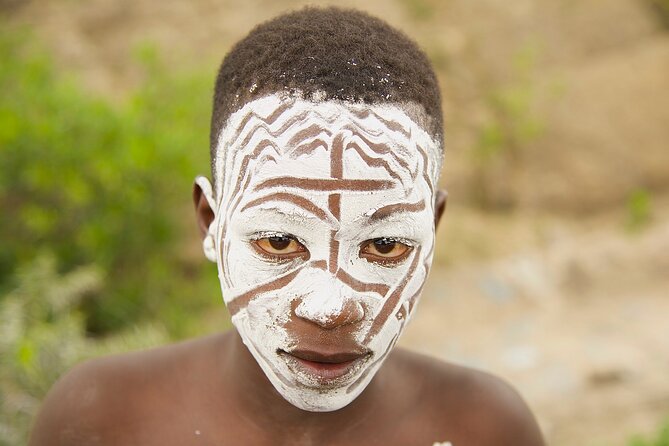
Reviewed · OMO VALLEY TRIBE TOURS
Photography Expeditions to Omo Valley
The Omo Valley changes how you see Ethiopia. This six-day private photography trip links remote villages, wildlife, markets, and striking traditions across southern Ethiopia, with transport, meals, village fees, and a photography fee built into the package. I like the small private format, which lets your group of up to seven work at a more suitable pace, and I like the careful route from Jinka through Turmi and Arba Minch. The main drawback is the demanding schedule, with long drives, early starts, rougher regional travel, and several cultural encounters that require patience and respect.
I also like that the operator, Ethiopian Photography Tours, has experience shaping trips around photography rather than simply rushing you from one sight to the next. Past guests specifically praised Mulugeta, also referred to as Mulle, and a guide called Captain for handling plans well when conditions changed. Still, you should confirm flight arrangements, hotel details, and the exact timing of ceremonies before paying, since the itinerary leaves some of those points flexible.
In This Review
- Six details that define this Omo Valley trip
- Why this route is worth six demanding days
- Day 1: Jinka, Ari village, and a quick start
- Day 2: Mursi highlands, Mago National Park, and Hamer country
- Day 3: Karo painting at Korcho and possible Hamer ceremony
- Day 4: A canoe across the Omo River to Dassanech villages
- Day 5: The long transfer to Arba Minch and Lake Chamo
- Day 6: Dorze and Chencha villages before returning to Addis Ababa
- What the $3,312.83 group price really means
- Who will get the most from this trip
- Booking advice and practical checks
- Should you book Photography Expeditions to Omo Valley?
- FAQ
- Where does the tour start and end?
- How long does the experience last?
- How many people can join the private tour?
- Is transportation included?
- Are meals included?
- What photography-related costs are included?
- What is not included in the price?
Six details that define this Omo Valley trip
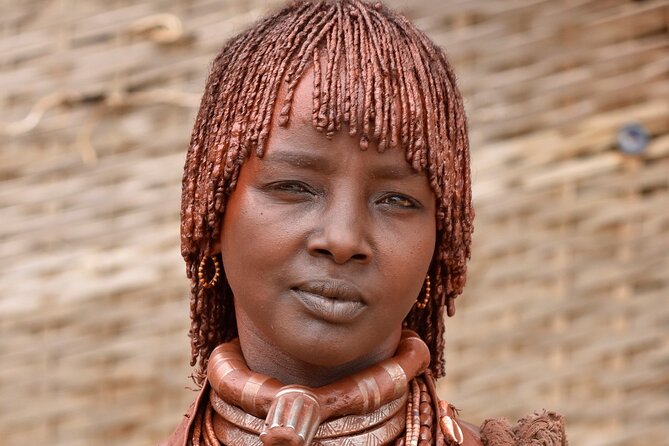
- Mursi villages near Mago National Park: See the community famous for its decorative lower-lip plates and photograph local customs with a photography fee included.
- Karo body painting at Korcho: Meet artists known for clay and plant-pigment designs, plus striking hairstyles decorated with ochre and ostrich feathers.
- Hamer country around Turmi: Visit markets and possibly photograph a bull-jumping rehearsal or ceremony, depending on local timing.
- Dassanech villages by canoe: Cross the Omo River to meet a semi-nomadic community whose clans extend through Ethiopia, Kenya, and Sudan.
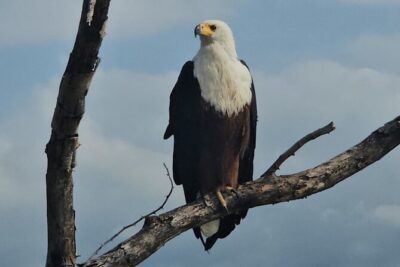
- Lake Chamo wildlife by boat: Look for crocodiles, hippos, African fish eagles, flamingos, herons, storks, and kingfishers.
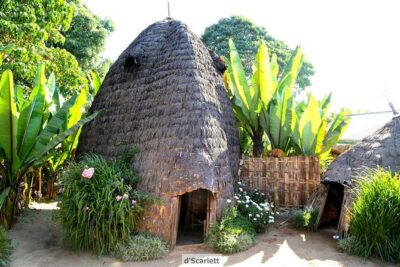
- Dorze houses and weaving: Finish among beehive-shaped homes, woven cotton, mountain villages, and small household gardens near Arba Minch.
Why this route is worth six demanding days
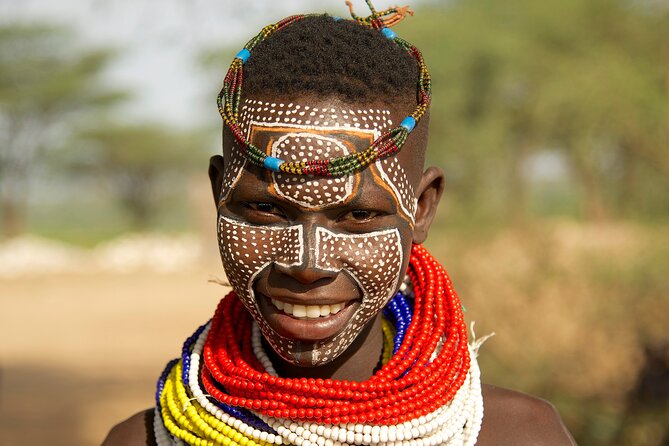
The Omo Valley is not one single culture or one easy photo stop. At least 30 ethnolinguistic groups live within this relatively small region, and each community has its own clothing, body decoration, hairstyles, language, and customs.
That variety is the heart of the trip. In six days, you move from the Mursi highlands to Hamer settlements, Karo villages, Dassanech territory, Lake Chamo, and the Dorze area. You are not simply collecting portraits. You are seeing how culture, geography, farming, trade, and movement across borders shape daily life.
I appreciate the route because it includes more than the most famous images. The lip plates of Mursi women may draw the most attention, but the trip also makes room for markets, woven cloth, village architecture, river crossings, birds, crocodiles, and local ceremonies.
This is also a private tour, not a large coach outing. Your group can include up to seven people, which matters for photography. You have fewer people crowding around a subject, and you can discuss timing and photo priorities with your guide. The trade-off is that a private vehicle does not remove the challenges of southern Ethiopia. Drives can be long, days begin early, and the itinerary packs a lot into a short period.
More Omo Valley Tribe Tours in Addis Ababa
- 6 Days Omo Valley Tribes Tours From Addis Ababa
★ 5.0 · 33 reviews - 3 Days Omo Valley Tour
★ 5.0 · 24 reviews - Danakil Depression, Lalibela, Omo Valley and Simien Mountains
★ 5.0 · 23 reviews
Day 1: Jinka, Ari village, and a quick start
After pickup in Addis Ababa, the first day offers a choice between the National Museum and the open market called Merkato. This is a useful option if you have not spent time in Addis Ababa, though the schedule does not promise a long visit to either place.
Later, you fly from Addis Ababa to Jinka and meet the driver at the airport. From there, the plan continues to Ari village. The listed timing is about four hours, but that figure likely includes the day’s transfers and visits rather than four full hours in the village.
Jinka is the practical base for the southern portion of the trip. The Ari visit gives you an early cultural stop before the more remote outings begin. I would treat this day as an orientation day, not a relaxed arrival. If your flight or airport transfer runs late, the village visit may feel compressed.
The package includes an air-conditioned vehicle, which is a meaningful comfort in a region where road travel takes up much of the day. Village entrance fees and the photography fee are also included, helping limit small surprises once you are on the route.
Day 2: Mursi highlands, Mago National Park, and Hamer country
Day two is the most ambitious transfer day. You leave early for Mago National Park and continue into the Mursi highlands, then return to Jinka for lunch before driving onward to Turmi through Dimeka.
The Mursi are known internationally for the decorative plates worn in the lower lips of some women. The cultural meaning and personal context behind this tradition deserve care. The women are not simply photographic props, so ask your guide how portraits should be handled and follow local expectations around the included photography fee.
For photographers, the Mursi visit offers strong visual details: lip plates, body decoration, clothing, and the highland setting. Yet the value of the stop depends on how the encounter is managed. A respectful approach is more important than collecting a dramatic close-up.
After lunch in Jinka, the trip turns toward Turmi and Hamer territory. The route may include Alduba market, and the plan also mentions Dimeka. Markets can provide a broader picture of local life than a staged portrait session, with people meeting, trading, and moving between settlements.
The day is listed at about seven hours. That is a clear warning to pace yourself. You will spend a good part of the day in the vehicle, and the combination of an early start, a village visit, lunch, and a long transfer can leave little energy for evening photography.
Day 3: Karo painting at Korcho and possible Hamer ceremony
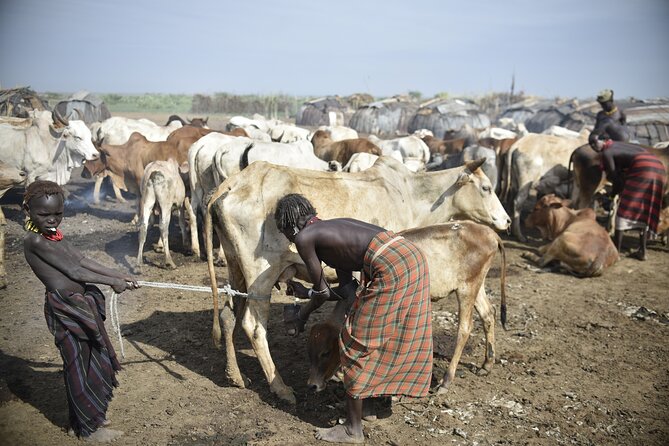
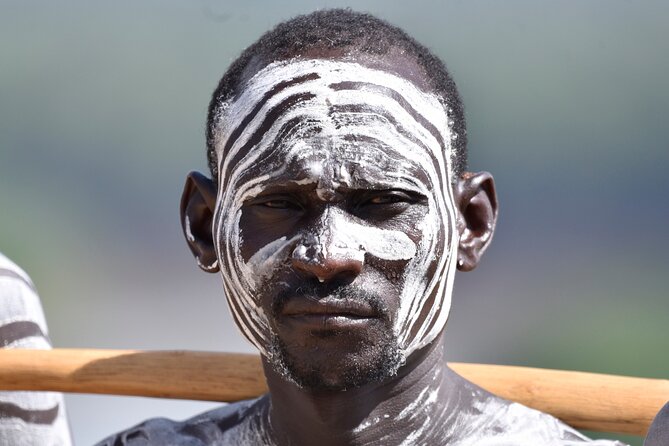
The morning drive takes you to the Karo ethnic group at Korcho. The Karo are known for body painting made from clay and locally available plant pigments. Designs may cover faces, chests, arms, and legs, and the description presents them as creative and decorative rather than tied to one fixed symbolic code.
Karo men may also wear sculpted or shaved hairstyles with ochre hair caps and ostrich feathers. These details give you more than one photographic subject. Look closely at the texture of the pigments, the shapes of the hair, and the way people present themselves rather than aiming only for a face portrait.
The return to Turmi may bring a chance to photograph a bull-jumping rehearsal or ceremony. The wording matters: this is a possibility, not a guarantee. Local events do not run on a sightseeing timetable, so you should see this as an opportunity that may depend on the day.
At about four hours, day three is less punishing than day two. That leaves more room for conversation with the guide, careful composition, and a slower approach to photography. The village entrance fee is included on this day.
A good guide is especially important here. One of the strongest themes in the feedback for Ethiopian Photography Tours is the company’s ability to adjust when plans change. That matters in the Omo Valley, where ceremonies and local activity may not fit a fixed schedule.
A different sort of day out, same part of Ethiopia:
- Full Day Tour of Addis Ababa with Hotel Pickup and Drop-off
★ 5.0 · 430 reviews - Taste of Ethiopia
★ 5.0 · 406 reviews - Day Trip From Addis Ababa See Historical Monastery,Stunning Nature,Animals,Birds
★ 5.0 · 303 reviews - Addis Ababa: Debre Libanos, Blue Nile Gorge, and Cave Tour
★ 4.5 · 256 reviews
Day 4: A canoe across the Omo River to Dassanech villages
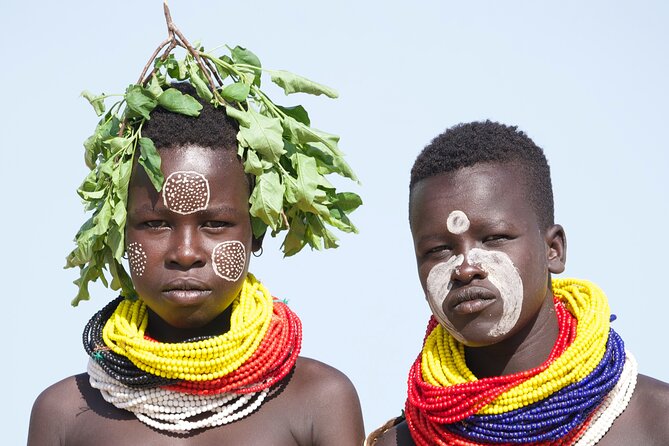
Day four begins early with a drive to the edge of the Omo River. You cross by canoe to visit a Dassanech village, then return to Turmi for a quieter afternoon or additional photography in town.
The Dassanech are described as a semi-nomadic community of about 40,000 people. Their clans extend across southern Ethiopia, Kenya, and Sudan, so this is a useful reminder that modern national borders do not always match older cultural and family networks.
Their ornate hair buns are a key visual feature. As with all portrait work on this trip, you should rely on your guide for local etiquette and avoid treating a distinctive hairstyle as a costume display. The photography fee is included, but that does not replace courtesy or consent.
The canoe crossing is one of the trip’s most memorable changes of pace. It also adds a practical variable: river conditions and local arrangements can affect the timing. The day is listed at about four hours, leaving the afternoon open for rest or a look around Turmi.
That free time is welcome. After two early starts and long drives, you may prefer to edit photographs, rest, or photograph daily scenes in town rather than chase another formal village visit. The itinerary gives you that choice, which makes day four more flexible than the earlier sections.
Day 5: The long transfer to Arba Minch and Lake Chamo
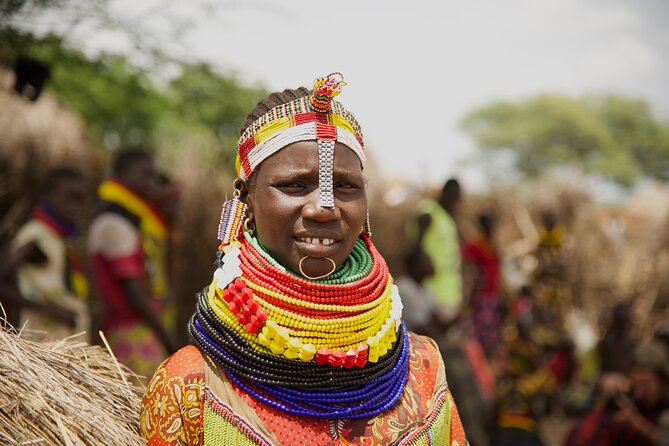
The route now leaves Turmi for Arba Minch. This is another transfer-heavy day, though the planned boat trip on Lake Chamo takes place after 3 p.m.
Lake Chamo is known for its large crocodiles, which can often be seen resting along the northern shores. The boat also offers a chance to photograph hippos and aquatic birds, including African fish eagles, flamingos, herons, storks, and kingfishers.
This is an important change for a photographer. The first four days focus mainly on people, villages, and cultural details. Lake Chamo brings wildlife and open water into the picture, giving you a different set of subjects and a reason to think about longer lenses, reflections, and fast-moving birds.
The boat timing after 3 p.m. may help with softer light, though the exact photographic conditions will depend on the day. The schedule lists about four hours for this stop, but the drive to Arba Minch is the larger practical issue. You should expect a travel day with a major activity at the end, not a full morning-to-evening wildlife session.
The itinerary says lunch, dinner, and breakfast are included for five days each. It also lists an air-conditioned vehicle and the main entrance costs among the inclusions. Personal spending, alcohol, tips, visa costs, and international flights remain your responsibility.
Day 6: Dorze and Chencha villages before returning to Addis Ababa
The final morning takes you about 40 kilometers northwest of Arba Minch into the Guge Mountains. Here you visit Dorze and Chencha villages, areas associated with farming, weaving, and distinctive beehive-shaped homes.
The Dorze are known for finely woven cotton cloth. Their homes are made from organic materials and shaped like beehives, with small gardens containing spices, cabbage, and tobacco. These details make the visit useful for photographers who want to show how architecture and household production fit together.
The Dorze were once warriors and now support themselves through farming and weaving. That shift gives the stop more depth than a quick architecture visit. You can look at the house form, the gardens, and the woven textiles as parts of working village life.
After lunch, you transfer to Arba Minch Airport and fly back to Addis Ababa. Arrival is expected in the late afternoon, followed by a transfer to a hotel where a room is available for day use so you can wash and change before continuing onward.
That day-use room is a thoughtful detail, especially after several days on the road. It is not presented as an overnight stay, so plan your international flight and onward arrangements carefully.
What the $3,312.83 group price really means
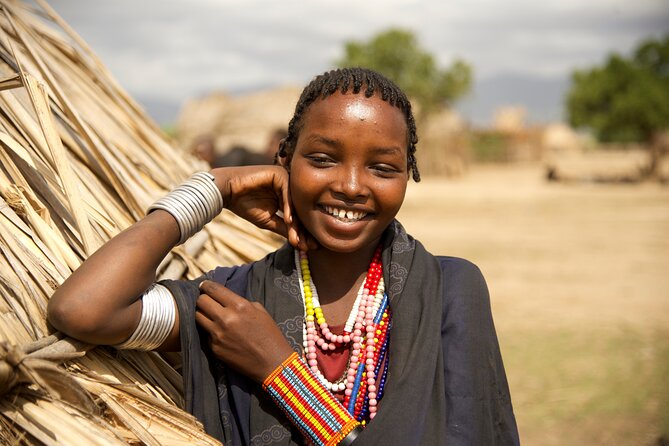
The listed price is $3,312.83 per group of up to seven people, not per person. That can be strong value for a full private itinerary if you fill the vehicle with a group of several photographers or friends.
The price includes an air-conditioned vehicle, village entrance fees, a photography fee, five breakfasts, five lunches, and five dinners. It also includes the organized route, driver support, airport pickup, and the private format.
The key question is group size. Seven people sharing the cost makes the package far cheaper per person than booking alone. A smaller group pays more per person, but gains more space and possibly more flexibility in the vehicle.
You should check the cost of the domestic flights from Addis Ababa to Jinka and from Arba Minch back to Addis Ababa before booking. Flights are mentioned in the route, but they are not clearly listed among the included items. Visa fees, international airfare, personal expenses, tips, and alcohol are also excluded.
Who will get the most from this trip
I would recommend this experience to a serious amateur photographer, a small camera club, or a private group that wants cultural portraits, wildlife, and travel scenes in one route. The company’s stated focus on photography makes it a better fit than a standard sightseeing transfer.
It also suits people who value private planning. The maximum group size is seven, and the company has been praised for organizing the trip before arrival and adjusting when logistical problems arise. Mulugeta, also called Mulle, is specifically associated with trip planning, while Captain is named in connection with guiding.
You should think twice if you need slow mornings, luxury hotels, or a predictable timetable. The route includes early starts, long drives, domestic flights, a canoe crossing, and possible ceremonies that cannot be guaranteed.
You should also prepare yourself emotionally. Images of lip plates, body painting, scarification, and unusual hairstyles can be powerful, but the people you photograph are living communities, not museum displays. A good trip here depends on human respect as much as camera technique.
Booking advice and practical checks
Pickup is offered from Bole in Addis Ababa, and the activity ends back at the meeting point after the return to Addis Ababa. Confirmation is provided when you book, and the activity is described as suitable for most people.
The cancellation policy allows a full refund if you cancel at least 24 hours before the local start time. Changes made within 24 hours are not accepted, and a minimum number of participants is required for the experience to operate. If the operator cancels because that minimum is not reached, you are offered another date or experience, or a full refund.
Before booking, ask the operator to confirm:
- Whether both domestic flights are included in the quoted price
- The exact hotel used for the final day-use room
- Which meals are served on each day
- How the photography fee is handled in each village
- The likely timing of markets and any Hamer bull-jumping event
- The expected vehicle time on the longest driving days
These questions do not weaken the appeal of the trip. They help you understand what you are buying and avoid surprises in a region where plans can shift.
Should you book Photography Expeditions to Omo Valley?
Book it if you want a focused, private route through southern Ethiopia and you are willing to trade comfort and spare time for access to remarkable cultural and wildlife subjects. The combination of Mursi, Hamer, Karo, Dassanech, Dorze, Lake Chamo, and professional photography support gives the six days real range.
I especially like the private group limit, the included photography and village fees, and the company’s record of careful planning around difficult logistics. I would not choose it for a soft, slow holiday, and I would confirm the domestic airfare question before making payment.
For a small group with serious camera interests, Ethiopian Photography Tours offers a practical way to reach places that would be hard to connect on your own. Go with patience, ask before photographing, and expect the Omo Valley to demand as much flexibility from you as it gives back in pictures.
FAQ
Where does the tour start and end?
The tour starts in Bole, Addis Ababa, Ethiopia, with pickup offered. It ends back at the meeting point after returning to Addis Ababa.
How long does the experience last?
The experience lasts approximately six days.
How many people can join the private tour?
The private activity is available for one group of up to seven people.
Is transportation included?
An air-conditioned vehicle is included. The itinerary also includes flights between Addis Ababa and Jinka, and between Arba Minch and Addis Ababa, but the provided inclusions do not clearly state whether the domestic airfare is included in the quoted price.
Are meals included?
Five breakfasts, five lunches, and five dinners are included.
What photography-related costs are included?
The package includes a photography fee and village entrance fees.
What is not included in the price?
Visa fees, international flights, personal expenses, tips, and alcohol are not included.
New on the Addis Ababa list
- Yod Abyssinia Cultural Night: Dinner, Music, and Dance★ 5.0 · 7 reviews
- Locally crafted beer and wine tasting and nightlife in Addis tour★ 5.0 · 6 reviews
- Addis Ababa City Tours Full-Day Tours★ 5.0 · 5 reviews
- Stunning Views Wonchi Crater Lake a Private Day Trip★ 5.0 · 3 reviews
- Visiting the wonders of Lalibela in Three (3) days and Two ( 2) nights★ 5.0 · 2 reviews
- Unique Ethiopian Cooking Class and Coffee Ceremony with a Local in Addis Ababa★ 4.5 · 7 reviews
- Tribes of the Ethiopian Omo Valley – 9 Day Tour★ 5.0 · 5 reviews
- Two days Lake Wenchi and Menagesha Forest★ 5.0 · 3 reviews
Omo Valley Tribe Tours, compared.
6 Days Omo Valley Tribes Tours From Addis Ababa
Read our review →
Lalibela, Axum, Danakil and Omo Valley 8 DAYS
Read our review →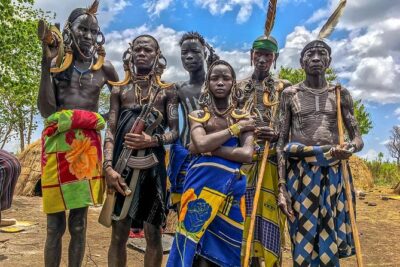
3 days around Arbaminch and Konso Adventure Tours Life Time
Read our review →Danakil Depression, Lalibela, Omo Valley and Simien Mountains
Read our review →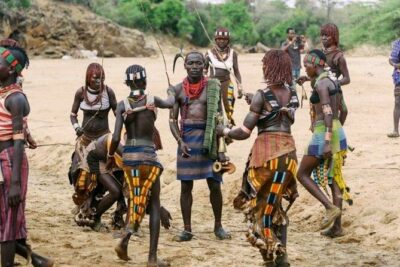

Browse the lists this tour appears in