
Reviewed · OMO VALLEY TRIBE TOURS
TRIBES OF THE OMO VALLEY – 8 Days PHOTOGRAPHY EXPEDITION
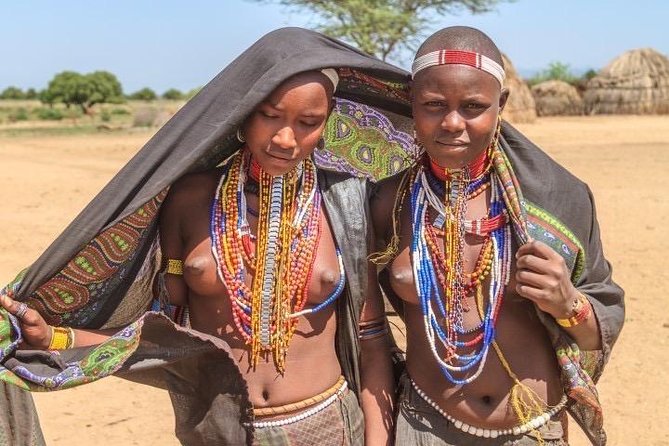
The Omo Valley rewards patience. This eight-day private expedition takes you far beyond Ethiopia’s capital to photograph village life among the Konso, Hamer, Mursi, Ari, and Dassench or Geleb communities. I like the private format, since your group can spend more time with a scene instead of moving to the rhythm of a large coach. I also like the planned mix of villages, markets, ceremonies, body painting, cattle herding, and farming, which gives your camera subjects more variety than a quick sightseeing stop.
The main drawback is the amount of time spent on rough, lengthy road transfers. You also need to budget separately for the domestic flight and photography fees, so the advertised price is not the final cost. Still, the route offers access to a remote part of Ethiopia that is difficult to arrange independently.
In This Review
- What makes this expedition worth considering
- Starting in Addis Ababa at 2,500 meters
- Flying to Arba Minch and meeting the Dorze
- Konso terraces and the long road to Jinka
- Mursi villages, Mago National Park, and Jinka
- Hamer villages around Turmi
- The Omo River and Dassench or Geleb communities
- The long return through Konso to Arba Minch
- Returning to Addis and the Ethiopian farewell
- What the $2,933.08 price really covers
- Practical strengths and limitations
- Should you book this Omo Valley expedition?
- FAQ
- Where does the photography expedition begin?
- How long does the tour last?
- Is airport pickup available?
- Is the tour private?
- What vehicle is used?
- Is the domestic flight included?
- Which communities are included in the route?
- Are photography fees included?
- What meals are included?
- Can I cancel for a full refund?
What makes this expedition worth considering
- A private 4×4 route through southern Ethiopia: Travel is by air-conditioned Land Cruiser, with your own group participating rather than a large public tour.
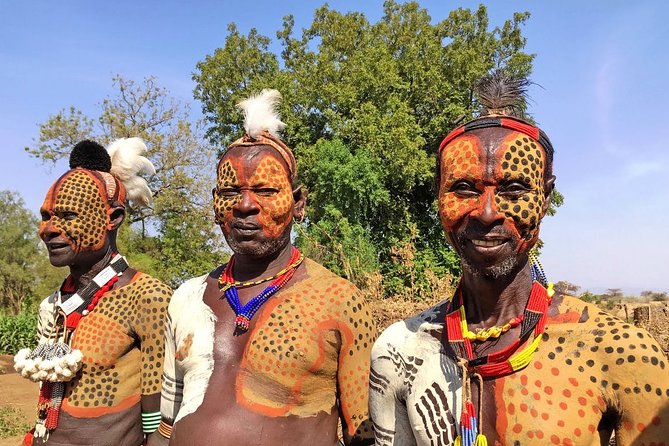
- Strong portrait photography opportunities: The program allows time for body and face painting, decorated hair, traditional clothing, cattle, farming, and village routines.
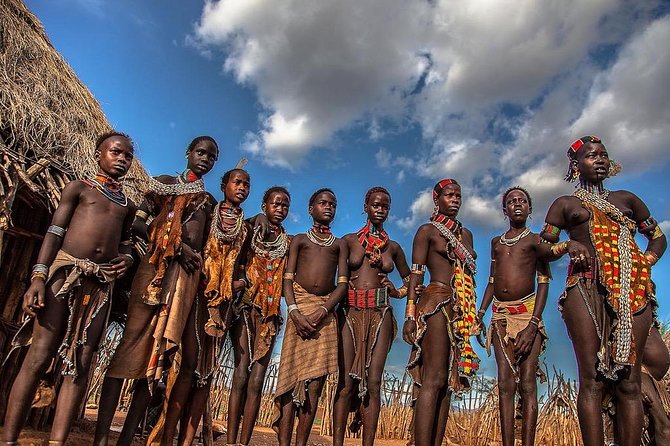
- Several distinct communities: The route includes Konso, Mursi, Ari, Hamer, and Dassench or Geleb areas, with the wider description also referring to Kara and Nyangatom communities.
- A useful balance of planned and free time: The afternoon in Turmi is open for another Hamer village or your own photography plans.
- A memorable river crossing: The Omorate day includes a boat trip on the Omo River to a Dassench or Geleb village.
- A traditional farewell in Addis Ababa: The final evening includes Ethiopian food, drinks, live music, and dancing at a traditional restaurant.
Starting in Addis Ababa at 2,500 meters
The expedition begins at Bole International Airport, where a local tour leader meets you and transfers you to the Golden Tulip Hotel. The listed start time is 6:30 in the morning, so you should plan your arrival carefully and confirm how the first night and airport pickup fit your flight schedule.
Addis Ababa sits at about 2,500 meters, or roughly 8,000 feet. That altitude can affect you during your first day, especially if you have just arrived from sea level. The itinerary keeps the opening day gentle, with time to rest at the hotel rather than forcing a packed city tour.
The capital itself is worth a little attention if your schedule allows. The program points to wide jacaranda-lined avenues, museums, and Mercato, one of Africa’s largest open-air markets. These sights are not the main purpose of the expedition, but they give you a useful first look at Ethiopia before the long road journey south.
More Omo Valley Tribe Tours in Addis Ababa
- 6 Days Omo Valley Tribes Tours From Addis Ababa
★ 5.0 · 33 reviews - 3 Days Omo Valley Tour
★ 5.0 · 24 reviews - Danakil Depression, Lalibela, Omo Valley and Simien Mountains
★ 5.0 · 23 reviews
Flying to Arba Minch and meeting the Dorze
After breakfast on Day 2, you attend a pre-tour briefing. This is an important part of the trip because the Omo Valley route involves remote roads, changing conditions, and photography situations that require clear expectations.
You then transfer to Addis Ababa airport for a roughly 40-minute flight to Arba Minch. The flight saves a great deal of road time, but it is not included in the tour price. Ask for the current domestic flight cost before booking, since this is one of the key additions to the advertised $2,933.08 per-person price.
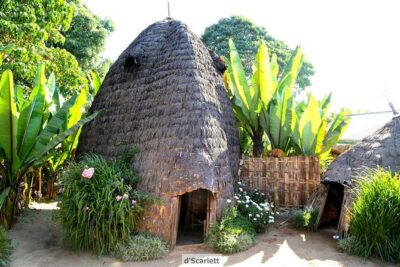
From Arba Minch, the group drives north to Chencha, a mountain village on the southwestern edge of the Great Rift Valley. Chencha is home to the Dorze people, once known as regional warriors. The supplied itinerary cuts off before explaining the full Dorze visit, so you should ask exactly what is planned there and how much photography time is available.
This day is a good example of the expedition’s appeal and its limits. You get access to a highland community before reaching the hotter, more remote Omo Valley, but you also spend much of the day moving between airport, mountain village, and road route.
Konso terraces and the long road to Jinka
Day 3 begins with a drive toward Jinka, with a stop in Konso. The distances are serious. The route describes Konso as about 90 kilometers from Arba Minch and Jinka as roughly 270 kilometers from Arba Minch, so you should expect a full day in the vehicle, with road conditions affecting the schedule.
Konso is one of the most valuable cultural stops on the trip. The community is known for carefully terraced farmland, colorful clothing, and carved wooden grave markers. The terraces have UNESCO World Heritage status, giving this visit interest beyond portrait photography.
For photographers, Konso offers a change of pace. Instead of focusing only on faces and ceremonial dress, you can work with stone terraces, agricultural patterns, village architecture, clothing, and carved memorial figures. The midday timing may not provide the best light, so ask how the schedule handles photography before lunch and the onward drive.
You spend the night at NASA Hotel in Jinka. Jinka acts as an important base for the next day’s visit to Mago National Park and nearby villages. Do not expect a leisurely transfer day. The road journey is part of the price of reaching this area.
Mursi villages, Mago National Park, and Jinka
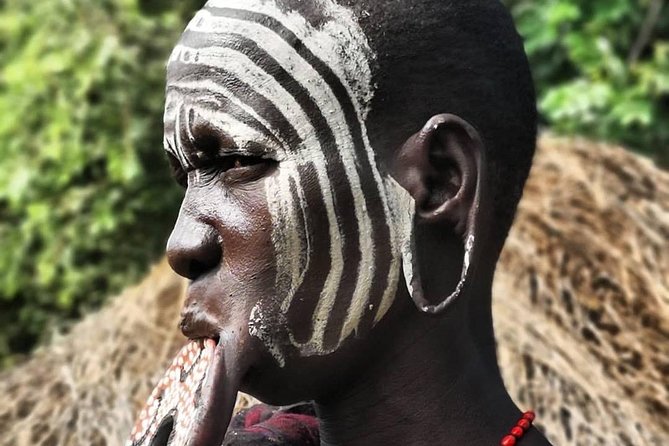
On Day 4, the expedition drives about 55 kilometers from Jinka to visit a Mursi village in Mago National Park. The Mursi are widely known for a traditional form of lip-plate adornment worn by some women. This is a sensitive subject for photography, and your guide’s handling of introductions, permission, and payment matters greatly.
The itinerary is built around photography, but you should not treat a village as a studio. Ask before making close portraits, respect requests not to be photographed, and rely on the local guide to explain the proper approach. Photography fees are specifically excluded from the tour price, so carry enough local currency or confirm the payment system in advance.
After returning to Jinka for lunch, you visit a nearby Ari village and a museum. That second visit gives the day more depth. You are not simply driving out for one famous image, then turning around. The Ari stop and museum can help place local customs, farming, clothing, and material culture in a broader setting.
The second night is again at NASA Hotel. Two nights in Jinka reduce the need to pack and unpack while giving you access to different communities. The tradeoff is that the hotel is described only as a resort, so anyone expecting upscale accommodation should request current lodging details.
A different sort of day out, same part of Ethiopia:
- Full Day Tour of Addis Ababa with Hotel Pickup and Drop-off
★ 5.0 · 430 reviews - Taste of Ethiopia
★ 5.0 · 406 reviews - Day Trip From Addis Ababa See Historical Monastery,Stunning Nature,Animals,Birds
★ 5.0 · 303 reviews - Addis Ababa: Debre Libanos, Blue Nile Gorge, and Cave Tour
★ 4.5 · 256 reviews
Hamer villages around Turmi
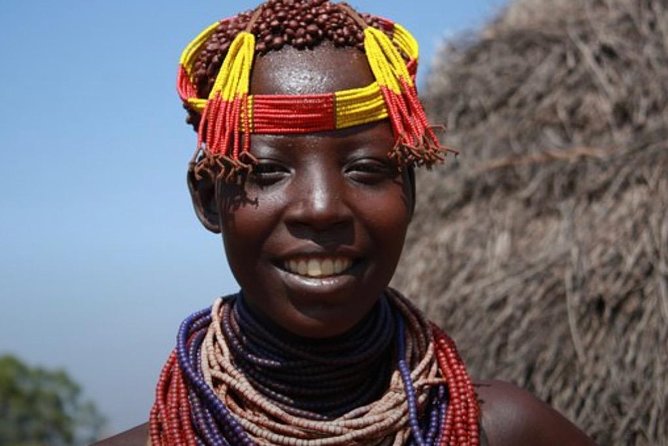
Day 5 takes you from Jinka to Turmi, about 142 kilometers away. There is a village stop along the route, followed by lunch and check-in at a lodge.
The afternoon is the photographic heart of the expedition. You walk to a Hamer village described as non-touristic, with time to observe elaborate hairstyles and body painting made from clay and vegetable pigments. The patterns may appear on faces, chests, arms, and legs, creating strong visual subjects in good light.
The walking element matters. This is not a drive-up portrait stop, and you should be ready for dust, heat, uneven ground, and a moderate level of physical effort. The tour requires moderate fitness, which is a fair warning for anyone carrying camera bodies, lenses, and water.
The itinerary mentions ceremonies and rituals in its overall description, but it does not guarantee a specific ceremony on a particular date. That distinction is important. You may photograph daily life and preparation, but you should not book this trip expecting a particular ritual unless the operator confirms one in writing.
The Omo River and Dassench or Geleb communities
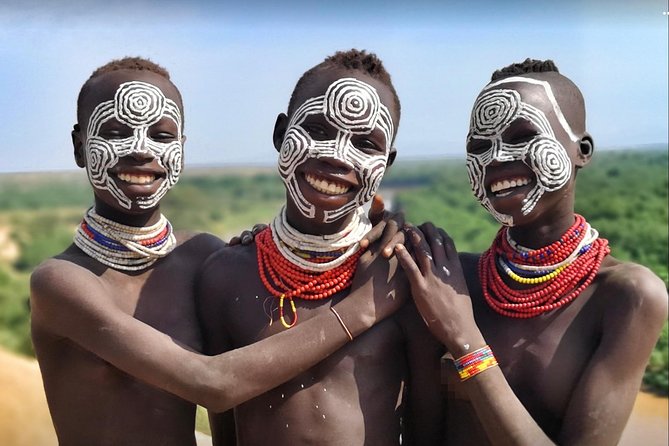
Day 6 starts early with a drive of about 75 kilometers from Turmi to Omorate. Early departure is useful for photography and temperature, though the schedule may feel demanding after the previous road day.
At Omorate, you take a boat on the Omo River and visit a Dassench or Geleb village. This is one of the expedition’s most distinctive elements because the river journey changes the experience from a standard overland village visit. It also gives you a different setting for photography, with boats, riverbank activity, settlement life, and changing light.
You return to Turmi for lunch. The afternoon is deliberately flexible. You can follow your own photography plan or visit another Hamer village, which is a real advantage of the private arrangement. If you need a slower afternoon after several long drives, you also have more room to manage your energy.
The wider tour description names Kara and Nyangatom groups, but the day-by-day route specifically names Dassench or Geleb, Hamer, Mursi, Ari, and Konso. Confirm which communities are actually scheduled for your departure. Omo Valley routes can change according to local conditions, road access, and timing.
The long return through Konso to Arba Minch
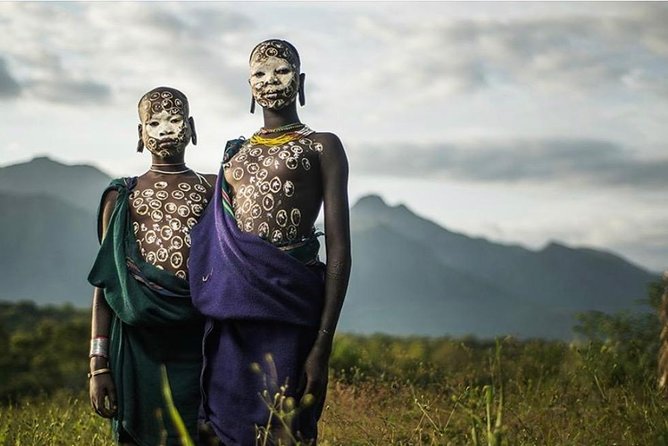
Day 7 is mostly a return drive from Turmi to Arba Minch, listed at about 290 kilometers. Lunch is planned in Konso before continuing to Arba Minch, where you stay at a lodge.
This is not a sightseeing day in the usual sense. It is the necessary road link that brings you back toward the airport and Addis Ababa. I would use it to back up photographs, rest your camera gear, and keep your expectations realistic. After several village visits, you may welcome a quieter evening.
Because road timing can vary, do not plan an important separate commitment in Arba Minch that night. Dinner is at the lodge, and the program does not promise an additional formal activity.
Returning to Addis and the Ethiopian farewell
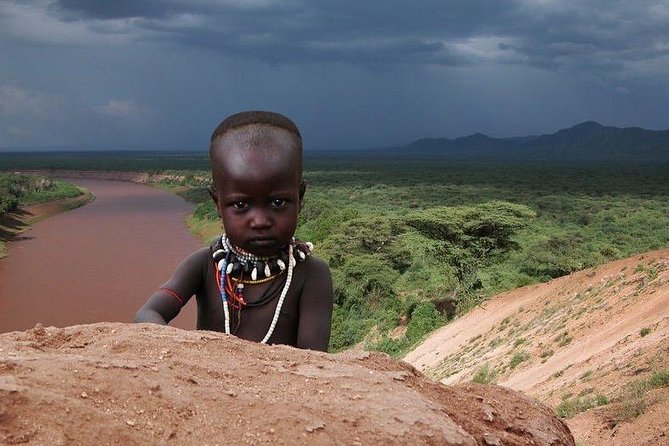
On Day 8, you drive back to Addis Ababa. The schedule allows an optional stop at Tiya or Melka-Kuntare archaeological sites, but the wording makes clear that these visits are optional rather than guaranteed inclusions.
You arrive in Addis Ababa late in the afternoon, take a short break, and then attend a farewell dinner at a traditional Ethiopian restaurant such as Habesha 2000 or YOD Abyssinia. The evening includes Ethiopian food and drinks, live music, and dancing before your airport drop-off.
This is a pleasant way to close a demanding trip. Ethiopian meals are often shared, and the final performance gives you a social ending after days focused on roads, villages, and photography. Be careful with your flight timing. Since airport transfer follows dinner, your departure schedule must allow enough time for the evening program and the journey to Bole Airport.
What the $2,933.08 price really covers
The price includes an air-conditioned 4×4 Land Cruiser, entrance fees, and eight breakfasts. It also covers the services needed to follow the overland route, including local driving and tour leadership, though the exact staffing arrangement should be confirmed.
The price does not include the domestic flight from Addis Ababa to Arba Minch, alcoholic drinks, or photography fees. These exclusions matter more here than they would on a city tour. Photography fees may arise at villages, and the itinerary is built around taking pictures, so you should treat them as part of the working budget rather than an optional afterthought.
The value is strongest if you want a private route and would otherwise struggle to arrange drivers, village visits, park access, lodging, and the river trip yourself. It is weaker if you want a relaxed holiday with short transfers and extensive hotel comfort. Much of the cost buys access and logistics, not luxury.
The private format is especially helpful for photographers. You can pause for a scene, adjust your gear, or spend the free Turmi afternoon according to your interests. The company has also received praise for organization, honest communication, and the balance provided by its driver and guide. One guest specifically praised guide Dr Turmi, so ask if he or the same guiding team will lead your departure.
Practical strengths and limitations
You should bring camera equipment that you can carry comfortably, along with spare batteries and storage cards. The route includes remote areas, long drives, walking, boats, and changing light. The supplied information does not specify luggage limits or power arrangements, so ask the operator before departure.
The tour requires moderate physical fitness. That does not mean a technical trek, but it does mean you should be comfortable with long vehicle days, village walking, heat, and carrying personal gear.
The experience is private, yet the description also calls it a small-group photographic expedition. Confirm the expected group size. A small group can make village introductions easier and reduce pressure around portrait sessions, while a larger private party may feel less nimble.
Free cancellation is available up to 24 hours before the start time for a full refund. Changes made less than 24 hours before departure are not accepted, and poor weather can lead to a rescheduled date or full refund. Those terms are useful, but confirm how domestic flight arrangements are handled if the tour date changes.
Should you book this Omo Valley expedition?
Book it if your priority is access to remote southern Ethiopia, serious photography time, and a private vehicle with a flexible afternoon in Turmi. The route gives you more than a single famous village portrait: you see terraces in Konso, Mursi communities, Ari culture, Hamer body painting, and a river visit near Omorate.
Think twice if you dislike long road transfers, uncertain timing, basic or unspecified lodging, or extra costs for flights and photography. Before paying, ask for the confirmed community route, expected group size, hotel names, guide assignment, photography fee guidance, and domestic flight price.
For the right person, this is a demanding but worthwhile expedition. You trade comfort and speed for access, patience, and a chance to photograph parts of Ethiopia that few visitors reach.
FAQ
Where does the photography expedition begin?
The experience begins at Bole International Airport in Addis Ababa, Ethiopia. The listed start time is 6:30 am.
How long does the tour last?
The expedition lasts approximately eight days, from arrival in Addis Ababa through the return to Addis Ababa and airport drop-off.
Is airport pickup available?
Yes. Pickup is offered, and the tour begins with a welcome at Bole International Airport followed by a transfer to the Golden Tulip Hotel.
Is the tour private?
Yes. The activity is private, meaning only your group participates.
What vehicle is used?
Transportation is provided in an air-conditioned 4×4 Land Cruiser.
Is the domestic flight included?
No. The flight from Addis Ababa to Arba Minch is not included in the listed price.
Which communities are included in the route?
The day-by-day route includes Konso, Mursi, Ari, Hamer, and Dassench or Geleb communities. The overall description also refers to Kara and Nyangatom groups, so confirm the exact route for your departure.
Are photography fees included?
No. Photography fees are listed among the exclusions and must be budgeted separately.
What meals are included?
Eight breakfasts are included. Alcoholic drinks are not included, and the itinerary also describes lunches and dinners at different stops, so confirm which of those meals are covered in the final tour price.
Can I cancel for a full refund?
You can cancel at least 24 hours before the experience start time for a full refund. Cancellations or changes made less than 24 hours before the start time are not accepted for a refund, and poor weather may result in a different date or a full refund.
New on the Addis Ababa list
- Yod Abyssinia Cultural Night: Dinner, Music, and Dance★ 5.0 · 7 reviews
- Locally crafted beer and wine tasting and nightlife in Addis tour★ 5.0 · 6 reviews
- Addis Ababa City Tours Full-Day Tours★ 5.0 · 5 reviews
- Stunning Views Wonchi Crater Lake a Private Day Trip★ 5.0 · 3 reviews
- Visiting the wonders of Lalibela in Three (3) days and Two ( 2) nights★ 5.0 · 2 reviews
- Unique Ethiopian Cooking Class and Coffee Ceremony with a Local in Addis Ababa★ 4.5 · 7 reviews
- Tribes of the Ethiopian Omo Valley – 9 Day Tour★ 5.0 · 5 reviews
- Two days Lake Wenchi and Menagesha Forest★ 5.0 · 3 reviews
Omo Valley Tribe Tours, compared.
6 Days Omo Valley Tribes Tours From Addis Ababa
Read our review →
Lalibela, Axum, Danakil and Omo Valley 8 DAYS
Read our review →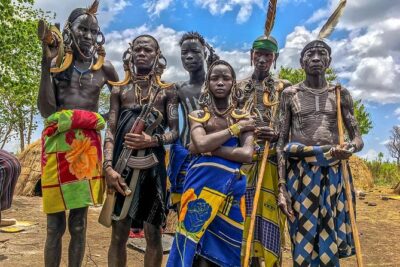
3 days around Arbaminch and Konso Adventure Tours Life Time
Read our review →Danakil Depression, Lalibela, Omo Valley and Simien Mountains
Read our review →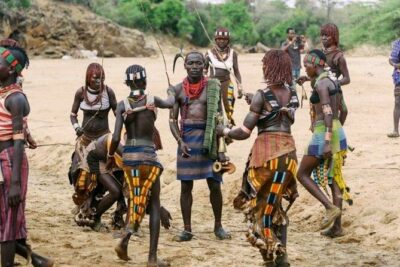

Browse the lists this tour appears in