
Reviewed · COFFEE & FOOD EXPERIENCES
Private Ethiopian Home Cooking Class in Addis Ababa with Transfer
Come hungry and leave with a fuller picture of Ethiopia. This private home cooking class takes you to Hilena’s family home in Sansusi, on the outskirts of Addis Ababa, where food becomes the main route into local life. You may also visit a neighborhood market, shop for ingredients, and then cook together before sitting down to eat.
I like the personal setting and the chance to learn from Hilena, a native of Addis Ababa who has cooked since childhood. I also like the built-in transfer, since her home is about 20 kilometers from the airport. The main consideration is the long, food-heavy format, plus the need for translation because Hilena is not very fluent in English.
In This Review
- Key points to know before booking
- Why a home kitchen tells you more than a restaurant
- The transfer to Sansusi and what the location means
- Optional market walk through Sansusi
- Learning two dishes with Hilena
- What appears on the table
- Coffee makes a fitting final course
- Is the $124 price fair?
- Who will enjoy this class most
- Timing, privacy, and cancellation details
- Should you book the Sansusi home cooking class?
- FAQ
- Where does the cooking class take place?
- Is transportation provided?
- How long does the experience last?
- Is the cooking class private?
- Who teaches the cooking class?
- Is the class offered in English?
- What food will be served?
- Can dietary restrictions be accommodated?
Key points to know before booking
- Hilena teaches in her family home: This is a private experience for your group, though other people may be staying at the family guest house.
- The market option adds local context: In Sansusi, you might see grains, produce, clothing, live chickens, and sheep before buying ingredients for the class.
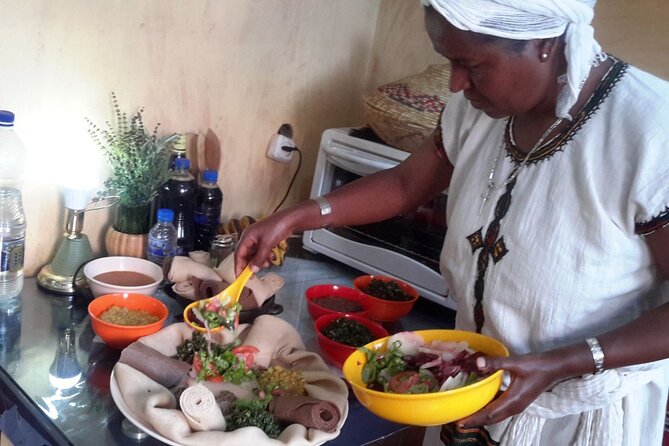
- The meal goes well beyond the cooking lesson: Expect Beyaynetu, Shiro, Genfo, Anebabero, and Ethiopian coffee, with the menu adjusted by season.
- A family member translates: Hilena’s brother remains present to help with English, which keeps instructions and conversation moving.
- The setting is outside central Addis Ababa: Pickup helps, but allow time for the transfer to and from the home.
- This suits food-focused visitors: It works especially well for people who prefer a personal meal and cultural exchange to a standard sightseeing stop.
Why a home kitchen tells you more than a restaurant
Restaurants can introduce you to Ethiopian food, but a home kitchen shows you how that food fits into everyday life. Here, you are not simply served a plate of injera and stews. You watch Hilena work with family recipes and take part in preparing two traditional dishes.
That difference matters. You can ask about ingredients, cooking habits, and the way food is shared at home. The class also gives you time to notice the pace of preparation. Ethiopian cooking is not built around rushing a plate to the table, so the three-hour schedule is sensible.
I would choose this experience early in an Addis Ababa stay. It gives you a useful introduction to familiar Ethiopian dishes before you encounter them elsewhere. After the class, you may recognize the flavors and names on restaurant menus more easily.
The setting is personal, but do not expect a polished cooking school. You are visiting a working home kitchen connected to a guest house. That is part of the appeal, though it also means the experience may feel informal and less structured than a professional culinary studio.
Coffee ceremonies and Ethiopian cooking in Addis Ababa:
- Ethiopian Culinary Tour – Market, Food, Coffee Ceremony & more
★ 5.0 · 65 reviews - Market Tour and Cooking Class with a Coffee Ceremony at a Home in Addis Ababa
★ 5.0 · 32 reviews - Vintage Coffee Shops, Restaurants, Sightseeing in Addis Ababa
★ 5.0 · 17 reviews
The transfer to Sansusi and what the location means
Hilena’s home is in Sansusi, about 20 kilometers from Addis Ababa’s airport. Pickup is offered, which is especially helpful because the home is not in the central sightseeing area.
The transfer is more than a minor convenience. Addis Ababa traffic can make a short distance take time, and having transport arranged reduces the need to negotiate directions to a residential address. If you are using the experience around an airport arrival or departure, confirm the timing carefully and leave a generous buffer.
The location also shapes the experience. Sansusi is a local neighborhood rather than a tourist center. You are visiting a family home on the city’s outskirts, not a staged cultural venue. That gives the class a grounded feel, but you should come prepared for a simple setting and a transfer that may take longer than the map distance suggests.
The booking includes a mobile ticket and confirmation at the time of booking. Since the activity is private, only your own group takes part in the class. Other people may be staying at Hilena’s guest house, but the cooking experience itself is arranged for your party.
Optional market walk through Sansusi
If you select the market tour option, you begin with a walk through a neighborhood, street-side market in Sansusi. This is a useful addition because it connects the meal to the ingredients before you start cooking.
The market may include stalls selling grains, vegetables, fruits, clothing, live chickens, and sheep. You might buy a few vegetables and herbs for the class, depending on what is available that day. Menus and produce can change with the season, so the market visit may be different from one date to the next.
I like this part because it gives you a clearer sense of what local food shopping looks like. You can see the range of goods in one place, learn about produce grown locally, and ask questions before the ingredients reach the kitchen.
There are a few practical points to keep in mind. This is described as a local market walk, not a formal food market tour with a fixed list of stops. It may feel basic and direct. That is useful if you want ordinary neighborhood life, but less suitable if you expect a large market built for sightseeing.
The market option should also be confirmed when booking. The experience description presents it as a choice, so do not assume it is automatically included in every reservation.
Learning two dishes with Hilena
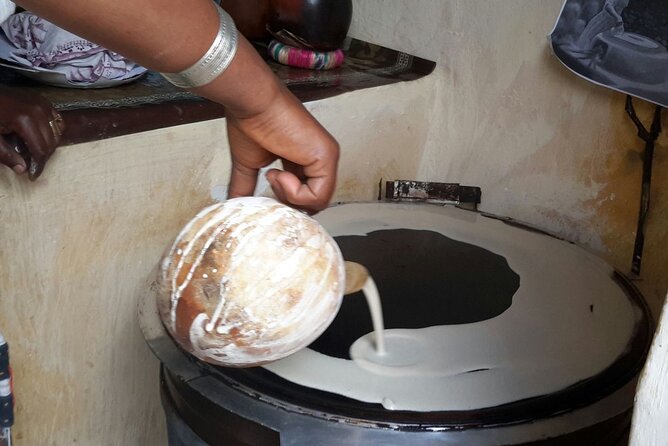
Back at the home, Hilena teaches you how to prepare two traditional Ethiopian dishes using family recipes. She has been cooking since childhood, and that personal background is a key part of the appeal.
The class is not just about collecting recipes. You get to see how a local cook handles the food, how ingredients are combined, and how the dishes fit into the larger meal. Family recipes can also give the cooking a more personal character than a standard class designed for a large crowd.
English support comes from Hilena’s brother, who stays throughout the experience to translate. This is important information, not a minor footnote. The class remains accessible, but the conversation may move through translation rather than directly between you and Hilena.
I would treat the language arrangement as a chance to slow down and ask clear questions. If you have a specific interest in ingredients or technique, mention it when booking and repeat it at the start of the class. Translation works best when everyone has time to listen and clarify.
The menu can vary with the season. If you have allergies, dietary restrictions, or cooking preferences, tell the provider when you book. A vegetarian option is available if requested in advance. Do not wait until you arrive, since the household needs time to plan the food.
A different sort of day out, same part of Ethiopia:
- Full Day Tour of Addis Ababa with Hotel Pickup and Drop-off
★ 5.0 · 430 reviews - Taste of Ethiopia
★ 5.0 · 406 reviews - Day Trip From Addis Ababa See Historical Monastery,Stunning Nature,Animals,Birds
★ 5.0 · 303 reviews - Addis Ababa: Debre Libanos, Blue Nile Gorge, and Cave Tour
★ 4.5 · 256 reviews
What appears on the table
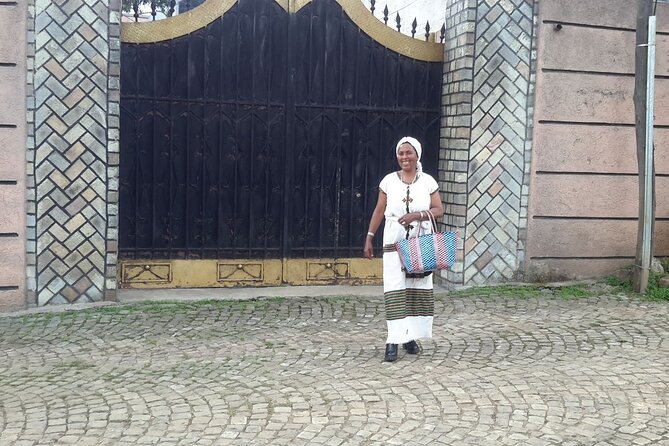
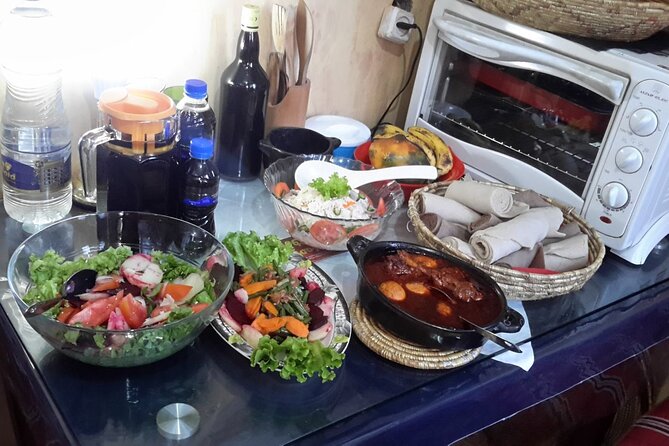
The meal includes several Ethiopian specialties:
- Beyaynetu: A vegetable platter that lets you sample several preparations in one meal.
- Shiro: A chickpea stew and one of the central dishes associated with Ethiopian home cooking.
- Genfo: A traditional porridge with a different texture from the stews and vegetable dishes.
- Anebabero: Ethiopian bread served as part of the meal.
- Ethiopian coffee: A final cup to close the visit.
The class itself focuses on two dishes, while the meal includes this wider selection. That makes the experience feel more like a full family meal than a quick lesson followed by a small tasting.
You should plan to eat well. The format can be long and there is a lot of food. That is a plus for anyone eager to try several dishes, but it may be too much if you want a short activity between other appointments.
Beyaynetu is particularly useful for first-time visitors because it offers variety on one platter. Shiro gives you a chance to try a chickpea-based stew, while Genfo provides a very different style of Ethiopian comfort food. The meal is designed to show range rather than repeat one recipe in several forms.
The bread also matters. Ethiopian meals are often understood through the way food is eaten together, and bread helps make the meal communal. The exact preparation and presentation may vary with the season and household routine, so keep your expectations flexible.
Coffee makes a fitting final course
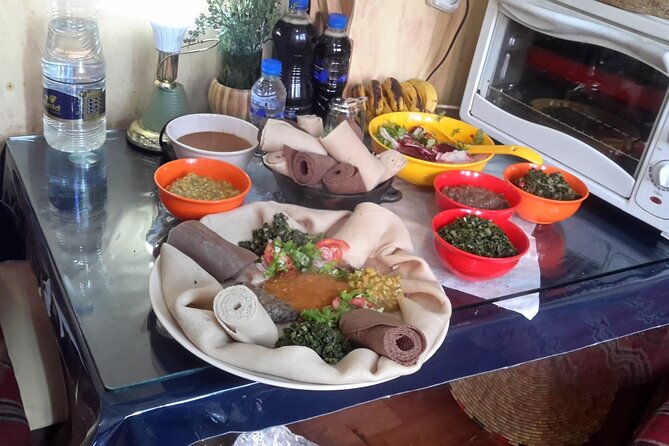
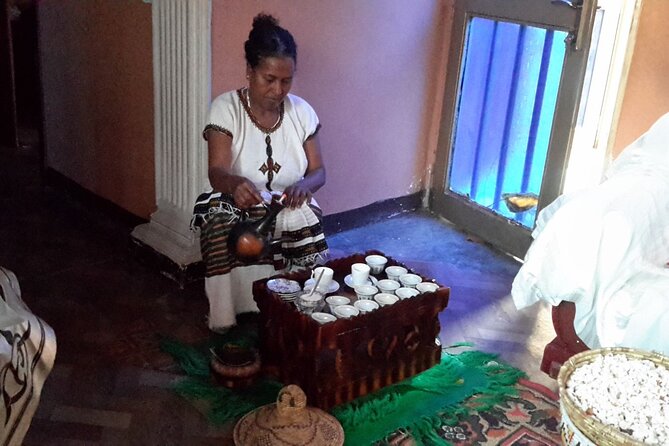
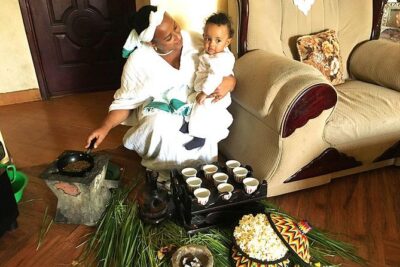
The experience ends with Ethiopian coffee. That final cup gives the visit a natural pause after the cooking and meal.
Coffee is not treated as an afterthought here. It gives you time to sit with the family, continue the conversation through translation, and reflect on what you have prepared. I like that the activity does not end the moment the last dish is served.
For many people, this relaxed ending may be as valuable as the cooking itself. You have already shared a kitchen and a meal, so the coffee provides a simple social close rather than another formal presentation.
Is the $124 price fair?
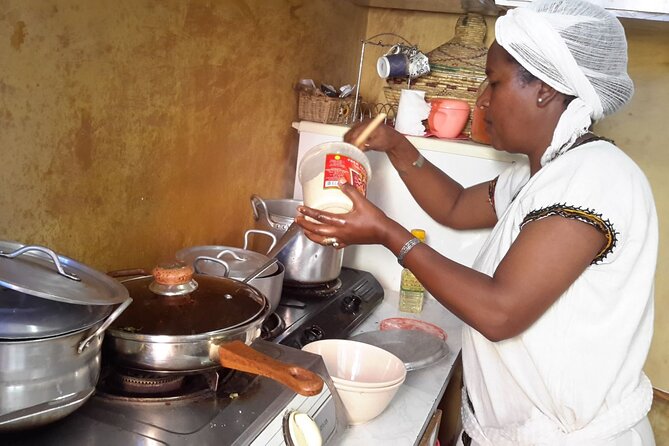
At $124 per person, this is not the cheapest way to eat in Addis Ababa. The price makes more sense when you consider what is bundled into the experience: a private class, a home meal, possible market shopping, transfer assistance, and time with a local family.
You are paying for access and attention, not just food. A restaurant meal would likely cost less, but it would not include Hilena’s instruction, the family recipes, or the chance to see how ingredients move from a local market into a home kitchen.
The value improves for a small group that wants a private activity. Since only your group participates, you can ask questions and set the pace more easily than in a large class. Group discounts may also be available, so check the price for your party rather than assuming the per-person figure tells the whole story.
Still, I would not recommend this solely as a way to save money on lunch. Book it for the cultural exchange and the hands-on format. If you only want to sample Ethiopian food, a restaurant or food-focused city tour may be more efficient.
The experience is booked, on average, 33 days ahead. That suggests you should arrange it early if it is important to your Addis Ababa plans, particularly if you need a specific date or have dietary requests.
Who will enjoy this class most
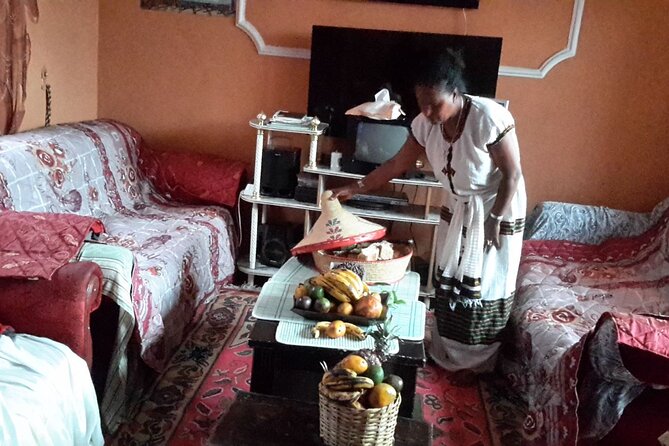
I would recommend this experience to:
- People who enjoy cooking and want to learn through family recipes
- Visitors looking for a personal connection with Addis Ababa
- Couples, families, or small groups who value a private format
- Food-focused visitors who want to try several Ethiopian dishes
- People with enough time for a relaxed, three-hour activity
- Anyone interested in seeing a neighborhood market rather than only major city sights
It is also a good choice for visitors who prefer conversation and shared food over a tightly scheduled tour. The meal is substantial, and the class leaves room for the experience to unfold at a household pace.
I would think twice if you have a packed day, dislike long meals, or want a highly polished culinary studio. The language support is helpful, but it does mean communication is partly mediated through Hilena’s brother.
Most people can participate, and a vegetarian option is available with advance notice. People with allergies or other dietary restrictions should provide those details at booking.
Timing, privacy, and cancellation details
The activity lasts about three hours. Pickup is offered, and the experience is private for your group. Since the home is outside central Addis Ababa, allow extra time for transportation and do not place a tight appointment immediately afterward.
Hilena runs a guest house, so other people may be present at the property. That does not change the private nature of your cooking class, but it does mean the home is an active household rather than a venue reserved only for your visit.
You can cancel for a full refund up to two full days before the local start time. Cancellations made within two days are not refunded, and changes during that period are not accepted. If your schedule depends on flights, keep this deadline in mind before booking.
Should you book the Sansusi home cooking class?
Book it if you want Ethiopian food served with context, conversation, and a family welcome. The strongest reasons are Hilena’s personal connection to the cooking, the home setting, the optional market visit, and the broad meal that follows the lesson.
The $124 price is reasonable for a private, transfer-supported experience, but only if you value the cultural side as much as the food. I would reserve it early, request the market option if that is important to you, and send all dietary details in advance.
Skip it if you need a quick meal, a central location, or a fully English-language cooking demonstration. For everyone else, this offers a thoughtful way to spend three hours in Addis Ababa, with a full plate and a better understanding of how Ethiopian food is prepared and shared at home.
FAQ
Where does the cooking class take place?
The class takes place in Hilena’s local home in Sansusi, on the outskirts of Addis Ababa. Her home is about 20 kilometers from the airport.
Is transportation provided?
Pickup is offered. Because the home is outside central Addis Ababa, transportation is an important part of planning the experience.
How long does the experience last?
The experience lasts approximately three hours.
Is the cooking class private?
Yes. Only your group participates in the private tour or activity, although other people may be staying at Hilena’s guest house.
Who teaches the cooking class?
Hilena, a native of Addis Ababa who has cooked since childhood, teaches the class using family recipes.
Is the class offered in English?
Hilena is not very fluent in English, so her brother is present throughout the experience to help translate.
What food will be served?
The meal includes house-made Beyaynetu, Shiro, Genfo, Anebabero, and Ethiopian coffee. The cooking portion covers two traditional dishes, and the menu may change with the season.
Can dietary restrictions be accommodated?
Yes, but you should provide allergy information, dietary restrictions, and cooking preferences when booking. A vegetarian option is available if requested in advance.
New on the Addis Ababa list
- Yod Abyssinia Cultural Night: Dinner, Music, and Dance★ 5.0 · 7 reviews
- Locally crafted beer and wine tasting and nightlife in Addis tour★ 5.0 · 6 reviews
- Addis Ababa City Tours Full-Day Tours★ 5.0 · 5 reviews
- Stunning Views Wonchi Crater Lake a Private Day Trip★ 5.0 · 3 reviews
- Visiting the wonders of Lalibela in Three (3) days and Two ( 2) nights★ 5.0 · 2 reviews
- Unique Ethiopian Cooking Class and Coffee Ceremony with a Local in Addis Ababa★ 4.5 · 7 reviews
- Tribes of the Ethiopian Omo Valley – 9 Day Tour★ 5.0 · 5 reviews
- Two days Lake Wenchi and Menagesha Forest★ 5.0 · 3 reviews
Coffee & Food Experiences, compared.

Ethiopian Culinary Tour – Market, Food, Coffee Ceremony & more
Read our review →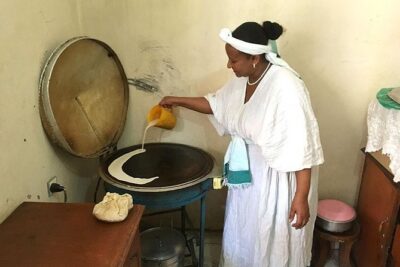
Market Tour and Cooking Class with a Coffee Ceremony at a Home in Addis Ababa
Read our review →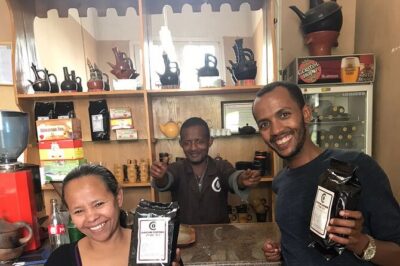
Vintage Coffee Shops, Restaurants, Sightseeing in Addis Ababa
Read our review →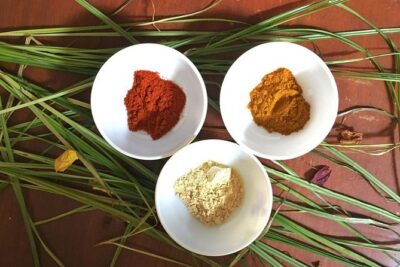
Ethiopian Cooking Class and Coffee Ceremony with a Local in Addis with transfers
Read our review →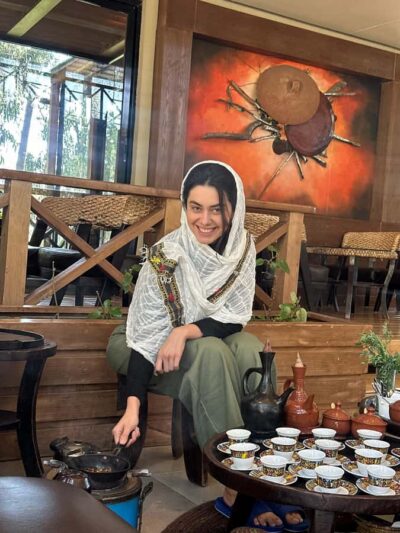
Ethiopia coffee cupping class/Ethiopian food injera making
Read our review →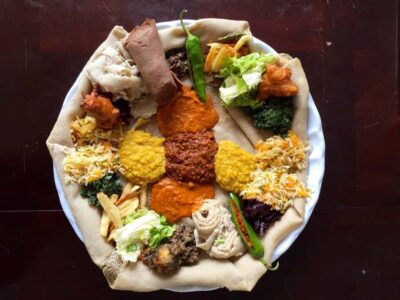
Ethiopian Culinary Tour – Market, Coffee Ceremony and More
Read our review →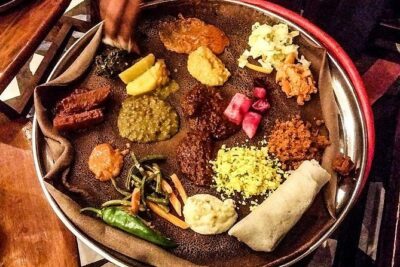
Unique Ethiopian Cooking Class and Coffee Ceremony with a Local in Addis Ababa
Read our review →Browse the lists this tour appears in